How to Maintain Your Tabletop Grill for Longevity
Ensure your 3-burner tabletop gas grill lasts for years with these expert tips.
In This Article
Regular Cleaning
Protect from Elements
Inspect Regularly
Understanding Your 3-Burner Tabletop Gas Grill
A 3-burner tabletop gas grill is a versatile piece of outdoor cooking equipment that offers a balance between size, portability, and cooking power. Understanding its components is crucial for effective maintenance. These grills typically include features like stainless steel burners, cast iron grates, and compact lids designed for efficient heat retention.
Maintaining your grill involves regular cleaning and inspection of these parts. This ensures that your grill operates efficiently and safely, providing you with the best cooking experience. Regular maintenance also extends the longevity of the grill, keeping it in prime condition for years.
Tip: Always refer to your grill’s manual for specific maintenance guidelines.
Cleaning and Care of Burners
The burners are the heart of your grill. Regular cleaning prevents blockages that can affect heat distribution and lead to uneven cooking. After each use, allow the grill to cool slightly, then clean the burners with a wire brush to remove debris.
- Remove the burners to inspect for blockages.
- Use a soft brush to clean the burner holes.
- Rinse with water and dry thoroughly before reassembling.
| Step | Action | Frequency |
|---|---|---|
| Remove Debris | Brush burners | After Every Use |
| Inspect Burners | Check for blockages | Monthly |
Maintaining Cooking Grates
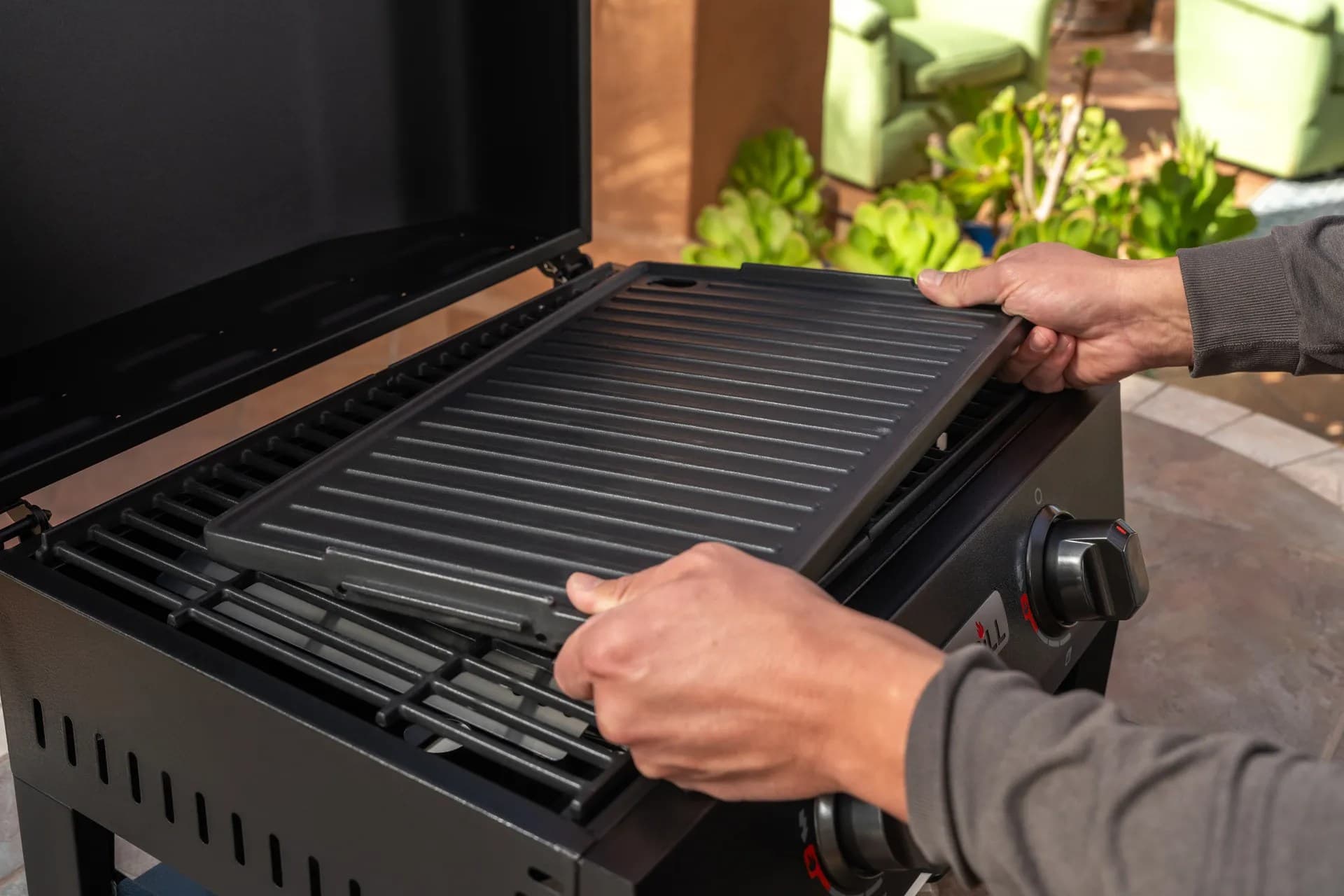
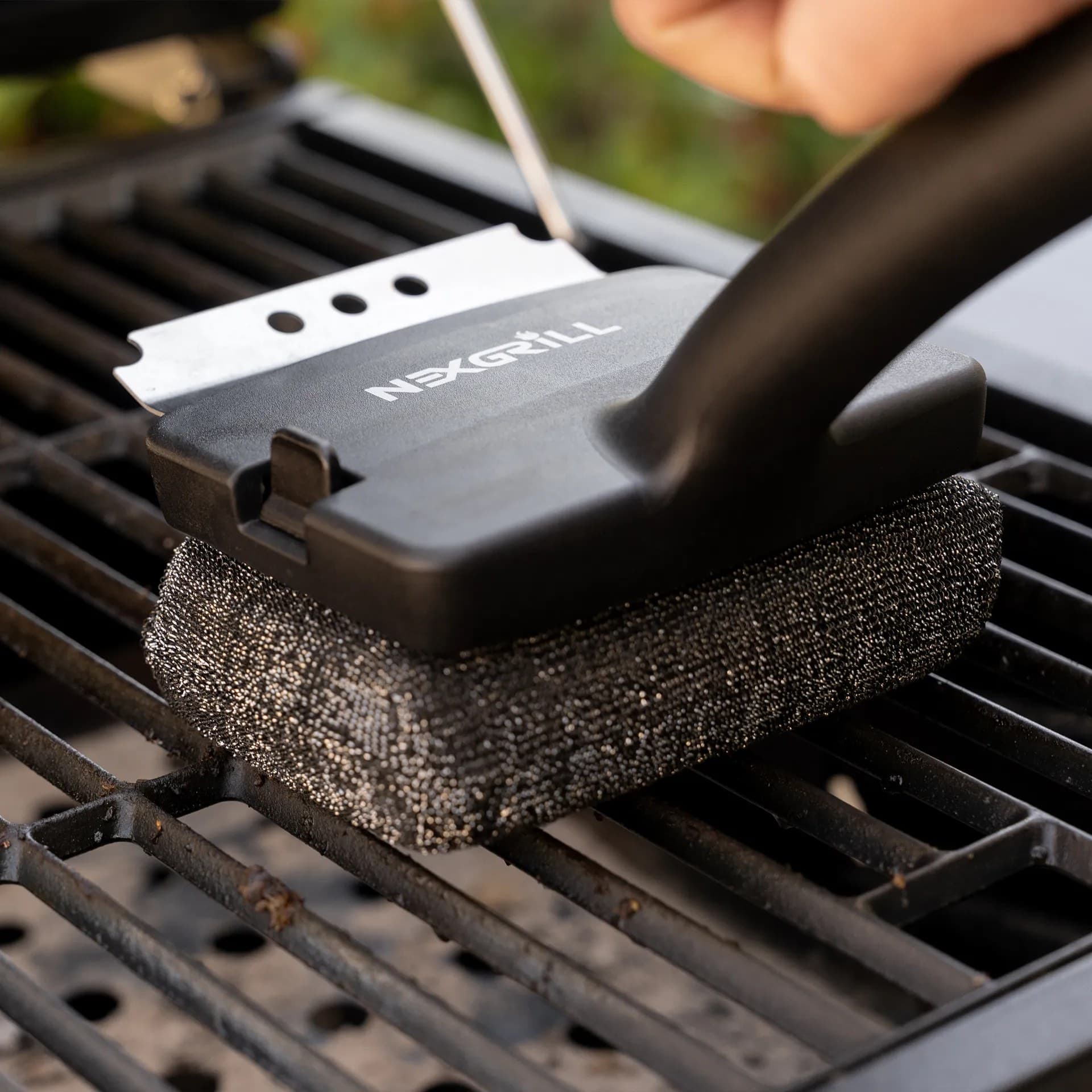
Cooking grates are where your food meets the heat. Keeping them clean is essential to prevent rust and ensure even cooking. After each use, preheat the grill for 15 minutes to burn off residue. Once cooled, scrub the grates with a grill brush.
For a deeper clean, soak the grates in soapy water and scrub them with a scouring pad. Rinse thoroughly and dry completely to prevent rust.
Tip: Season cast iron grates with oil after cleaning to maintain a non-stick surface.
Try comparing two products side by side below to see which fits best:
Protecting Your Grill from the Elements
One of the most effective ways to maintain your grill is by protecting it from the elements. Exposure to moisture and extreme temperatures can lead to rust and deterioration. Always cover your grill with a weather-resistant cover when not in use.
Store your grill in a dry area, especially during winter months. If possible, move it to a sheltered location to avoid prolonged exposure to rain or snow.
Regular Inspection and Maintenance
Regular inspections help identify wear and potential issues before they become serious. Check the gas connections and hoses for leaks by applying a soap and water solution and looking for bubbles.
- Inspect igniters and replace if faulty.
- Check and tighten loose screws and bolts.
- Lubricate moving parts to ensure smooth operation.
| Component | Action | Frequency |
|---|---|---|
| Gas Connections | Check for leaks | Monthly |
| Igniters | Test and replace | Seasonally |
Avoiding Common Mistakes
Common maintenance mistakes can shorten the lifespan of your grill. Avoid using harsh chemicals that can corrode metal parts. Instead, opt for gentle, grill-specific cleaners.
Warning: Never use a wire brush with loose bristles as they can break off and contaminate food.
Once you've weighed two options against each other, here's what else matters for maintaining your grill's longevity.