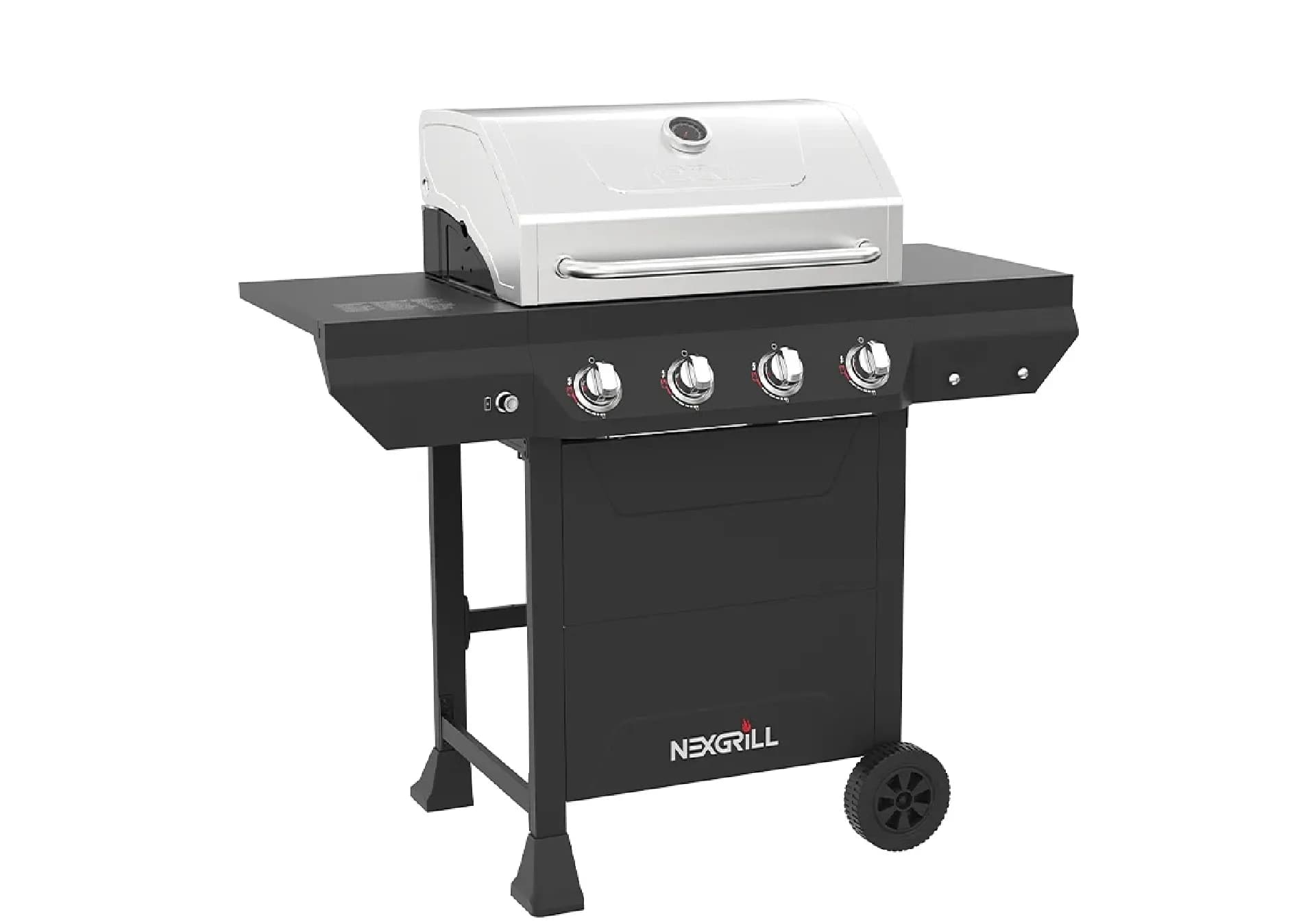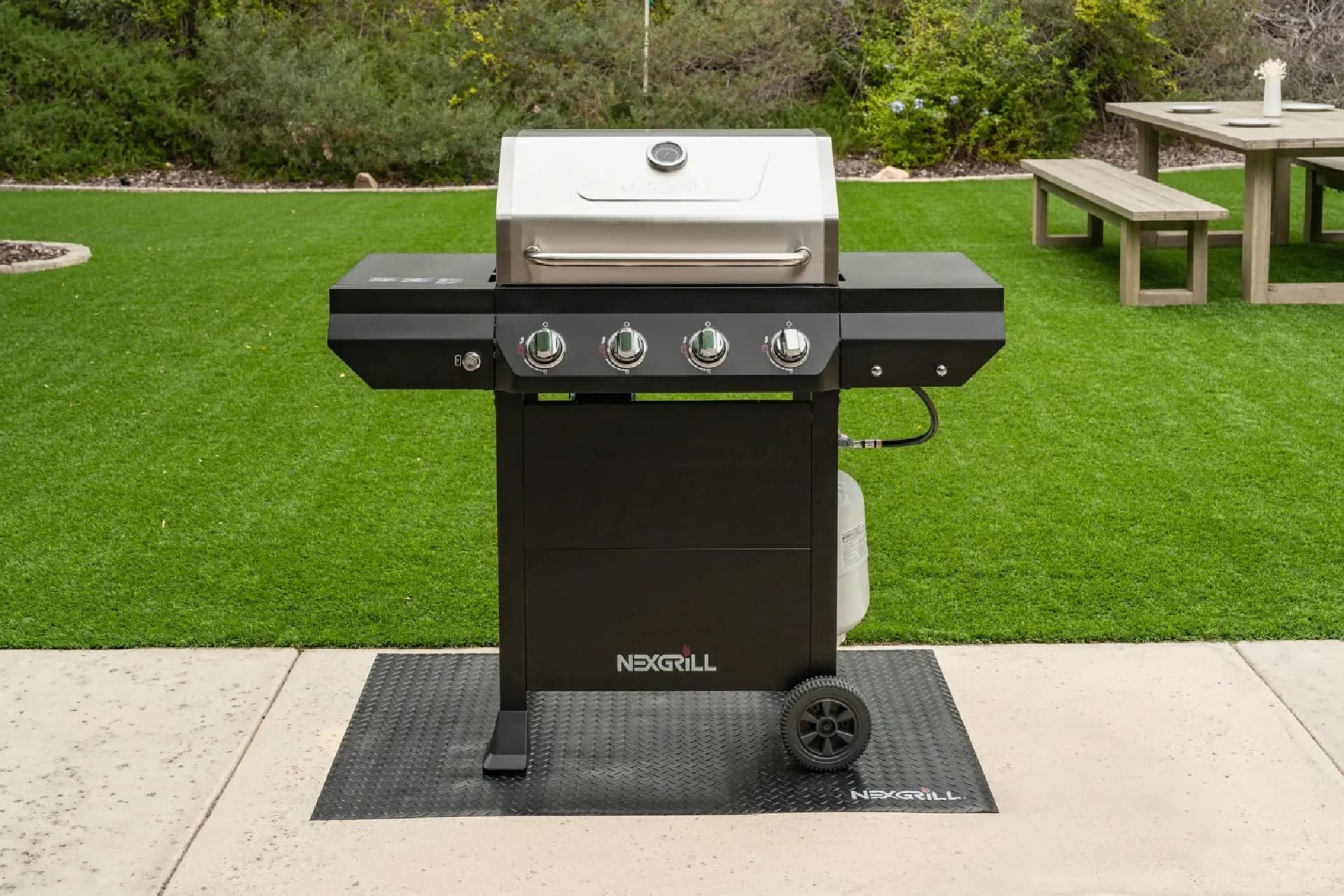
A comprehensive guide to understanding costs and features of versatile outdoor cooking.
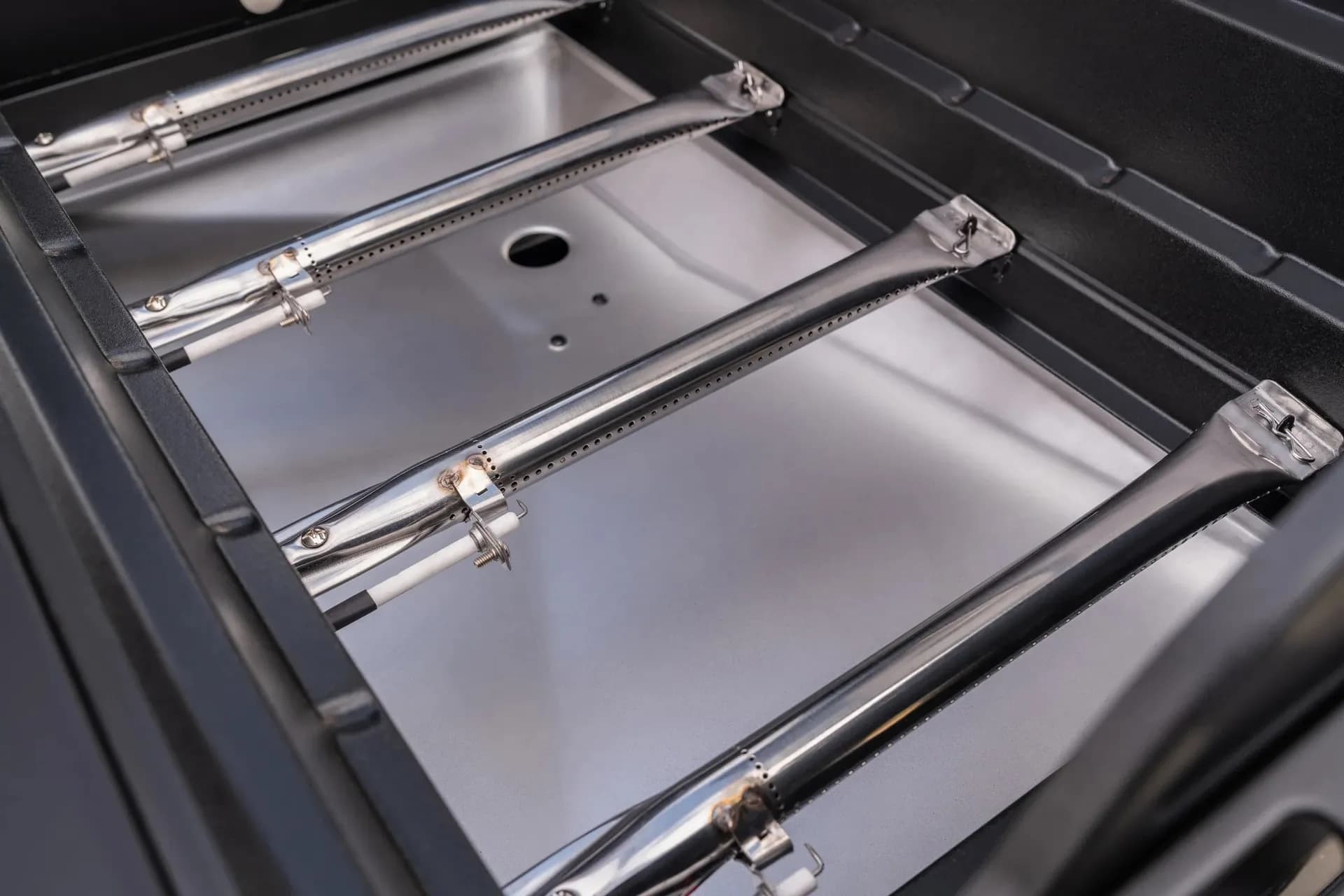
Here's what sets us apart from the competition
We position ourselves as delivering high-end outdoor cooking features and performance without premium-brand pricing, emphasizing “Quality Grills. Unbelievable Value.”
We offer gas grills, pellet grills, griddles, smokers, pizza ovens, portable/tabletop grills, electric grills, accessories, and replacement parts — allowing customers to stay within one ecosystem for all outdoor cooking needs.
We differentiate ourselves through smart grilling products like the Oakford smart pellet grill, including app-connected cooking controls and modern outdoor cooking technology.
Expert tips, buying guides, comparisons, and inspiration for choosing and getting the most out of your grill.
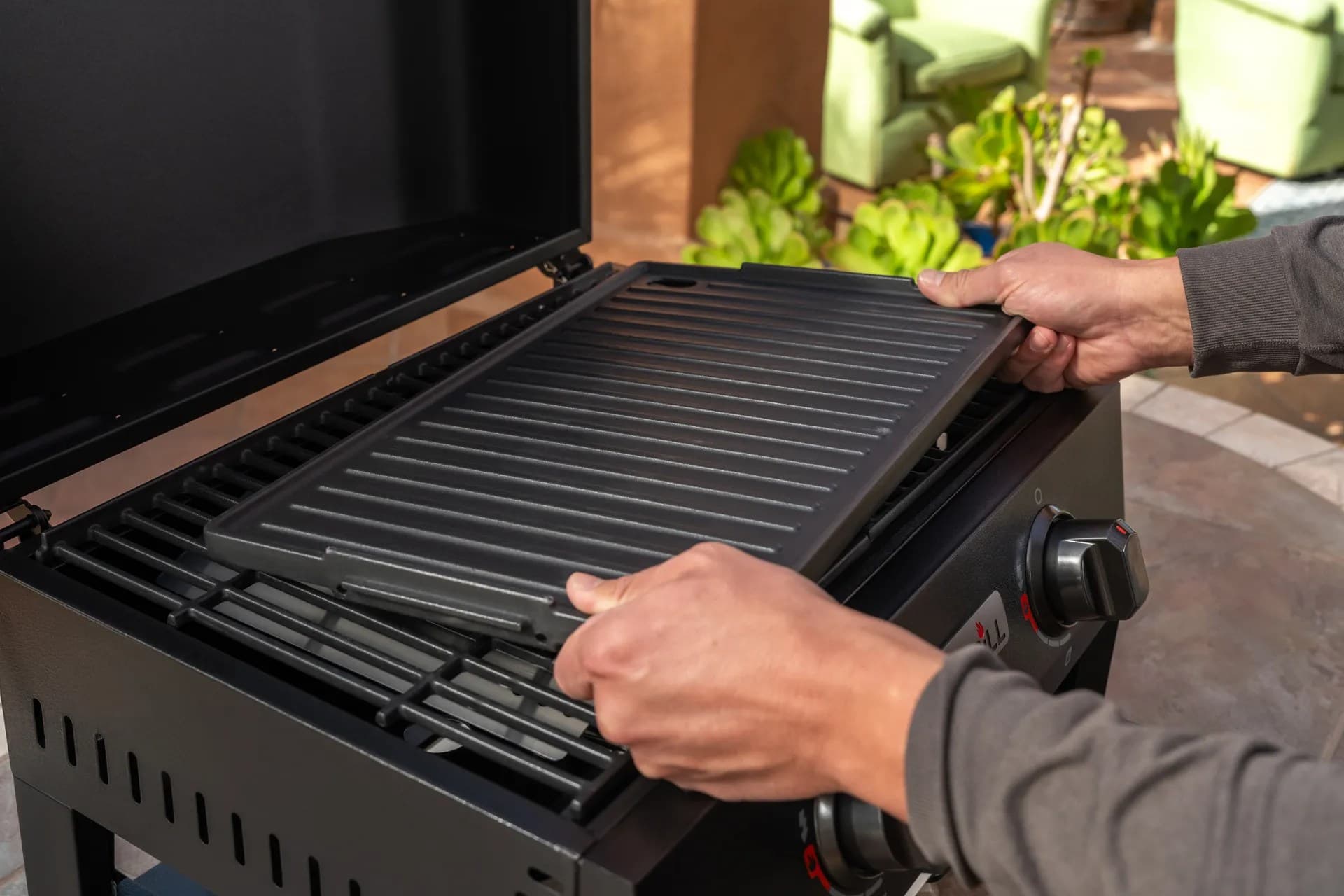
Practical guides for cleaning, maintenance, common grill issues, and performance optimization.
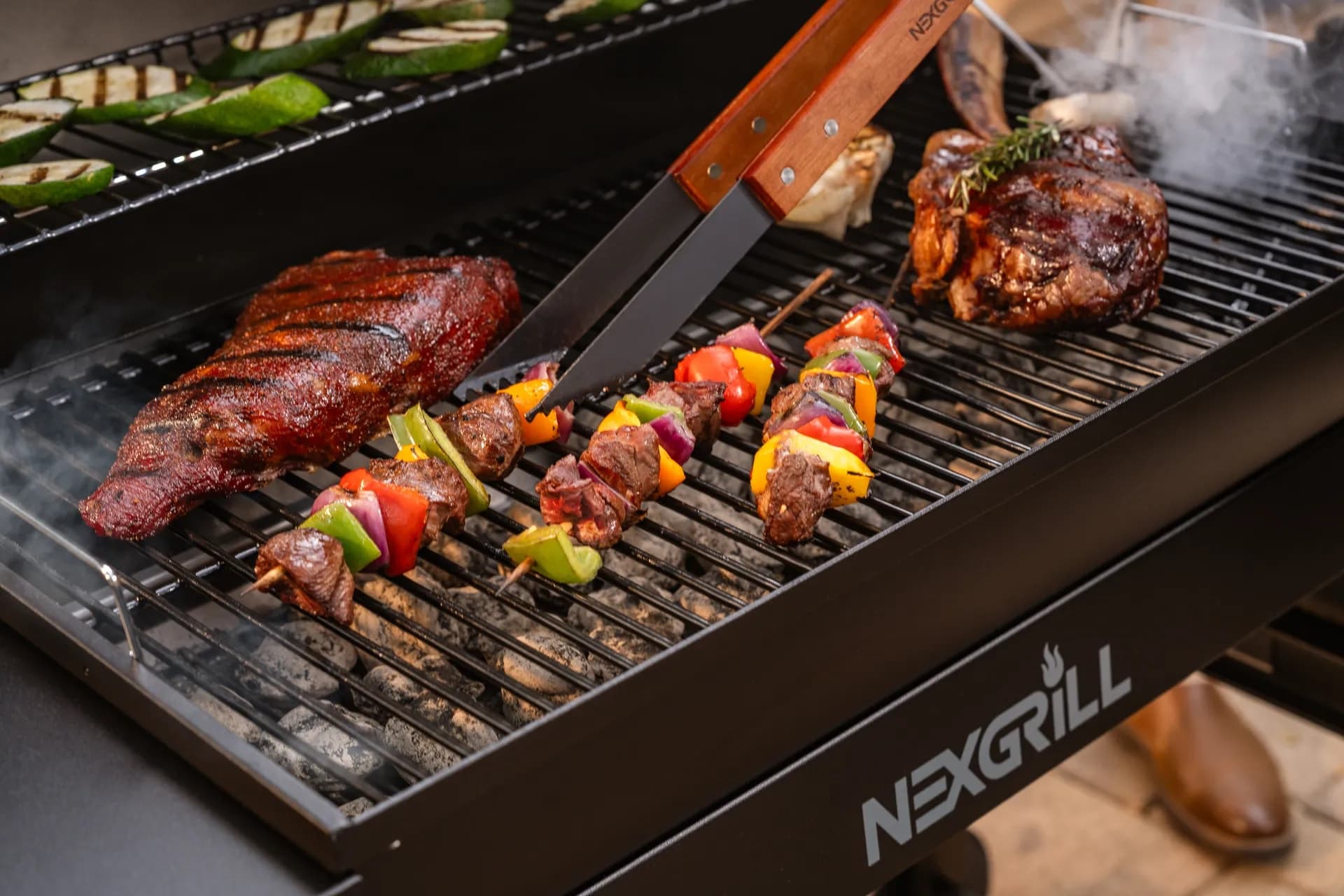
Step-by-step grilling recipes, cooking techniques, and meal ideas for every occasion and skill level.

Backyard entertaining ideas, seasonal grilling inspiration, and stories that celebrate outdoor cooking culture.
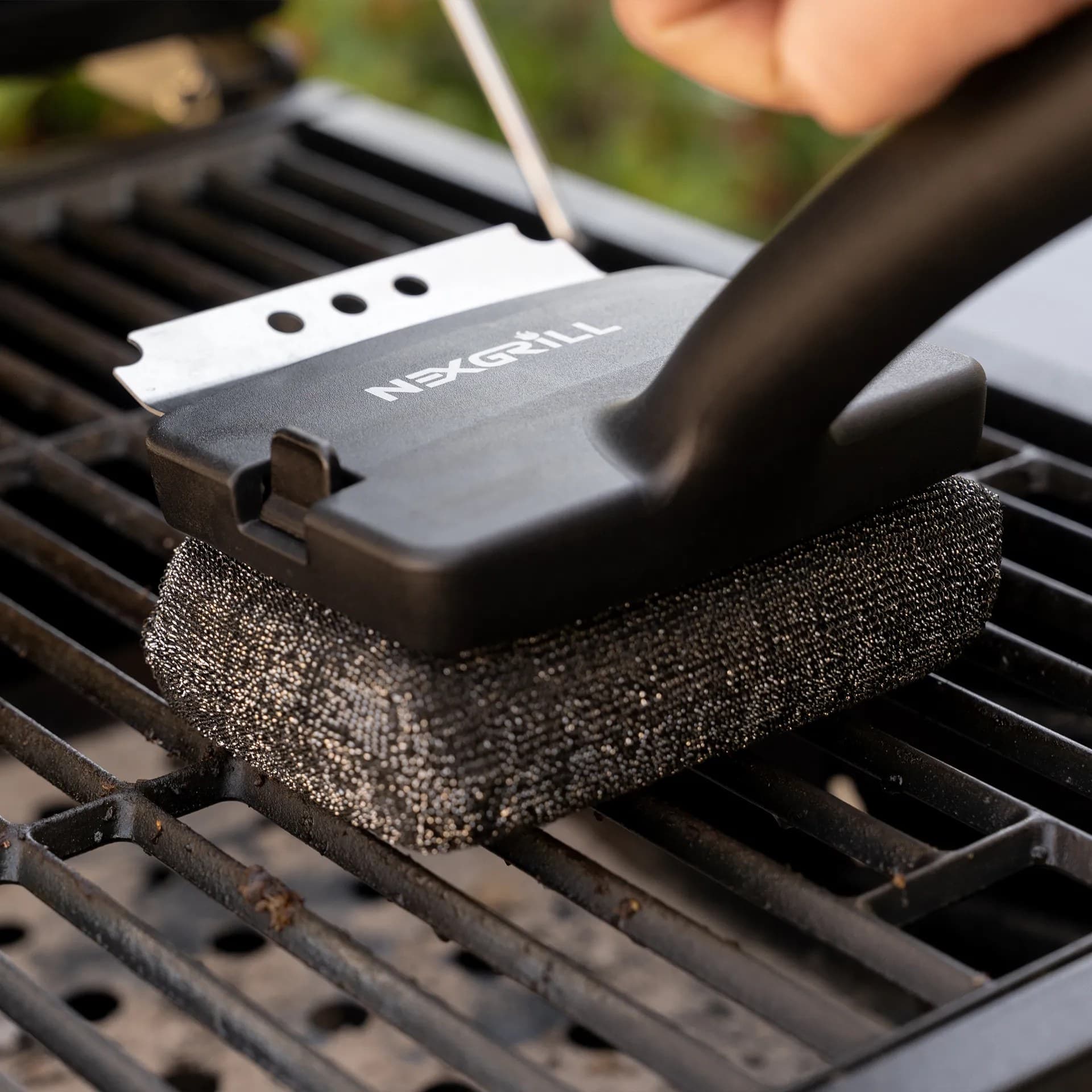
Helpful articles covering grilling tools, cookware, maintenance gear, and must-have accessories for outdoor cooking.
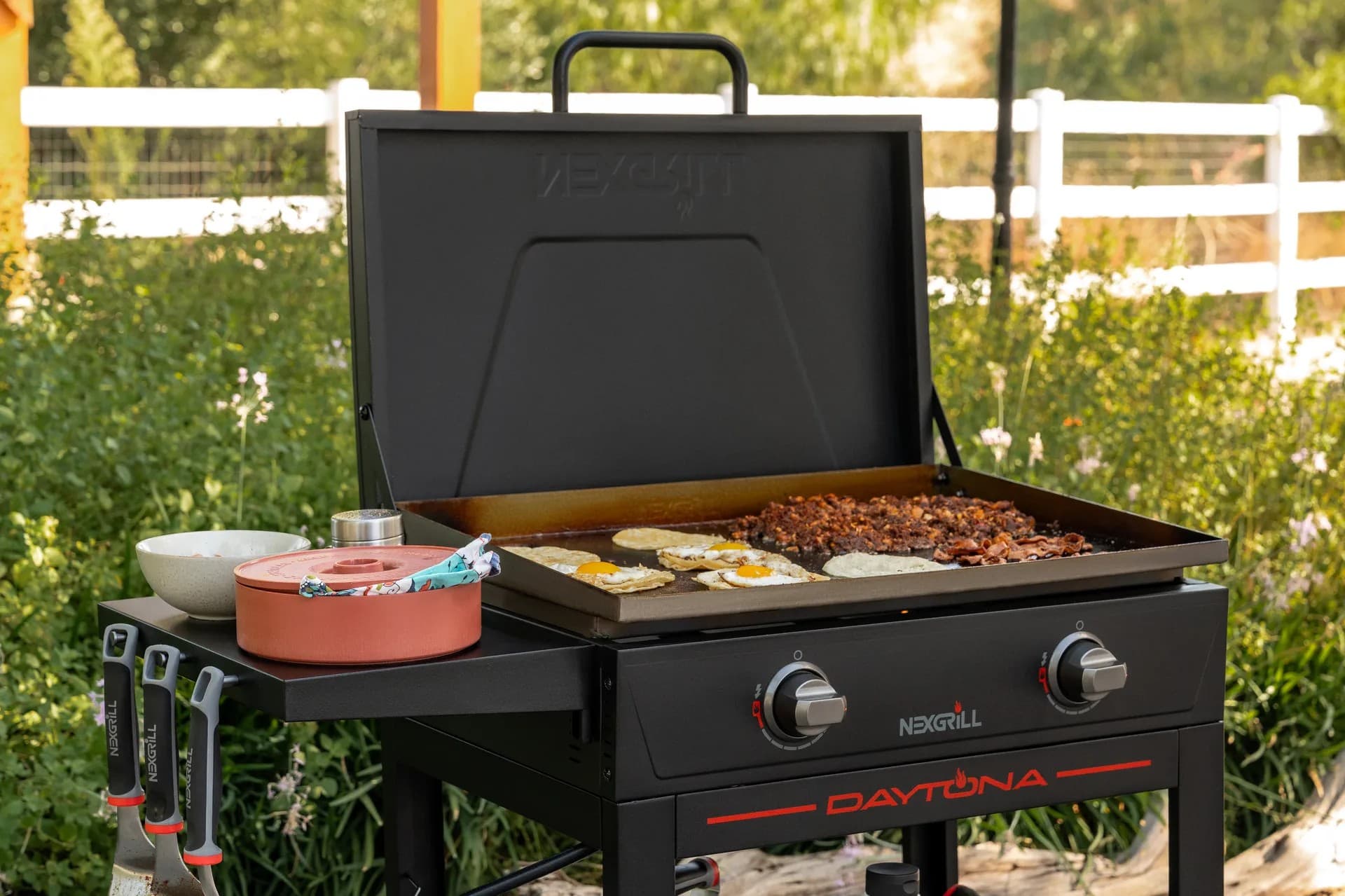
Find griddle recipes, cooking techniques, cleaning tips, and outdoor meal ideas designed for Nexgrill griddles.
Find answers to common questions
Nexgrill offers a variety of gas grills, including standard models, portable options, and premium designs with advanced features. Each is designed to cater to different grilling needs and preferences.
To clean your Nexgrill gas grill, regularly scrape down the grates, empty the grease tray, and wipe down exterior surfaces. Consult your model's manual for specific maintenance instructions and recommended cleaning products.
Nexgrill gas grills are designed to use either propane or natural gas, depending on the model. Ensure you read the specifications to determine the appropriate fuel type for your grill.
Many Nexgrill models can be converted from propane to natural gas with a conversion kit. Check the owner's manual for compatibility and details on the conversion process.
If your Nexgrill gas grill is not lighting, first check the fuel supply, ensure the gas lines are free of obstructions, and verify that the igniter is functioning. Consult the user manual for troubleshooting tips specific to your model.
In This Article
Price Ranges
Top Brands Compared
User Insights
A 3-burner gas grill with a griddle sits in a sweet spot that many backyard cooks now prefer: it gives you enough burner power for real weeknight cooking, but it also adds the flat-top flexibility that makes breakfast, smash burgers, fajitas, and sautéed vegetables easier to manage. For shoppers comparing 3-burner-gas-grill-with-griddle-price options, the challenge is not just finding the lowest sticker price. It is understanding which features actually affect cooking results, how much you are paying for the griddle setup itself, and whether the added surface is worth it compared with a standard grate-only grill.
That matters because 3-burner models are often bought by households that want one grill to do more than a single job. A family may need enough room for burgers and corn at dinner, then want the same unit to handle pancakes on Saturday morning. A host may want the direct heat of gas burners for steaks, but also the gentler, more even contact cooking that a griddle provides for chopped onions, eggs, bacon, or delicate seafood. The griddle changes the whole buying conversation: you are no longer just comparing BTUs and cooking grates, you are comparing cooking styles.
A 3-burner grill with a griddle is usually bought for versatility first and searing power second. If you only cook steaks, a griddle may be extra surface you will not use.
Nexgrill’s broader brand approach reflects that practical, value-minded mindset: accessible pricing, flexible cooking formats, and products designed for both casual cooks and more experienced grillers. That is useful context here because price should be read as a package of cooking capacity, build quality, and real-world convenience rather than as a single number on a product page. The best purchase is often the one that fits the way you actually cook, not the one with the biggest feature list.
In the United States, 3-burner gas grills with griddle features commonly fall into a broad middle-market range, often from about USD 250 to USD 700, with some premium or larger-format models priced higher once a cart, cover, side shelves, cast-iron components, or a heavier lid are included. At the lower end, you are usually paying for a simpler frame, thinner metal, and fewer convenience features. In the middle, the price typically reflects better ignition systems, sturdier carts, improved heat distribution, and a griddle plate or insert that is large enough to matter in everyday use. At the higher end, the grill often comes with more durable construction, larger cooking areas, and a more polished ownership experience.
Common U.S. price band for 3-burner gas grills with griddle functionality, before taxes and delivery
Several factors push the price up or down. The first is whether the griddle is a full integrated top, a reversible plate, or a smaller accessory insert. A full griddle top usually costs more because it replaces more of the cooking system and needs a more robust body to support it. The second factor is construction quality. Powder-coated steel and thinner stamped parts tend to reduce price, while stainless steel accents, heavier lids, and better cart framing increase it. The third factor is heat management. Models that spread heat more evenly across three burners and the griddle surface are often priced above entry-level units because they are more useful for mixed cooking.
Retailer pricing also matters. Big-box store promotions, seasonal clearance, and online-only bundles can change the apparent value dramatically. A grill listed at USD 399 may become the better buy than a USD 349 model if it includes a cover, side burner, or better warranty terms. On the other hand, an attractive bundle can hide a weaker cart, shallow griddle plate, or awkward cleanup design. That is why comparing the total ownership package is smarter than comparing shelf price alone.
| Price band | Typical build profile | Best fit |
|---|---|---|
| USD 250-350 | Basic cart, lighter materials, modest griddle surface | First-time buyers, occasional weekend grilling |
| USD 351-550 | Better ignition, sturdier frame, more usable griddle area | Families who cook several times a week |
| USD 551-700+ | Heavier lid, improved finish, stronger heat control, accessories | Frequent entertainers and buyers seeking long-term value |
If you are trying to decide whether a griddle is worth the premium, compare the extra cost against how often you cook foods that benefit from flat-top heat. For many households, an added USD 50 to USD 150 over a comparable standard grill is easy to justify if it replaces a separate countertop griddle or broadens the menu enough to reduce weeknight cooking friction.
The most important part of pricing is learning which features truly justify the number on the tag. A 3-burner gas grill with a griddle should be judged by how well the components work together. Burner count alone does not tell the full story, because three burners can feel small or surprisingly capable depending on ignition quality, cooking surface layout, and how the griddle channels heat.
Three burners are especially useful because they give you more control over heat zones than a compact two-burner setup. With the griddle in place, one side can be held hotter for searing onions or crisping breakfast potatoes while the other side stays gentler for eggs, tortillas, or warming buns. That flexibility is part of the price equation: a grill that distributes heat evenly across all three burners can cook more consistently and reduce hot spots that burn food on one end of the griddle.
A heavier griddle usually costs more, but it also tends to hold heat better and recover faster when cold food hits the surface. Thin steel can be fine for occasional use, yet it may warp sooner and respond unevenly under repeated high-heat cooking. When comparing prices, look closely at whether the griddle is a solid plate, a coated insert, or a reversible component. The difference affects both performance and cleanup.
Side shelves, utensil hooks, cabinet space, and a well-designed grease management system may not sound glamorous, but they change the daily experience. A lower-priced model can appear affordable until you add accessories to make it practical. In contrast, a slightly pricier grill with built-in prep space may save money because it removes the need for extra outdoor tables or trays.
Reliable ignition is one of the most underrated features in this category. Electronic ignition, clear control knobs, and responsive valves matter when you are switching between direct grilling and griddle cooking. A model that starts easily and holds stable heat is more valuable than one with a flashy finish but inconsistent temperature behavior.
Do not overpay for burner count alone. On a griddle grill, heat consistency, plate thickness, and grease handling often matter more than raw BTU claims.
The griddle is what makes this category different from a standard 3-burner grill. It expands the cooking menu in a way that many households end up using far more often than expected. Instead of relying on grill grates for everything, a griddle gives you a flat, continuous surface that is better for ingredients that would otherwise fall through grates or cook unevenly. That includes chopped vegetables, eggs, bacon, fried rice, quesadillas, shrimp, hash browns, and delicate fish portions.
Another advantage is speed. A griddle can cook multiple small items at once without requiring foil pans or separate cookware, which helps when you are feeding a group with mixed preferences. It is especially useful for breakfast and brunch because it keeps pancakes, sausage, and eggs on one surface instead of sending the cook back and forth between indoor and outdoor kitchens. For family cooks, that convenience is often the real value behind the price.
Griddles also support better flavor development in foods that benefit from direct contact and rendered fat. Smash burgers, for example, depend on a hot flat surface to create the crust that grill grates cannot replicate as easily. If you enjoy that style of cooking, a 3-burner gas grill with a griddle can save you from buying a separate appliance.
If your household cooks breakfast outdoors even twice a month, the griddle usually earns its keep quickly because it replaces multiple pans and speeds up prep.
Try comparing two products side by side below to see which fits best:
Once you have compared two options side by side, the next step is separating headline features from actual day-to-day usefulness. In this category, the strongest models are not always the ones with the longest spec sheet. They are the ones that make it easier to move from grilling to griddling without frustration, and the ones that hold up through repeated use during peak season. That is why the best comparisons focus on cooking surface shape, cart stability, ease of cleaning, and how the grill performs across mixed menus rather than on marketing language alone.
| Model type | Why it stands out | Typical value signal |
|---|---|---|
| Royal Gourmet 3-burner griddle combo | Often emphasizes flat-top space and approachable pricing | Good entry point for casual backyard cooking |
| Char-Griller 3-burner griddle setup | Known for rugged feel and versatile cooking formats | Often chosen by buyers who want durability first |
| Pit Boss 3-burner griddle grill | Frequently appeals to cooks who want a larger, flatter workspace | Strong fit for frequent breakfast and smash burger use |
Royal Gourmet-style models tend to attract buyers who want the griddle concept without pushing too far into premium pricing. These are often attractive for families who cook a few times a week and want to test whether flat-top grilling becomes a regular habit. Char-Griller-style options usually appeal to shoppers who care about sturdier construction and a more traditional backyard grill feel, even if the griddle is not the largest in the category. Pit Boss-style units are often discussed by users who value a broad cooking canvas and want a setup that can handle both breakfast batches and evening sears with minimal rearranging.
Across all three brand families, the smartest comparison is not “which one is cheapest?” but “which one is cheapest after I include what I will actually need?” A grill that runs slightly more expensive but includes a better cart, stronger griddle coverage, and a cleaner grease path may end up being the better value over time. On the other hand, a lower-cost grill can be the right answer if you only need an occasional griddle for weekend use and do not want to pay for a larger build than your patio requires.
User reviews tend to highlight the same practical themes again and again: heat consistency, how easy the griddle is to clean, whether the surface is large enough for the number of people they cook for, and whether the ignition system works reliably after repeated use. In product feedback, buyers often praise a grill when it turns out to be more flexible than expected, especially if it can handle both traditional grilling and flat-top meals without a complicated setup.
The most helpful testimonials usually come from households that describe how the grill changed their routine. A parent might note that pancakes and sausage now happen outdoors on Sunday mornings. Another buyer may mention that smash burgers cook faster and more evenly than on a grate-only model. Someone else may point out that the griddle is ideal for vegetables and sandwiches because it reduces the need to juggle skillets indoors. Those real-use comments are more useful than a generic star rating because they reveal whether the product solves a meaningful cooking problem.
Best value usually comes from the model that gets used in more ways, not the model with the most claims. If the griddle becomes part of your weekly menu, the price starts to look much better.
For best-value shoppers, the recommendation is to prioritize midrange 3-burner units with a full-size griddle surface and dependable ignition over the cheapest possible price. For occasional users, a lighter-duty option can still make sense if it is easy to store and quick to set up. For frequent entertainers, a sturdier model with better heat management is worth the extra spend because it lowers frustration during longer cooking sessions.
Accessories influence both price and long-term satisfaction. A good cover is one of the first purchases to consider because a griddle-top grill has more exposed surface area to protect. Tool hooks, long-handled spatulas, scraping tools, a squeeze bottle for oil, and a grill-safe press can all make griddle cooking easier and cleaner. If the model has removable griddle components, check whether replacement parts are easy to source before buying. That detail can matter more than people expect.
Maintenance is straightforward but important. The griddle should be cleaned while it is still warm so residue does not harden. Use a scraper to remove food bits, then wipe the surface lightly with oil to help protect the metal. Burners and ignition components should be inspected periodically, especially if the grill sits outside through changing weather. If the grill uses a drip tray or grease cup, empty it regularly to avoid buildup and flare-up risk.
A well-fitted cover and simple after-use cleaning routine can extend the life of a griddle grill more than any single premium feature.
If you store the grill for the off-season, clean and dry the griddle fully before covering it. Moisture trapped under a cover can lead to rust spots on steel surfaces. That is especially relevant in humid parts of the United States and in regions with frequent temperature swings.
A 3-burner gas grill with a griddle is best understood as a versatility purchase. The price makes sense when the extra surface actually gets used for breakfast, smash burgers, vegetables, and mixed-family meals. Compare heat control, griddle thickness, storage, and included accessories before you buy, and you will have a much better chance of finding the model that gives you the strongest value for your budget.
Here's what sets us apart
We position ourselves as delivering high-end outdoor cooking features and performance without premium-brand pricing, emphasizing “Quality Grills. Unbelievable Value.”
We offer gas grills, pellet grills, griddles, smokers, pizza ovens, portable/tabletop grills, electric grills, accessories, and replacement parts — allowing customers to stay within one ecosystem for all outdoor cooking needs.
We differentiate ourselves through smart grilling products like the Oakford smart pellet grill, including app-connected cooking controls and modern outdoor cooking technology.
Don't just take our word for it
Keep reading
From our catalog