Your Ultimate Guide to 24-Inch Heavy-Duty Charcoal Grills
Discover features, comparisons, and tips for choosing the best charcoal grill.
In This Article
Essential Features
Model Comparisons
User Reviews
Introduction to 24-Inch Heavy-Duty Charcoal Grills
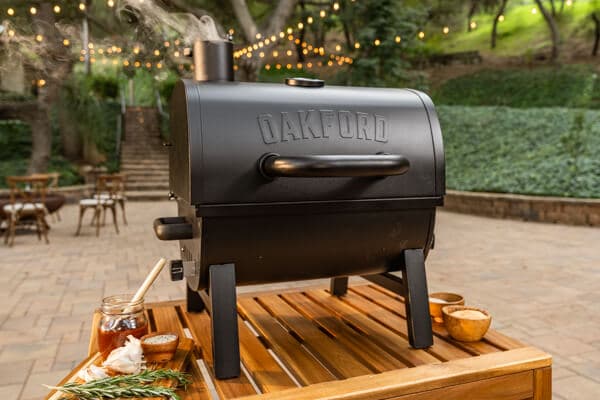
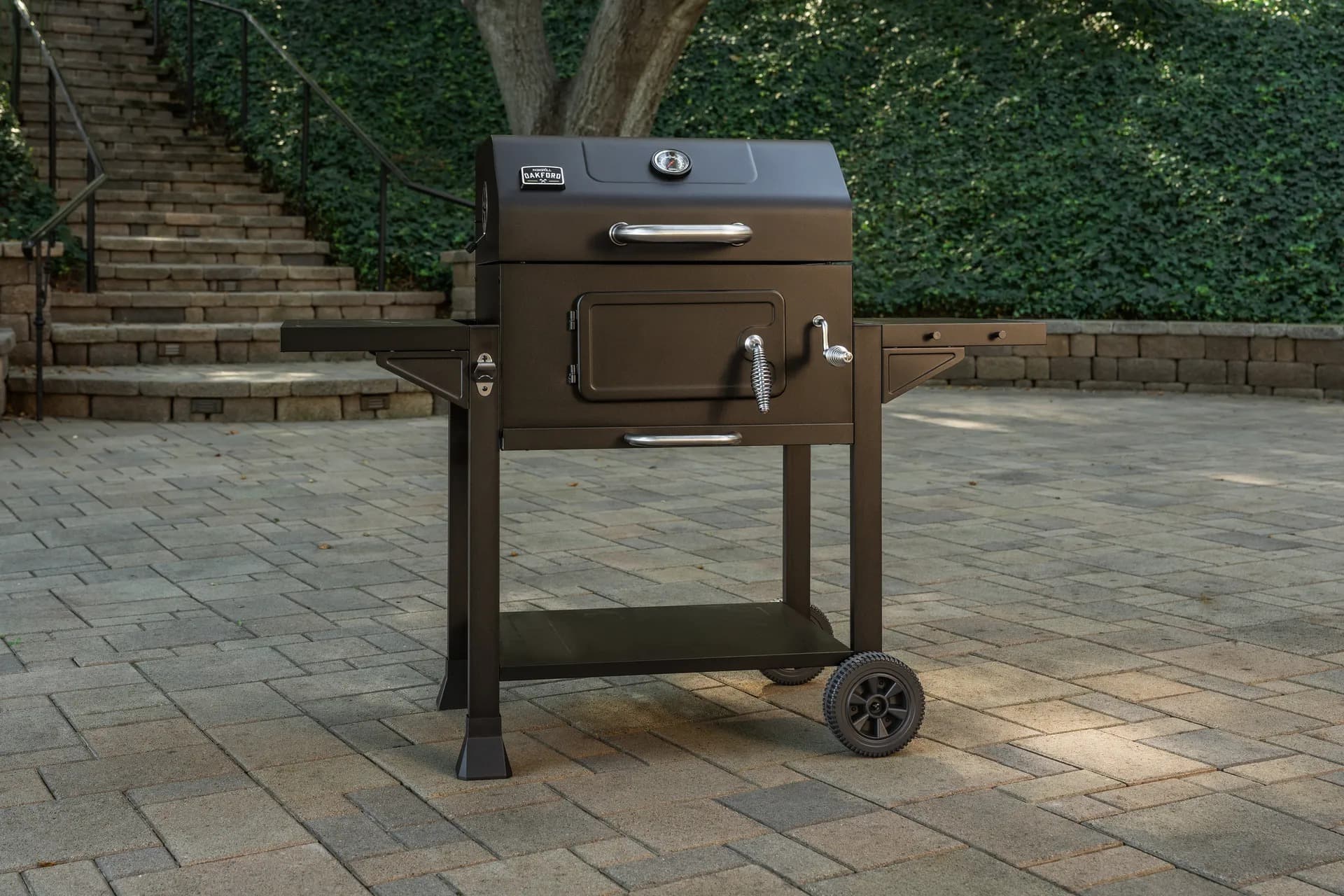
A 24-inch heavy-duty charcoal grill sits in a very practical sweet spot for outdoor cooks who want real charcoal flavor without moving into oversized, hard-to-manage equipment. For many U.S. buyers, this size is large enough to handle family dinners, weekend gatherings, and mixed foods like chicken, vegetables, and steaks at the same time, yet still compact enough to fit on a patio or deck without dominating the space. The “heavy-duty” part matters just as much as the 24-inch cooking width. It usually points to thicker steel, sturdier legs or cart framing, better airflow hardware, and a body that is less likely to warp when exposed to repeated high heat.
That combination is why this category attracts two very different shoppers. One group wants dependable backyard performance at a sensible price. The other wants a charcoal grill that can stand up to frequent use, repeated cleaning, and weather exposure. Nexgrill’s broader product lineup shows how consumers tend to value practical outdoor cooking hardware that balances durability with approachable ownership, and that same logic applies here. Buyers are not just choosing a grill size; they are choosing how much stability, heat control, and cleanup convenience they want every time they cook. Nexgrill’s product collection reflects that broader outdoor cooking mindset across grills and griddles, giving shoppers a benchmark for comparing formats and build styles.
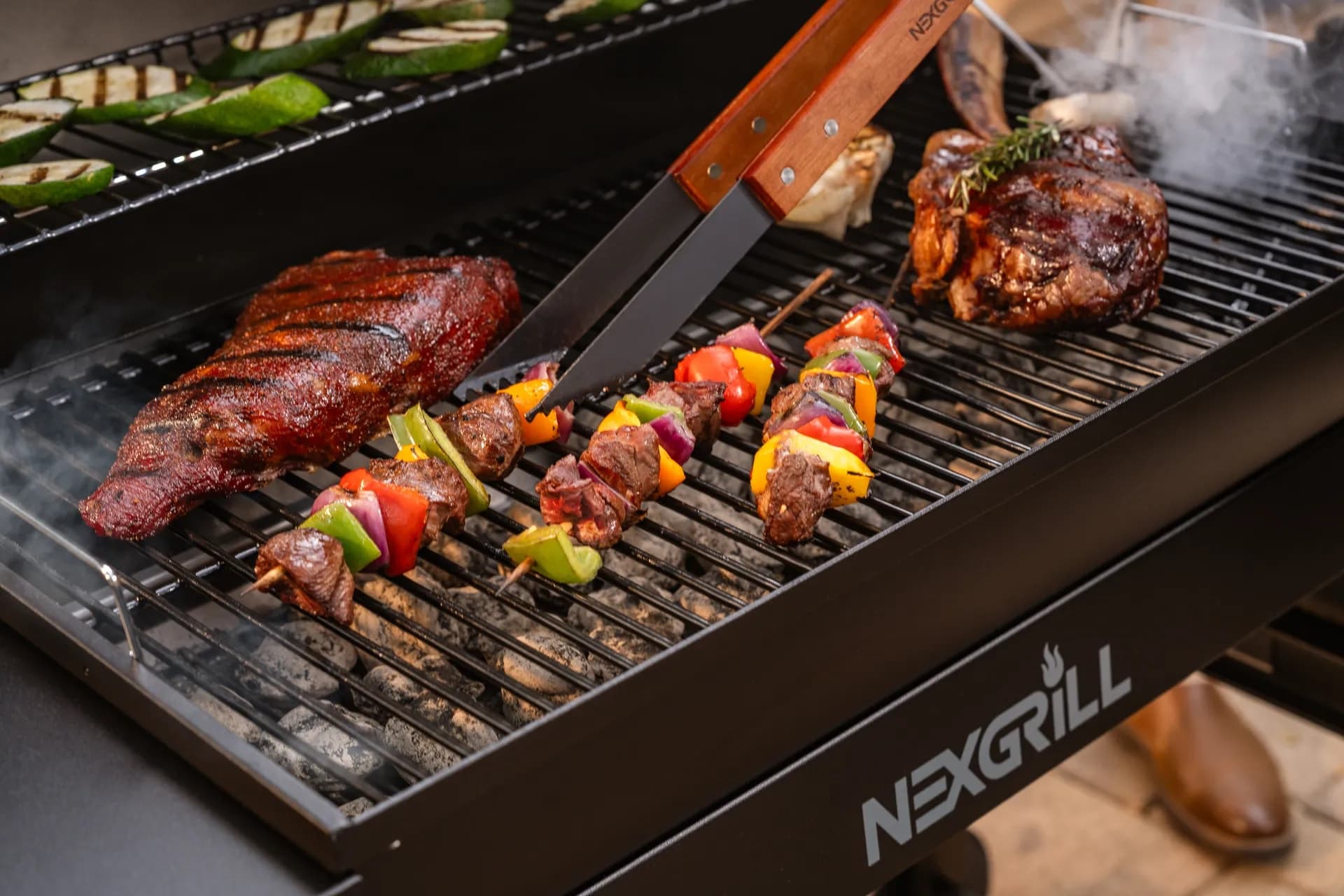
A 24-inch charcoal grill is also appealing because it tends to be honest about what charcoal does best: strong direct heat, the ability to build zones with coals, and a flavor profile that is still hard to match with other fuel types. The right heavy-duty model should help you do more than sear burgers. It should let you bank coals for indirect cooking, hold steady enough for longer roasts, and resist the kind of bending or rusting that shortens the life of cheaper cookers. Consumer Reports’ charcoal grill buying guidance emphasizes the importance of judging construction, temperature management, and usability together rather than focusing on a single spec.
A versatile size for family grilling and real charcoal zone cooking in typical U.S. backyard spaces.
Key Features of Heavy-Duty Charcoal Grills
When shoppers compare heavy-duty charcoal grills, the most useful question is not “How big is it?” but “What will actually make it easier to cook well over time?” In this category, the key features that matter most are cooking area, coal management, lid design, vent placement, grate strength, and how easily the grill can be cleaned after a full cook. A 24-inch cooking surface often provides enough room to separate hot and cooler zones, which is one of charcoal grilling’s biggest advantages. That flexibility is especially helpful when one part of the meal needs a hard sear and another part needs gentler heat.
Heavy-duty models also tend to include a deeper firebox or a reinforced charcoal tray, both of which can improve fuel stability. In practice, that means you are less likely to see a grate sag under weight or a thin body lose heat too quickly on windy days. If you grill in a region with frequent temperature swings, that extra mass and structure can make your cooking experience more predictable. The Kitchn’s charcoal grill roundup reinforces a common buyer lesson: the best charcoal grills are not just about raw size; they are about dependable heat behavior and ease of use in real cooking conditions.
Another feature worth paying attention to is how the grill handles ash and airflow. A well-designed charcoal grill should give you room to move air in and out of the firebox without forcing you to dismantle half the unit mid-cook. Adjustable vents, removable ash systems, and well-positioned dampers help you maintain the fire, but they also reduce the effort required after cooking. Heavy-duty construction does not automatically mean a better experience if the airflow controls are awkward or the ash cleanup is messy. The best models make these small tasks feel natural rather than burdensome.
| Feature | Why it matters | What to look for |
|---|---|---|
| Cooking surface | Determines how much food you can manage at once | Enough room for direct and indirect zones |
| Body thickness | Helps resist warping and heat loss | Sturdy steel or cast components |
| Vents and dampers | Supports temperature control | Easy-to-adjust intake and exhaust airflow |
| Ash management | Affects cleanup and airflow consistency | Simple ash removal or accessible tray design |
Material and Build Quality
Material quality is where many first-time buyers underappreciate the difference between an entry-level charcoal grill and a truly heavy-duty one. A 24-inch charcoal grill may look similar across retail listings, but the way it is constructed can drastically change how long it lasts and how well it holds heat. Thicker steel bodies generally feel more stable, especially when the grill is loaded with hot coals and a full grate of food. Better lids and fireboxes also tend to seal more consistently, which is important when you want to hold temperature for longer cooks instead of chasing constant flare-ups or heat drops.
On the user side, durability usually shows up in very specific ways. Owners notice whether hinges stay aligned after repeated use, whether the grate rusts quickly, whether the legs wobble on uneven ground, and whether the lid warps after high-heat sessions. These are the details that separate a grill that feels disposable from one that feels like a long-term backyard fixture. If you are shopping in the United States, think beyond the first season. Humidity, sudden rain, snowmelt, and storage on uncovered patios all punish lighter materials. That makes corrosion resistance and fit-and-finish more important than many spec sheets suggest.
Tip: When comparing 24-inch heavy-duty charcoal grills, check the lid seal, grate thickness, and cart stability before you focus on accessories. Those three details usually tell you more about real durability than decorative trim.
A strong frame matters as much as the firebox. If the cart or base flexes under load, the grill can feel unstable when you open the lid, move the cooking grate, or work with a chimney starter nearby. In short, the best 24-inch heavy-duty charcoal grill should feel like a tool, not a temporary appliance. It should look ready for repeated use, not just a single season of backyard events.
Temperature Control Features
Temperature control is where charcoal grills earn their reputation, but it is also where build quality becomes most visible. A 24-inch heavy-duty charcoal grill should make it easier to set up direct heat, indirect heat, and lower-temperature zones by moving coals rather than fighting them. The vents help you fine-tune the burn, but the body design determines how much of that heat stays where you want it. A well-designed grill gives you enough control to sear steaks hot and fast, then back off for chicken thighs or thicker cuts that need time to finish without burning.
In practical terms, good temperature control depends on three things: airflow, lid management, and coal layout. Air intake feeds the fire. Exhaust vents help release hot air and smoke. The lid either supports a stable cooking environment or leaks heat through poor fit. If the lid seals well and the vents respond predictably, you have a much better chance of repeating your results from one cook to the next. That repeatability is one of the biggest reasons buyers should read user feedback carefully. Reviews often reveal whether a grill runs hotter on one side, whether the vents are smooth or sticky, and whether the body holds heat long enough for an entire meal.
For readers comparing options, the real goal is not perfect precision like an indoor oven. It is practical control. You want a grill that helps you recover from a small flare-up, keep the lid closed without losing all your heat, and shift between cooking styles without turning the cook into a constant struggle. Try comparing two products side by side below to see which fits best:
Top Models Comparison
Once you have compared two options side by side, the next step is figuring out which 24-inch heavy-duty charcoal grill matches your real cooking habits. For this category, the strongest comparisons usually come down to structure, vent behavior, coal access, grate durability, and how much effort the grill asks from you during cleanup. That is why shoppers often look at names like Expert Grill and Royal Gourmet alongside other heavy-duty charcoal models: they want to know which one feels more stable, which one is easier to manage, and which one keeps performing after repeated weekends of use.
Because manufacturers often package similar-looking grills differently, it helps to compare them by use case instead of assuming that every 24-inch model serves the same purpose. For a buyer who mostly cooks burgers, sausage, and quick vegetables, a lighter-feeling unit with decent airflow might be enough. For someone who regularly cooks brisket-style cuts, spatchcock chicken, or large family meals, a heavier cart, more secure lid, and easier ash handling will matter much more. The table below focuses on the practical trade-offs shoppers usually notice first.
| Model style | Best for | Common strengths | Typical trade-offs |
|---|---|---|---|
| Expert Grill 24-inch-style charcoal units | Budget-conscious shoppers | Accessible price point, simple operation | May feel lighter and less refined under frequent use |
| Royal Gourmet 24-inch-style charcoal units | Buyers wanting more features | Often includes thoughtful airflow or prep features | Can require more assembly and careful cleaning |
| Heavy-duty cart charcoal grills | Frequent backyard cooking | Better stability, stronger heat retention | Usually costs more and weighs more |
In many real-world reviews, Expert Grill-style models are appreciated because they are approachable and easy to buy, especially for households that want an affordable charcoal setup without overcommitting. The upside is straightforward ownership. The downside can be less refined temperature behavior or a lighter body that does not feel as confidence-inspiring after several seasons. Royal Gourmet-style grills often appeal to shoppers who want more cooking flexibility or a more feature-rich package, but that can come with extra assembly steps and more parts to maintain. Heavy-duty cart-style grills sit closer to the serious backyard cook’s preference: they tend to feel more stable, hold heat better, and handle regular use with less wobble and flex.
Warning: A lower sticker price can hide costs in replacement grates, rust faster than expected, or a base that wears out early. Think in seasons of use, not just checkout price.
If you are choosing between models, decide whether you are buying for occasional cookouts or for repeated, high-heat charcoal sessions. The occasional griller can prioritize value and size. The frequent griller should prioritize airflow consistency, thicker metal, and a base that stays aligned when the grill is hot, loaded, and moved around the yard.
User Reviews & Feedback
User feedback is one of the most useful ways to judge a 24-inch heavy-duty charcoal grill, because it reveals how the grill behaves after the excitement of unboxing fades. In reviews, buyers repeatedly focus on whether the grill holds heat well enough for a full meal, whether the wheels and cart stay stable, and whether the ash system makes cleanup manageable. The most satisfied owners usually describe the grill in practical terms: it lights predictably, cooks enough food for the family, and does not feel flimsy when the lid is opened or closed.
A common theme in positive reviews is that a heavy-duty grill feels more trustworthy during longer cooks. People notice when the grate stays level, when the charcoal bed responds well to vent adjustments, and when the grill does not develop obvious hot spots too quickly. On the other hand, negative feedback often centers on assembly frustration, thin metal that loses heat too easily, or rust issues when the grill is stored outdoors without a cover. Those complaints are not minor; they usually determine whether the owner keeps using the grill or starts shopping for a replacement sooner than expected.
Another useful pattern appears in reviews from households that cook for mixed audiences. One person may want a quick burger night, while another wants slow-cooked chicken or vegetables. The best-reviewed grills usually manage both without requiring the cook to constantly fight the fire. That versatility is what turns a charcoal grill from a novelty into a dependable backyard tool. In the U.S. market, where many buyers want both value and durability, the most persuasive reviews are the ones that mention season-after-season use, not just a first impression.
Maintenance Tips for Longevity
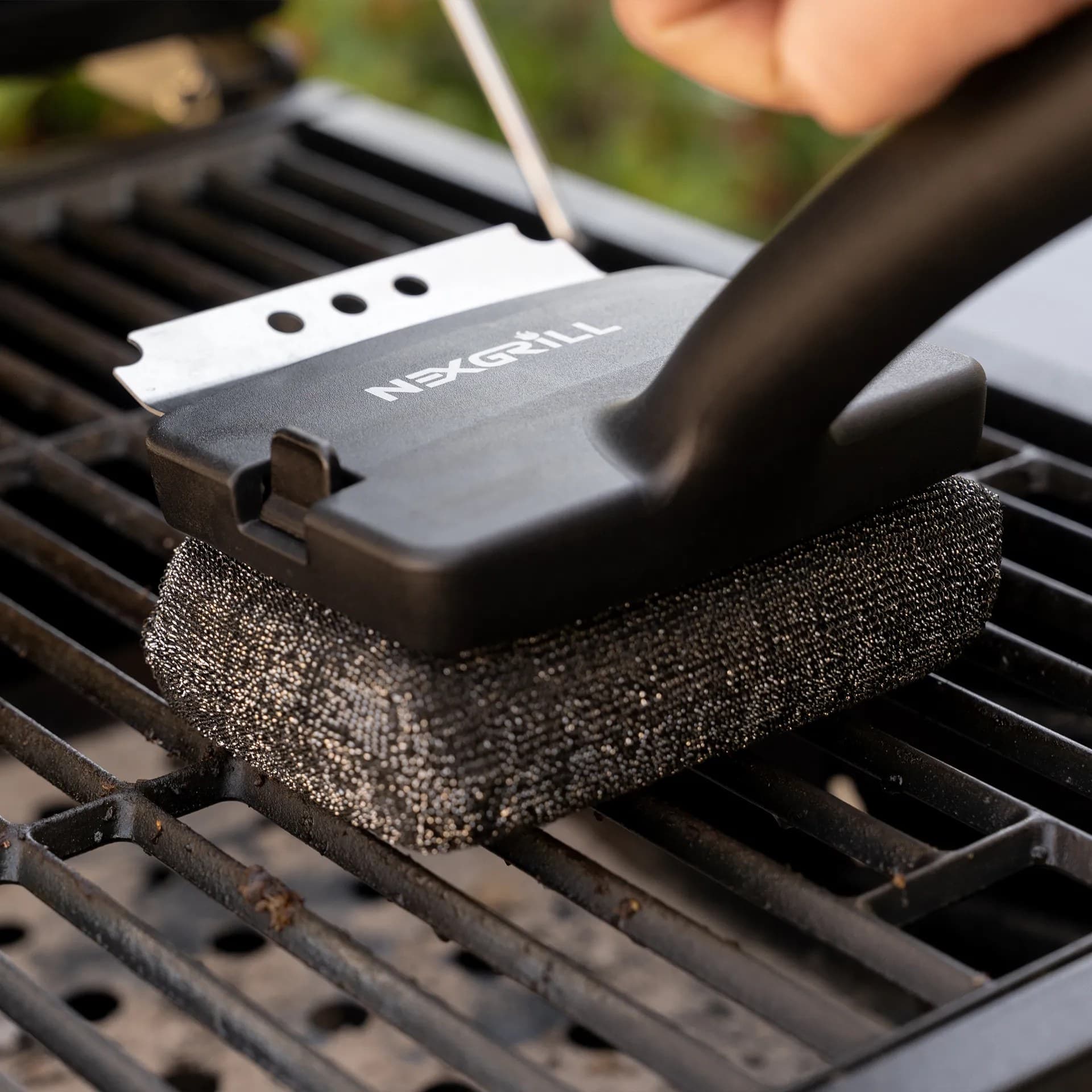
A heavy-duty charcoal grill lasts longer when you treat maintenance as part of the cooking process, not a separate chore. The simplest habit is to clear ash after the grill has cooled completely. Ash left sitting in the base can trap moisture and speed up corrosion. It can also interfere with airflow the next time you cook. Cleaning the grate while it is still warm helps remove residue before it hardens, and a quick brushing after each session prevents buildup that can affect flavor and temperature consistency.
Tip: A fitted cover and a dry storage spot do more for lifespan than most add-on accessories. Protecting the metal from rain and standing moisture is a simple way to reduce rust.
It is also smart to inspect hinges, vents, and fasteners regularly, especially if the grill is moved often. Tightening loose hardware before it becomes a structural issue can prevent uneven lid closing or instability. If your grill has a cart, check the wheels for grit and make sure they roll without strain. For charcoal cooking accessories, a chimney starter, a sturdy ash tool, and a heat-resistant glove can improve both safety and cleanliness. Consumer Reports notes that maintenance and handling are important parts of grill ownership, not just optional extras.
Pricing and Where to Buy
In the United States, a quality 24-inch heavy-duty charcoal grill typically falls into a broad range depending on materials, cart design, and included features. Entry-level models may stay relatively affordable, while sturdier options with heavier steel, better airflow controls, and more convenient cleanup features usually cost more. Shoppers should expect the price to reflect how frequently they plan to use the grill. If you cook only a few times per season, a simpler model may be sufficient. If you grill most weekends, paying more for durability can make better long-term sense.
Where you buy matters too. Large retailers and brand collections often make comparison shopping easier because you can review dimensions, photos, and product details side by side. Nexgrill’s collection page is a useful starting point for seeing how different outdoor cooking products are organized within a real brand ecosystem.
For shoppers comparing across retailers, it helps to confirm whether the listing includes assembly guidance, replacement part availability, and return terms before purchase. Those details can matter as much as the upfront price.
Conclusion
The best 24-inch heavy-duty charcoal grill is the one that fits your cooking style, your outdoor space, and how often you expect to use it. If you want straightforward value, compare model weight, airflow, and cleanup design. If you want a long-lasting backyard staple, look closely at the frame, lid fit, and user reviews that describe real use over time. Compare the models, weigh the trade-offs, and choose the one that will stay easy to cook on after the novelty wears off.