Pellet Grill vs Charcoal Smoker: Which is Right for You?
A detailed comparison to help you choose the best grilling method for flavor, convenience, and cost.
In This Article
Flavor Profiles
Cost Analysis
Cooking Convenience
Introduction
Choosing the right equipment for your outdoor cooking adventures can be challenging. Two popular options are pellet grills and charcoal smokers, each offering unique benefits. This guide will help you understand the differences between these grilling methods, focusing on flavor, convenience, cost, and versatility, to help you make an informed decision.
Flavor Comparison: Pellet vs Charcoal
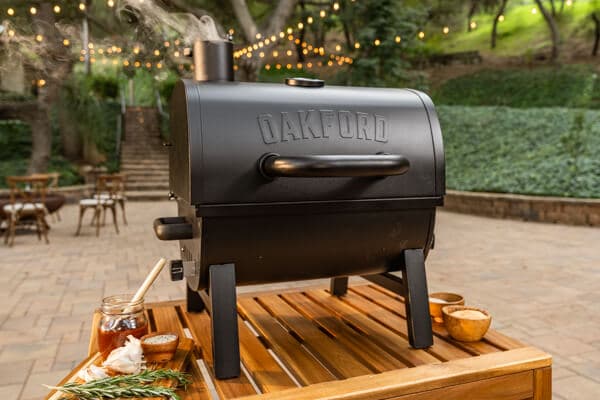
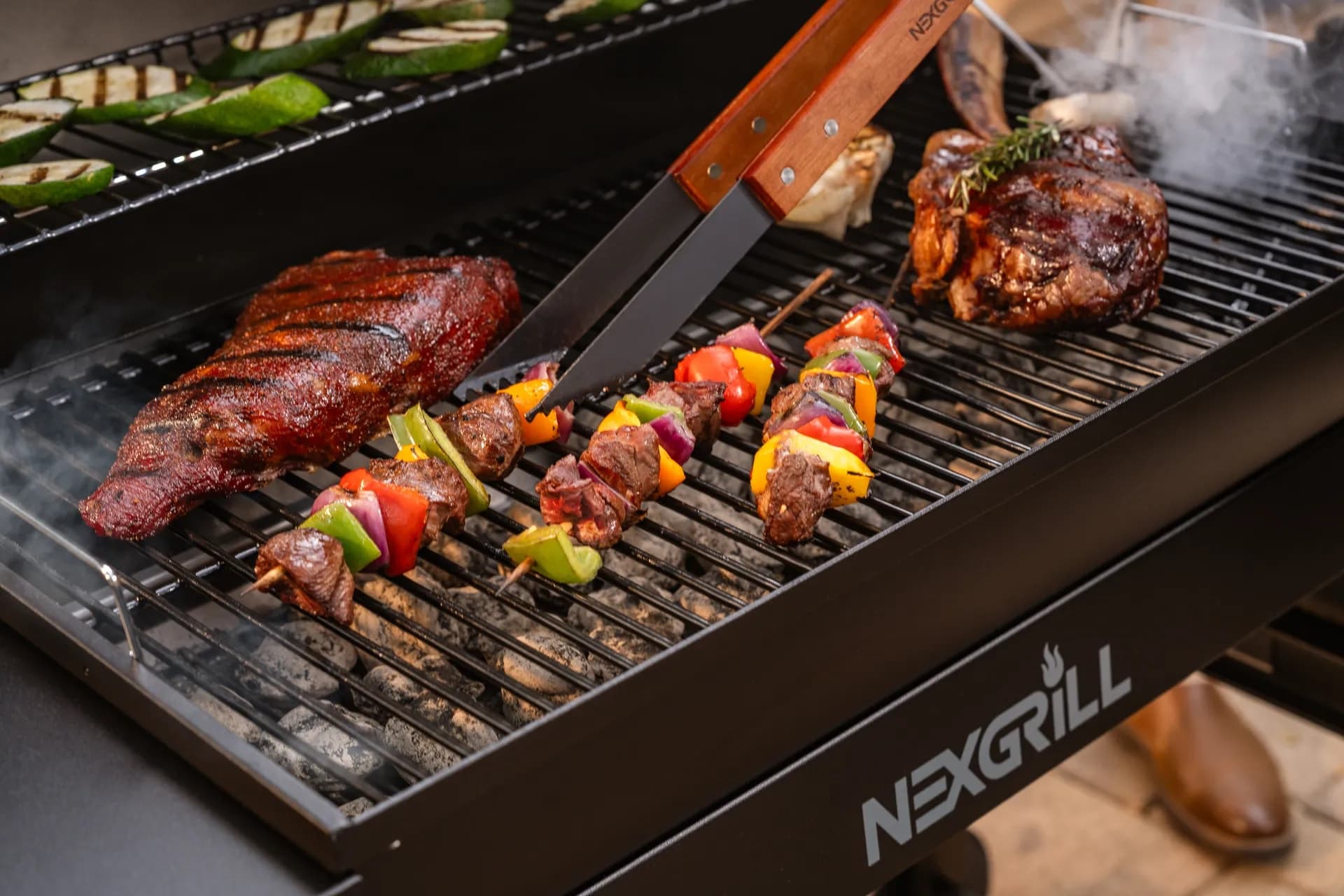
The flavor is a critical factor for many grill enthusiasts. Pellet grills use compressed wood pellets, offering a subtle, consistent smoky flavor that can be enhanced by choosing different wood varieties. Charcoal smokers, on the other hand, are known for their rich, robust flavors that come from the combustion of charcoal and wood chips. According to scientific taste tests, charcoal tends to provide a more intense smoke flavor, ideal for those who enjoy a traditional barbecue taste. However, this requires more skill in managing the heat and smoke levels.
Tip: Experiment with different wood pellets to discover your preferred flavor profile on pellet grills.
Cost Analysis: Initial and Maintenance Expenses
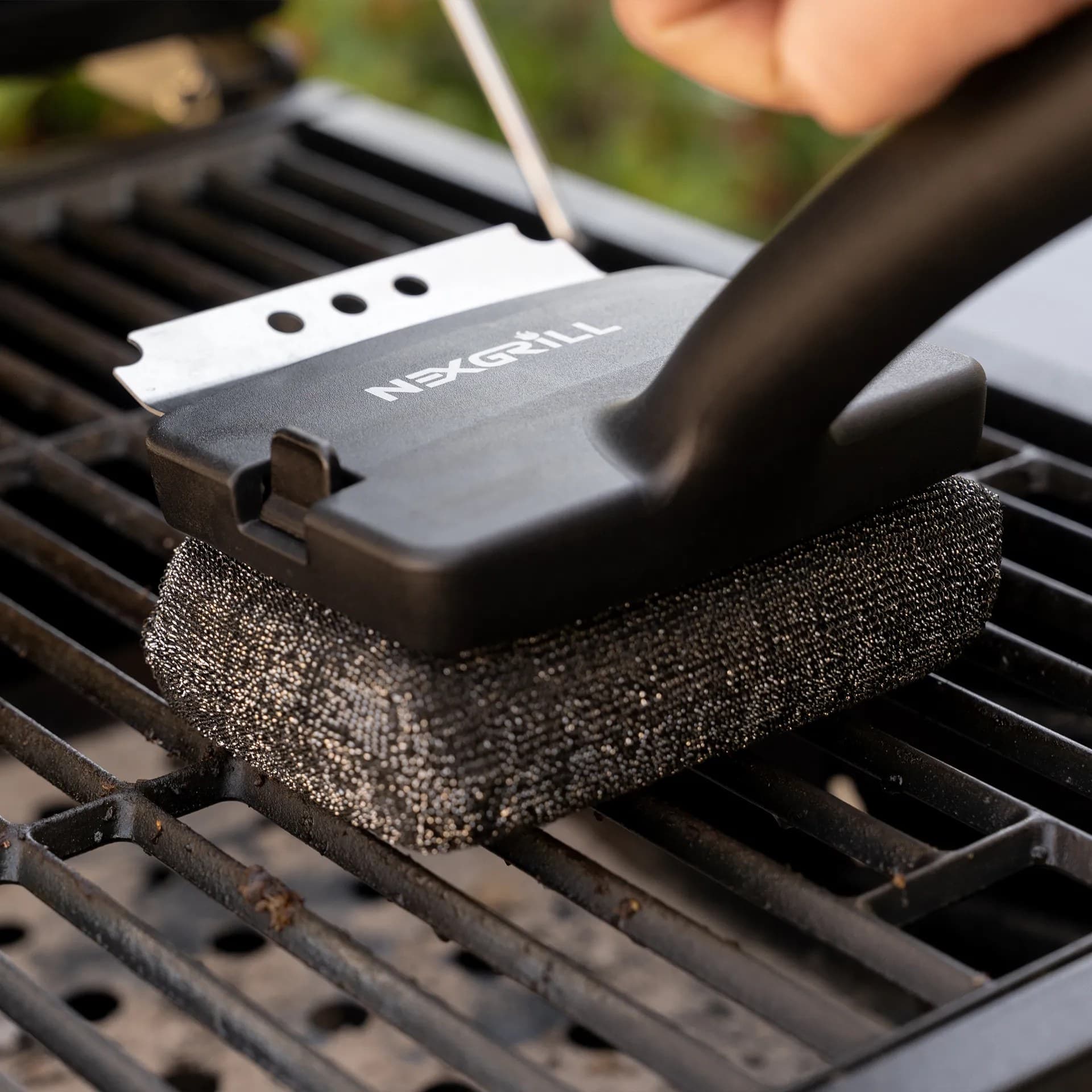
When it comes to cost, both initial investment and ongoing expenses should be considered. Pellet grills generally have a higher initial cost due to their advanced technology and electronic components. Charcoal smokers are often more affordable upfront but require regular purchases of charcoal, which can add up over time. Maintenance is another factor; pellet grills need regular cleaning of the auger and electronic parts, while charcoal smokers require cleaning of ash and residue after each use. Maintenance is another factor; pellet grills need regular cleaning of the auger and electronic parts.
Average initial cost range for charcoal smokers.
Convenience & Versatility: Cooking Techniques
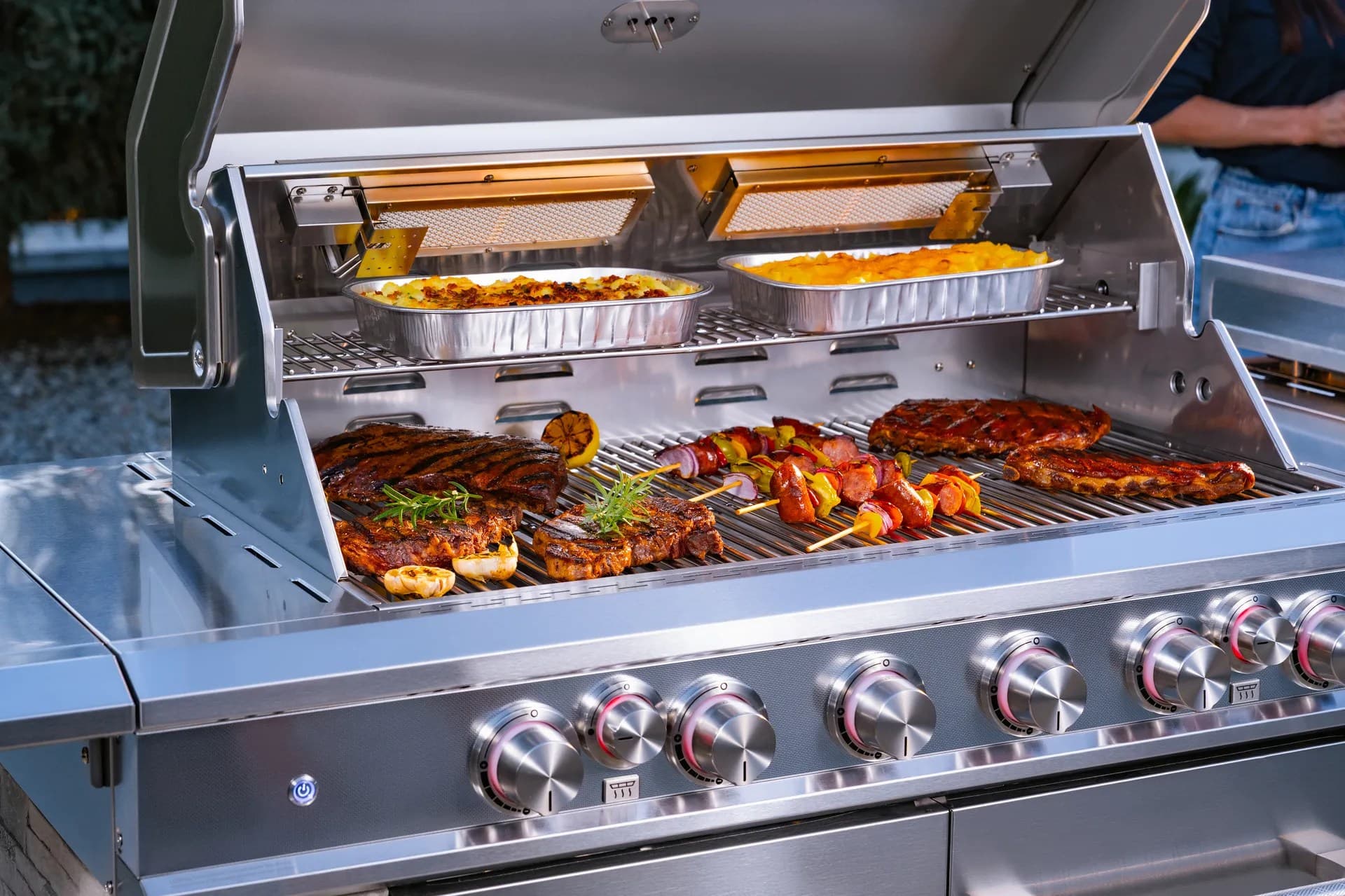
Convenience is key for many grillers. Pellet grills offer precision temperature control, often with digital displays, making them user-friendly and ideal for beginners. They can also function as smokers, grills, or even ovens. Charcoal smokers, while offering superior flavor, require more hands-on management of temperature and airflow. This makes them suitable for enthusiasts who enjoy the process as much as the result. Versatility in cooking methods is a strong point for pellet grills, allowing a wide range of foods to be prepared effortlessly. Understanding the pricing of pellet grills can further help in making an informed choice.
Info: Pellet grills are perfect for low and slow cooking, while charcoal smokers excel in high-heat searing.
User Experiences and Expert Opinions
User testimonials highlight the reliability and ease of use of pellet grills, particularly for those new to outdoor cooking. Many users appreciate the 'set and forget' nature, which allows them to focus on other activities while cooking. Experts often recommend pellet grills for those who prioritize convenience and consistent results. Conversely, charcoal smokers are favored by traditionalists and purists who enjoy the hands-on aspect and the rich flavor it imparts to food. Expert reviews often highlight the skill required to master charcoal cooking, making it a rewarding experience for dedicated grillers.
Warning: Charcoal smokers require constant monitoring to maintain optimal temperature levels.
Final Thoughts and Recommendations
Both pellet grills and charcoal smokers offer unique advantages. If you value convenience and versatility, a pellet grill might be the right choice for you. On the other hand, if you crave authentic smoke flavor and enjoy a more involved cooking process, a charcoal smoker could be more up your alley. Consider your cooking style, flavor preference, and the level of involvement you desire when making your decision. Whichever you choose, both options can provide delicious results and enhance your outdoor cooking experience.
| Aspect | Pellet Grill | Charcoal Smoker |
|---|---|---|
| Flavor | Subtle, varied | Rich, intense |
| Cost | Higher initial | Higher maintenance |
| Convenience | High, user-friendly | Requires skill |