Explore the nuances of grill materials and pricing for the perfect grilling experience.

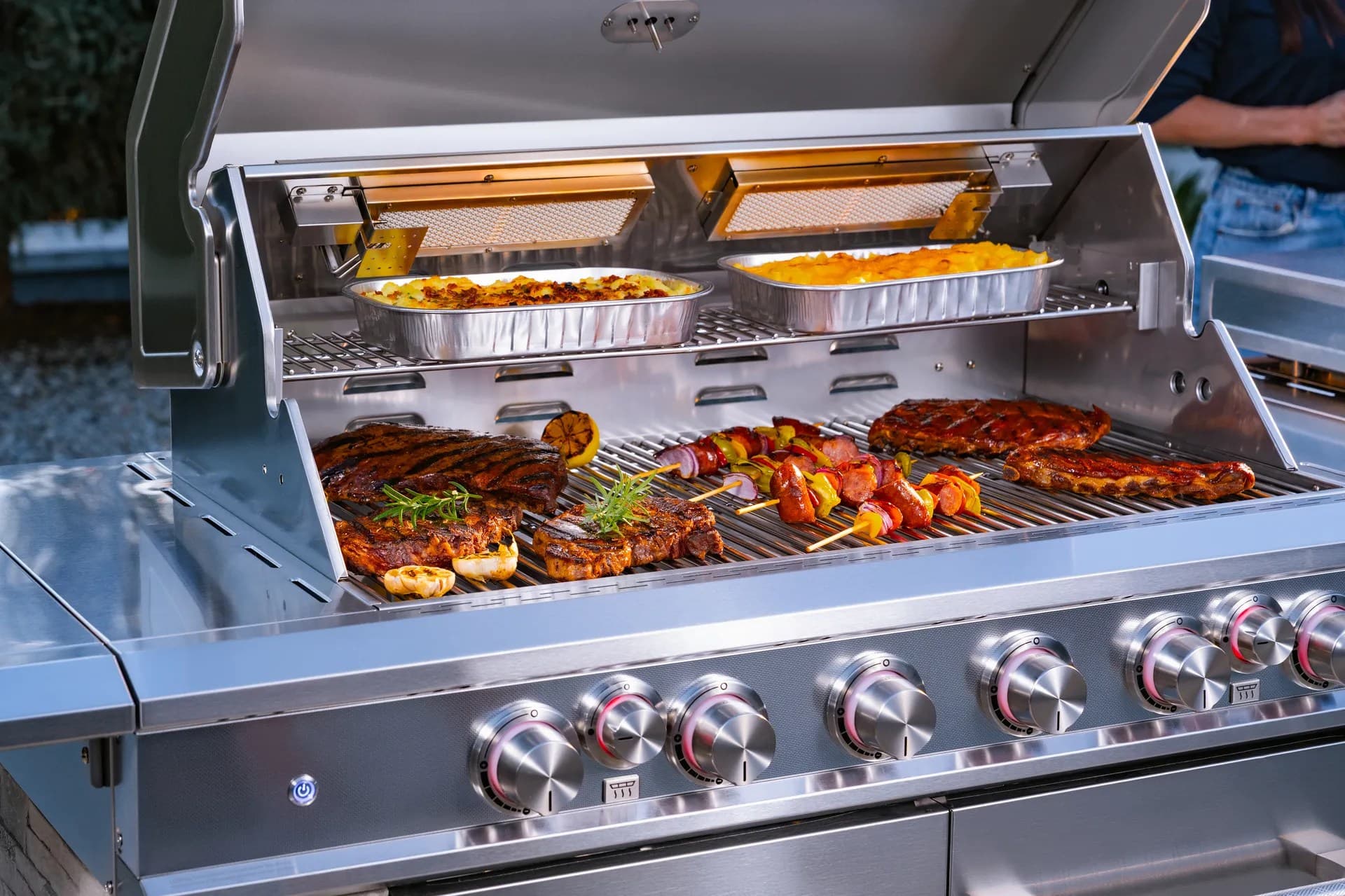
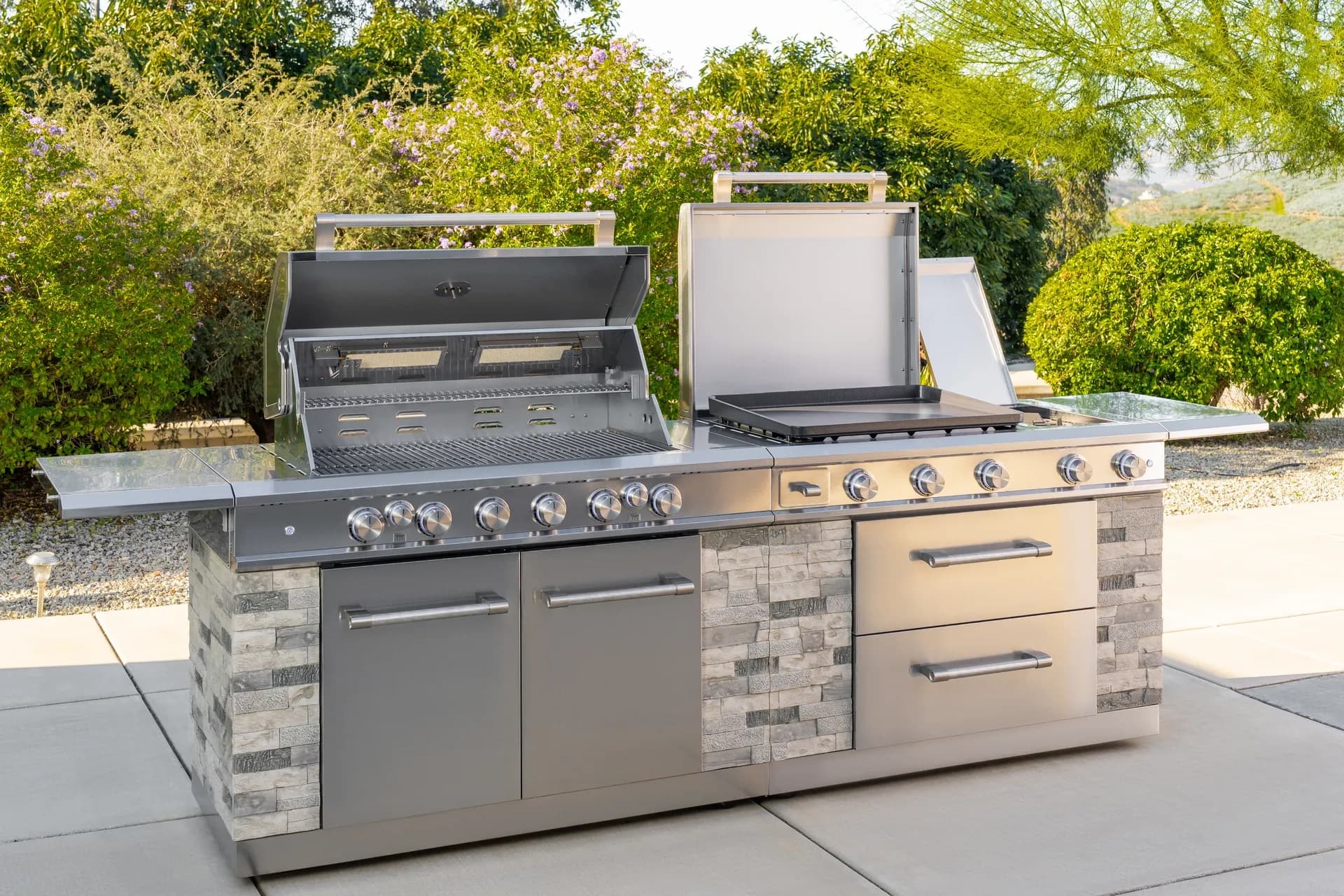
From sizzling breakfasts to smash burgers and teppanyaki-style dinners, the Daytona Pro 5 Burner NitroGuard™ Griddle delivers powerful heat, fast cooking, and a durable cooking surface built for every backyard cookout. Watch how easy outdoor cooking can be.
Here's what sets us apart from the competition
We position ourselves as delivering high-end outdoor cooking features and performance without premium-brand pricing, emphasizing “Quality Grills. Unbelievable Value.”
We offer gas grills, pellet grills, griddles, smokers, pizza ovens, portable/tabletop grills, electric grills, accessories, and replacement parts — allowing customers to stay within one ecosystem for all outdoor cooking needs.
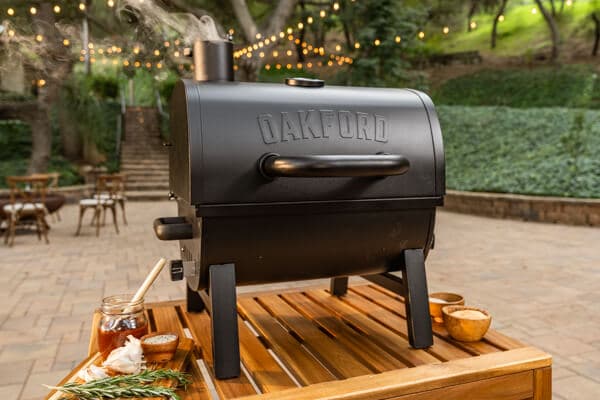
We differentiate ourselves through smart grilling products like the Oakford smart pellet grill, including app-connected cooking controls and modern outdoor cooking technology.
Expert tips, buying guides, comparisons, and inspiration for choosing and getting the most out of your grill.
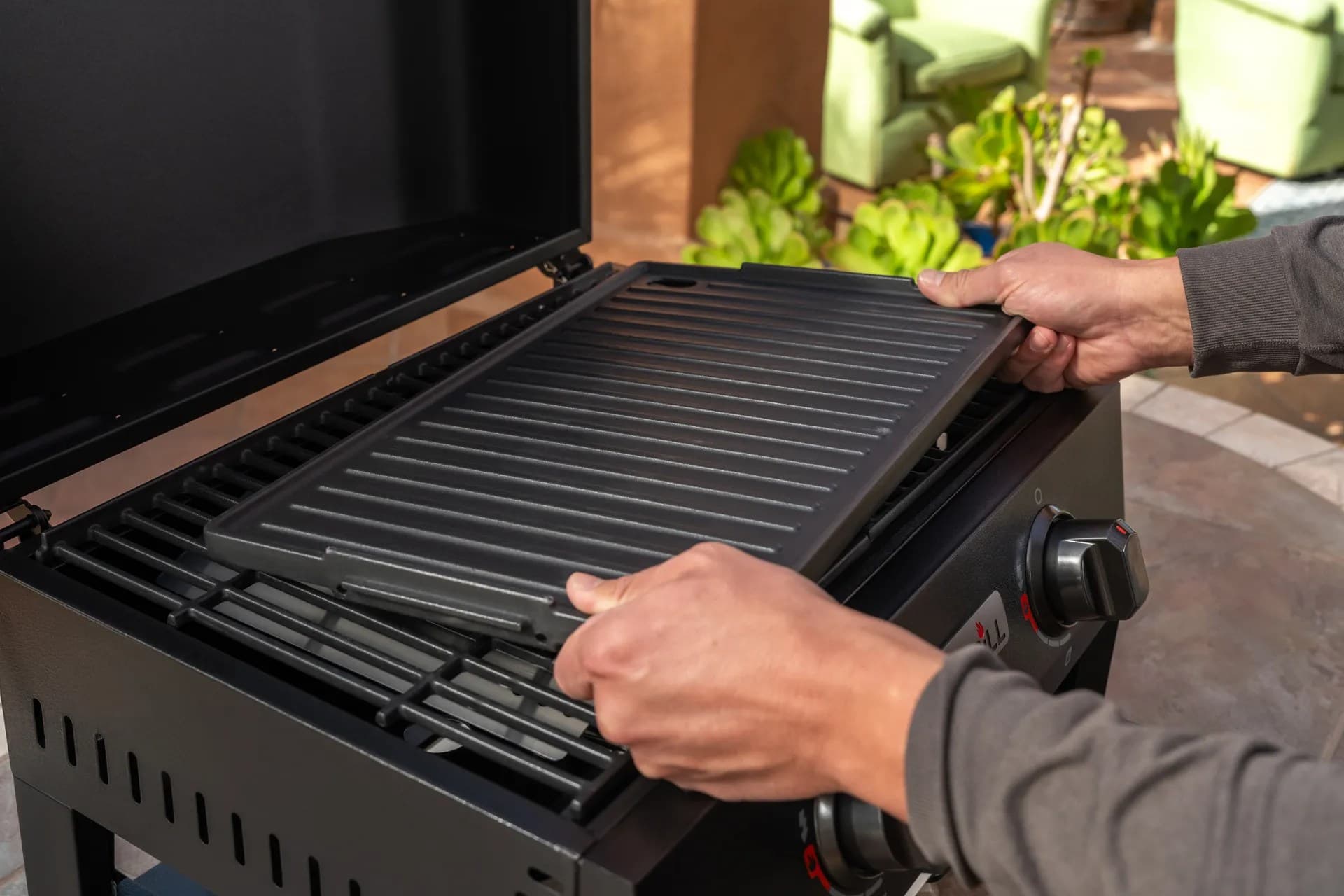
Practical guides for cleaning, maintenance, common grill issues, and performance optimization.
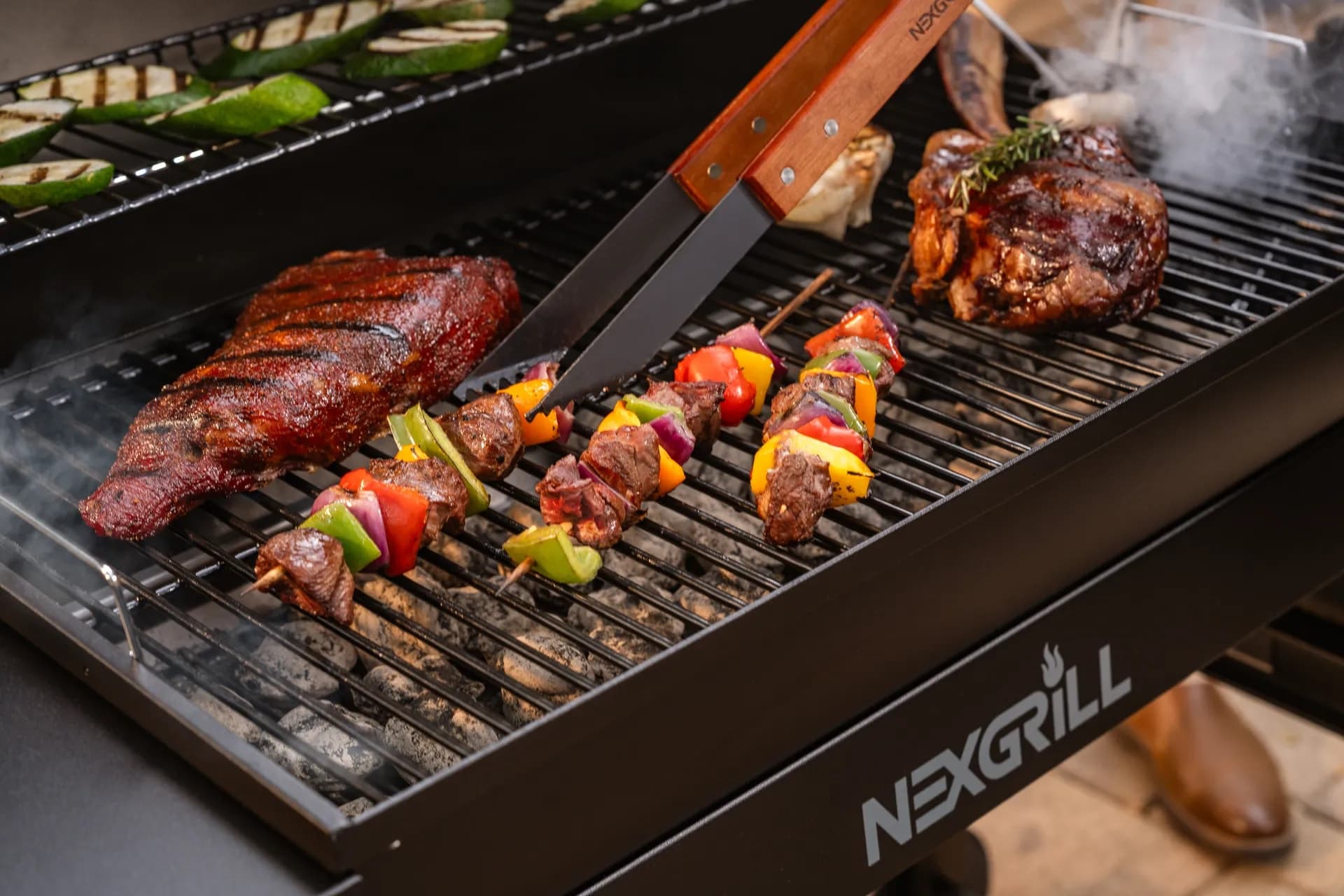
Step-by-step grilling recipes, cooking techniques, and meal ideas for every occasion and skill level.

Backyard entertaining ideas, seasonal grilling inspiration, and stories that celebrate outdoor cooking culture.
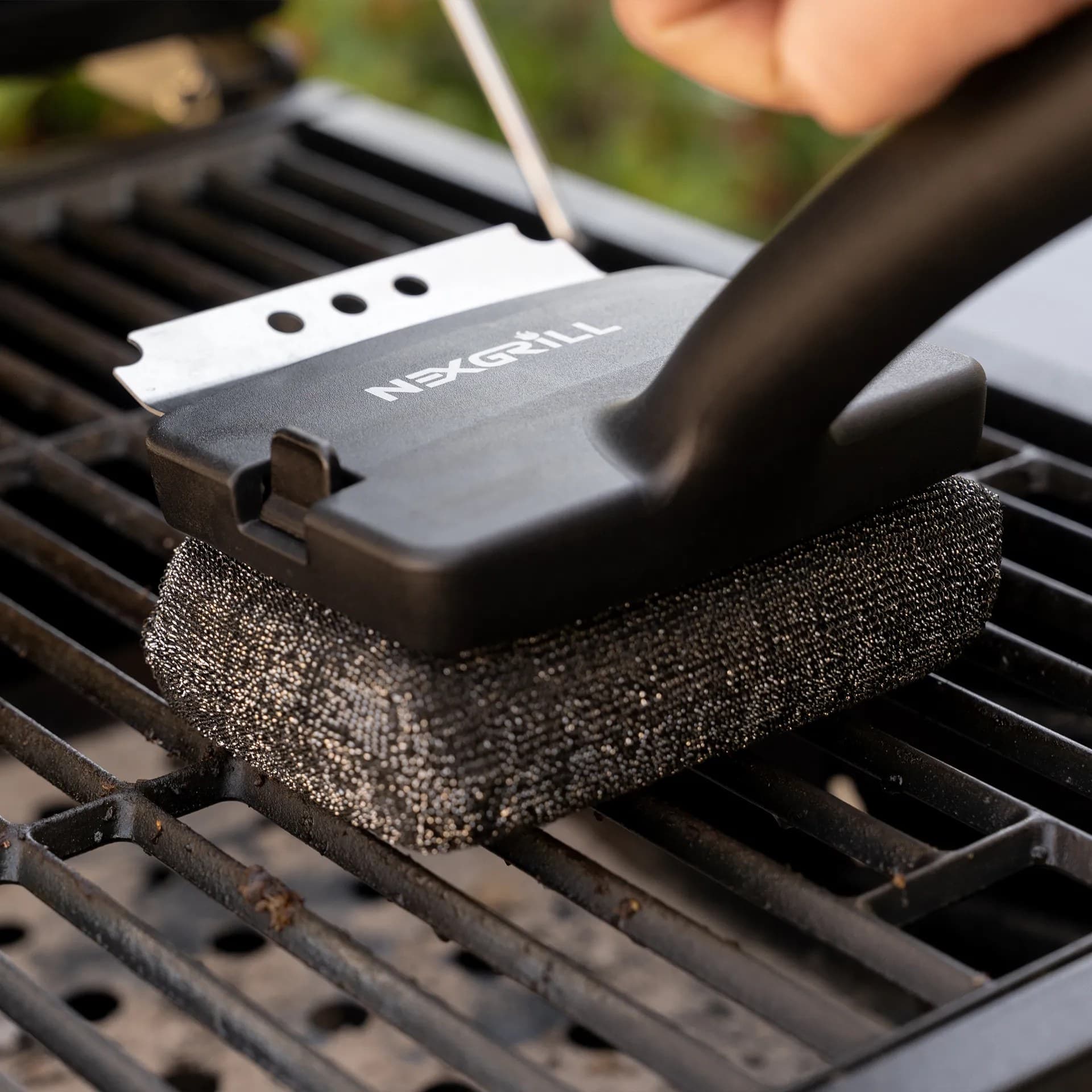
Helpful articles covering grilling tools, cookware, maintenance gear, and must-have accessories for outdoor cooking.
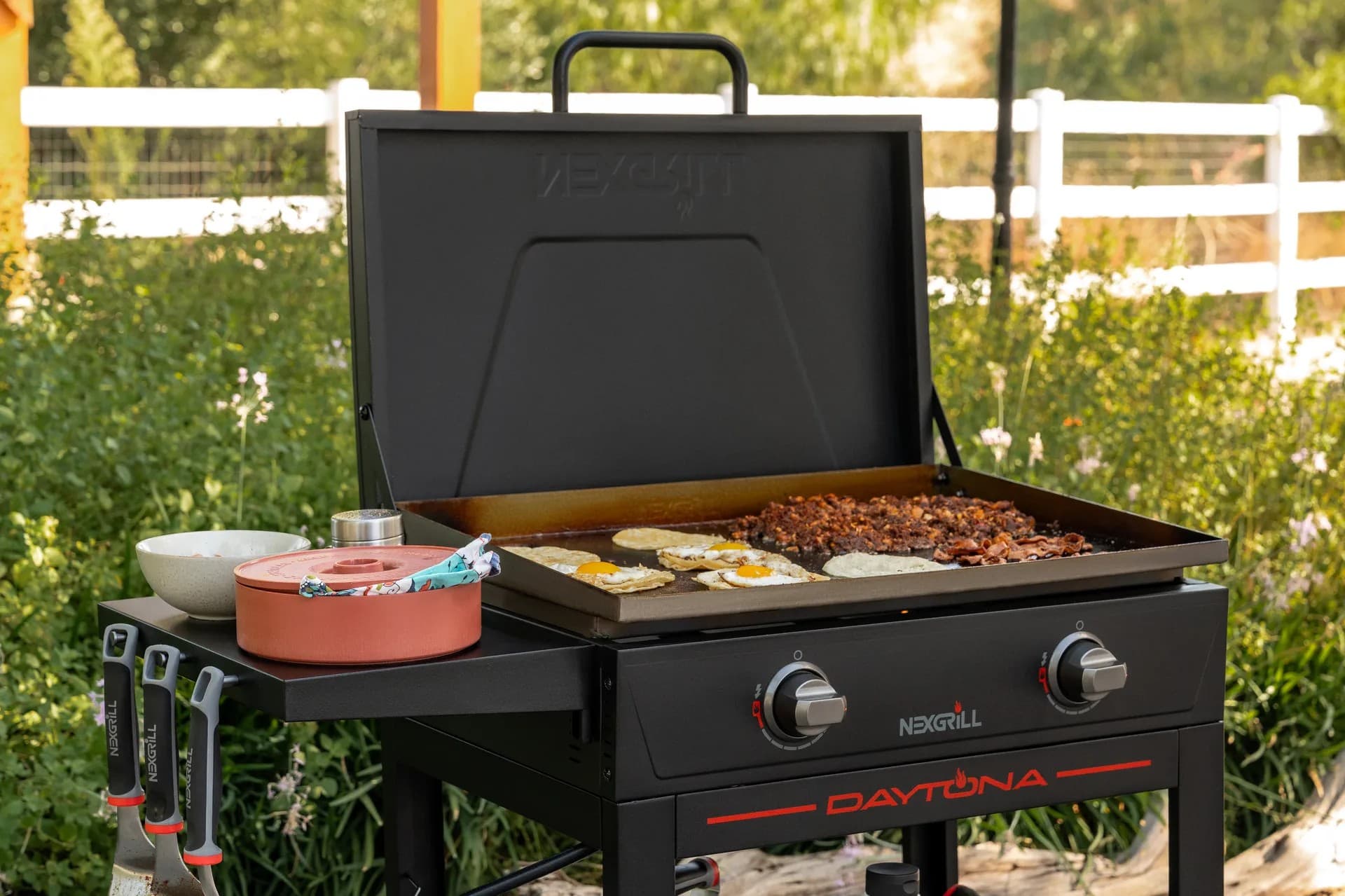
Find griddle recipes, cooking techniques, cleaning tips, and outdoor meal ideas designed for Nexgrill griddles.
Find answers to common questions
Gas grills provide instant heat and precise temperature control, making them easier to use. Charcoal grills offer a smoky flavor and high heat for searing but require more time to heat up and manage.
Pellet grills combine the convenience of gas with the flavor of wood, allowing for smoking, baking, and grilling. Traditional gas grills, however, are quicker to start and often easier to clean.
Charcoal grills typically reach higher temperatures quicker than gas grills, making them better for searing meat. However, high-quality gas grills can also provide adequate heat for effective searing.
Nexgrill offers models designed specifically for gas, charcoal, and pellets, allowing users to choose based on their cooking style and flavor preferences. Each type is built to optimize the characteristics of its respective fuel.
Choosing between gas and charcoal grills depends on your cooking preferences and lifestyle. If you value convenience and quick cooking, a gas grill may suit you better; if you prefer the taste and experience of traditional grilling, a charcoal grill would be ideal.
In This Article
Material Matters
Price Insights
Long-Term Value
When shopping for a 24-inch charcoal grill, understanding the materials used in the grill's construction can greatly influence your buying decision. The grill grate is a crucial component, affecting not just the cooking process but also the flavor and texture of your grilled food. Among the various materials available, cast iron grates are often praised for their excellent heat retention and distribution capabilities. However, they are not the only option. Stainless steel, porcelain-coated steel, and other materials each have their own advantages and disadvantages.
Cast iron grates are well-loved for their ability to retain heat, providing a consistent cooking surface that is ideal for searing meats to perfection. This material is robust and can last for many years if properly maintained. However, it is prone to rust if not seasoned correctly and requires regular upkeep to maintain its non-stick properties.
Tip: Regularly season your cast iron grates with oil to prevent rust and maintain their non-stick surface.
Stainless steel grates are another popular choice, known for their durability and ease of cleaning. They are generally more resistant to rust than cast iron but do not retain heat as effectively. This can lead to less pronounced grill marks and a different flavor profile. For those who prioritize convenience and low maintenance, stainless steel grates are a practical option.
Porcelain-coated steel grates offer a middle ground, combining the heat retention of cast iron with the ease of maintenance of stainless steel. The porcelain coating helps prevent rust and makes cleaning easier, but the coating can chip over time, leading to potential rust issues underneath.
| Material | Heat Retention | Maintenance | Durability |
|---|---|---|---|
| Cast Iron | High | High | High |
| Stainless Steel | Medium | Low | High |
| Porcelain-Coated | Medium | Medium | Medium |
Choosing the right grate material depends largely on your cooking style, preference for maintenance, and the flavor profile you desire.
The price of a 24-inch charcoal grill can vary widely depending on several factors including material quality, brand reputation, and additional features like adjustable vents or built-in thermometers. On average, you can expect to pay anywhere from $150 to $400 for a quality grill in this size range. It's crucial to consider what features are most important to you and how often you plan to use the grill to determine the best value for your investment.
When purchasing a 24-inch charcoal grill, understanding the relationship between cost and material value is essential. While initial prices are an important consideration, long-term value often depends on durability, maintenance needs, and cooking performance over time. For instance, cast iron grates may require a higher upfront investment but can offer superior cooking results and longevity if well maintained.
The initial cost of a grill may not reflect its long-term value. A grill with cheaper materials might save money upfront but could result in more frequent replacements or repairs. Conversely, investing in high-quality materials like cast iron or stainless steel may increase initial costs but provide better performance and durability, leading to long-term savings.
Info: Investing in quality materials can lead to long-term savings and better cooking experiences.
Features such as adjustable vents, integrated thermometers, and advanced airflow systems can add to the cost of a grill. While these features enhance functionality and user experience, they also increase the price. It is important to assess which features are necessary for your grilling needs to avoid overspending.
Brand reputation can significantly impact the price of a grill. Established brands often charge more due to their proven track record in quality and customer service. While newer brands might offer lower prices, consider the trade-offs in terms of warranty, customer support, and product reliability.
| Brand | Average Price Range | Reputation |
|---|---|---|
| Nexgrill | $150 - $300 | High |
| Weber | $200 - $400 | Very High |
| Char-Broil | $100 - $250 | Medium |
Ultimately, the right choice of material and brand should align with your cooking habits, budget, and preference for maintenance. By understanding the nuances of grill materials and pricing dynamics, you can make a well-informed purchase that enhances your outdoor cooking experiences.
Here's what sets us apart
We position ourselves as delivering high-end outdoor cooking features and performance without premium-brand pricing, emphasizing “Quality Grills. Unbelievable Value.”
We offer gas grills, pellet grills, griddles, smokers, pizza ovens, portable/tabletop grills, electric grills, accessories, and replacement parts — allowing customers to stay within one ecosystem for all outdoor cooking needs.
We differentiate ourselves through smart grilling products like the Oakford smart pellet grill, including app-connected cooking controls and modern outdoor cooking technology.
Don't just take our word for it
Keep reading
From our catalog