The Ultimate Guide to 24-Inch Barrel Charcoal Grills with Smokers
Discover how to select, use, and maintain a 24-inch barrel charcoal grill with an offset smoker.
In This Article
Versatile Cooking Options
Space Efficiency
Affordable to Premium Choices
Introduction to 24-Inch Barrel Charcoal Grills with Smokers
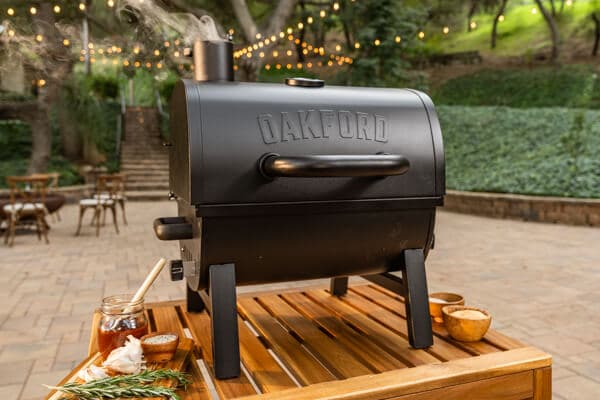
A 24-inch barrel charcoal grill with an offset smoker is a practical sweet spot for backyard cooks who want more than a standard kettle but do not want a huge offset pit taking over the patio. The barrel shape gives you a roomy main chamber for direct grilling, while the side firebox adds a separate zone for low-and-slow smoking. That combination is what makes this category so useful: one cooker can sear steaks on a weeknight and smoke ribs or chicken on the weekend without needing two appliances.
For many buyers, the real question is not whether a barrel grill can smoke well; it is whether the unit has the right mix of cooking space, airflow control, and build quality to do both jobs without frustrating temperature swings. A good 24-inch model should feel balanced, with a firebox that feeds heat and smoke into the main chamber, adjustable dampers that let you manage airflow, and a lid or barrel construction that holds heat instead of bleeding it off. When those pieces work together, the grill becomes flexible enough for burgers, whole chickens, pork shoulders, sausages, and vegetables.
Think of this category as a space-saving hybrid: direct grilling in the main barrel, indirect cooking near the firebox, and smoking when you run the unit with a controlled, cleaner-burning charcoal bed.
A versatile size that fits smaller yards while still giving room for family meals and weekend smoking sessions.
Key Features to Consider When Buying
Before comparing price tags, focus on the features that directly affect cooking performance. The most important one is cooking area. On a 24-inch barrel grill, the main grate often does the heavy lifting, while a warming rack adds useful overflow space for buns, finished meats, or items that only need gentle heat. A buyer who cooks for four to six people can usually manage with a modest main grate plus warming rack, but if you host larger groups, the extra square inches matter more than a flashy finish.
The offset firebox is the other make-or-break feature. A well-designed side firebox lets you burn charcoal in a separate chamber and move heat through the main barrel, which is what creates indirect cooking. Look for a fuel door that makes it easier to add charcoal without tearing the whole setup apart, and check whether the firebox is thick enough to resist warping. Thin steel may lower the purchase price, but it often loses heat faster and can be harder to stabilize on windy days.
Air control matters just as much as raw size. Adjustable intake and exhaust dampers help you slow the burn for smoking and open things up when you want stronger convection for grilling. A built-in thermometer is helpful, but it should be treated as a reference point, not the final word. Many experienced cooks still use a separate probe thermometer to verify grate-level temperature because the dome reading can run higher or lower than the food zone. Wheels, handles, and a folding side table are not luxury details when you actually use the grill often; they affect how safely and comfortably you can move charcoal, manage tools, and plate food.
| Feature | Why it matters | What to favor |
|---|---|---|
| Main grate and warming rack | Determines how many foods you can cook at once | Enough room for your typical guest count, plus a rack for holding finished food |
| Offset firebox | Creates indirect heat for smoking | Thicker metal and easy fuel access |
| Dampers and vents | Control burn rate and smoke flow | Smooth adjustment with clear open/close range |
| Material choice | Affects heat retention and weather resistance | Porcelain-enamel or heavier steel where available |
Comparison of Top Models
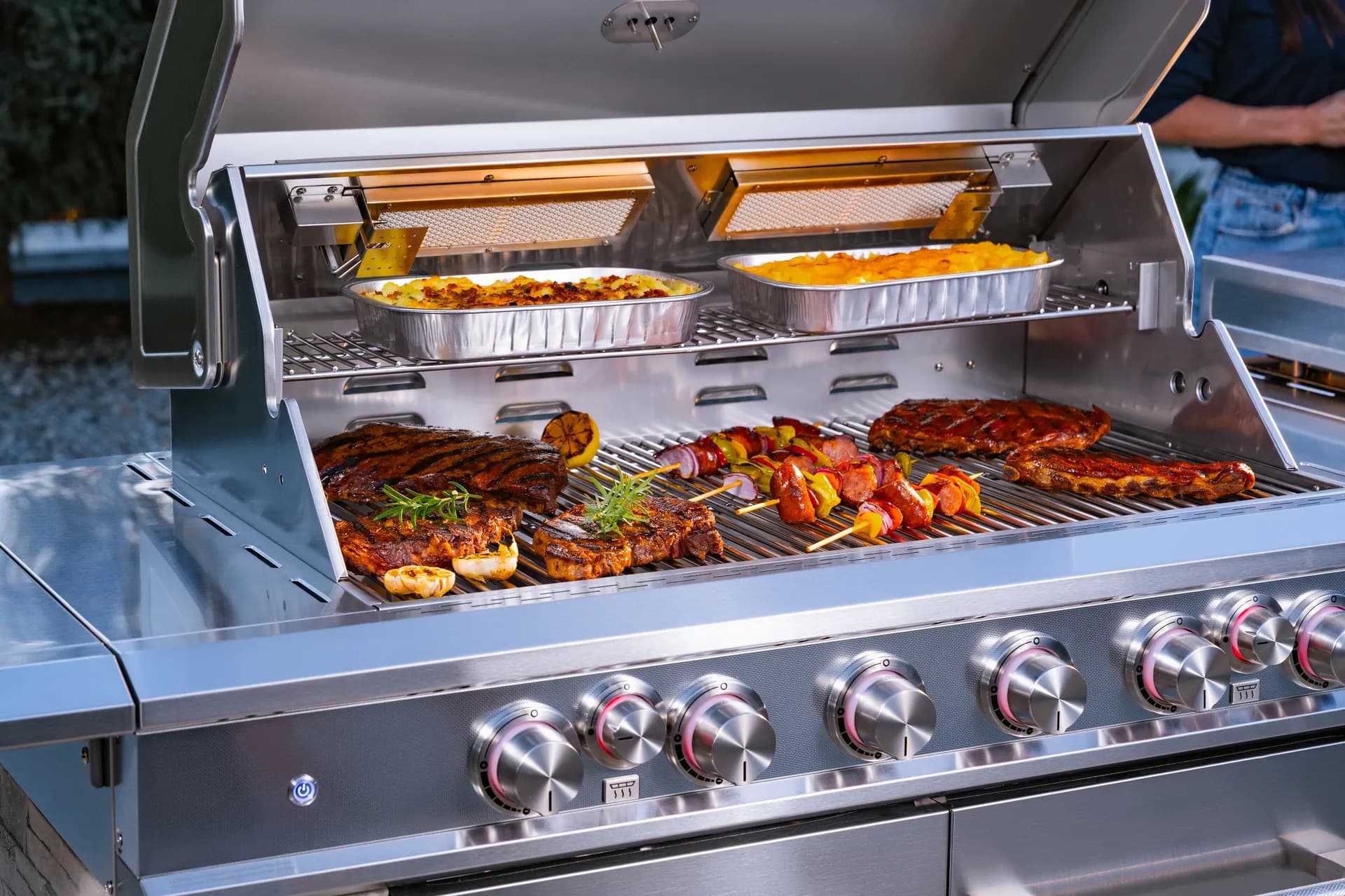
When you compare barrel charcoal grills with smokers, do not judge them only by headline price. A $130 entry-level model may be enough for casual weekend grilling, but a higher-priced unit often earns its cost through thicker steel, better airflow control, easier assembly, and more consistent smoke management. Premium products in the $1,000-plus range, including names like Fire Magic and Lone Star, usually target cooks who want heavier construction, more precise control, and a longer service life.
A useful way to compare models is to look at how they balance four things: cooking space, firebox quality, temperature management, and convenience features such as side shelves, thermometers, and mobility. In practice, a midrange cooker with a sensible grate layout and solid dampers can outperform a pricier unit that looks impressive but leaks heat or feels awkward to use. If you are choosing between two barrels, compare the usable cooking surface rather than overall exterior size, because that is what determines how much food you can actually cook at one time.
| Price Tier | Typical Strength | Best For |
|---|---|---|
| Budget, around $130 to $250 | Simple build, basic grilling and occasional smoking | First-time buyers and light weekend use |
| Midrange, around $250 to $600 | Better steel, improved dampers, more stable heat | Frequent family cooks who want value |
| Premium, $1,000+ | Heavy construction, refined airflow, stronger longevity | Serious grillers and heavy-use outdoor kitchens |
Budget vs Premium Grills
Budget barrel grills make sense when you want a single cooker for occasional burgers, chicken, or a small rack of ribs. In this range, the main compromises are usually thinner metal and fewer comfort features. You may also spend more time managing fire because lower-cost units tend to react faster to wind and charcoal load changes. That does not make them bad; it just means the cook has to be more hands-on. For a household that grills a few times a month, a well-chosen budget model can still be a smart purchase if the hinges, grates, and firebox feel sturdy enough to last.
Premium models justify themselves when you grill often, smoke for long stretches, or dislike fighting the pit. Heavier steel helps retain heat through long cooks, which reduces the number of adjustments you need to make. Better-fitting lids and doors can also improve fuel efficiency and make smoke management more predictable. If you regularly cook brisket, pork shoulder, or multiple racks of ribs, the smoother temperature control of a premium unit often pays off in less wasted charcoal and fewer ruined cooks. In other words, price matters, but so does how much frustration the grill removes from the process.
How to Effectively Grill and Smoke
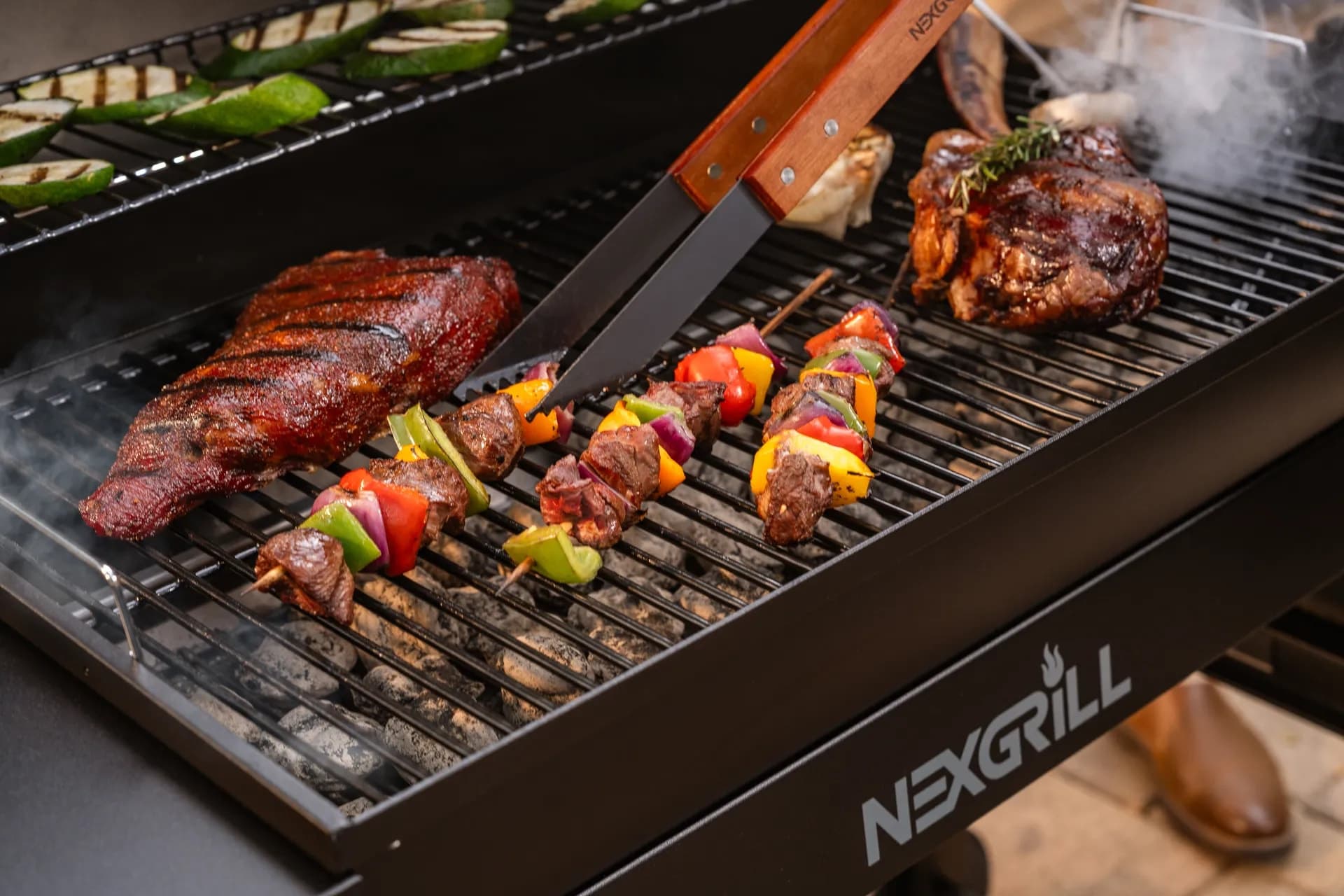
The best way to use a 24-inch barrel charcoal grill with smoker is to treat it as two cooking environments. For direct grilling, build a charcoal bed in the main chamber and cook over the hottest zone for foods like steaks, sausages, kebabs, and quick vegetables. For smoking, move your heat source into the offset firebox and let the smoke travel into the main barrel with the food placed away from direct flame. This indirect setup is what keeps larger cuts from scorching while still giving them charcoal flavor.
Start with a clean fire and let the grill preheat before loading food. A small, steady fire is usually better for smoking than a large pile of blazing coals. Keep the intake and exhaust dampers partially open so the fire gets enough oxygen to stay alive without racing out of control. If your model includes a side door for fuel access, use it to add charcoal in small amounts instead of opening the whole chamber repeatedly. That simple habit reduces heat loss and keeps the cooking environment steadier. A folding side table is useful here because it gives you a landing spot for gloves, trays, seasoning, and a drip pan.
For mixed cooks, try a staged approach. Sear over direct heat first if you want crust on chicken thighs or chops, then move the food to the indirect side to finish. This is especially useful when the grill includes enough grate space to create a hot zone and a cooler zone at the same time. Try comparing two products side by side below to see which fits best:
Maintenance and Seasoning Tips
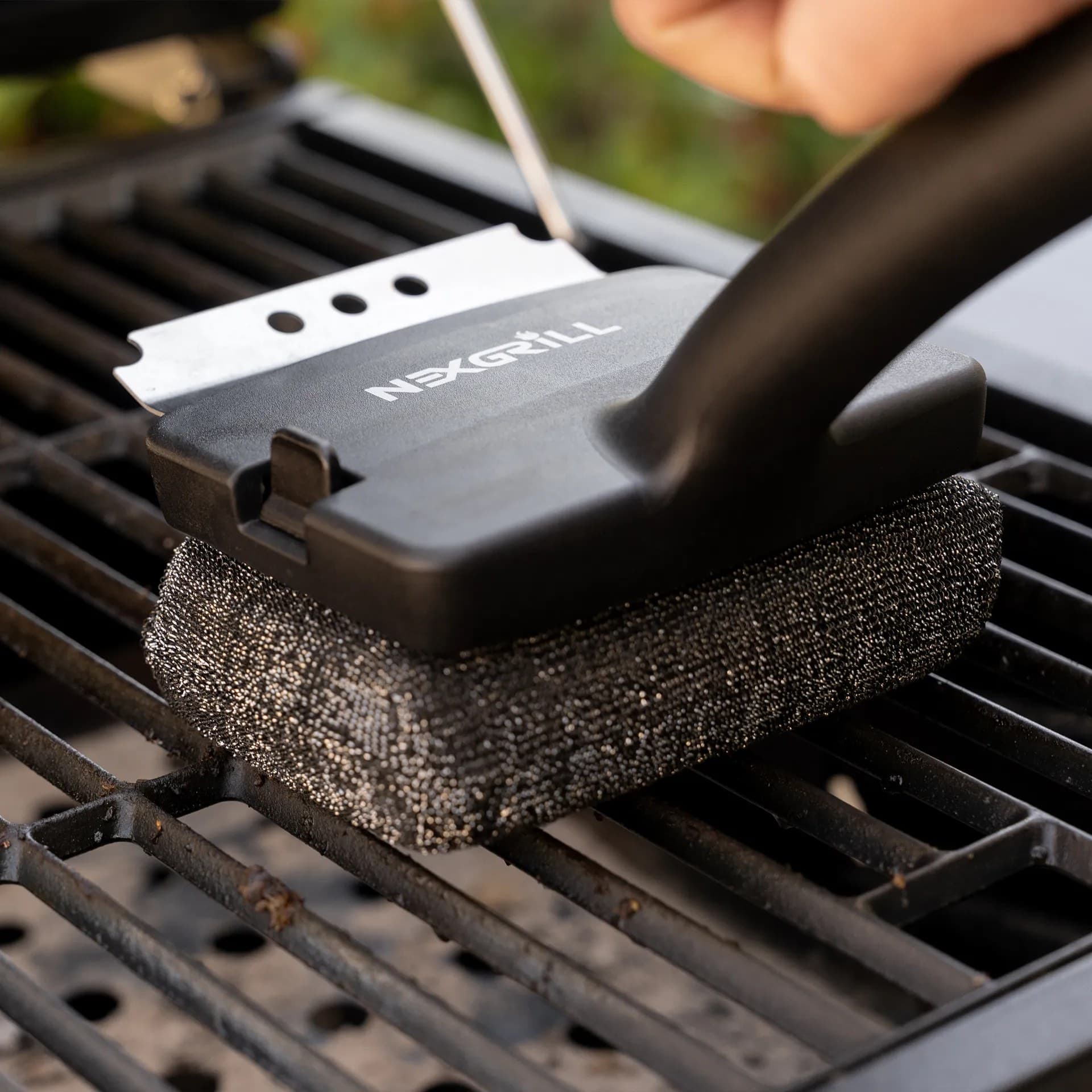
Seasoning a new barrel smoker is not optional if you want the metal protected and the flavor clean. Coat the interior cooking surfaces lightly with a neutral oil, then run the grill at a moderate heat for a few hours so the oil polymerizes and creates a protective layer. Do this before your first real cook. Afterward, clean out ash regularly because ash can hold moisture and speed up corrosion. It is also worth wiping grates while they are still warm, since residue is easier to remove before it hardens.
Weatherproofing matters just as much as seasoning. A fitted cover helps protect the barrel, firebox, and hardware from rain, dust, and UV exposure. If your grill has porcelain-enamel parts, avoid harsh scraping that can chip the coating. If it is mostly steel, check for surface rust and touch it up early rather than waiting for it to spread. A few minutes of care after each cook will usually preserve heat performance and keep the smoker ready for the next session.
Common Mistakes to Avoid
Once you've weighed two options against each other, the biggest buying mistakes become easier to spot. The first is choosing by appearance alone. A large barrel with a dramatic firebox can look impressive, but if the lid leaks, the grates are flimsy, or the dampers are hard to use, you will feel that difference on every cook. The second mistake is underestimating how much charcoal and attention smoking requires. If you want a true offset-style experience, you need to be comfortable feeding a steady fire rather than setting the grill and walking away.
Do not assume the built-in thermometer tells the full story. For smoking, grate-level temperature is usually the number that matters most.
Another common mistake is ignoring assembly and access. Some buyers focus on chamber size but overlook whether the side firebox door opens easily, whether the handles stay cool enough to use safely, or whether the wheels actually make the unit movable on patio surfaces. A grill that is hard to move or awkward to load will get used less often. Finally, do not buy a model that is too small just because it is cheaper. If you routinely cook for a family or want to smoke larger cuts, cramped grate space quickly becomes the limiting factor.
Frequently Asked Questions
Can a barrel charcoal grill double as a smoker?
Yes. A barrel charcoal grill can double as a smoker when it has an offset firebox or another way to separate the heat source from the food. The key is indirect cooking, steady airflow, and enough room to keep food away from direct flame.
How much cooking space do I need?
If you mostly cook for two to four people, a compact 24-inch barrel grill is usually sufficient. For larger gatherings, look for a unit with a generous main grate and a useful warming rack so you are not forced to cook in multiple rounds.
Is a premium barrel smoker worth it?
It can be, especially if you cook often or value steadier temperatures. Premium grills generally use heavier materials and better airflow control, which can make smoking easier and reduce fuel waste over time.
What should I look for first when shopping?
Start with the firebox design, grate size, and dampers. Those three elements do more to determine real-world cooking performance than cosmetic extras or a high headline BTU number.
Do I need to season a new grill?
Yes. Seasoning helps protect the steel and creates a better cooking surface. It is one of the simplest steps you can take to improve long-term performance and rust resistance.