The Ultimate Guide to 22-Inch Charcoal Barrel Grills
Everything you need to know about choosing and using a 22-inch barrel grill.
In This Article
Versatile Cooking Options
Maintenance Tips
User Insights
Introduction to 22-Inch Charcoal Barrel Grills
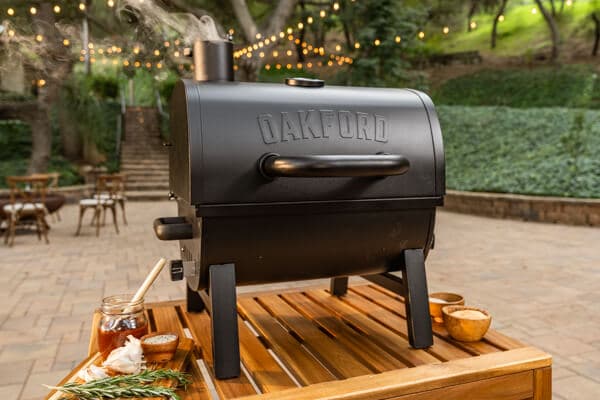
A 22-inch charcoal barrel grill sits in a practical sweet spot for many backyard cooks: large enough to handle family meals and weekend gatherings, but still compact enough to fit on a typical patio, deck, or side yard. For shoppers comparing outdoor cookers, the barrel shape is especially appealing because it is built around a long, usable firebox and a cooking chamber that can be arranged for both direct heat and indirect heat. That means you can sear steaks over the coals one moment and slow-cook chicken, ribs, or vegetables the next without needing a separate smoker. In the U.S. market, this size has become popular with grillers who want more flexibility than a small portable charcoal grill but do not want the footprint or fuel demand of a huge offset smoker.
The most useful way to think about a 22-inch charcoal barrel grill is not just as a “bigger grill,” but as a different cooking platform. Barrel grills tend to excel when you want a predictable cooking lane, better separation between heat zones, and room to manage a real charcoal fire over time. That makes them attractive for people who cook more than burgers and hot dogs. With the right setup, they are well suited to chicken quarters, pork chops, sausages, cedar-plank salmon, corn, peppers, and even low-and-slow cooks where you need consistent airflow and enough room to move food around. Nexgrill’s grilling approach emphasizes accessible, practical outdoor cooking for both casual users and more experienced grillers, which fits this category well because the barrel format rewards straightforward technique and thoughtful fire management rather than gimmicks.
A 22-inch barrel grill is usually chosen for cooking flexibility, not just size. The long firebox gives you more options for direct, indirect, and zone cooking than many round charcoal cookers.
A versatile mid-size format for everyday grilling and small gatherings
If you are shopping in this category, you will likely see barrel grills compared with kettle grills, and the difference matters. Kettle grills are round, compact, and efficient for quick charcoal cooks, while barrel grills are usually better when you want a more deliberate setup with room to manage the fire and the food separately. That distinction becomes important if you enjoy cooking for a crowd, smoking at lower temperatures, or moving food around during longer sessions. In other words, the 22-inch barrel is for the griller who wants to do more than simply grill over a centered pile of coals. It is the shape you choose when cooking flow, heat control, and usable grate space matter more than minimal footprint.
From a buyer’s perspective, the size also affects how often you will actually use the grill. A 22-inch barrel grill can be practical for weeknight dinners because it heats up fast enough for routine cooking, but it also scales up when guests arrive. That balance is one reason the category remains attractive for households that do not want to own multiple outdoor cookers. If you are comparing models from brands such as Weber or Megamaster, the real question is not just build quality; it is whether the grill shape and layout match the way you cook. Some buyers want a simple, durable cooker for weekend burgers and chicken. Others want a barrel that can handle longer cooks, more charcoal management, and a wider variety of food. This guide is built to help you think through those choices before you compare products side by side below.
Key Features of 22-Inch Barrel Grills
The appeal of a 22-inch charcoal barrel grill starts with the cooking layout. A barrel-shaped body usually gives you a longer, more rectangular fire and cooking zone, which can make it easier to divide the grill into hot, warm, and indirect areas. That matters when you are cooking bone-in chicken, ribs, thick chops, or mixed platters with both fast and slower items. Instead of crowding everything over one centered heat source, you can set up charcoal on one side, create a cooler holding area, and keep food moving as needed. The extra surface planning also helps when you want to manage flare-ups, because you can shift food away from the hottest section instead of losing access to the entire grate.
Materials and construction also matter more than many buyers expect. In this category, a sturdy steel body, tight lid fit, durable cooking grates, and practical airflow controls usually have more impact on real-world satisfaction than flashy extras. A well-made barrel grill should hold heat reasonably well, resist warping under repeated use, and open and close without feeling flimsy. For many users, the biggest value comes from dependable execution: a grill that lights cleanly, drafts air consistently, and gives you enough cooking room to serve a family or a few guests without feeling cramped. That practical focus mirrors Nexgrill’s broader brand posture, which centers on accessible outdoor cooking that is welcoming to beginners while still useful for experienced grillers.
Another reason buyers look at 22-inch barrel grills is accessory compatibility. Depending on the model, you may be able to use an ash management system, a charcoal basket, a thermometer, a grill cover, or a secondary warming rack to improve the cooking experience. These extras are not just conveniences; they help turn a basic charcoal grill into a more controllable tool. A charcoal basket can improve fuel organization, a lid-mounted thermometer can help you stay in a temperature range for chicken or ribs, and a well-fitted cover helps protect the finish from moisture and dust between uses. If you routinely grill in a humid or variable climate, those details become even more valuable because they affect both performance and longevity.
| Feature | Why It Matters | What to Check |
|---|---|---|
| Cooking layout | Supports direct and indirect zones | Room for separate heat areas |
| Body construction | Improves heat retention and durability | Heavier steel, sturdy hinges, solid lid fit |
| Airflow control | Helps regulate temperature | Intake and exhaust vents that respond smoothly |
| Grate size | Determines how much food fits at once | Usable cooking area, not just overall dimensions |
When comparing 22-inch models, do not focus only on appearance. A grill can look substantial but still be hard to cook on if the firebox is shallow, the grate is awkwardly divided, or the lid leaks heat. The most useful models are the ones that feel organized in use: easy to load with charcoal, easy to clean out, and easy to adapt for different food. That is where this size shines. It gives you enough room to learn charcoal technique without forcing you into the complexity of a full offset smoker, and enough flexibility to justify the upgrade from a basic kettle grill.
Comparison: Barrel vs. Kettle Grills
Barrel grills and kettle grills both burn charcoal, but they solve different cooking problems. A kettle grill is usually a round, compact cooker that is excellent for direct grilling, modest smoke sessions, and everyday meals. It is efficient, familiar, and often easier to store. A 22-inch barrel grill, by contrast, is built around a longer horizontal chamber that gives you more staging room. That extra room changes how you cook because it lets you split the cooking surface into zones more naturally and move food around during a session without crowding the fire.
For quick burgers on a Tuesday night, a kettle may be enough. For a Saturday cook where you want to manage chicken pieces on one side, vegetables on another, and perhaps a pan of beans or a foil packet in a cooler zone, the barrel design starts to make more sense. The barrel shape also tends to feel more comfortable when you are handling multiple items because the long profile can create a clearer “work path” across the grill. Many experienced grillers appreciate that layout because it supports active cooking instead of a set-it-and-forget-it approach. You can open one side to add charcoal, shift food away from flare-ups, or use the cooler end for finishing and holding.
There are trade-offs, of course. Kettle grills are typically easier to store, lighter to move, and often better for people with very limited space. They can also be very efficient at retaining heat because of their rounded shape and relatively compact footprint. Barrel grills usually take up more horizontal room and may require a slightly more deliberate setup to get the most out of them. But in return, they often offer a more versatile cooking experience. If you enjoy experimenting with charcoal placement, using two-zone heat, or cooking multiple foods with different timing needs, the barrel format often feels more forgiving and more capable.
If you mainly cook a few burgers or steaks at a time, a kettle grill may be the simpler choice. If you want room for zones, longer cooks, and more food movement, the barrel shape usually wins.
| Category | 22-Inch Barrel Grill | Kettle Grill |
|---|---|---|
| Best use | Mixed sessions, zone cooking, longer cooks | Quick grilling, simple charcoal sessions |
| Cooking layout | Longer chamber with flexible zones | Round chamber centered around the fire |
| Space needs | More horizontal patio room | Usually easier to fit in small spaces |
| Cooking style | More active, flexible, hands-on | Straightforward, centered, efficient |
A useful way to decide is to imagine your most common cook. If your usual meal is a few steaks and vegetables, a kettle may be the cleanest solution. If your usual meal includes multiple proteins, side items, and some smoke time, the barrel format can feel much more natural. Barrel grills also tend to appeal to people who enjoy the rhythm of charcoal management, because they invite you to interact with the fire rather than simply wait beside it. That experience is part of the appeal. The grill becomes a workspace, not just a heat source.
Try comparing two products side by side below to see which fits best:
Cooking Techniques for Barrel Grills
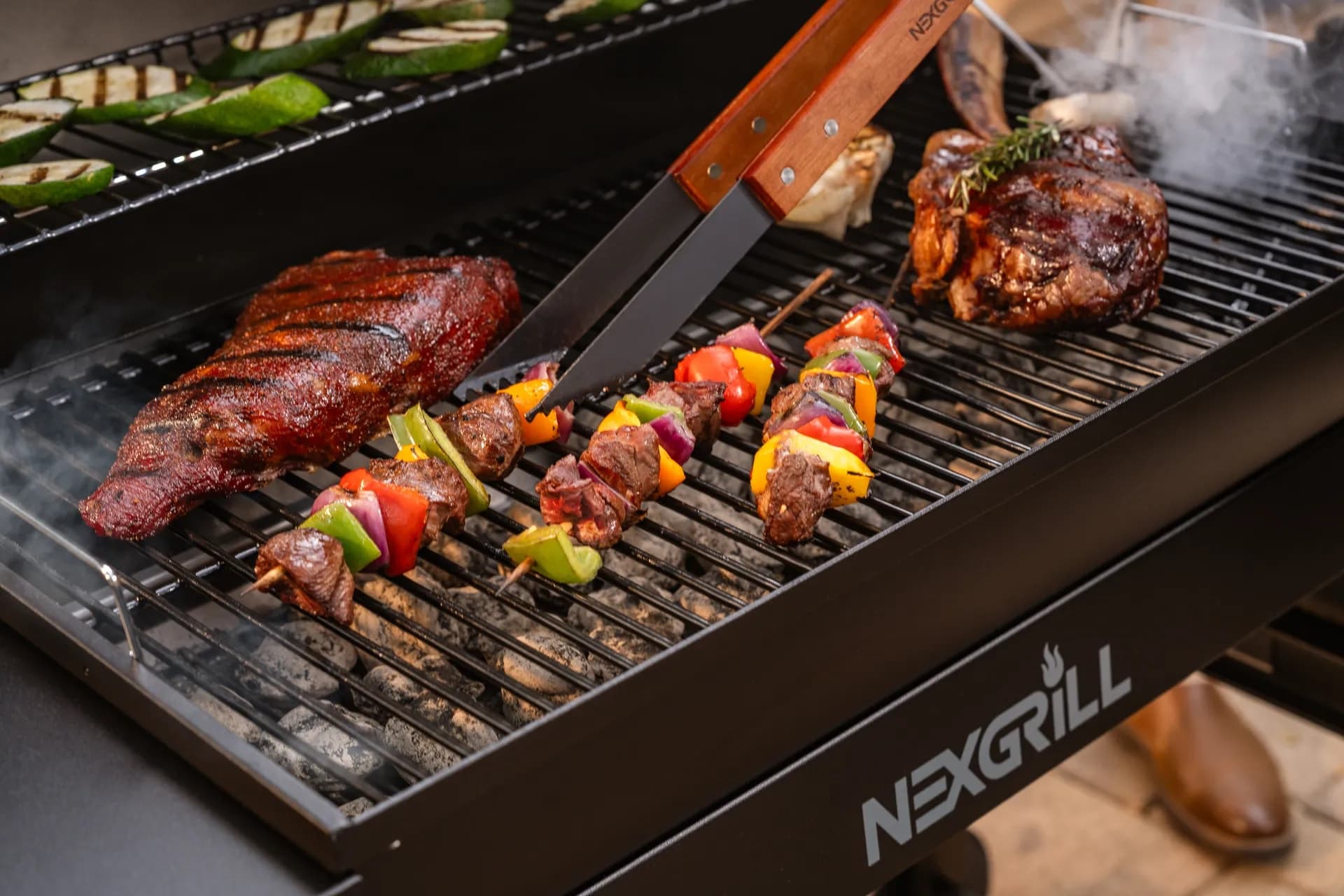
Once you’ve weighed two options against each other, the next question is how to use a 22-inch charcoal barrel grill well. The best results usually come from matching the food to the fire rather than trying to cook everything the same way. Barrel grills are especially effective when you think in zones. Set one area for direct heat, another for gentler cooking, and use the lid to control how the hot air moves around the chamber. That approach makes the grill more than a basic searing surface; it turns it into a flexible outdoor cooking station.
For high-heat cooking, preheat the grill until the charcoal is fully ashed over and the grate is hot. This is ideal for steaks, smash-style burgers, sausages, and vegetables that benefit from strong browning. For thicker cuts, place them over direct heat only long enough to build color, then move them to the cooler side to finish with the lid closed. That simple shift protects the outside from burning while giving the inside time to cook through. Barrel grills are also well suited to chicken because the shape gives you room to keep pieces from sitting directly over the hottest coals the whole time. If flare-ups happen, you can move the food quickly without losing the session.
If you want more smoke flavor, use a smaller amount of charcoal and add chunks of hardwood rather than piling on too much fuel. In the U.S., cooks often use hickory, oak, apple, or cherry depending on the food. Hickory works well for stronger, classic barbecue flavor, while fruit woods are easier to pair with poultry or pork. The point is not to overpower the food but to let the barrel grill create enough airflow for a steady, readable smoke. Many backyard cooks find that the barrel format gives them more confidence here because the longer body makes it easier to position wood and food separately. That can reduce the risk of over-smoking delicate items like fish or vegetables.
A practical trick is to plan in stages. Sear first, then finish gently. Start with food that benefits from crust and color, then move it to the cooler end or elevate it if your setup allows. Corn, peppers, onions, pineapple, and mushroom caps are especially good on barrel grills because they can ride near the hotter section without requiring constant attention. If you are cooking for a group, use the additional space to rotate trays or foil pans in and out as items finish. The barrel shape is less about doing one thing fast and more about managing several things at once with control.
For the cleanest results, preheat with the lid closed, then cook with a plan: sear over direct heat and finish on the cooler side.
Two-zone cooking also opens the door to indirect roasts and longer smoke sessions. A whole chicken, for example, can be started over indirect heat with the lid closed, then finished over a hotter section if you want more color at the end. Ribs can be handled with a similar mindset: give them steady heat and smoke, then manage the final texture toward the last part of the cook. You do not need a highly specialized smoker to get good results from a barrel grill, but you do need patience and a willingness to monitor charcoal levels. That is where users often gain confidence; the grill rewards attention.
If you are just getting started, build your menu around foods that help you learn temperature behavior. Chicken thighs, pork chops, sausages, thick asparagus, and halved onions are forgiving and teach you how quickly charcoal responds to vent changes and lid position. As you get more comfortable, you can move into ribs, spatchcock chicken, and mixed-heat cooks. The 22-inch barrel format is especially satisfying when you cook for a small crowd because it lets you deliver a varied meal without needing multiple appliances or a complicated setup.
Maintenance and Care Tips
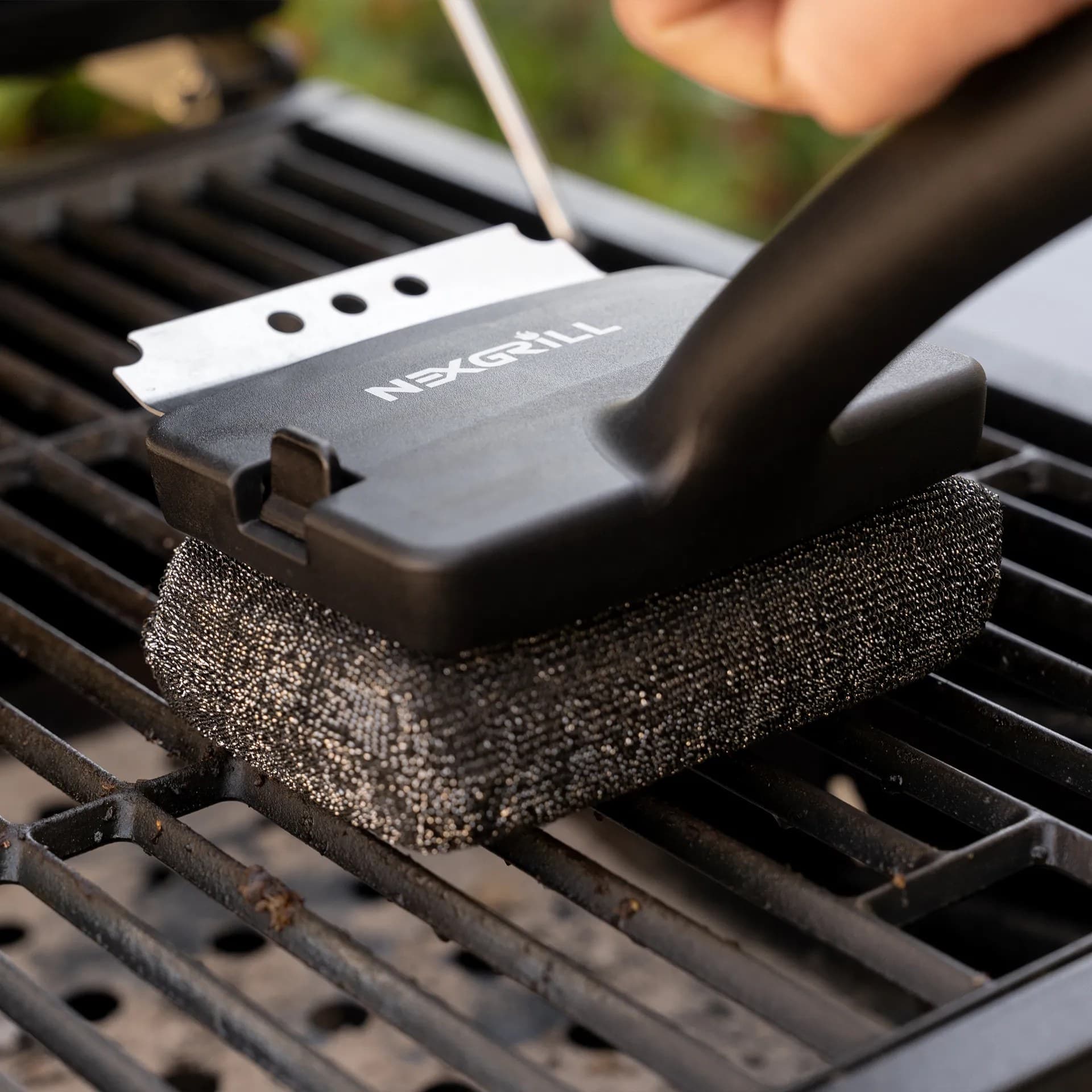
A charcoal barrel grill lasts longer and performs better when you keep ash, grease, and moisture under control. The most important habit is to clean out the fire area after each use once everything has fully cooled. Ash buildup can block airflow, and airflow is the heartbeat of charcoal cooking. If the grill cannot breathe, it becomes harder to regulate heat and harder to light cleanly the next time. The grate should also be brushed while still warm so food residue does not harden into a stubborn layer that interferes with searing and sticking.
It is also worth checking fasteners, hinges, and handles regularly. A grill that gets used often will vibrate and heat-cycle over time, and small loose parts can become bigger annoyances later. If the lid no longer closes snugly or the vent mechanism feels sticky, address it before the next season of heavy use. For storage, a fitted cover helps protect the finish from rain, dust, and sun exposure. That matters in the United States where many grills sit outdoors through humid summers, wet winters, or intense UV in dry climates. A cover does not make a grill indestructible, but it does slow down rust, fading, and grime.
The fastest way to hurt charcoal performance is to leave ash in the bottom too long. Clean airflow equals easier lighting and steadier heat.
For deeper cleaning, remove grates and scrape out built-up residue from the cook box. If your grill includes a removable ash pan or ash catcher, empty it before it becomes packed. Grease channels should be kept clear so drips do not pool and create smoke in the wrong places. A simple routine works well: brush grates after cooking, empty ash after the grill cools, then inspect vents and moving parts before the next session. That sequence keeps the grill ready without turning maintenance into a chore.
User Testimonials and Reviews
Review-minded shoppers often want more than technical specs; they want to know what it feels like to own the grill. User feedback for 22-inch charcoal barrel grills tends to center on three themes: cooking space, control, and the sense that the grill can do more than a basic round cooker. Owners often appreciate being able to separate foods by heat zone and keep a more organized cook going when guests are waiting. That practical versatility is a big reason barrel grills earn repeat use instead of sitting unused after the novelty wears off.
A common sentiment from backyard cooks is that the barrel format feels more forgiving for mixed meals. One frequent theme is that chicken and vegetables can be managed at the same time without constant shuffling, which makes weekend cooking feel less rushed. Another recurring point is that the extra horizontal room makes it easier to move food away from flare-ups, a benefit that matters when cooking fattier cuts or when charcoal burns hotter than expected. Enthusiasts also often mention that the grill encourages better habits, because it rewards planning and patience rather than crowding everything at once.
For brand-conscious buyers, trust often comes from seeing that a company understands how people actually grill. Nexgrill’s broader brand language emphasizes welcoming outdoor cooking for beginners and experienced cooks alike, which aligns well with the way barrel grill owners describe their experience: approachable, social, and practical. The best reviews are not about perfection; they are about repeatable usefulness. That is exactly where a 22-inch barrel grill tends to shine. It is large enough to feel capable, but not so large that it becomes intimidating or hard to manage.
Look for reviews that mention actual cooks, not just unboxing impressions. Real ownership feedback usually reveals how the grill handles charcoal control, cleanup, and multi-item meals.
Conclusion
A 22-inch charcoal barrel grill is a smart choice if you want more cooking flexibility than a typical kettle grill without stepping all the way into a large smoker. Its shape gives you room to manage zones, handle different foods at once, and cook with more intent. For many U.S. households, that combination is the sweet spot between everyday convenience and weekend ambition. If you value hands-on charcoal cooking, the barrel format can make outdoor meals feel more organized and more rewarding.
When you compare models, pay attention to build quality, airflow, grate layout, and how easy the grill is to clean after use. The right grill should fit your space, match your typical meals, and give you enough room to grow your skills over time. If you are deciding between a barrel and a kettle, think less about which shape is “better” in the abstract and more about which one fits the way you actually cook. Once you understand that difference, the right choice becomes much clearer.