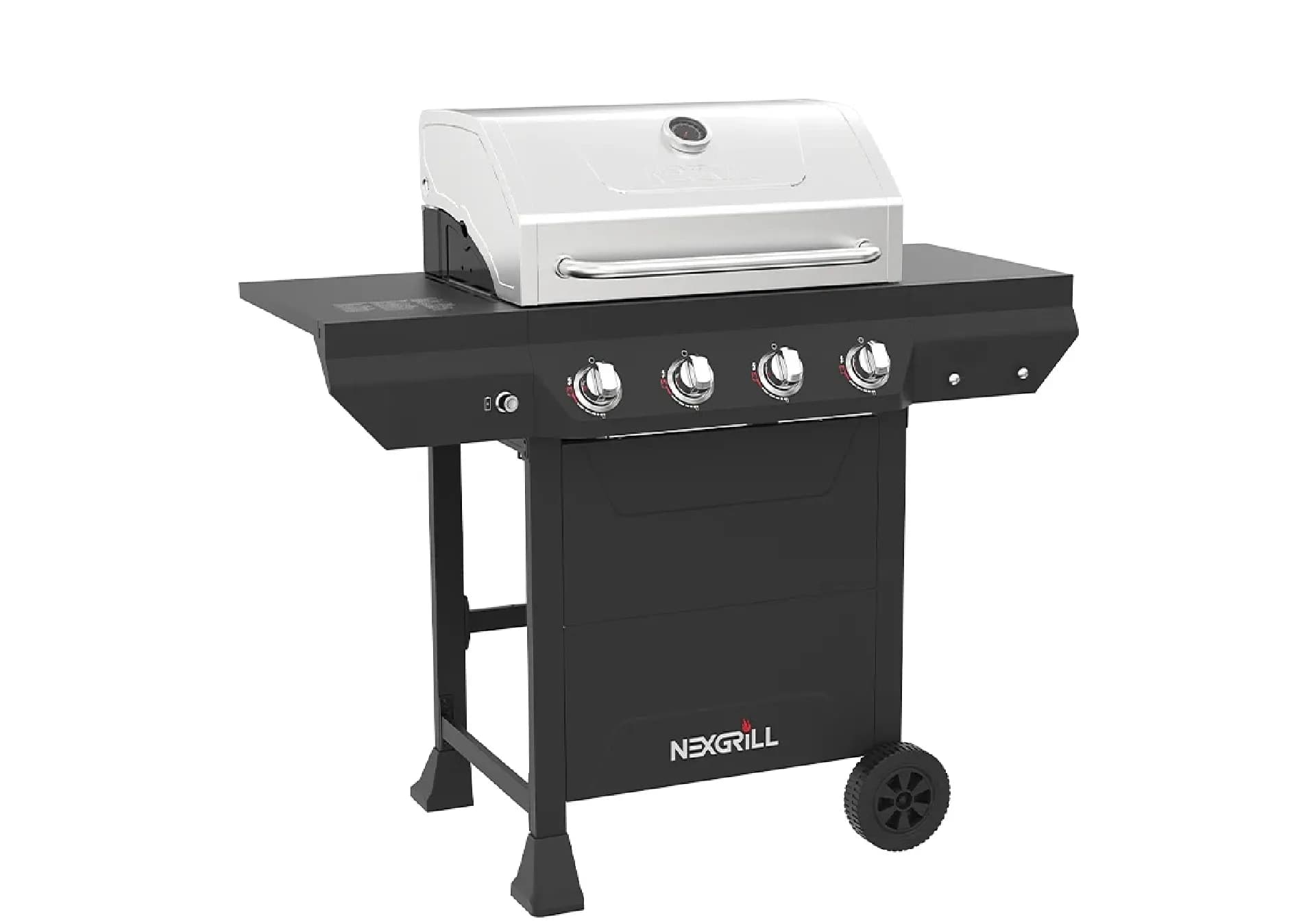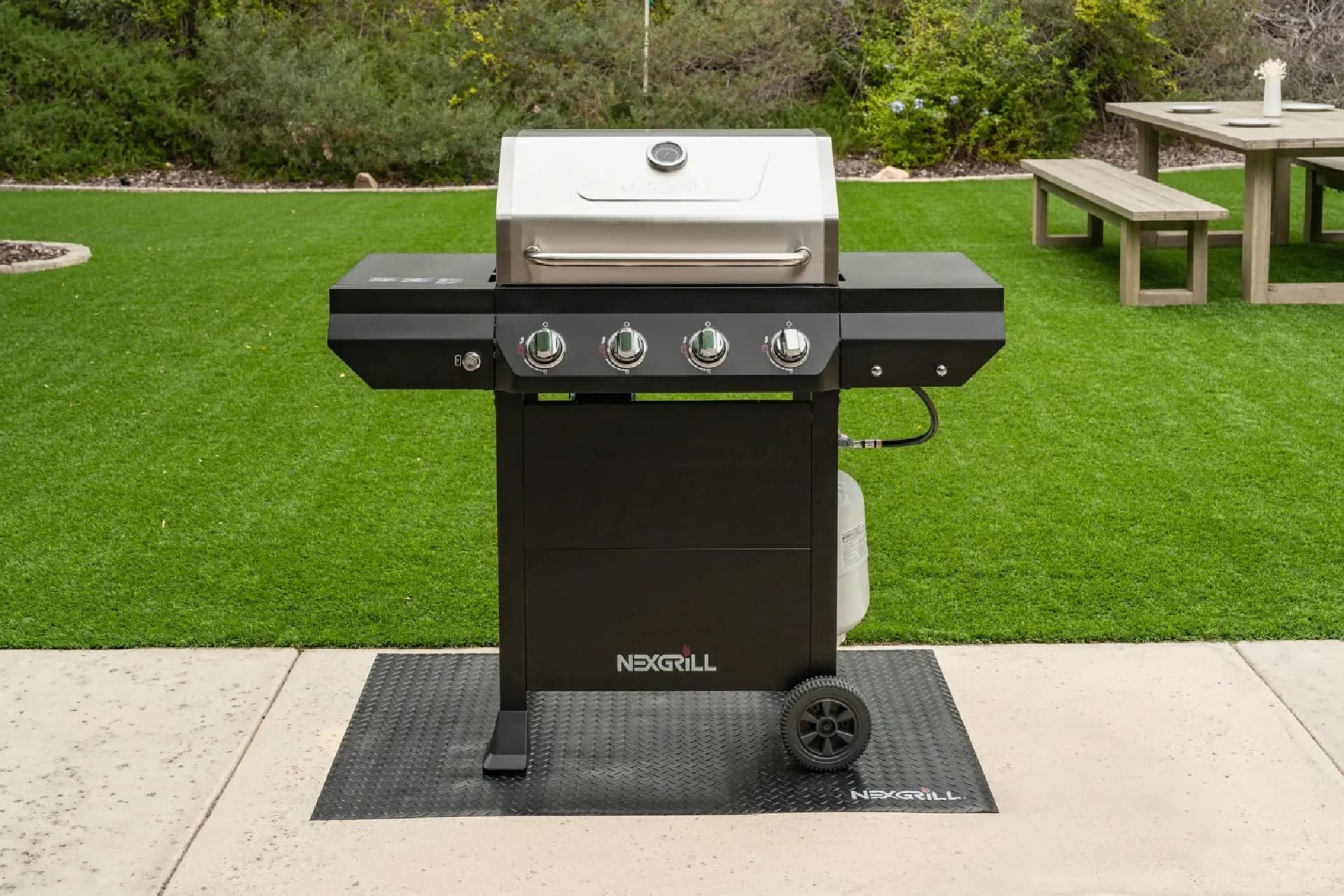
Explore the best options for compact outdoor cooking with side burners.
Here's what sets us apart from the competition
We position ourselves as delivering high-end outdoor cooking features and performance without premium-brand pricing, emphasizing “Quality Grills. Unbelievable Value.”
We offer gas grills, pellet grills, griddles, smokers, pizza ovens, portable/tabletop grills, electric grills, accessories, and replacement parts — allowing customers to stay within one ecosystem for all outdoor cooking needs.
We differentiate ourselves through smart grilling products like the Oakford smart pellet grill, including app-connected cooking controls and modern outdoor cooking technology.
Expert tips, buying guides, comparisons, and inspiration for choosing and getting the most out of your grill.
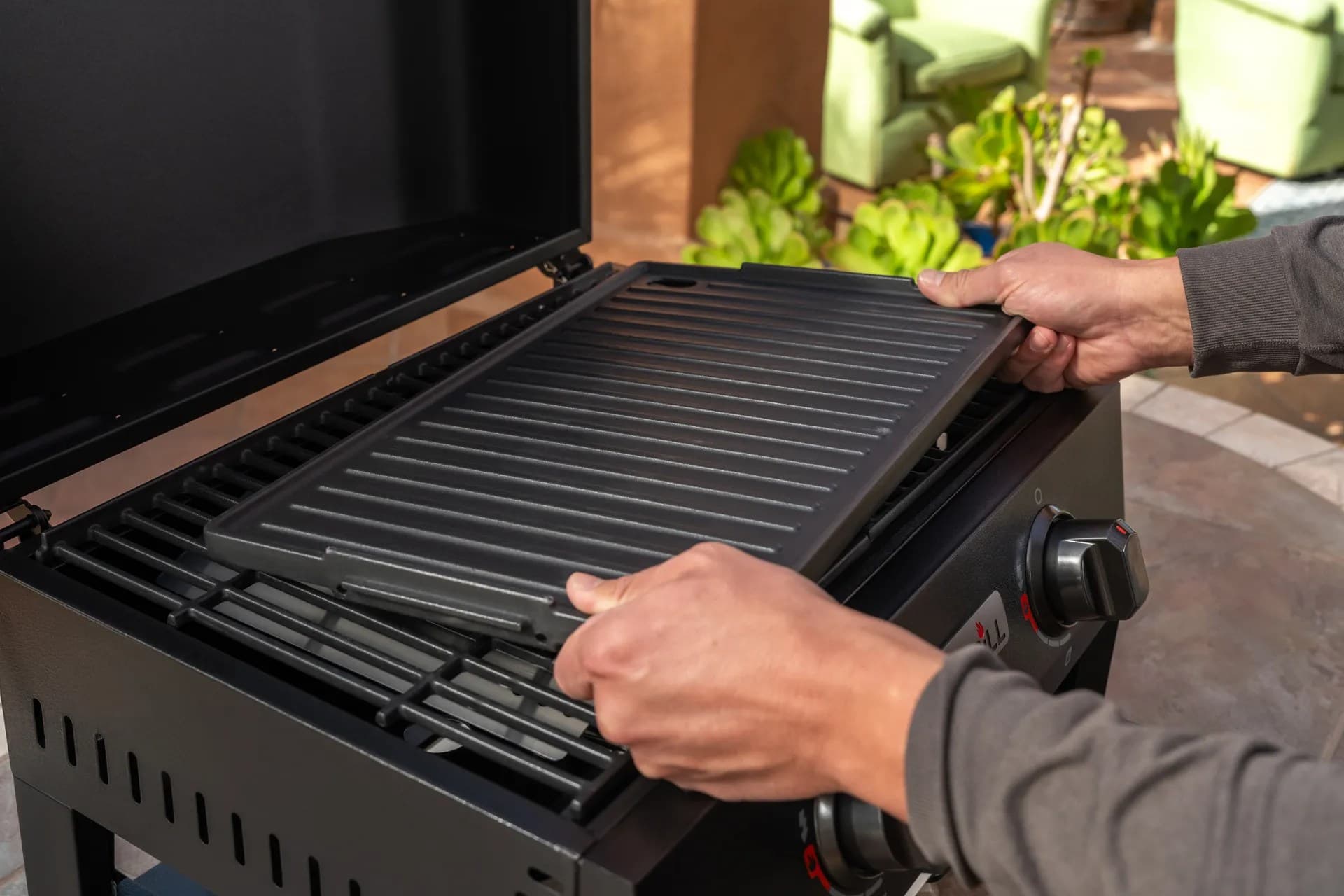
Practical guides for cleaning, maintenance, common grill issues, and performance optimization.
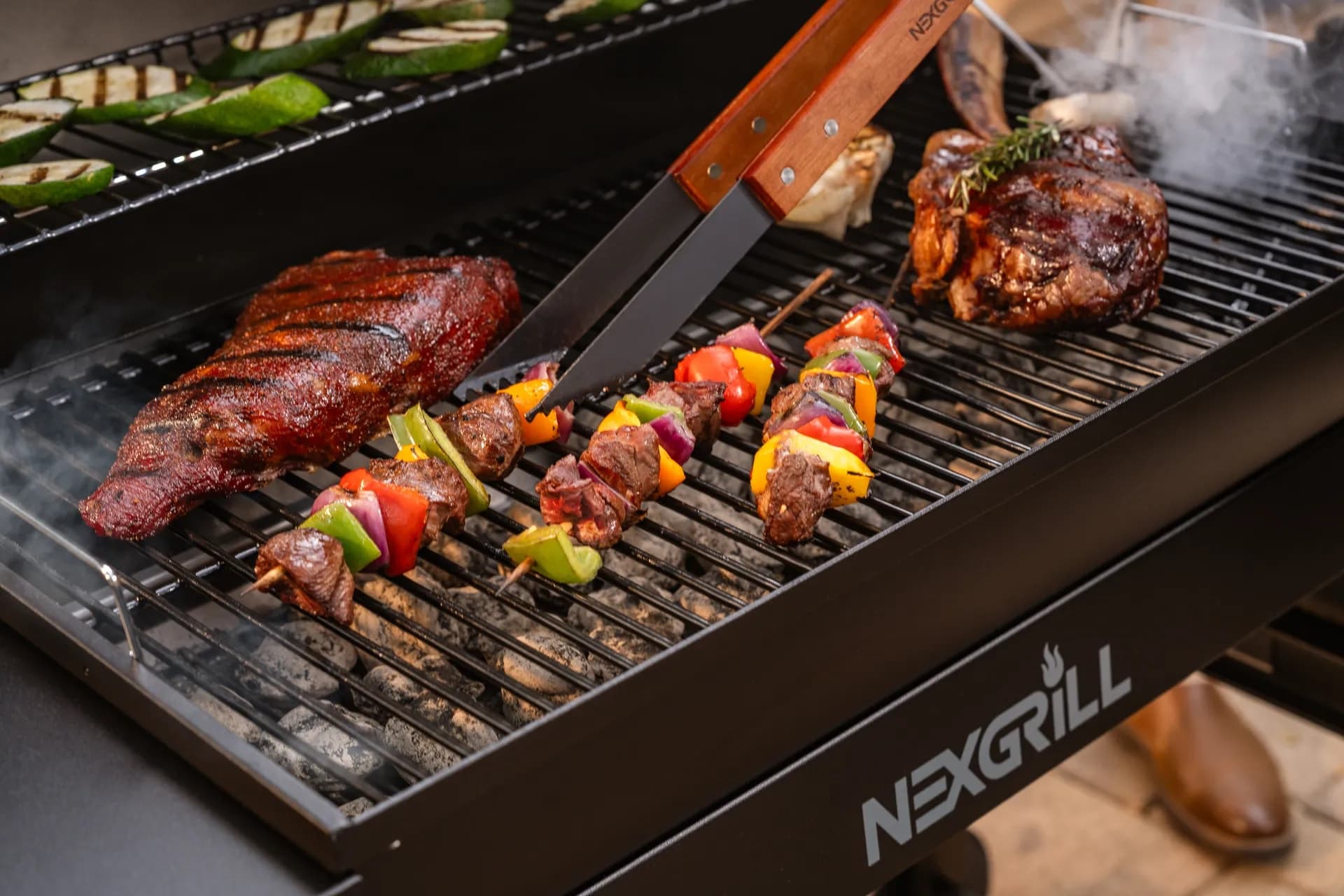
Step-by-step grilling recipes, cooking techniques, and meal ideas for every occasion and skill level.

Backyard entertaining ideas, seasonal grilling inspiration, and stories that celebrate outdoor cooking culture.
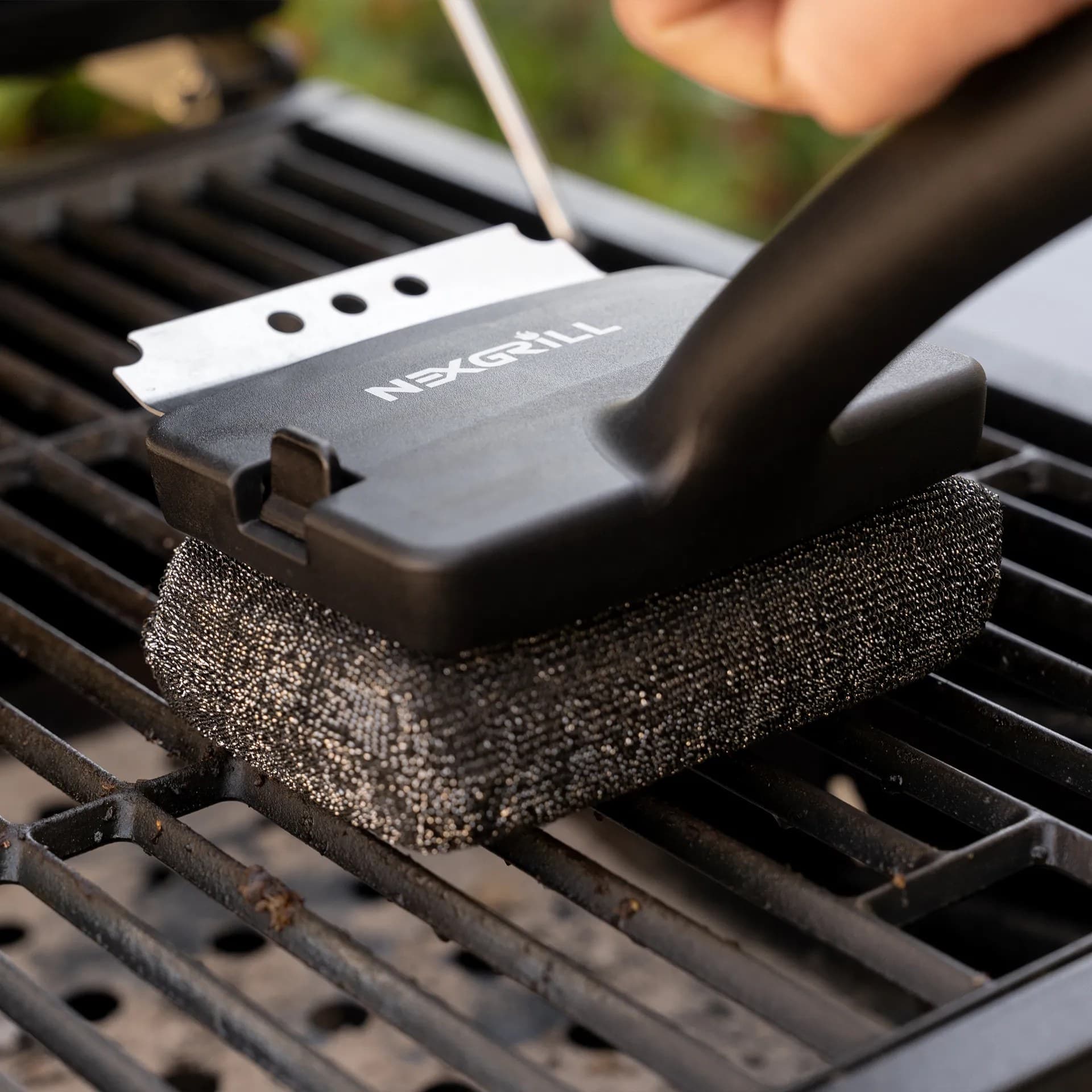
Helpful articles covering grilling tools, cookware, maintenance gear, and must-have accessories for outdoor cooking.
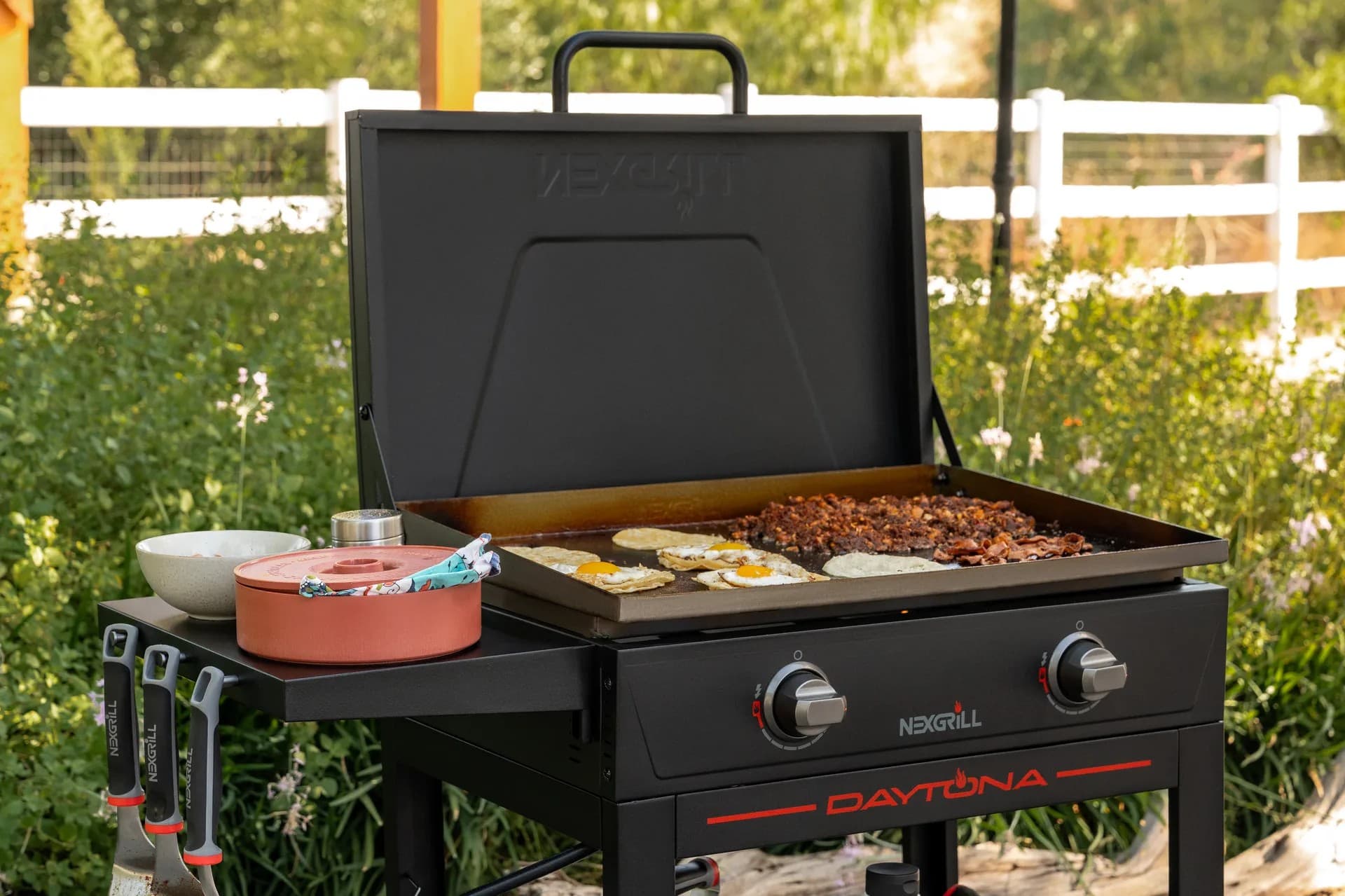
Find griddle recipes, cooking techniques, cleaning tips, and outdoor meal ideas designed for Nexgrill griddles.
Find answers to common questions
Nexgrill offers a variety of gas grills, including standard models, portable options, and premium designs with advanced features. Each is designed to cater to different grilling needs and preferences.
To clean your Nexgrill gas grill, regularly scrape down the grates, empty the grease tray, and wipe down exterior surfaces. Consult your model's manual for specific maintenance instructions and recommended cleaning products.
Nexgrill gas grills are designed to use either propane or natural gas, depending on the model. Ensure you read the specifications to determine the appropriate fuel type for your grill.
Many Nexgrill models can be converted from propane to natural gas with a conversion kit. Check the owner's manual for compatibility and details on the conversion process.
If your Nexgrill gas grill is not lighting, first check the fuel supply, ensure the gas lines are free of obstructions, and verify that the igniter is functioning. Consult the user manual for troubleshooting tips specific to your model.
In This Article
Compact Cooking
Key Features
Price Insights
A 2-burner gas grill with a side burner sits in a very practical sweet spot for U.S. shoppers who want real outdoor cooking capability without moving up to a large, patio-dominating setup. It gives you enough main grilling surface for weeknight dinners, tailgate-style meals, and small backyard get-togethers, while the side burner adds a separate cooking zone for sauce, vegetables, corn, beans, or a skillet. For many households, that combination is more useful than a bigger grill with features they rarely use.
Price matters here because this category spans a wide range of value points. Some models focus on the basics: reliable ignition, steady heat, and a compact footprint. Others add stainless steel accents, higher-grade grates, enclosed cabinets, or extra prep space. The side burner is one of the biggest factors that changes the price, since it adds hardware, controls, and fuel routing beyond the two main burners. That means buyers should compare more than just the sticker number; they should look at the full cooking setup, the materials used, and how the grill fits their actual space.
For smaller patios, balconies, and compact decks, the best purchase is often the grill that matches your daily meals, not the one with the highest burner count.
A compact format that still supports direct grilling and a separate cooking zone for sauces or sides.
Nexgrill’s broader outdoor cooking philosophy is about making dependable grilling accessible and welcoming, with products built for real homes and real budgets. That perspective is especially relevant in this category, where buyers often want a grill that feels affordable but still has enough flexibility to handle more than burgers and brats. The right 2-burner model can become the everyday grill for couples, small families, apartment patios with enough clearance, and homeowners who want a second grill for quick cooking sessions.
If you are shopping with price in mind, it helps to think in terms of use cases. Are you mostly cooking for two to four people? Do you want to simmer barbecue sauce while steaks cook on the main grate? Are you trying to fit a grill on a narrow patio or a smaller suburban deck? These are the questions that separate a smart buy from an overbuilt one. In this article, we will look at what drives the price, which features matter most, and why side burners are worth considering for compact outdoor cooking.
In the United States, 2-burner gas grills with side burners commonly land in the low-to-mid hundreds, with the exact price depending on materials, cooking surface, cart design, ignition type, and whether the side burner is a basic open burner or a more refined accessory. Entry-level models often focus on function-first construction and may be the best fit for buyers who want a straightforward grill for occasional use. Mid-range options usually improve the feel of the controls, grates, and frame, and may include larger prep shelves or enclosed storage. Higher-priced versions may bring stainless steel components, heavier lids, or more polished fit and finish.
The biggest price drivers are easy to identify once you know what to look for. Stainless steel generally adds cost compared with painted steel because it resists corrosion better and often looks cleaner over time. A larger cooking area also matters, because more grate space usually means a larger body, stronger cart, and more robust burner layout. Side burners themselves can also raise the price because they add another heat source and extra controls. If a grill includes a lid over the side burner, that can help wind performance and give you a more usable prep zone, but it may also increase the cost slightly.
| Price tier | Typical U.S. range | What you usually get |
|---|---|---|
| Entry-level | About $150-$250 | Basic burners, compact frame, smaller shelves, lighter materials |
| Mid-range | About $250-$450 | Better grates, sturdier cart, improved heat control, more usable prep space |
| Upper value | About $450-$700+ | Heavier construction, stainless accents, side burner lid, better fit and finish |
Those ranges are estimates, not fixed rules, because promotional pricing and seasonal discounts can move a grill up or down quickly. For shoppers in the U.S., spring and early summer often bring the widest selection and more aggressive pricing, while late-season sales can create strong values if you do not mind buying after peak grilling season. The smartest move is to decide which features you truly need before you compare prices, so you can tell the difference between a genuine value and a grill that is simply cheaper because it is missing things you will use every week.
A low price is not a bargain if the side burner is flimsy, the cart feels unstable, or the cooking grate area is too small for your household.
When evaluating a 2-burner gas grill with side burner price, the features behind the number matter more than the number itself. Start with burner output, but do not stop there. Two burners can produce plenty of heat for small- to medium-sized households if the grill is designed well. What matters is how consistently that heat reaches the cooking grate, how easy it is to create separate hot and cooler zones, and whether the grill can recover quickly after the lid is opened.
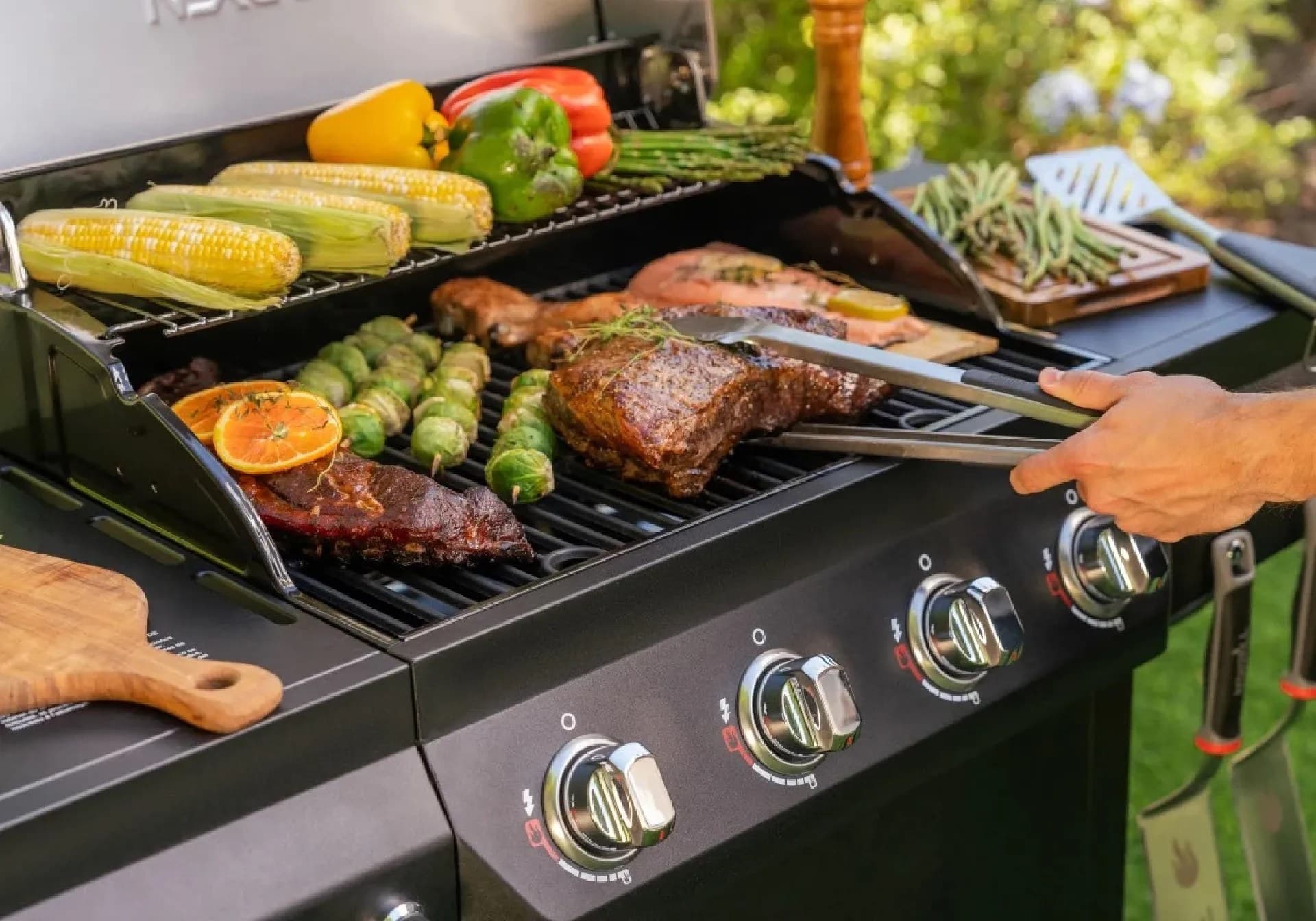
Cooking area is another practical consideration. For a couple or a small family, a compact main grate can be enough for burgers, chicken breasts, vegetables, and a few steaks. If you cook mixed meals, though, the side burner becomes a real multiplier. You can keep a pan of onions warm, reduce a glaze, or boil potatoes while the main chamber handles the protein. That flexibility often makes a smaller grill feel much more capable than it looks on paper.
Materials affect both comfort and longevity. Porcelain-coated grates are often easier to clean and can deliver solid heat retention. Stainless steel grates and burners may offer a more premium feel, especially in humid or coastal climates. Painted steel carts can keep the purchase price down, but buyers should pay attention to welds, fasteners, and storage areas because those details affect how the grill holds up after repeated outdoor exposure. The lid style also matters, since a heavier lid can help with heat retention and wind resistance, which is useful in breezy backyards.
| Feature | Why it matters | What to look for |
|---|---|---|
| Main burners | Control heat on the primary cooking surface | Stable ignition, even flame coverage, easy knob control |
| Side burner | Adds a separate cooking zone for sauces and sides | Wind protection, practical lid, enough clearance for pans |
| Cooking grates | Influence sear marks and cleanup | Porcelain-coated or stainless steel grates |
| Cart and shelves | Affects stability and prep convenience | Enough shelf space, solid wheel design, secure storage |
One feature that often gets overlooked is ignition consistency. A grill with a decent side burner but unreliable startup can create frustration every time you cook. Likewise, a side burner that is useful only on calm days may not feel like a true value if your patio is exposed to wind. This is why small details, such as burner cover shape and spacing around the burner, should influence your decision as much as headline BTU numbers.
If you want a quick way to narrow your shortlist, ask whether the grill is built for everyday cooking convenience or for occasional entertaining. Everyday use favors durable knobs, stable carts, and easy cleaning. Entertainment use benefits from a more generous side shelf, a burner that can hold a pot steadily, and enough main grate room to keep food moving in batches. Compare two products side by side below to see which fits best:
The side burner is what turns a compact gas grill into a small outdoor cooking station. For many households, it is the feature that justifies spending a little more. Instead of running back and forth between the kitchen and the patio, you can manage a full meal in one place. That matters when you are making a sauce, sautéing peppers, warming baked beans, or keeping a cast-iron pan hot while the main grill handles your entrée.
Another benefit is temperature separation. A side burner gives you a dedicated heat source that does not interrupt the main grill workflow. That means you can reduce a glaze without crowding the grate or keep a pot of vegetables under control while steaks rest. In small outdoor spaces, this separation is especially valuable because you may not have room for a second appliance or a full outdoor kitchen setup.
For small patios and modest decks, one side burner can replace a lot of kitchen trips and make outdoor cooking feel far more complete.
Side burners also help when you cook for people with different timing needs. You can hold one dish at a gentle simmer while another finishes over direct heat. That keeps food quality more consistent, especially for family dinners where everything needs to hit the table at once. If you like to prep sauces ahead of time, the side burner can also help you manage finishing touches outdoors instead of indoors, which keeps the entire meal flow in one place.
For buyers comparing value, this extra functionality often matters more than a small difference in burner count on the main grill. A well-designed 2-burner model with a useful side burner can outperform a bigger, less flexible grill in real life because it matches how people actually cook. That is the core of the price question: you are not just buying metal and burners, you are buying convenience, control, and the ability to finish more of the meal outside.
Once you've weighed two options against each other, the next question is how different brands shape the value of a 2-burner gas grill with side burner price. In this category, the comparison is usually less about flashy features and more about practical trade-offs: the feel of the cart, how steady the burners are, how much usable space you get, and whether the side burner is truly helpful or just a box-checking add-on. For U.S. shoppers, brands like Weber, Napoleon, and Nexgrill tend to occupy different parts of the value spectrum, and those differences matter if you are shopping for a smaller patio or a modest backyard.
Weber is often associated with premium fit and finish, with prices that can climb when you add a side burner or a more refined cabinet design. Buyers often pay for a polished ownership experience: sturdy materials, strong resale appeal, and a reputation for consistent performance. Napoleon, meanwhile, often positions itself with higher-end design cues and a feature-rich approach, which can push the price up as well. If you want a compact grill that feels engineered rather than basic, Napoleon can be compelling, but the cost may be harder to justify if you only grill occasionally. Nexgrill’s appeal is different: it focuses on accessible value, with a broader emphasis on giving home cooks practical features without making the total price feel out of reach. That approach aligns well with shoppers who want the side burner to be genuinely useful, not just present.
| Brand | Typical value position | Best fit |
|---|---|---|
| Weber | Often premium-priced | Buyers prioritizing long-term brand reputation and polished construction |
| Napoleon | Upper-mid to premium | Shoppers wanting more refined features and a premium feel |
| Nexgrill | Value-focused | Families and casual grillers who want practical features at a friendlier price |
A useful way to compare brands is to think about total ownership value rather than the first purchase alone. A slightly cheaper grill can become expensive if replacement parts are hard to manage or if the side burner never quite works the way you hoped. On the other hand, paying more for a brand name does not automatically make the grill better for your specific space. If your deck is small, your cooking style is simple, and your side burner is mainly there for sauce and side dishes, a value-oriented model may give you the best return. That is where Nexgrill often makes sense: it aims to meet everyday grilling needs without pushing buyers into features they do not use.
For buyers comparing models, the smartest question is not which brand is strongest overall, but which brand is strongest for your pattern of use. If you grill three nights a week and need the side burner regularly, place more weight on burner layout and shelf function. If you mostly cook on weekends, materials and value matter more than extra polish. The best brand is the one whose strengths match your actual patio routine.
User reviews for this category tend to cluster around a few recurring themes. People like the convenience of cooking sides outside, especially when they are preparing food for two to six people. Reviewers often mention that a side burner feels more useful than expected once they start using it for warming sauce, sautéing onions, or boiling small pots of water. That convenience shows up most clearly in smaller households where the grill is the main outdoor cooking appliance, not a backup tool.
On the positive side, owners frequently appreciate compact footprints, easier cleanup than larger multi-burner units, and the ability to fit the grill into a tighter patio layout. On the negative side, reviews often note that cheaper carts can feel light, side burners may be less effective in windy conditions, and smaller main cooking areas can require more batch cooking for larger groups. Those comments are useful because they help separate marketing promises from actual day-to-day performance.
The most helpful reviews are the ones that describe how the grill performs after a few months, not just how it looks on delivery day.
When reading reviews, look for repeated patterns instead of one-off extremes. If multiple buyers mention easy ignition, stable heat, and a side burner that actually fits a small saucepan, that is a stronger signal than a single five-star rating. Likewise, if several users mention that the grill works well for a small household but feels cramped for large parties, that tells you exactly where the product belongs. For this category, satisfaction usually rises when expectations are realistic: a 2-burner grill with side burner should be judged as a compact, flexible cooker, not as a substitute for a full outdoor kitchen.
Maintenance is one of the biggest factors in whether a budget-friendly grill stays a smart purchase over time. The good news is that a 2-burner model is usually simpler to maintain than a larger grill. After cooking, burn off residue briefly, then brush the grates while they are still warm. That small habit helps prevent buildup, preserves cooking performance, and makes your next session less sticky and frustrating. For grates and side burner surfaces, wipe away grease before it hardens, because old buildup can affect both flavor and heat distribution.
The side burner deserves the same attention as the main burners. Clear away drips, check that the burner ports remain open, and make sure the burner cap or grate area is free of debris. In compact grills, small blockages can matter more than people expect because there is less room to compensate for uneven heat. If your grill uses propane, inspect the hose and connections regularly and store the tank safely according to the manufacturer’s instructions. For a grill that stays outdoors, a fitted cover can help protect the frame, knobs, and burner area from rain, sun, and dust.
Do not ignore the side burner during cleaning. If it gets clogged or greasy, it can become the weakest part of an otherwise solid grill.
Seasonal upkeep also pays off. Before the main grilling season begins, check ignition performance, scrape any corrosion from hardware, tighten loose fasteners, and inspect the grease management path. If you grill near salt air or in a humid climate, these checks become even more important. The goal is simple: keep the grill clean enough that it heats evenly, starts reliably, and feels ready whenever you want to cook.
A 2-burner gas grill with side burner is a smart buy for shoppers who want compact size, practical flexibility, and a price that usually stays within reach of everyday households. If you choose based on real cooking needs, not just headline specs, you can find a grill that handles weeknight meals, small gatherings, and outdoor sauces without taking over your patio.
Here's what sets us apart
We position ourselves as delivering high-end outdoor cooking features and performance without premium-brand pricing, emphasizing “Quality Grills. Unbelievable Value.”
We offer gas grills, pellet grills, griddles, smokers, pizza ovens, portable/tabletop grills, electric grills, accessories, and replacement parts — allowing customers to stay within one ecosystem for all outdoor cooking needs.
We differentiate ourselves through smart grilling products like the Oakford smart pellet grill, including app-connected cooking controls and modern outdoor cooking technology.
Don't just take our word for it
Keep reading
From our catalog