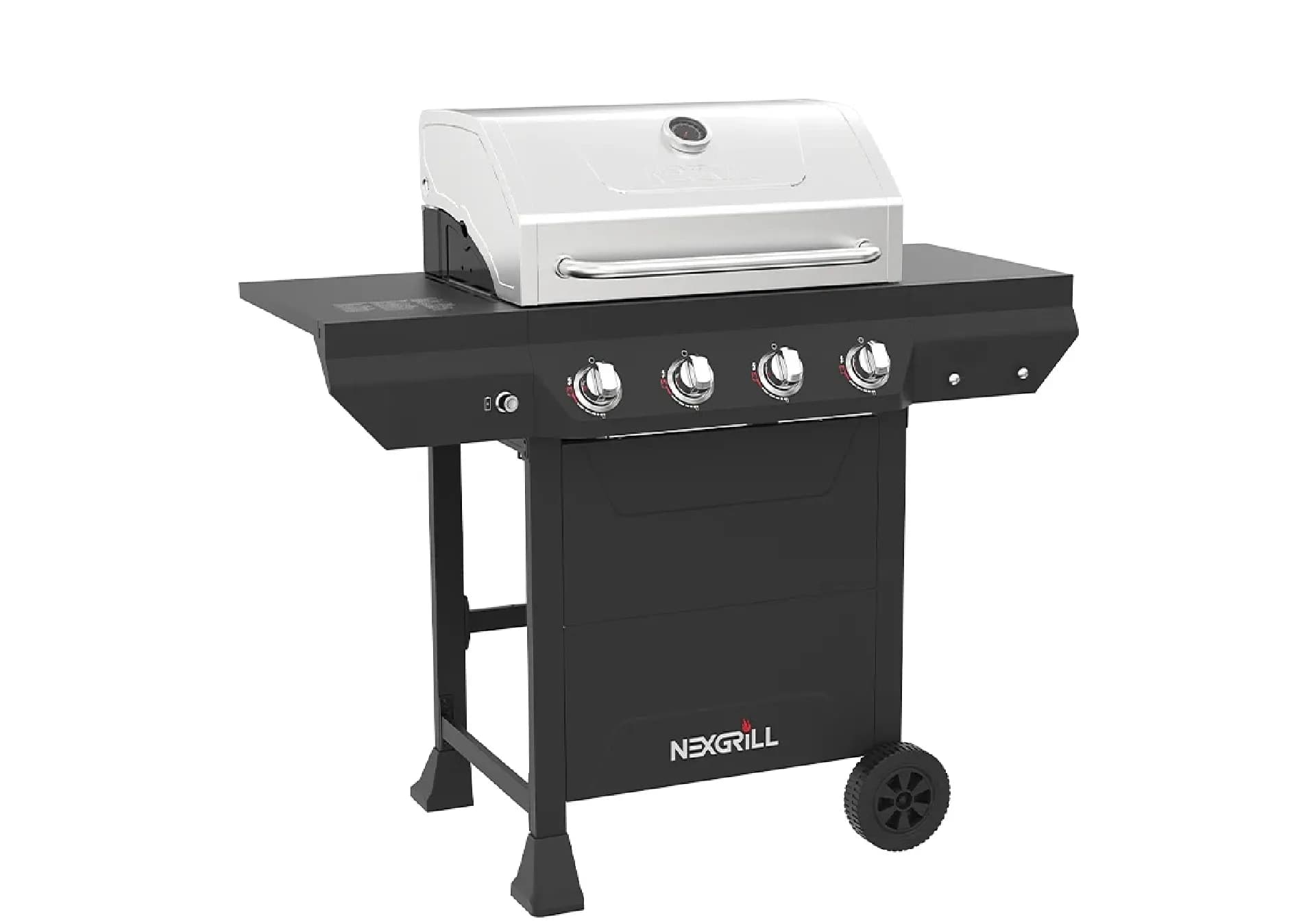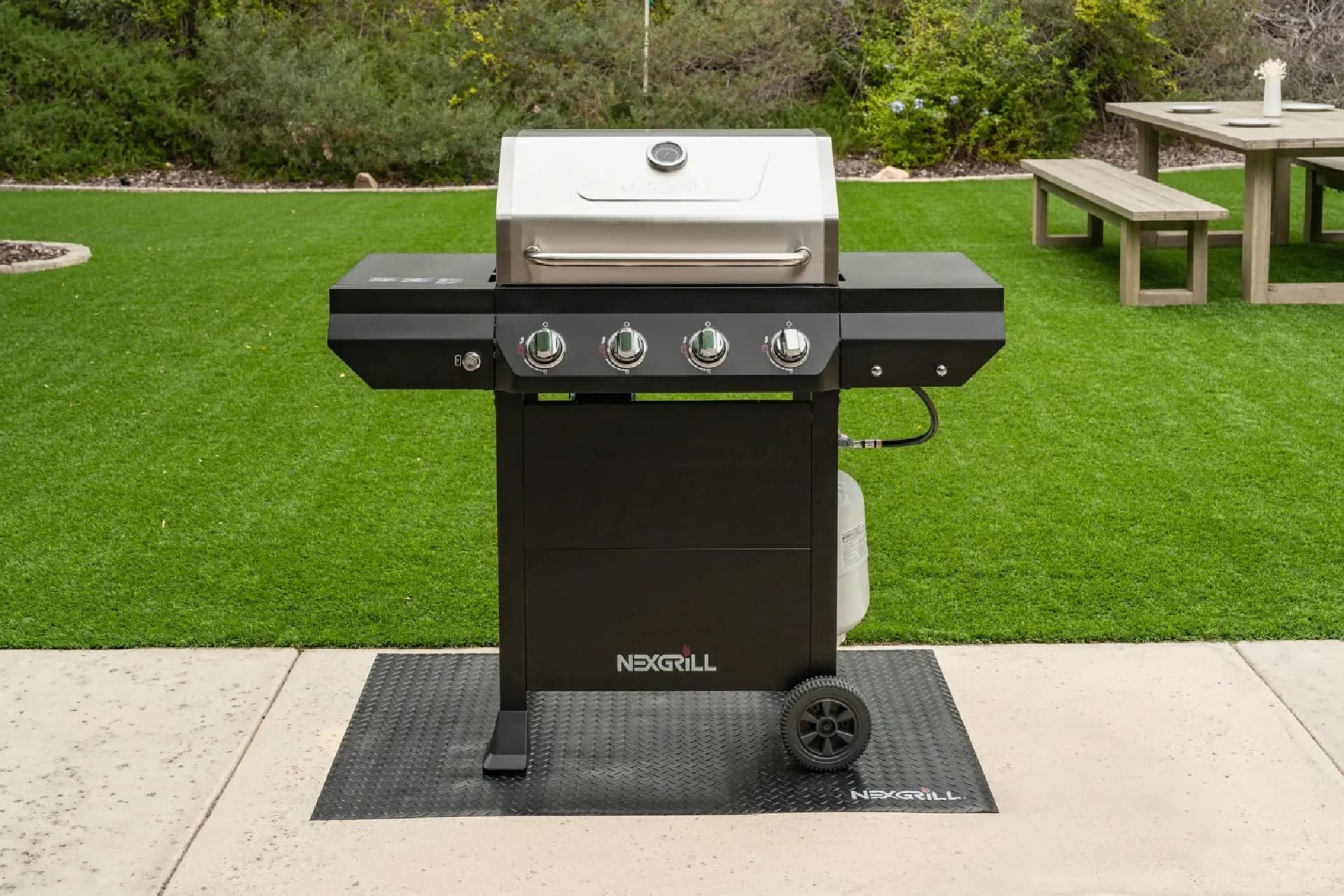
Explore factors affecting the longevity of your gas grill and tips to maximize its lifespan.

Here's what sets us apart from the competition
We position ourselves as delivering high-end outdoor cooking features and performance without premium-brand pricing, emphasizing “Quality Grills. Unbelievable Value.”
We offer gas grills, pellet grills, griddles, smokers, pizza ovens, portable/tabletop grills, electric grills, accessories, and replacement parts — allowing customers to stay within one ecosystem for all outdoor cooking needs.
We differentiate ourselves through smart grilling products like the Oakford smart pellet grill, including app-connected cooking controls and modern outdoor cooking technology.
Expert tips, buying guides, comparisons, and inspiration for choosing and getting the most out of your grill.
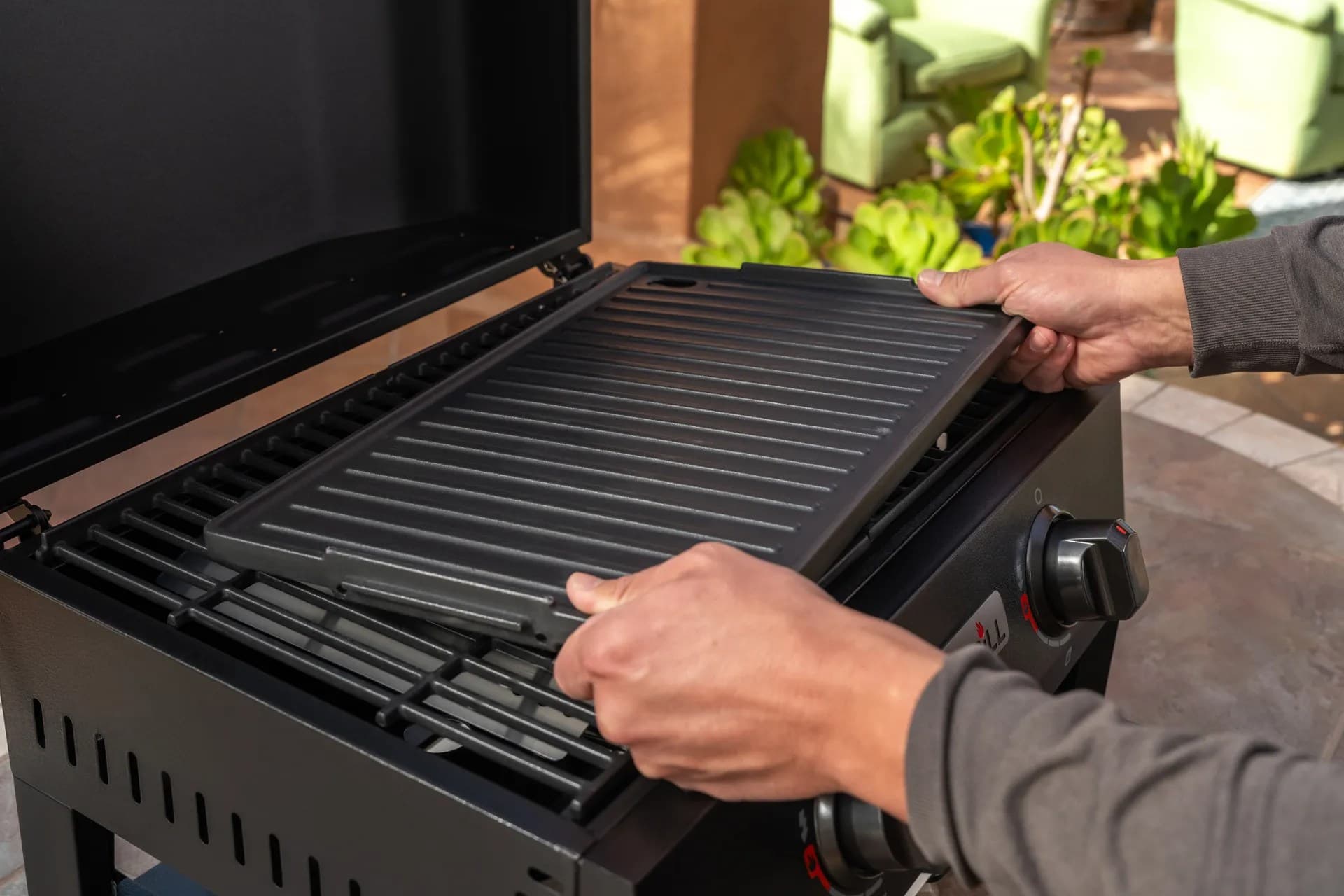
Practical guides for cleaning, maintenance, common grill issues, and performance optimization.
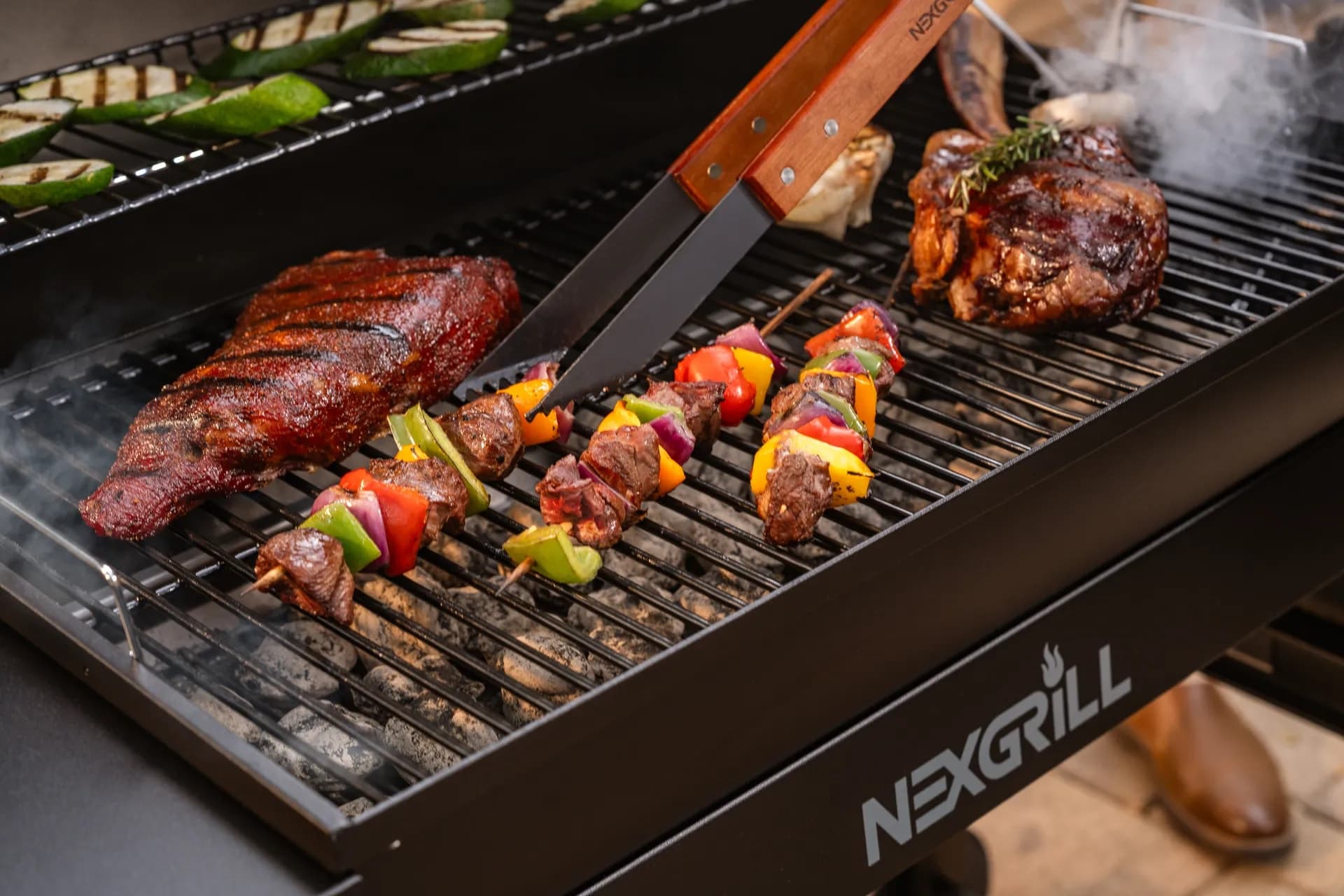
Step-by-step grilling recipes, cooking techniques, and meal ideas for every occasion and skill level.

Backyard entertaining ideas, seasonal grilling inspiration, and stories that celebrate outdoor cooking culture.
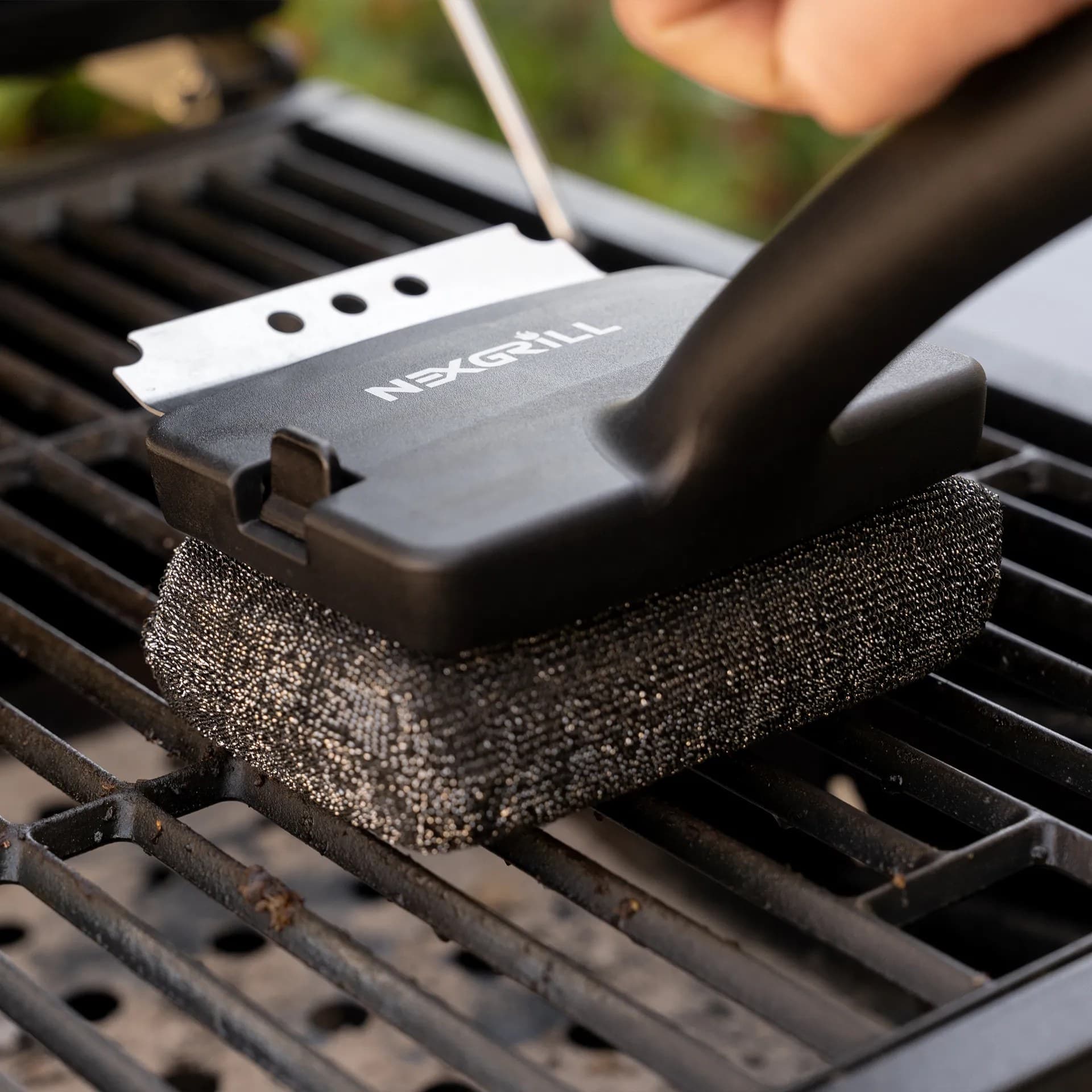
Helpful articles covering grilling tools, cookware, maintenance gear, and must-have accessories for outdoor cooking.
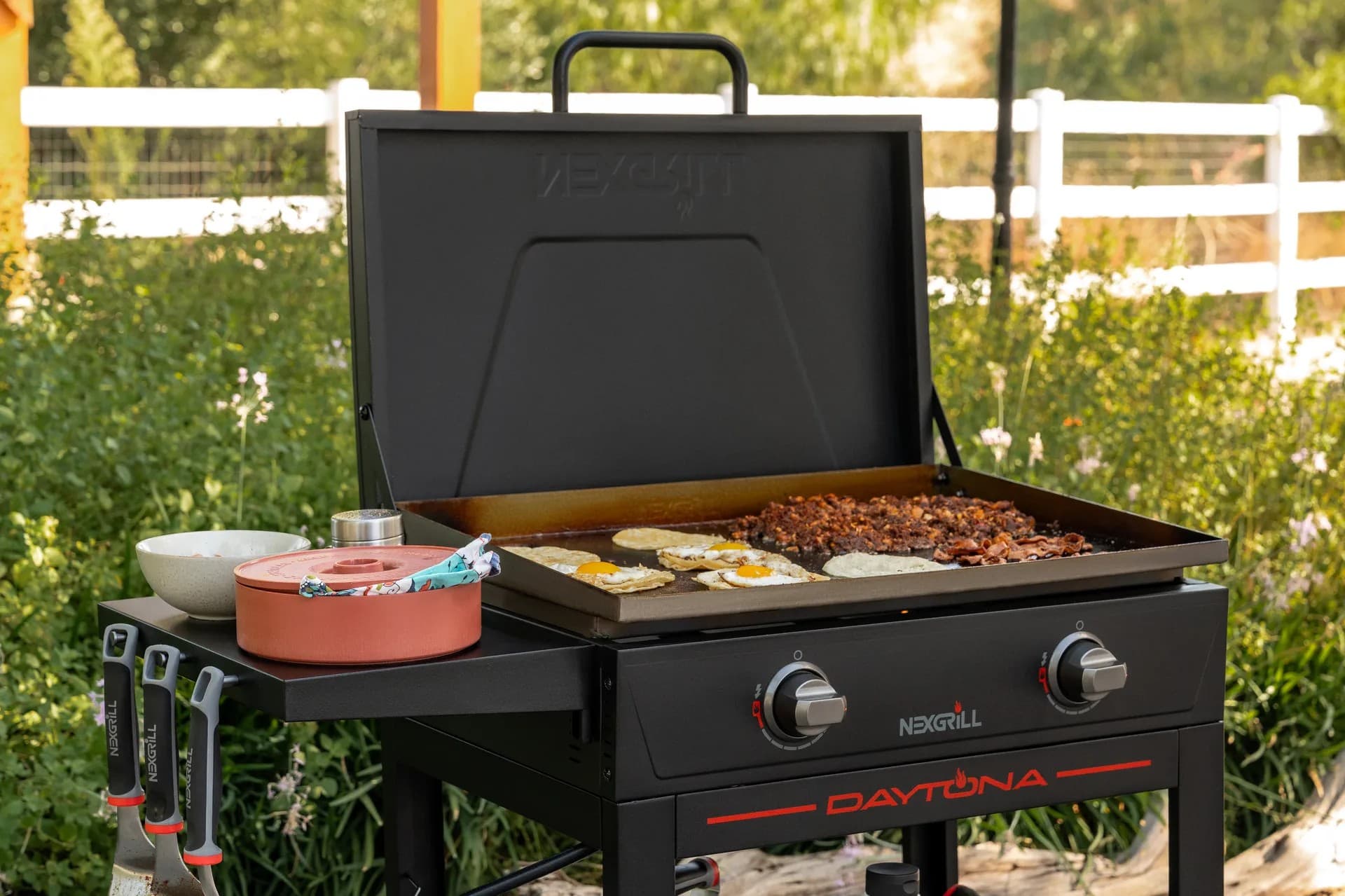
Find griddle recipes, cooking techniques, cleaning tips, and outdoor meal ideas designed for Nexgrill griddles.
Find answers to common questions
Nexgrill offers a variety of gas grills, including standard models, portable options, and premium designs with advanced features. Each is designed to cater to different grilling needs and preferences.
To clean your Nexgrill gas grill, regularly scrape down the grates, empty the grease tray, and wipe down exterior surfaces. Consult your model's manual for specific maintenance instructions and recommended cleaning products.
Nexgrill gas grills are designed to use either propane or natural gas, depending on the model. Ensure you read the specifications to determine the appropriate fuel type for your grill.
Many Nexgrill models can be converted from propane to natural gas with a conversion kit. Check the owner's manual for compatibility and details on the conversion process.
If your Nexgrill gas grill is not lighting, first check the fuel supply, ensure the gas lines are free of obstructions, and verify that the igniter is functioning. Consult the user manual for troubleshooting tips specific to your model.
In This Article
Average Lifespan Insights
Key Maintenance Tips
Understanding Wear Factors
The lifespan of a gas grill can vary significantly based on several factors including usage frequency, maintenance practices, and environmental conditions. On average, a well-maintained gas grill can last between 5 to 15 years. This range is broad because it considers grills that are well-protected and frequently serviced, as well as those exposed to harsh conditions and minimal upkeep.
Grills made with high-quality materials such as stainless steel typically last longer than those made with less durable materials. The frequency of use also plays a critical role; a grill used several times a week will generally wear out faster than one used occasionally. Furthermore, the exposure to elements like rain, snow, and humidity can accelerate wear and tear, impacting the overall lifespan. Environmental exposure can reduce lifespan.
| Factor | Impact on Lifespan |
|---|---|
| Material Quality | High-quality materials often increase lifespan. |
| Usage Frequency | Frequent use may decrease lifespan. |
| Environmental Exposure | Exposure to elements can reduce lifespan. |
Did you know? Stainless steel grills often outlast those made from cast iron due to their rust-resistant properties.
Regular maintenance is crucial for extending the life of your gas grill. This includes cleaning the grill grates after every use, checking for leaks in gas connections, and covering the grill when not in use to protect it from the elements. A well-maintained grill not only lasts longer but also performs better, providing consistent heat and efficient cooking. Mastering the art of using a gas grill increases its lifespan.
For example, cleaning the burners and ignition components can prevent clogs and ensure reliable ignition. Additionally, checking the propane tank connections for any signs of wear or leaks can prevent potential hazards and maintain safe operation.
Tip: Use a grill cover to protect your grill from rain and snow, reducing rust and corrosion risks.
The seasonality of grilling can also influence the lifespan. In colder climates, grills that are not stored properly during winter months may face accelerated wear. It is advisable to store the grill in a garage or covered area to prevent damage from snow and ice. In contrast, in warmer, dry climates, constant exposure to sunlight can fade the grill’s finish and degrade plastic components.
By understanding these factors, grill owners can take proactive steps to extend the lifespan of their grills, ensuring many seasons of enjoyable outdoor cooking. Discover the best-value pellet grills for your outdoor cooking needs.
To extend the life of your gas grill, it is essential to incorporate a regular maintenance routine. Here are some detailed tips to help you keep your grill in prime condition:
After each use, clean the grill grates with a wire brush to remove food particles and debris. This prevents buildup that can cause corrosion over time. Additionally, periodically clean the interior to remove grease that can accumulate and affect the grill’s efficiency.
Warning: Avoid using harsh chemicals that can damage the grill's coating. Opt for mild soapy water or specialized grill cleaners instead.
Investing in a quality grill cover can shield your grill from adverse weather conditions. A cover will protect against rain, snow, UV rays, and dust, all of which can contribute to the grill’s wear and tear. Make sure the cover fits well and is made of durable, weather-resistant material.
When not in use, store portable parts such as propane tanks and cooking utensils in a dry, sheltered area to prevent them from rusting or getting damaged.
Perform routine inspections of the grill’s components, including burners, ignition systems, and gas lines. Look for signs of wear, rust, or leaks, and address any issues promptly. Replacing worn-out parts can prevent further damage and ensure the grill operates safely.
Tip: Schedule a thorough inspection at the end of each grilling season to prepare the grill for storage.
Many gas grills come with manufacturer warranties that cover specific parts for a certain period. Familiarize yourself with the warranty details for your grill model, as this can save you money on repairs or replacements. Keep all purchase receipts and warranty documents in a safe place for easy access if needed.
If repairs are necessary outside the warranty period, consider contacting a professional service that specializes in grill maintenance. They can provide expert repairs and advice on maintaining your grill's performance.
By following these guidelines, you can extend the life of your gas grill, enjoy better performance, and maximize your grilling investment.
Here's what sets us apart
We position ourselves as delivering high-end outdoor cooking features and performance without premium-brand pricing, emphasizing “Quality Grills. Unbelievable Value.”
We offer gas grills, pellet grills, griddles, smokers, pizza ovens, portable/tabletop grills, electric grills, accessories, and replacement parts — allowing customers to stay within one ecosystem for all outdoor cooking needs.
We differentiate ourselves through smart grilling products like the Oakford smart pellet grill, including app-connected cooking controls and modern outdoor cooking technology.
Don't just take our word for it
Keep reading
From our catalog