Identify and troubleshoot issues for optimal grilling performance.
Here's what sets us apart from the competition
We position ourselves as delivering high-end outdoor cooking features and performance without premium-brand pricing, emphasizing “Quality Grills. Unbelievable Value.”
We offer gas grills, pellet grills, griddles, smokers, pizza ovens, portable/tabletop grills, electric grills, accessories, and replacement parts — allowing customers to stay within one ecosystem for all outdoor cooking needs.
We differentiate ourselves through smart grilling products like the Oakford smart pellet grill, including app-connected cooking controls and modern outdoor cooking technology.
Expert tips, buying guides, comparisons, and inspiration for choosing and getting the most out of your grill.
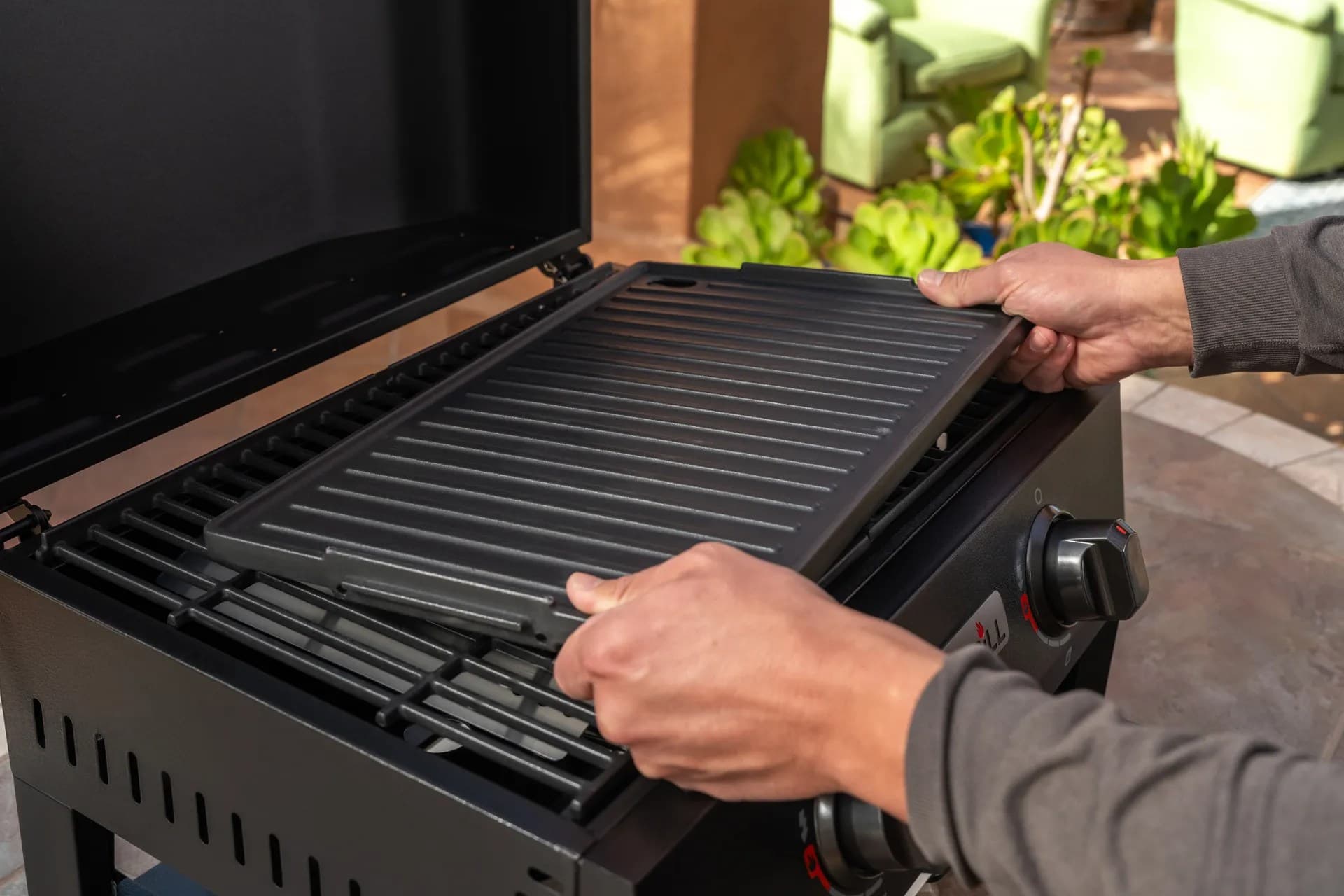
Practical guides for cleaning, maintenance, common grill issues, and performance optimization.
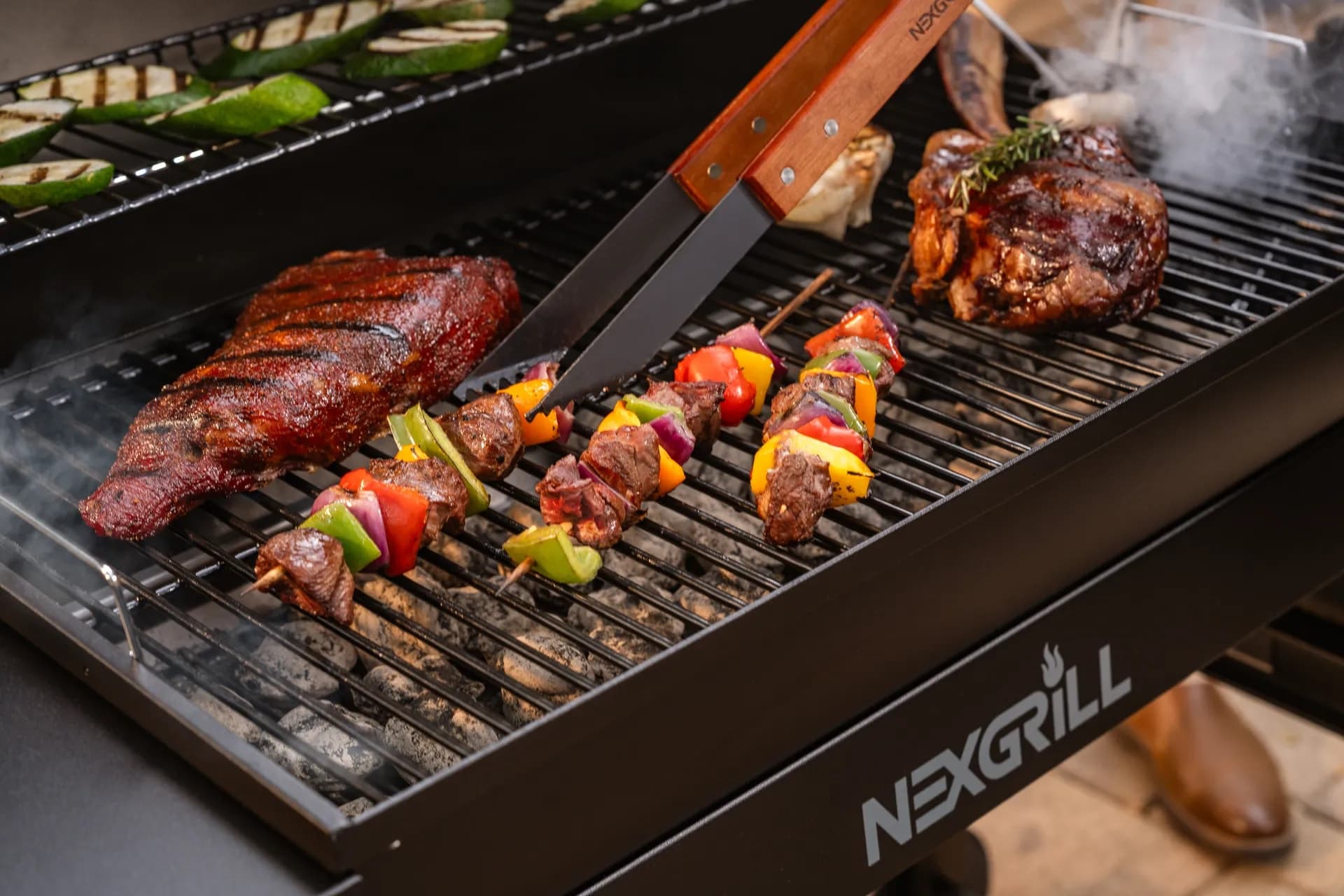
Step-by-step grilling recipes, cooking techniques, and meal ideas for every occasion and skill level.

Backyard entertaining ideas, seasonal grilling inspiration, and stories that celebrate outdoor cooking culture.
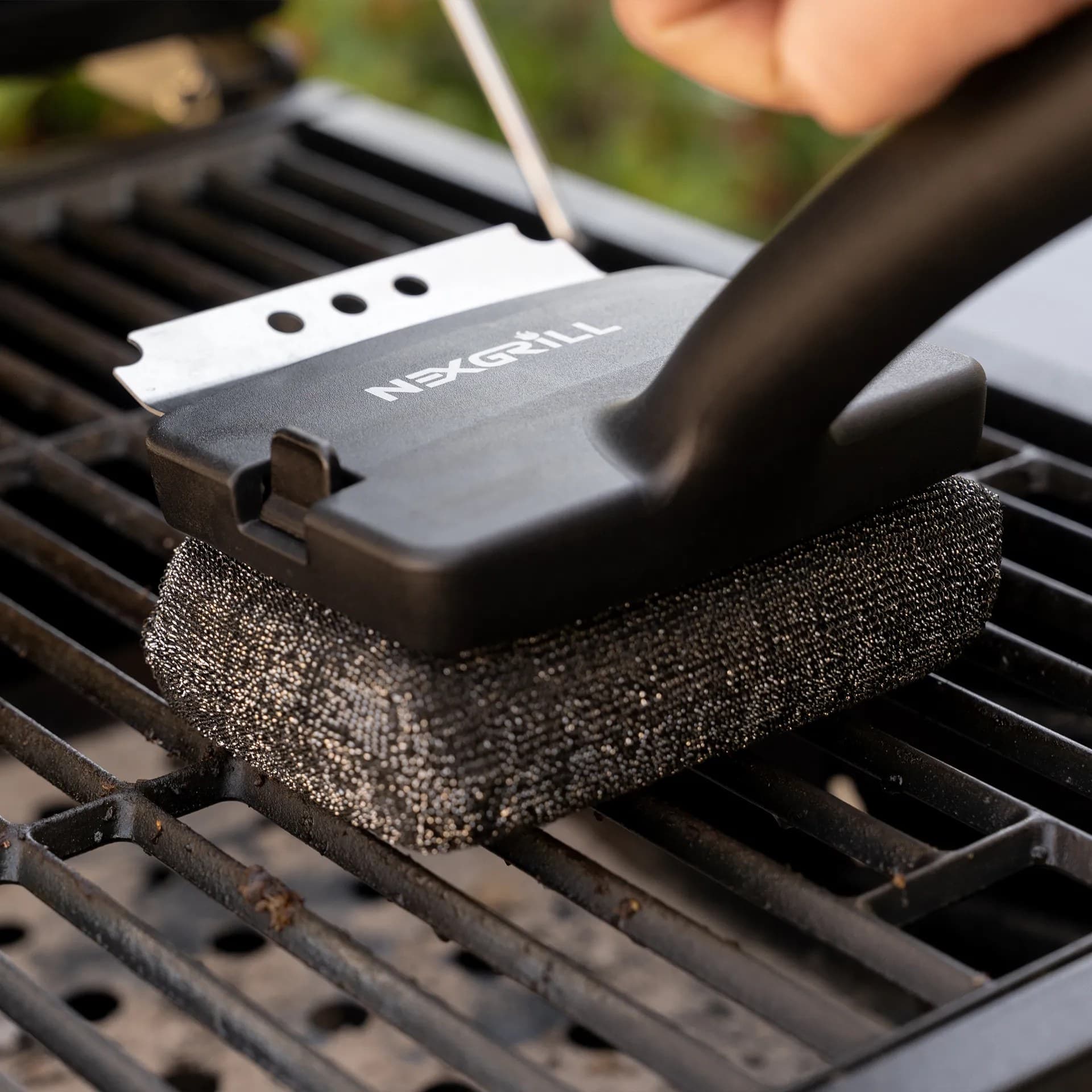
Helpful articles covering grilling tools, cookware, maintenance gear, and must-have accessories for outdoor cooking.
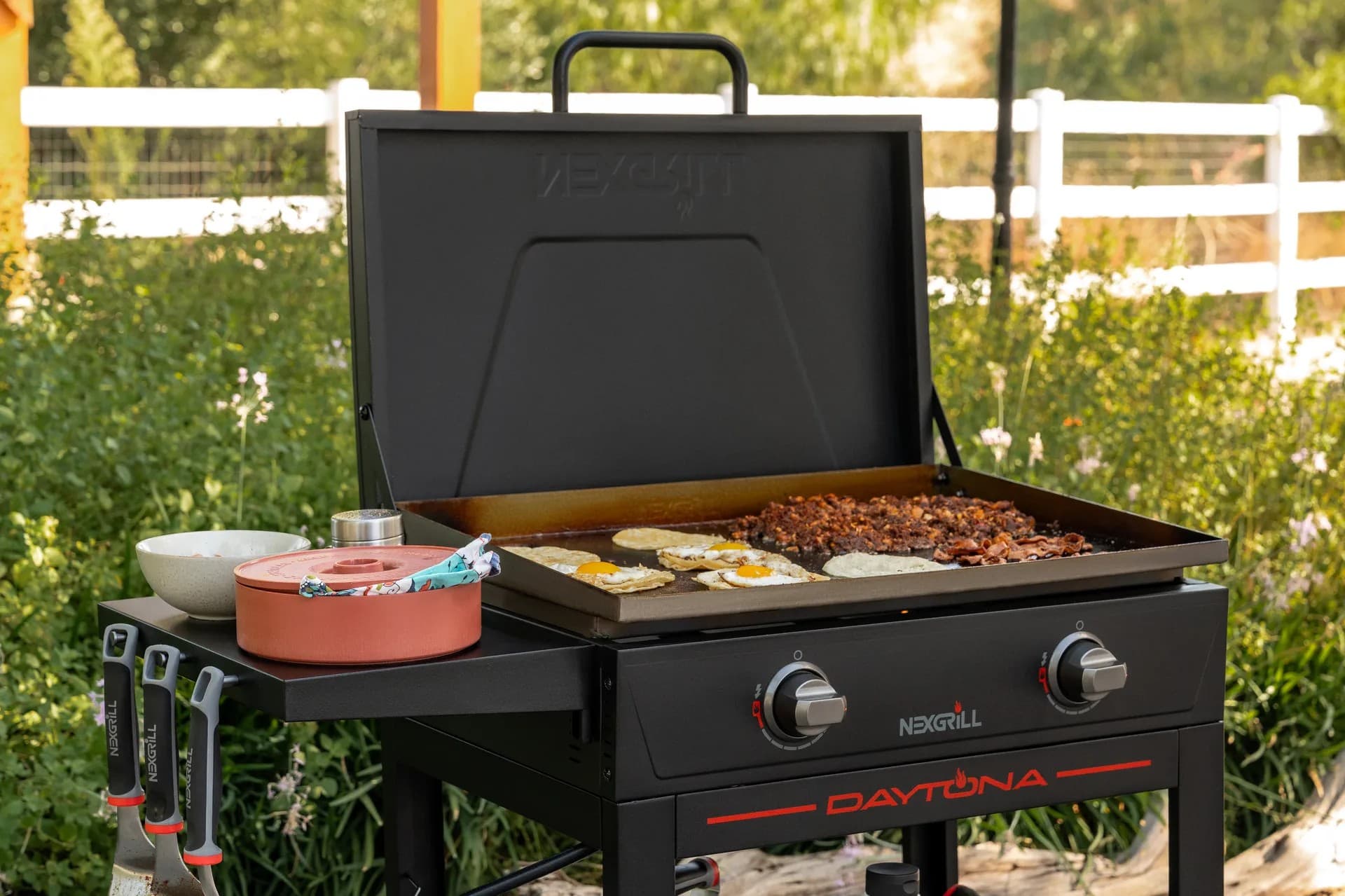
Find griddle recipes, cooking techniques, cleaning tips, and outdoor meal ideas designed for Nexgrill griddles.
Find answers to common questions
To clean your Nexgrill grill, ensure it is cooled down first. Use a grill brush to scrub the grates, and wipe down the exterior with warm, soapy water. For deeper cleaning, disassemble parts as per the user manual's instructions.
If your grill won't light, check that the propane tank has gas and that all connections are secure. Ensure the ignition switch is functioning and that there are no obstructions in the burners. Refer to the troubleshooting section of your manual for specific steps.
It's recommended to perform regular maintenance checks after every use, such as cleaning grates and checking gas connections. In addition, a thorough inspection and cleaning every few months can prolong the life of your grill and ensure optimal performance.
To store your grill during the off-season, clean it thoroughly and ensure it is dry to prevent rust. Cover it with a grill cover designed for your model, and store it in a dry, sheltered location if possible.
Uneven heat may occur due to clogged burners or worn-out flame tamers. Check for blockages in the burner ports and clean them as necessary. Additionally, ensure that the grill is level and properly assembled for consistent heat distribution.
In This Article
Inconsistent Flame
Noisy Operation
Gas Odor
A gas grill regulator is pivotal in ensuring the safe and efficient operation of your outdoor cooking equipment. It controls the flow of propane from the fuel tank to the grill, maintaining an optimal pressure that allows your grill to function correctly. Without a properly working regulator, your grill could experience inconsistent heating, posing safety risks and affecting cooking performance.
Regulators are built to withstand various environmental conditions, but they are not immune to wear and tear. Over time, exposure to the elements and regular usage can degrade their functionality. Identifying symptoms of a malfunctioning regulator early can save you from potential hazards and ensure your grilling remains a pleasant experience.
Several signs can indicate that your gas grill regulator is not functioning as it should. Recognizing these symptoms can help you address the problem before it leads to more significant issues:
| Symptom | Potential Cause | Impact |
|---|---|---|
| Inconsistent Flame | Pressure Fluctuations | Uneven Cooking |
| Noisy Operation | Pressure Build-up | Safety Hazard |
| Yellow/Orange Flame | Poor Gas Flow | Incomplete Combustion |
| Difficulty Igniting | Low Pressure | Frustration and Delays |
| Gas Odor | Leakage | Dangerous Conditions |
If you smell gas, turn off the grill immediately and check connections for leaks. Safety first!
Testing your gas grill regulator can help determine whether it requires replacement. Here are some steps you can follow:
Once you've determined that your regulator is faulty, replacing it is a straightforward process. Here's how:
It's crucial to use a regulator that matches your grill's specifications to maintain safety and performance. If you're unsure, consulting the manufacturer's guidelines or speaking with a professional can provide additional clarity.
| Step | Action | Note |
|---|---|---|
| 1 | Purchase a New Regulator | Ensure compatibility with your grill |
| 2 | Turn Off Grill | Safety first |
| 3 | Disconnect Old Regulator | Carefully remove connections |
| 4 | Attach New Regulator | Secure all fittings |
| 5 | Check for Leaks | Use soapy solution |
Regular maintenance of your gas grill regulator can extend its life and enhance your grilling experience. Consider these tips:
By taking these proactive steps, you can ensure your grill operates smoothly and safely for many seasons. Investing time in maintenance not only preserves the regulator's function but also enhances the overall safety and enjoyment of your grilling activities.
Tip: Keep a spare regulator on hand to avoid grilling interruptions.
Understanding and identifying the symptoms of a bad regulator on your gas grill is essential for maintaining safety and performance. By recognizing issues early and taking appropriate action, you can ensure that your grilling remains an enjoyable and worry-free activity.
Whether you're a casual griller or a seasoned pro, keeping your equipment in top condition allows you to focus on what truly matters: creating delicious meals and memories with family and friends.
Here's what sets us apart
We position ourselves as delivering high-end outdoor cooking features and performance without premium-brand pricing, emphasizing “Quality Grills. Unbelievable Value.”
We offer gas grills, pellet grills, griddles, smokers, pizza ovens, portable/tabletop grills, electric grills, accessories, and replacement parts — allowing customers to stay within one ecosystem for all outdoor cooking needs.
We differentiate ourselves through smart grilling products like the Oakford smart pellet grill, including app-connected cooking controls and modern outdoor cooking technology.
Don't just take our word for it
Keep reading
From our catalog