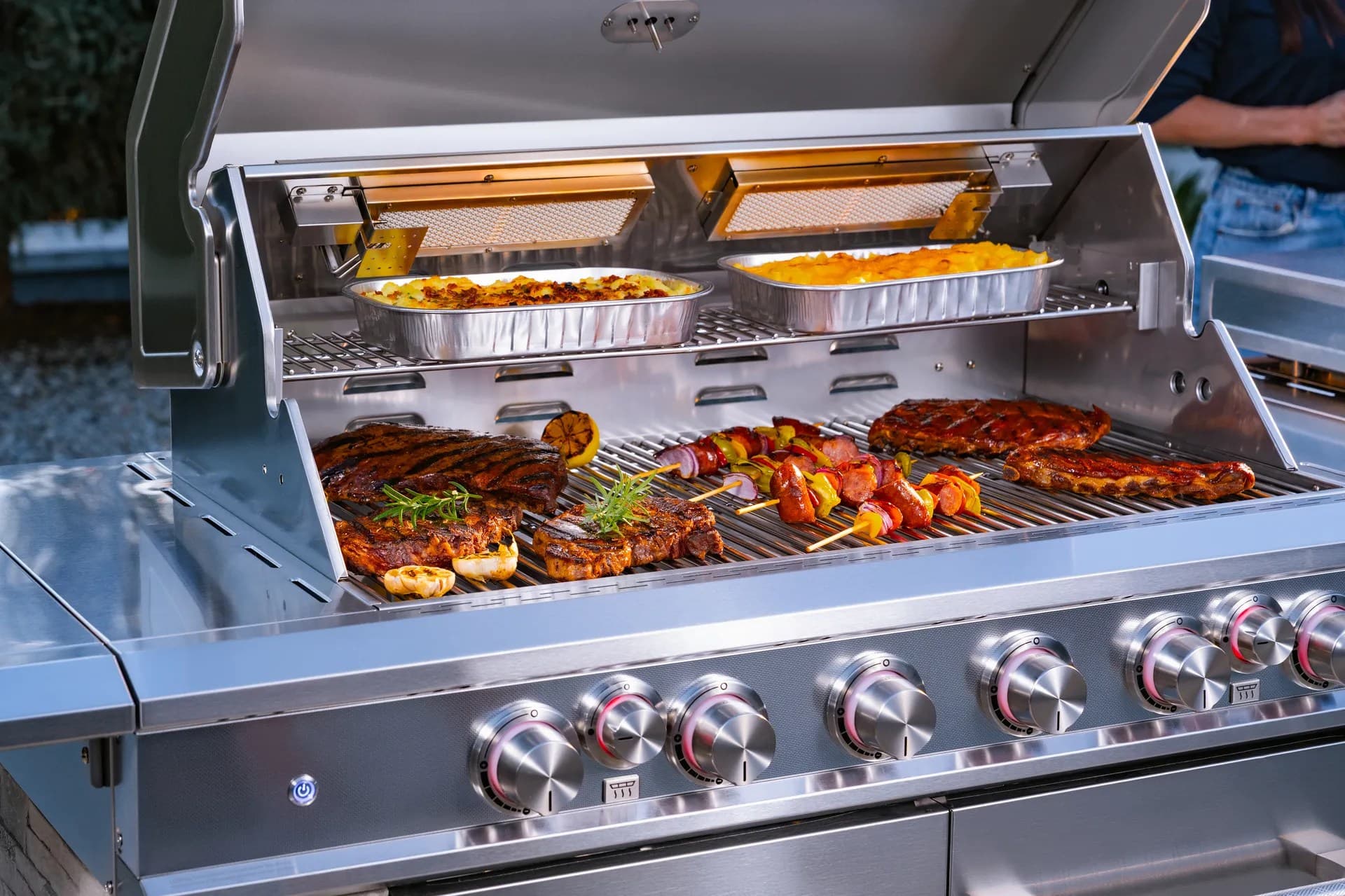
Explore the pros and cons of various grill fuels to find the best fit for your grilling style.
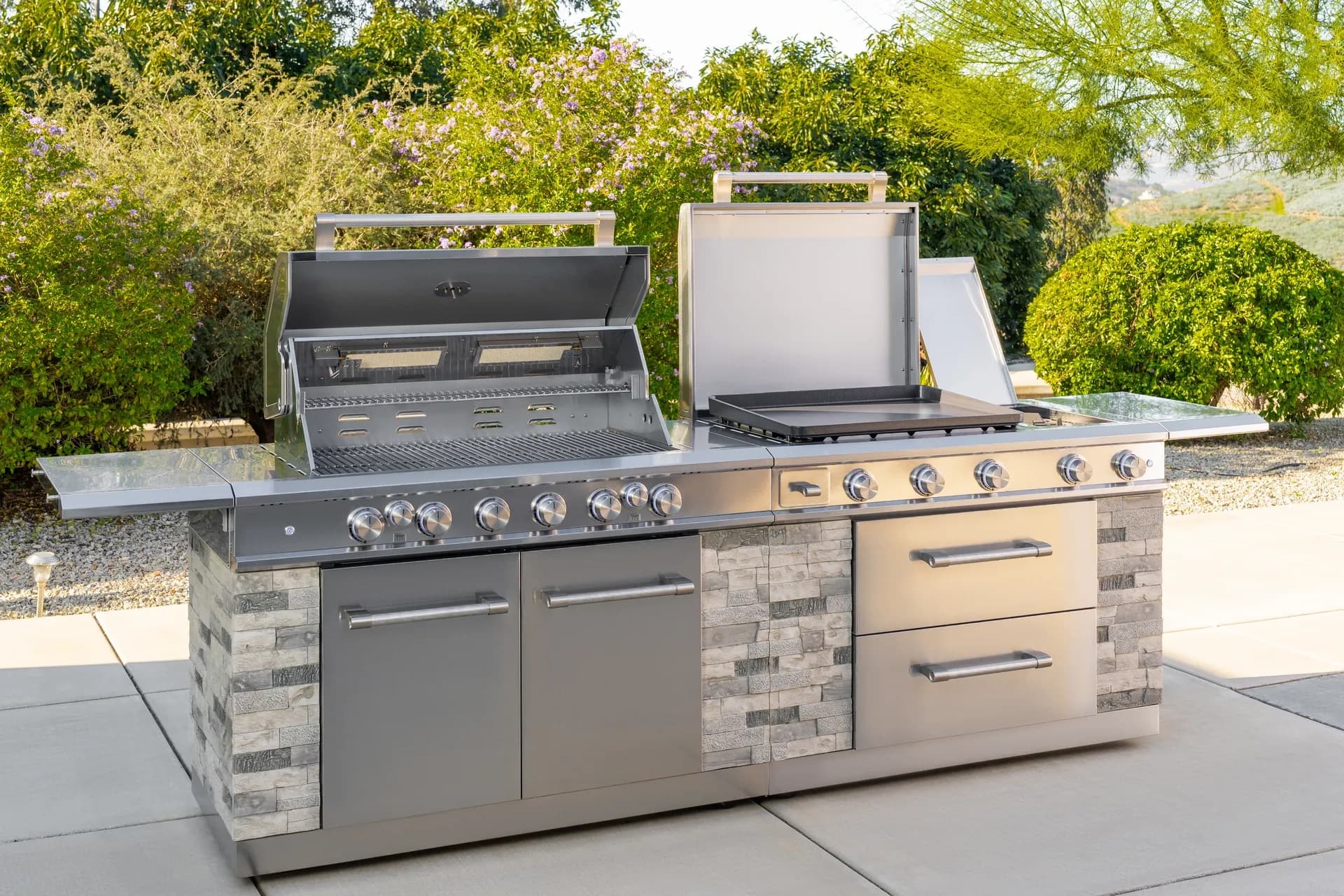
From sizzling breakfasts to smash burgers and teppanyaki-style dinners, the Daytona Pro 5 Burner NitroGuard™ Griddle delivers powerful heat, fast cooking, and a durable cooking surface built for every backyard cookout. Watch how easy outdoor cooking can be.
Here's what sets us apart from the competition
We position ourselves as delivering high-end outdoor cooking features and performance without premium-brand pricing, emphasizing “Quality Grills. Unbelievable Value.”
We offer gas grills, pellet grills, griddles, smokers, pizza ovens, portable/tabletop grills, electric grills, accessories, and replacement parts — allowing customers to stay within one ecosystem for all outdoor cooking needs.
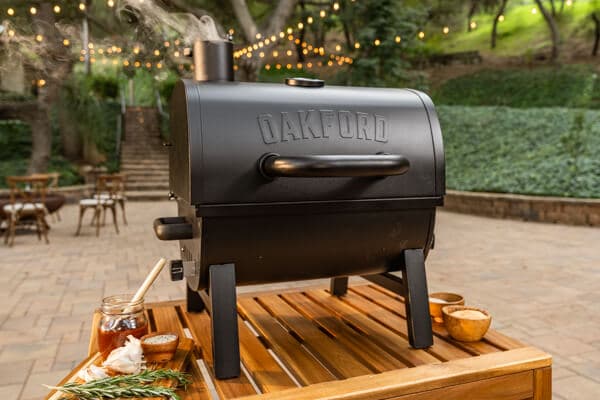
We differentiate ourselves through smart grilling products like the Oakford smart pellet grill, including app-connected cooking controls and modern outdoor cooking technology.
Expert tips, buying guides, comparisons, and inspiration for choosing and getting the most out of your grill.
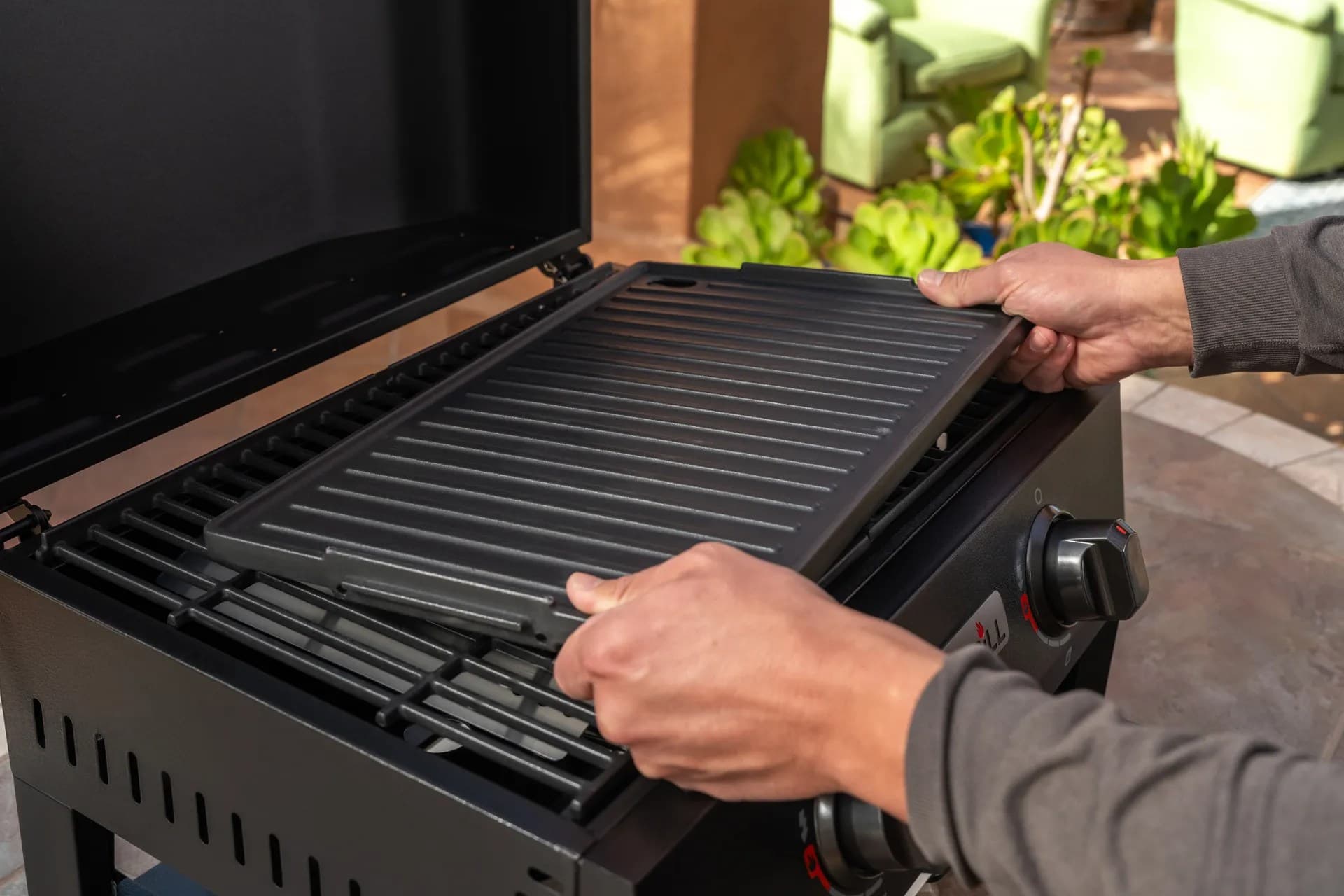
Practical guides for cleaning, maintenance, common grill issues, and performance optimization.
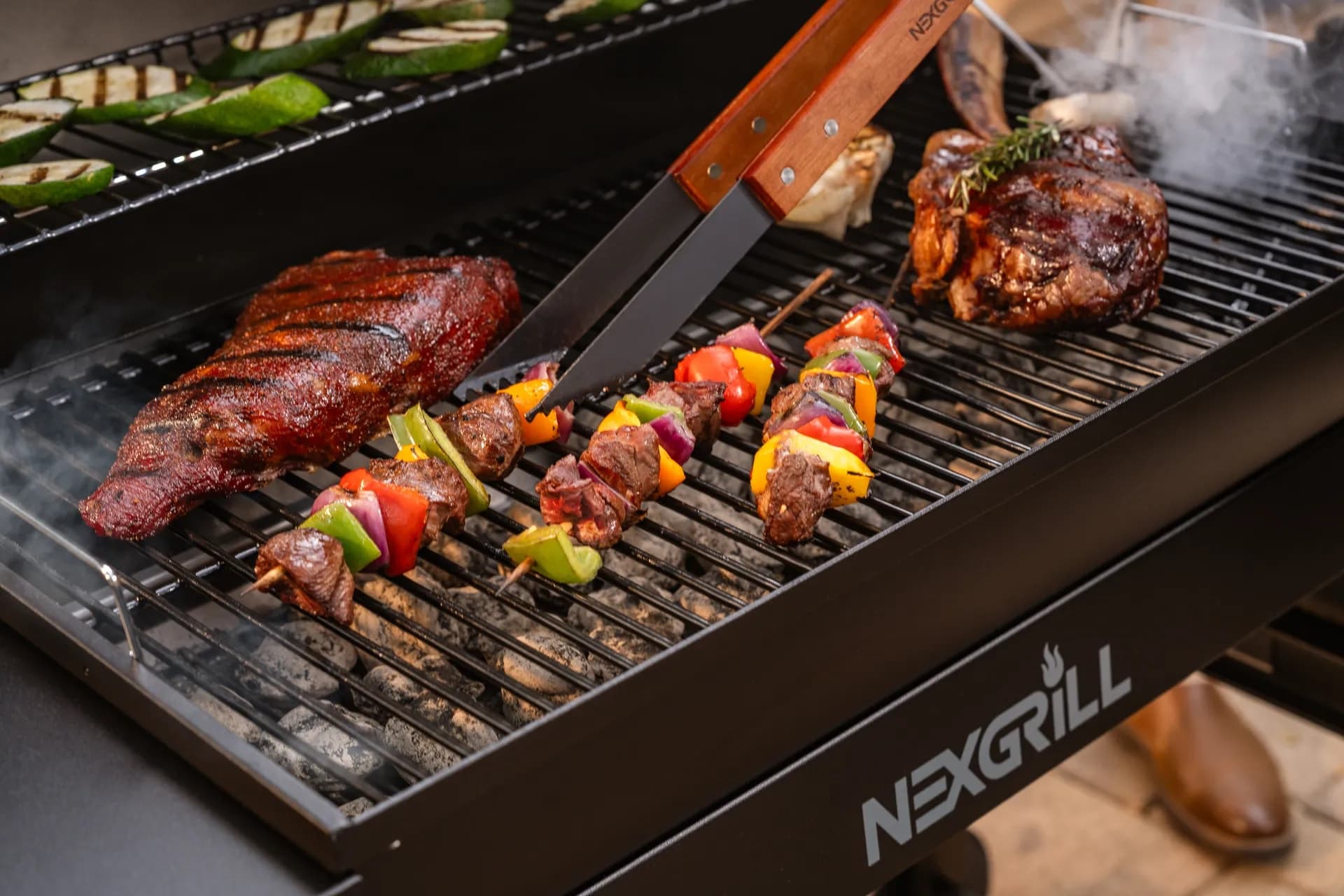
Step-by-step grilling recipes, cooking techniques, and meal ideas for every occasion and skill level.

Backyard entertaining ideas, seasonal grilling inspiration, and stories that celebrate outdoor cooking culture.
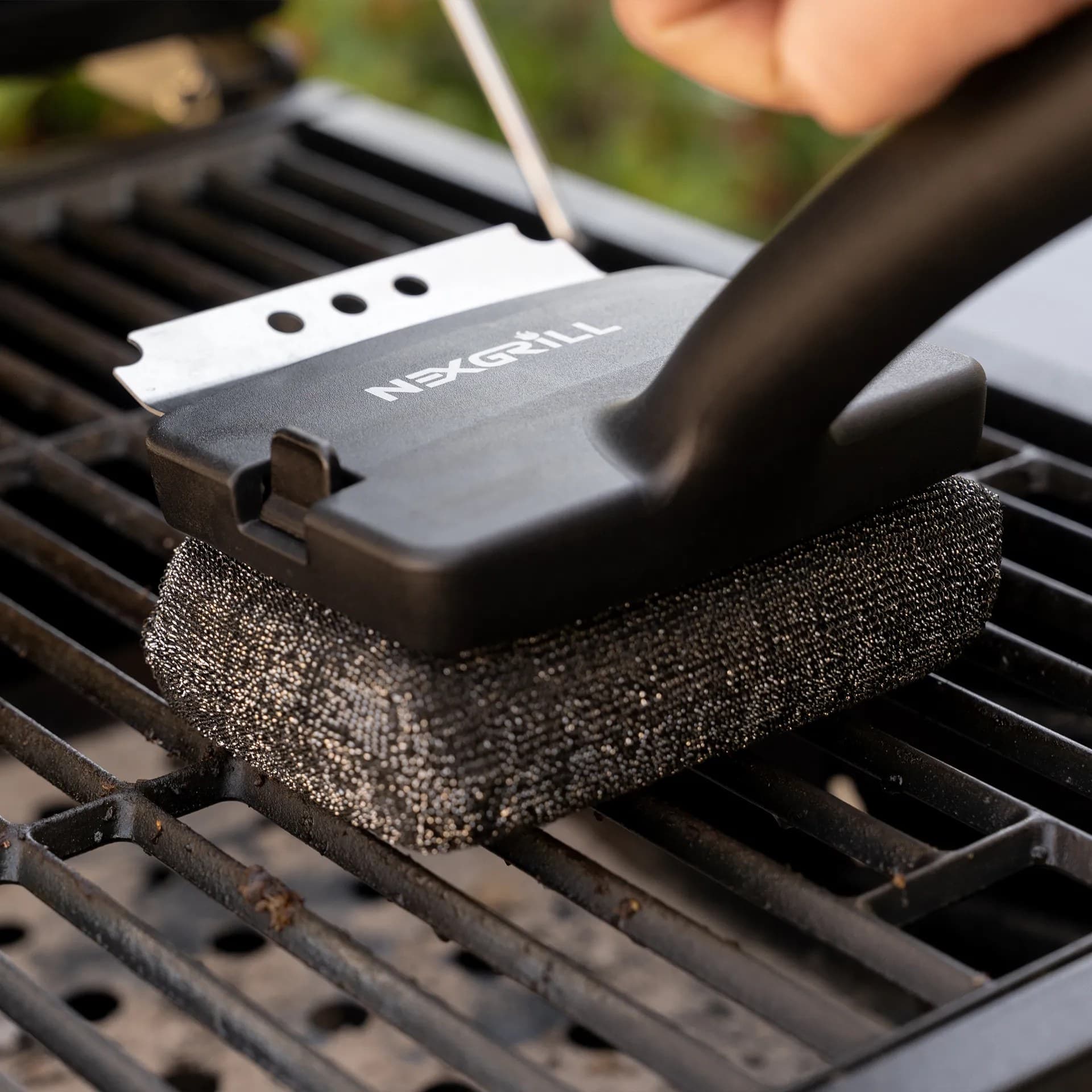
Helpful articles covering grilling tools, cookware, maintenance gear, and must-have accessories for outdoor cooking.
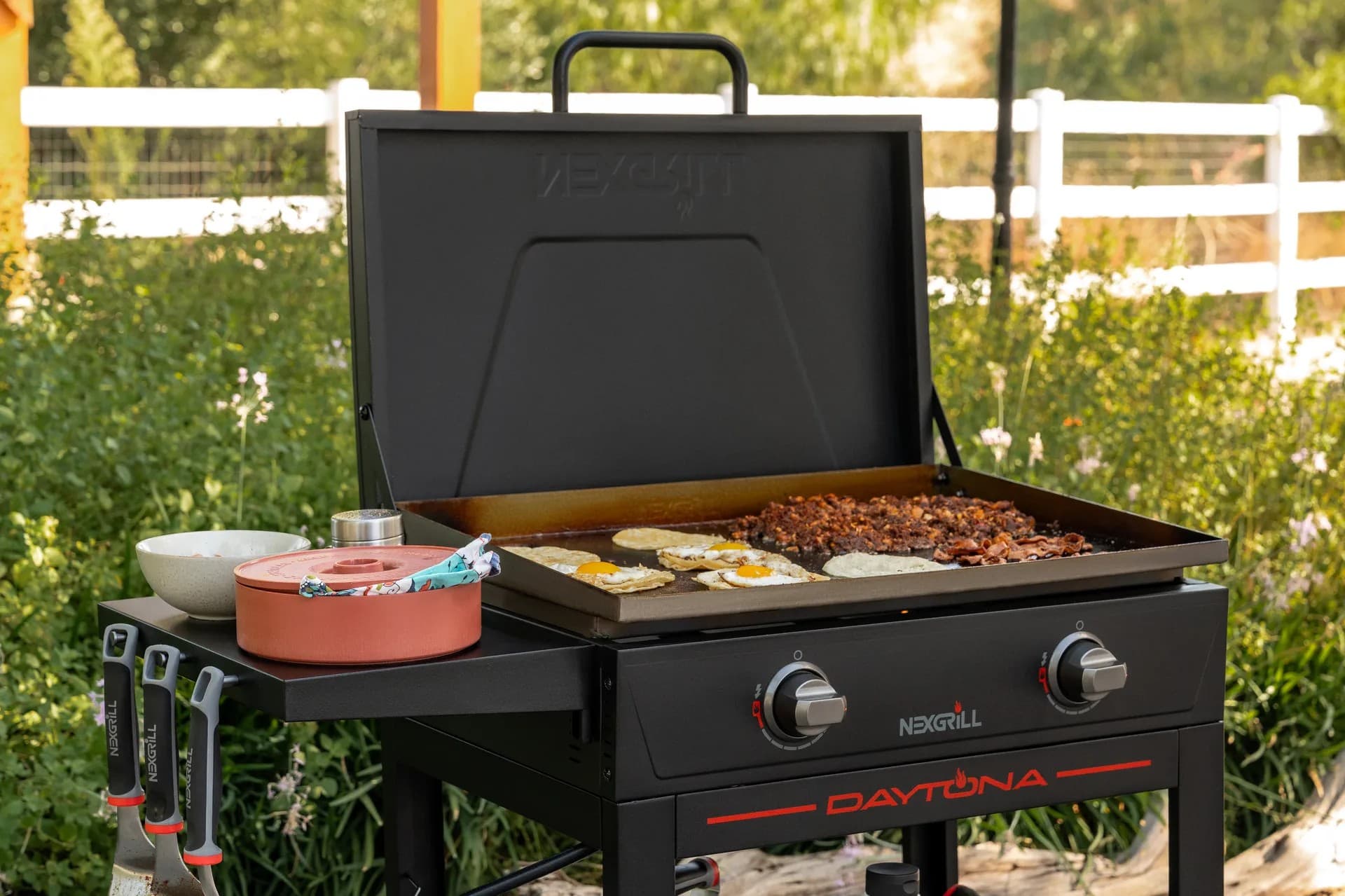
Find griddle recipes, cooking techniques, cleaning tips, and outdoor meal ideas designed for Nexgrill griddles.
Find answers to common questions
Gas grills provide instant heat and precise temperature control, making them easier to use. Charcoal grills offer a smoky flavor and high heat for searing but require more time to heat up and manage.
Pellet grills combine the convenience of gas with the flavor of wood, allowing for smoking, baking, and grilling. Traditional gas grills, however, are quicker to start and often easier to clean.
Charcoal grills typically reach higher temperatures quicker than gas grills, making them better for searing meat. However, high-quality gas grills can also provide adequate heat for effective searing.
Nexgrill offers models designed specifically for gas, charcoal, and pellets, allowing users to choose based on their cooking style and flavor preferences. Each type is built to optimize the characteristics of its respective fuel.
Choosing between gas and charcoal grills depends on your cooking preferences and lifestyle. If you value convenience and quick cooking, a gas grill may suit you better; if you prefer the taste and experience of traditional grilling, a charcoal grill would be ideal.
In This Article
Charcoal Flavor
Propane Convenience
Eco-friendly Pellets
Choosing the right fuel for your grill is as important as selecting the grill itself. The type of fuel affects not only the flavor and texture of your food but also the convenience and cost of grilling. This guide explores the main types of grill fuels - charcoal, propane, natural gas, pellet, and electric - to help you make an informed decision based on your specific needs and preferences.
Understanding grill fuels can enhance your cooking experience by matching your lifestyle and cooking preferences.
Charcoal grills are beloved for imparting a distinct smoky flavor that many barbecue enthusiasts crave. These grills use charcoal briquettes or lump charcoal as fuel, which can reach high temperatures suitable for searing.
On the downside, charcoal grilling requires more setup and cleanup compared to other fuel types. It also involves mastering the art of temperature control, as it lacks precise settings.
Propane gas grills are popular for their ease of use and quick start-up time. They allow for precise temperature control, making them ideal for both beginners and experienced grillers.
While propane grills provide convenience, they may not offer the same depth of flavor as charcoal grills. Additionally, the cost of propane can add up over time depending on usage.
Natural gas grills connect directly to your home's gas line, offering a continuous supply of fuel without the need for refills. This setup is highly efficient and cost-effective in the long run.
Natural gas grills are perfect for those who grill frequently and have a designated outdoor cooking space. However, the initial installation can be more complex and costly.
Natural gas is the most economical fuel type for frequent grillers.
Pellet grills use compressed wood pellets as fuel, combining the convenience of gas with the flavor of charcoal. They are versatile in cooking styles, from grilling to smoking.
Despite their advantages, pellet grills tend to be more expensive and require electricity to operate, which may limit their portability.
Electric grills are perfect for locations where open flames are restricted, such as apartment balconies. They are easy to operate and maintain, making them suitable for novice grillers.
While convenient, electric grills may not achieve the same flavor depth as other fuel types and typically have smaller cooking surfaces.
| Fuel Type | Key Benefit | Consideration |
|---|---|---|
| Charcoal | Rich flavor | Requires skill to control heat |
| Propane | Convenience | Higher fuel cost over time |
| Natural Gas | Cost-effective | Requires installation |
| Pellet | Versatility | Higher initial cost |
| Electric | Safety | Lower heat |
Try comparing two products side by side below to see which fits best for your grilling style and needs.
Once you've weighed two options against each other, here's what else matters in choosing the right fuel for your grill. Factors like flavor, convenience, cost, and environmental impact play significant roles in this decision.
Flavor is often a primary consideration for grill enthusiasts. Charcoal and pellet grills are known for their ability to infuse food with smoky flavors, while gas and electric grills offer a more neutral taste. If achieving a rich barbecue flavor is essential, charcoal or pellet grills might be the best choice.
For those who value convenience, propane and electric grills offer quick start-up times and easy temperature control. Electric grills are especially handy for indoor or balcony use where traditional grills are not permitted.
Tip: Consider your grilling location and frequency of use when selecting fuel types.
Cost is another critical factor. While charcoal grills might have a lower initial cost, the ongoing expense of purchasing charcoal can add up. Propane and natural gas grills have higher initial prices but may be more economical over time due to cheaper fuel costs.
Environmental concerns are increasingly influencing consumer choices. Pellet grills, which use renewable wood pellets, and natural gas grills are often considered more environmentally friendly. Electric grills also have a lower carbon footprint, especially if powered by renewable energy sources.
| Fuel Type | Flavor | Convenience | Cost | Environmental Impact |
|---|---|---|---|---|
| Charcoal | High | Low | Moderate | High |
| Propane | Moderate | High | Moderate | Moderate |
| Natural Gas | Moderate | High | Low | Low |
| Pellet | High | Moderate | High | Low |
| Electric | Low | High | Low | Low |
Selecting the right grill fuel comes down to balancing flavor, convenience, cost, and environmental considerations. Whether you prioritize the intense flavors of charcoal, the convenience of propane, the economy of natural gas, the versatility of pellets, or the simplicity of electric, there's a perfect match for every grilling enthusiast. Consider your lifestyle, cooking habits, and values when making your choice.
Here's what sets us apart
We position ourselves as delivering high-end outdoor cooking features and performance without premium-brand pricing, emphasizing “Quality Grills. Unbelievable Value.”
We offer gas grills, pellet grills, griddles, smokers, pizza ovens, portable/tabletop grills, electric grills, accessories, and replacement parts — allowing customers to stay within one ecosystem for all outdoor cooking needs.
We differentiate ourselves through smart grilling products like the Oakford smart pellet grill, including app-connected cooking controls and modern outdoor cooking technology.
Don't just take our word for it
Keep reading
From our catalog