Tabletop Grill Designs: Cast Iron vs. Other Materials
Explore the advantages of cast iron tabletop grills compared to other materials.
In This Article
Durability of Cast Iron
Heat Retention
Material Comparisons
Why Choose Cast Iron for Tabletop Grills?
When selecting a tabletop grill, the material plays a critical role in performance and longevity. Cast iron has long been revered in the culinary world, especially for grills, due to its exceptional durability and heat retention capabilities. These attributes make cast iron an ideal choice for grill enthusiasts who seek consistent cooking results and a robust cooking surface.
Durability and Longevity
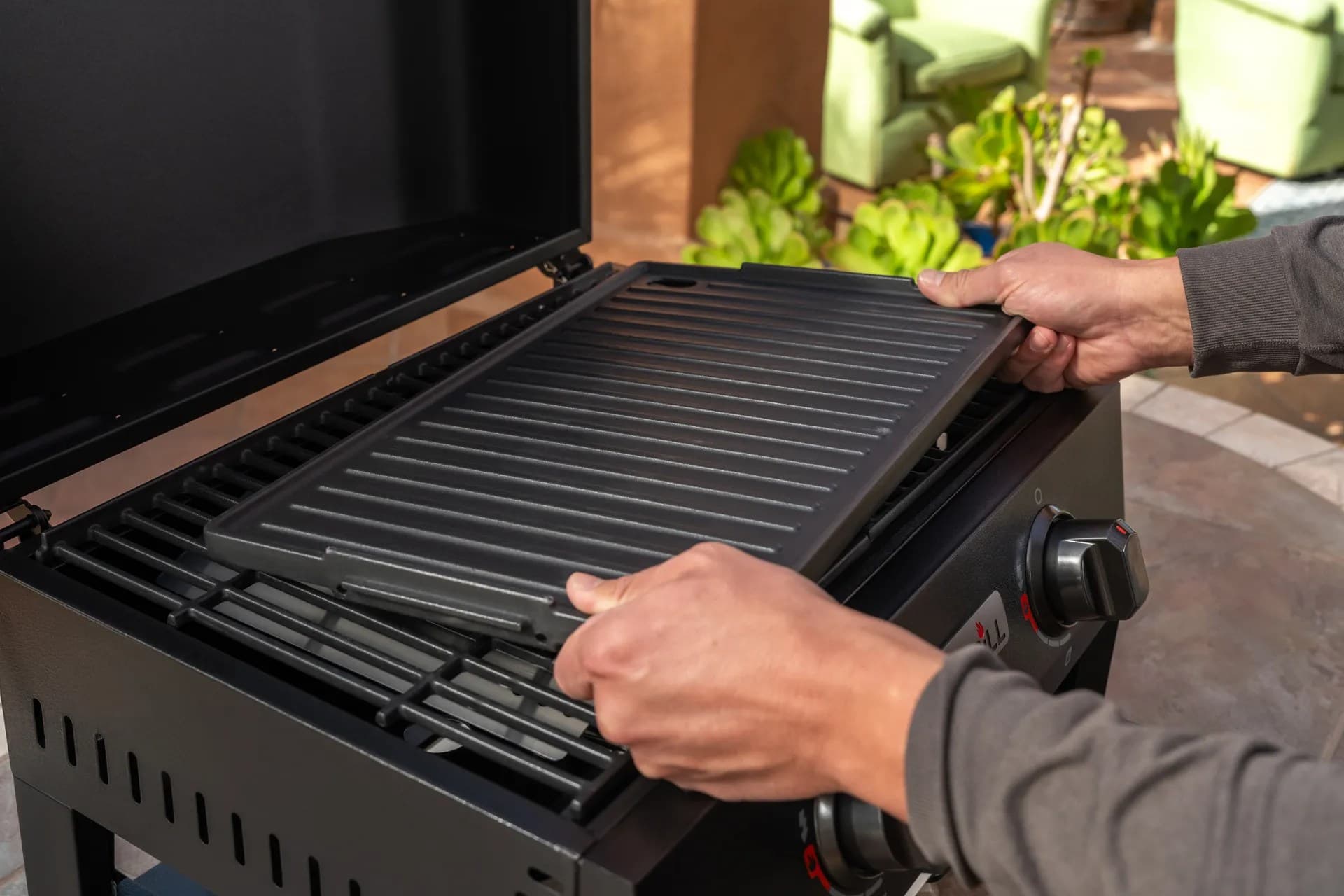
Cast iron is known for its strength and durability, making it a preferred material for those who desire a long-lasting grill. Unlike some other materials, cast iron can withstand high temperatures without warping. Its resilience to wear and tear is unmatched, ensuring that your tabletop grill can endure frequent use and still perform effectively.
Tip: Regular seasoning of cast iron surfaces enhances their longevity and non-stick properties.
Heat Retention and Distribution
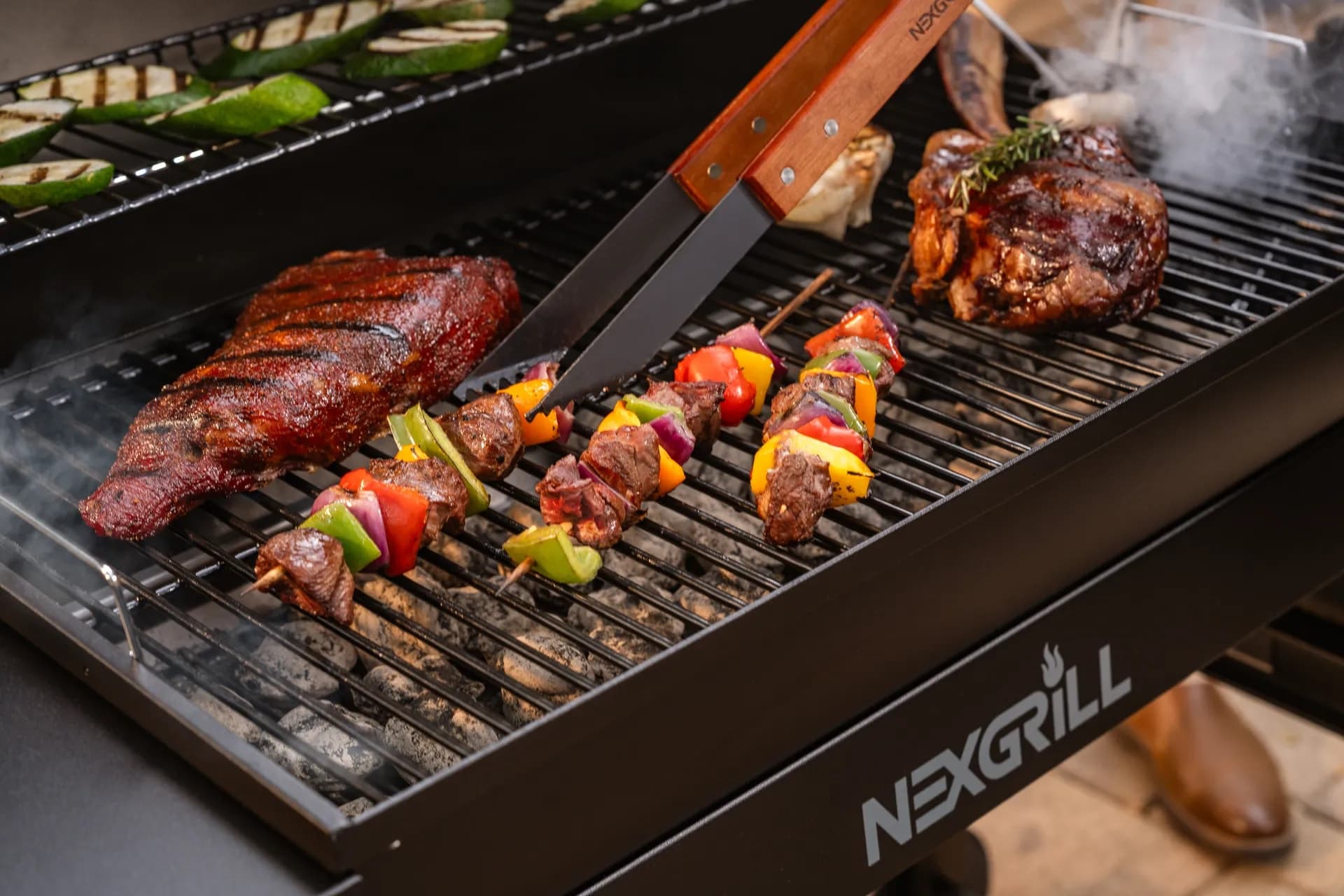
One of the standout features of cast iron is its superior heat retention. This ensures even cooking temperatures across the grill surface, which is crucial for achieving perfect sears and consistent cooking results. The ability of cast iron to maintain heat makes it a valuable asset for any grilling enthusiast who values precision in their cooking.
Comparing Other Materials for Tabletop Grills
While cast iron is a favored choice, other materials like stainless steel and aluminum are also popular in the grill market. Each material offers unique benefits and potential drawbacks, which are essential to consider when selecting the right tabletop grill for your needs.
Stainless Steel
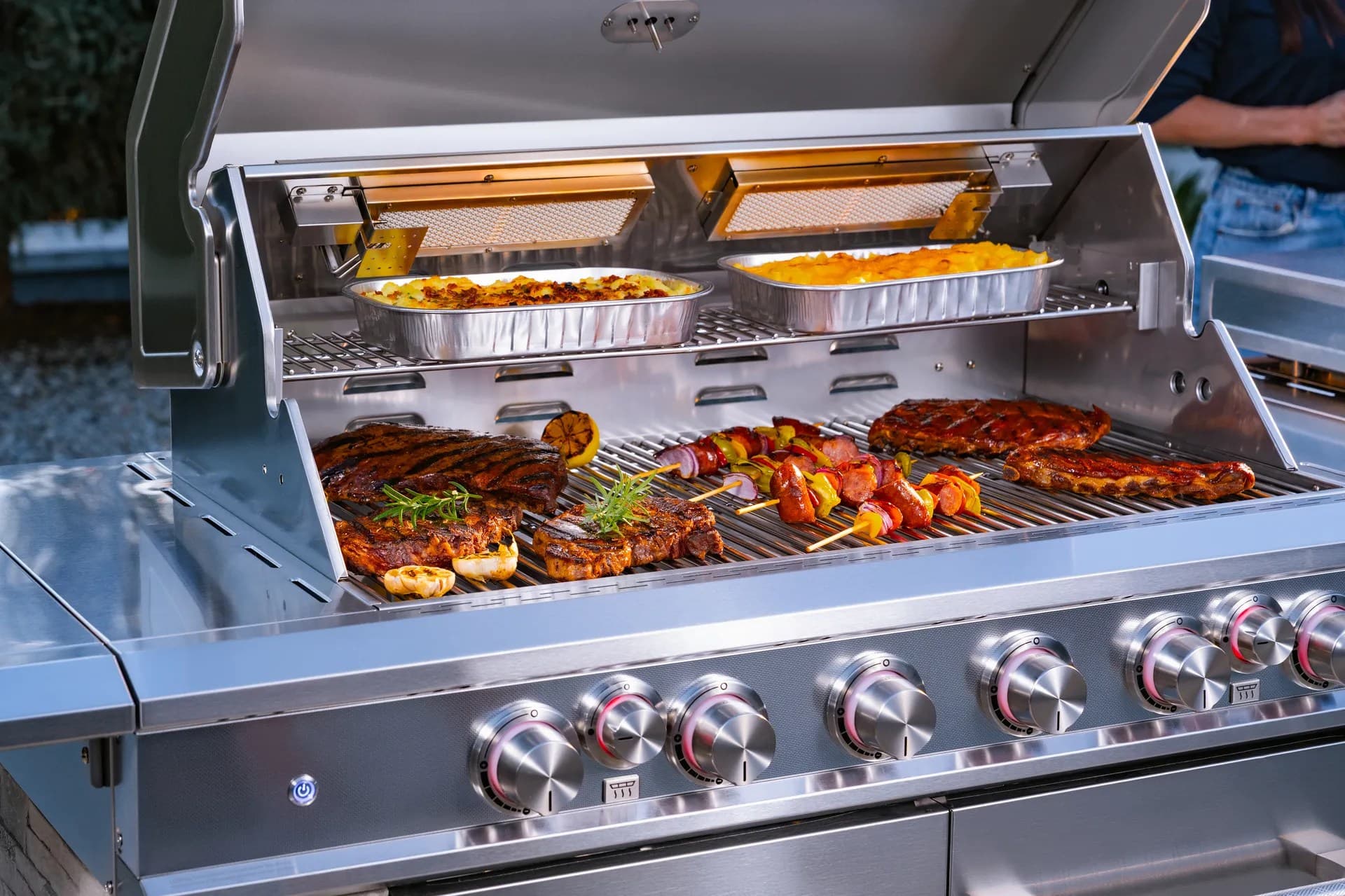
Stainless steel is appreciated for its resistance to rust and corrosion, making it an excellent choice for outdoor cooking environments. It is generally lighter than cast iron, which adds to the portability of a tabletop grill. However, it may not retain heat as effectively as cast iron, which can impact cooking performance.
| Material | Durability | Heat Retention | Portability |
|---|---|---|---|
| Cast Iron | High | Excellent | Moderate |
| Stainless Steel | Moderate | Good | High |
| Aluminum | Low | Moderate | Very High |
Aluminum
Aluminum grills are lightweight and resistant to rust, making them highly portable and easy to maintain. However, their heat retention is not as efficient as cast iron, which can lead to uneven cooking. Additionally, aluminum surfaces are more prone to scratches and dents.
Info: Consider your specific grilling needs and environment to choose the right material.
Real-World Applications: Cast Iron vs. Other Materials
When deciding between cast iron and other materials for your tabletop grill, consider the type of grilling you plan to do and the environments in which you'll use your grill. Each material has distinct advantages that cater to different grilling scenarios.
Best for High-Heat Cooking
For those who love searing steaks or cooking at high temperatures, cast iron is the superior choice. Its ability to maintain consistent heat allows for excellent searing and caramelization, essential for creating complex flavors in meats and vegetables.
Portability and Ease of Use
If portability is your priority, stainless steel and aluminum grills may be more suitable. Their lighter weight makes them easier to transport, ideal for camping or picnics. However, consider that the trade-off might be less consistent heat retention compared to cast iron.
Maintenance Considerations for Different Materials
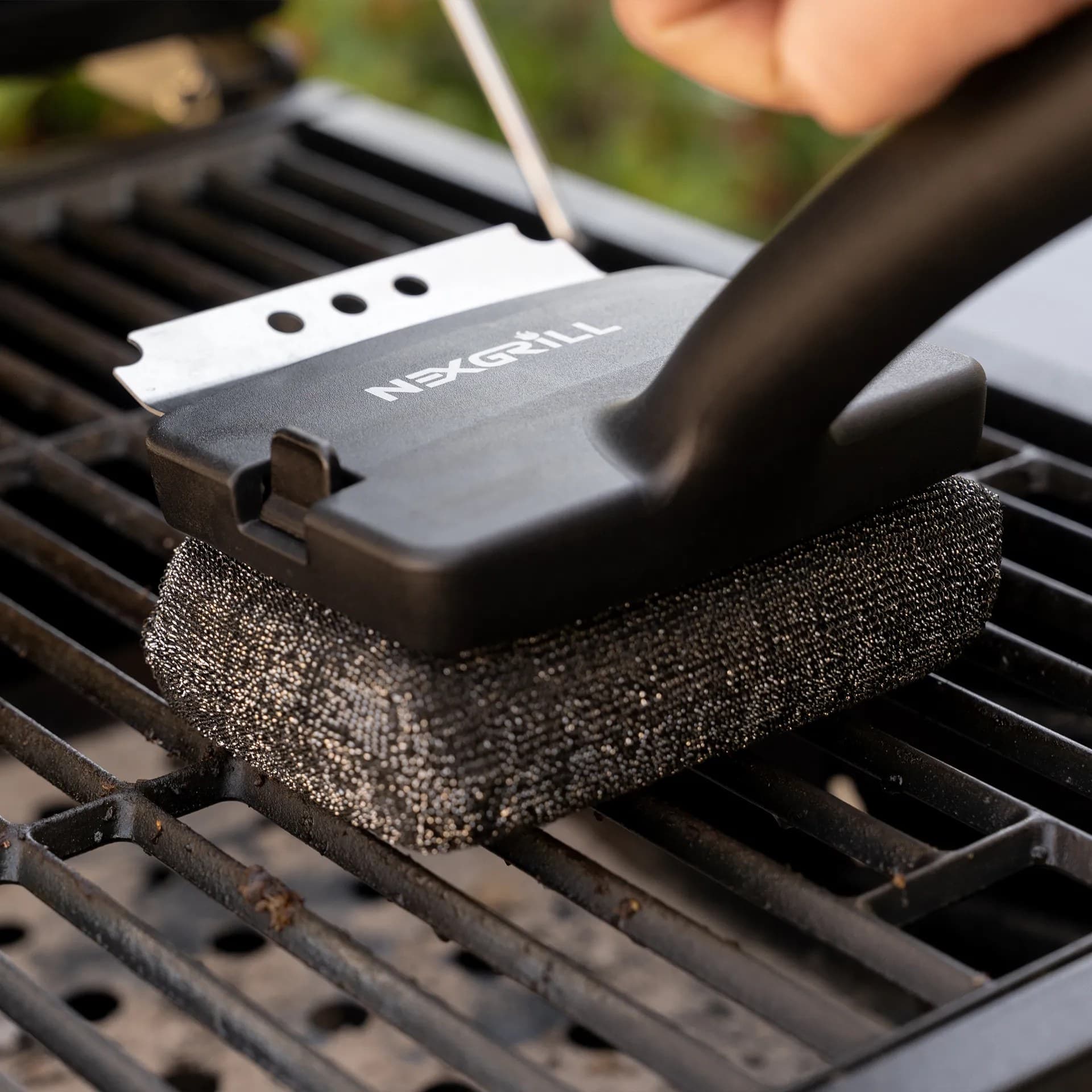
Maintenance is a key factor in extending the life of your grill. Cast iron requires regular seasoning to maintain its non-stick surface and prevent rust. While this might demand more effort initially, it pays off in long-term durability and performance.
Warning: Neglecting to season a cast iron grill can lead to rust and reduced performance.
Stainless Steel and Aluminum Maintenance
Stainless steel and aluminum require less maintenance than cast iron. A simple cleaning routine after each use usually suffices. However, it's important to note that stainless steel can show smudges and fingerprints more easily, requiring occasional polishing to maintain its appearance.
Conclusion: Choosing the Right Material for Your Needs
Ultimately, the choice between cast iron, stainless steel, and aluminum for your tabletop grill depends on your specific needs and preferences. If you prioritize heat retention and durability, cast iron is unmatched. If portability and ease of maintenance are more important, consider stainless steel or aluminum.
Tip: Assess your cooking style and frequency to select the best grill material.
Sources
- Nexgrill About Us - Learn more about Nexgrill's commitment to quality and innovation.
- Nexgrill Homepage - Explore Nexgrill's wide range of products and grilling solutions.
- Barbecue Bible - Discover expert grilling tips and techniques.