Pellet Grill vs Gas Grill: Understanding Price Differences
Explore the cost considerations for choosing between pellet and gas grills.
In This Article
Pellet Grill Costs
Gas Grill Affordability
Choosing Based on Lifestyle
Understanding Pellet Grill Pricing
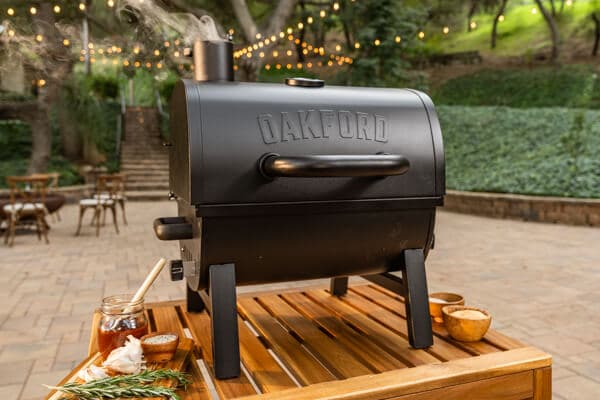
Pellet grills have surged in popularity due to their versatility and ability to infuse rich, smoky flavors into food. The cost of a pellet grill can vary widely based on several factors, including size, brand, features, and build quality. Entry-level models may start around $300, while high-end options, which offer advanced technology and larger cooking surfaces, can exceed $1,500. The price often reflects the grill's construction material, with stainless steel being more expensive but offering superior durability.
Advanced features such as Wi-Fi connectivity, which allows for remote monitoring and control, can also add to the cost. These technological enhancements provide convenience and precision, attracting tech-savvy grillers willing to invest in premium models.
Tip: Consider your grilling frequency and style to determine if advanced features justify the investment in a higher-end pellet grill.
Cost Factors for Pellet Grills
- Materials: Stainless steel is more durable but costly.
- Size: Larger cooking surfaces increase the price.
- Technology: Smart features can add significant cost.
- Brand: Established brands may charge a premium.
Evaluating Gas Grill Pricing
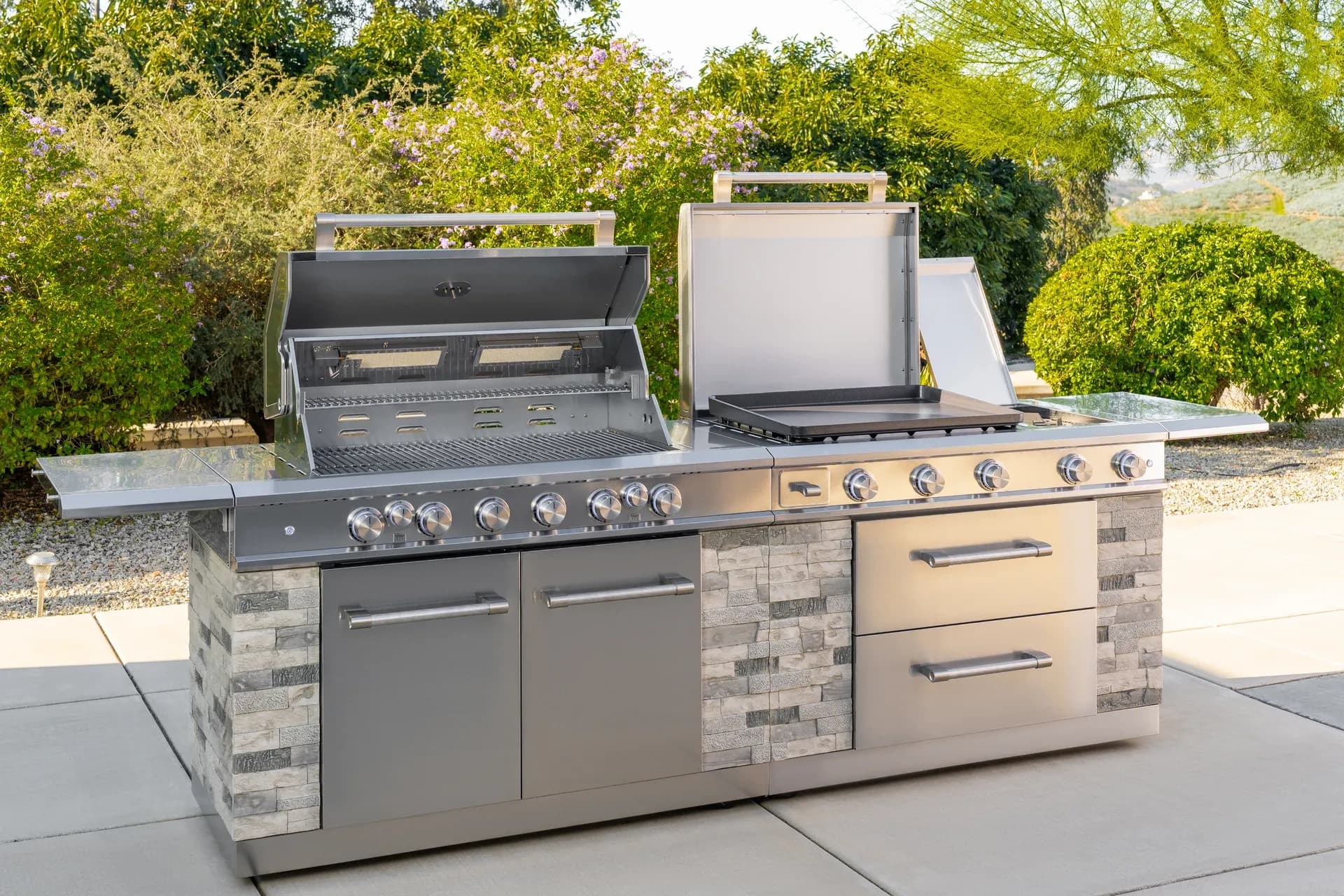
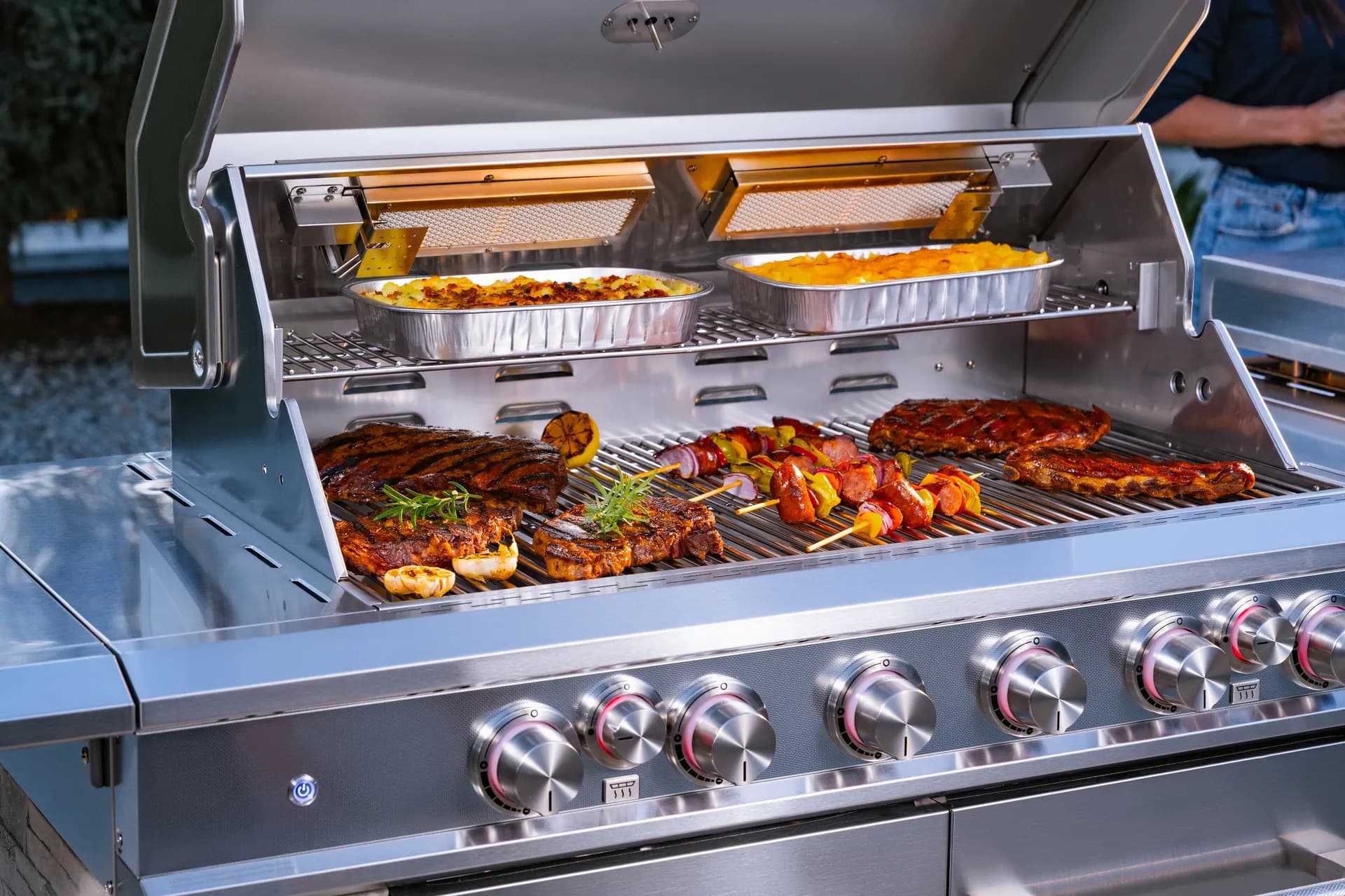
Gas grills offer convenience and speed, making them a popular choice for many outdoor cooking enthusiasts. Prices for gas grills can range from $100 for basic models to over $2,000 for luxury models with high-end features. The price is influenced by factors such as the number of burners, which determines the cooking capacity, and the inclusion of side burners or rotisserie kits that expand cooking options.
Construction quality significantly impacts the price. Models with cast iron or stainless steel components tend to be more expensive but are preferred for their durability and heat retention. Additional features such as built-in thermometers, storage cabinets, and enhanced ignition systems can also increase the cost.
| Feature | Entry-Level | Mid-Range | High-End |
|---|---|---|---|
| Burners | 1-2 | 3-4 | 5+ |
| Materials | Aluminum | Cast Iron | Stainless Steel |
| Special Features | Basic | Side Burner | Rotisserie, Sear Station |
| Price Range | $100-$300 | $300-$800 | $800-$2,000+ |
Who Should Choose a Pellet Grill?
Pellet grills are ideal for those who value flavor and versatility. They excel in slow-cooking and smoking, offering a unique taste profile. For weekend warriors and those who enjoy experimenting with different wood pellet flavors, investing in a pellet grill may be worthwhile. They suit grillers looking to try new recipes and methods, especially those who entertain frequently and want to impress guests with diverse dishes.
Who Should Opt for a Gas Grill?
Gas grills are perfect for those who prioritize convenience and speed in their grilling routine. They're great for quick weeknight dinners and for those who prefer straightforward, fuss-free operation. Busy families and individuals who grill frequently but want minimal preparation and cleanup will find gas grills a practical choice.
Info: Gas grills are easier to clean and often have a lower long-term maintenance cost.
Comparing Long-Term Costs
When evaluating long-term costs, fuel type plays a critical role. Pellet grills require a steady supply of wood pellets, which can be more expensive than propane or natural gas. However, the distinctive flavor they impart can justify the cost for enthusiasts. Gas grills, on the other hand, offer more predictable fuel expenses and can be more economical over time, especially for frequent grillers.
Maintenance and Durability
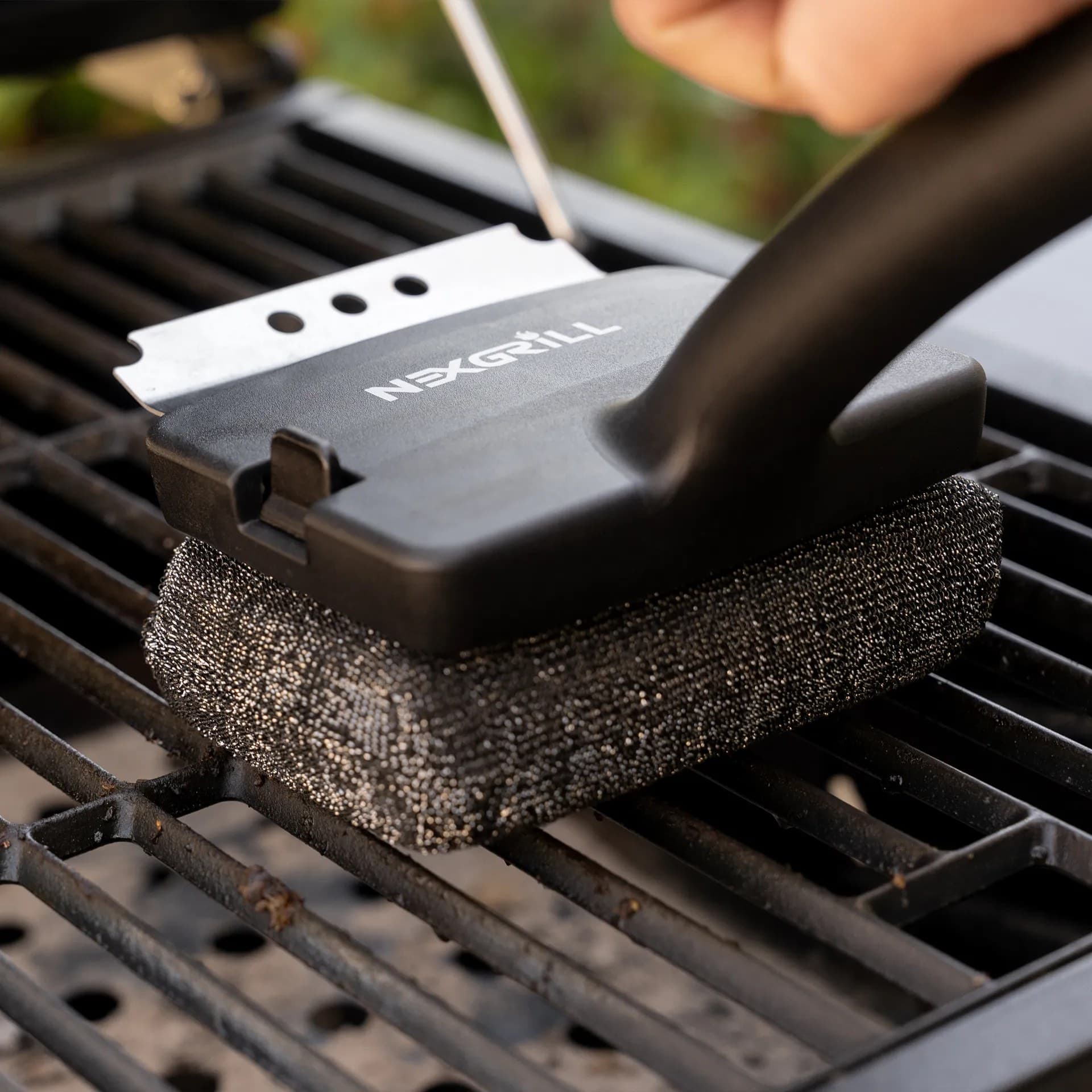
Both types of grills require regular maintenance to perform efficiently. Pellet grills, with their electronic components, may need more attention to keep the auger and fans clean and operational. Gas grills often require regular cleaning of burners and checking for gas leaks. Investing in a quality cover and storing the grill properly can extend its lifespan, regardless of type.
| Aspect | Pellet Grill | Gas Grill |
|---|---|---|
| Fuel Cost | Higher | Lower |
| Maintenance | More Complex | Simpler |
| Durability | Depends on Material | Depends on Material |
Making the Right Choice
The decision between a pellet and a gas grill ultimately depends on personal preferences and cooking habits. Those who seek rich flavors and enjoy the art of slow cooking will likely prefer pellet grills. Conversely, individuals who value speed, convenience, and lower maintenance may find gas grills more appealing.
Considerations for Buyers
- Cooking Style: Analyze your typical grilling needs.
- Budget: Consider initial and ongoing costs.
- Space: Ensure you have adequate space for the grill type you choose.
- Usage Frequency: Frequent users may prefer gas for convenience.
- Flavor Preference: Pellet grills offer unique flavor profiles.
Conclusion
Both pellet and gas grills have their advantages and trade-offs. Understanding the key differences in pricing, maintenance, and functionality can guide you to the best choice for your grilling lifestyle. Explore options at Nexgrill to find the perfect grill that matches your needs.