An in-depth comparison of pellet and gas grills to help you choose the best option for your grilling needs.
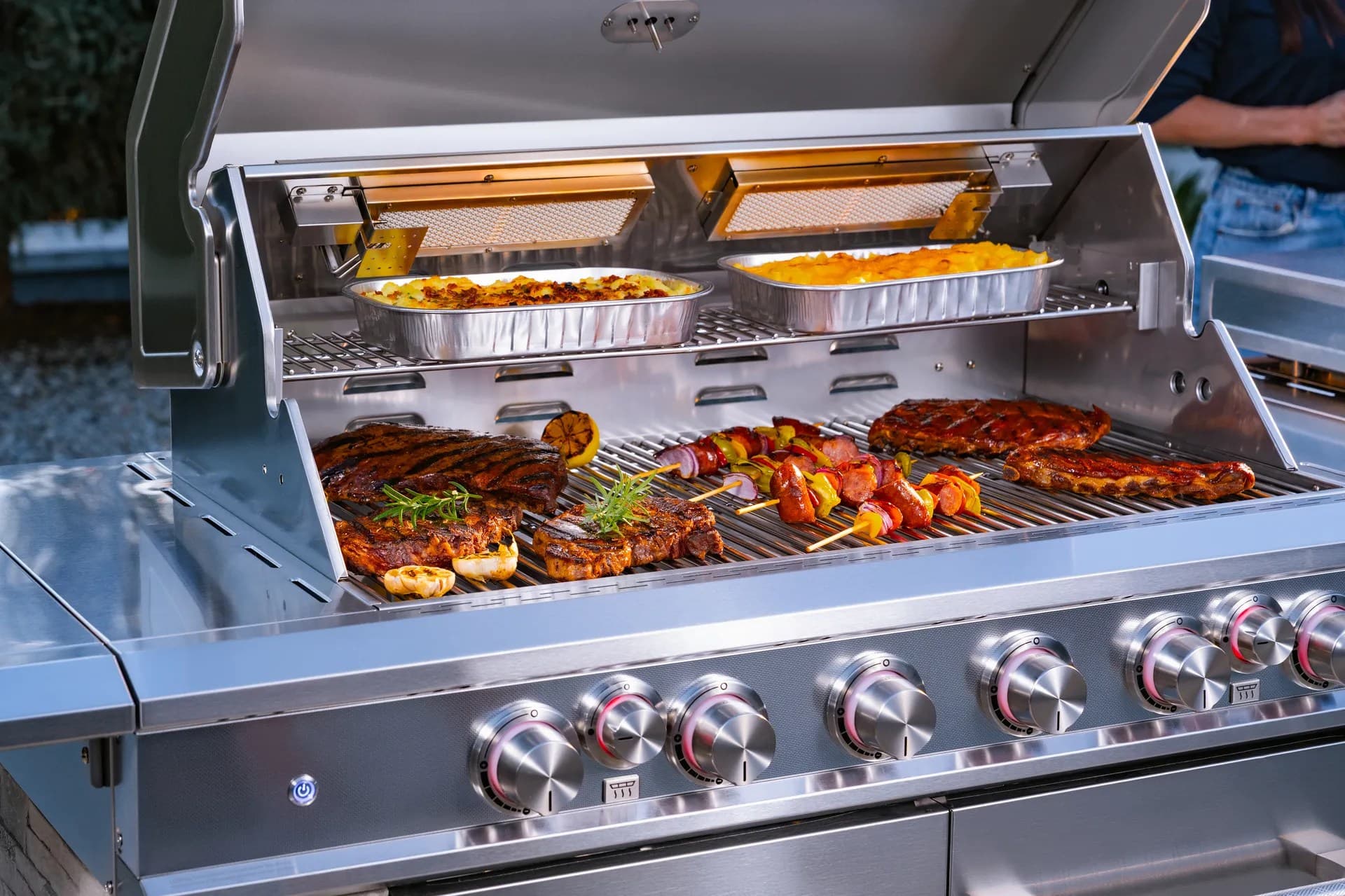
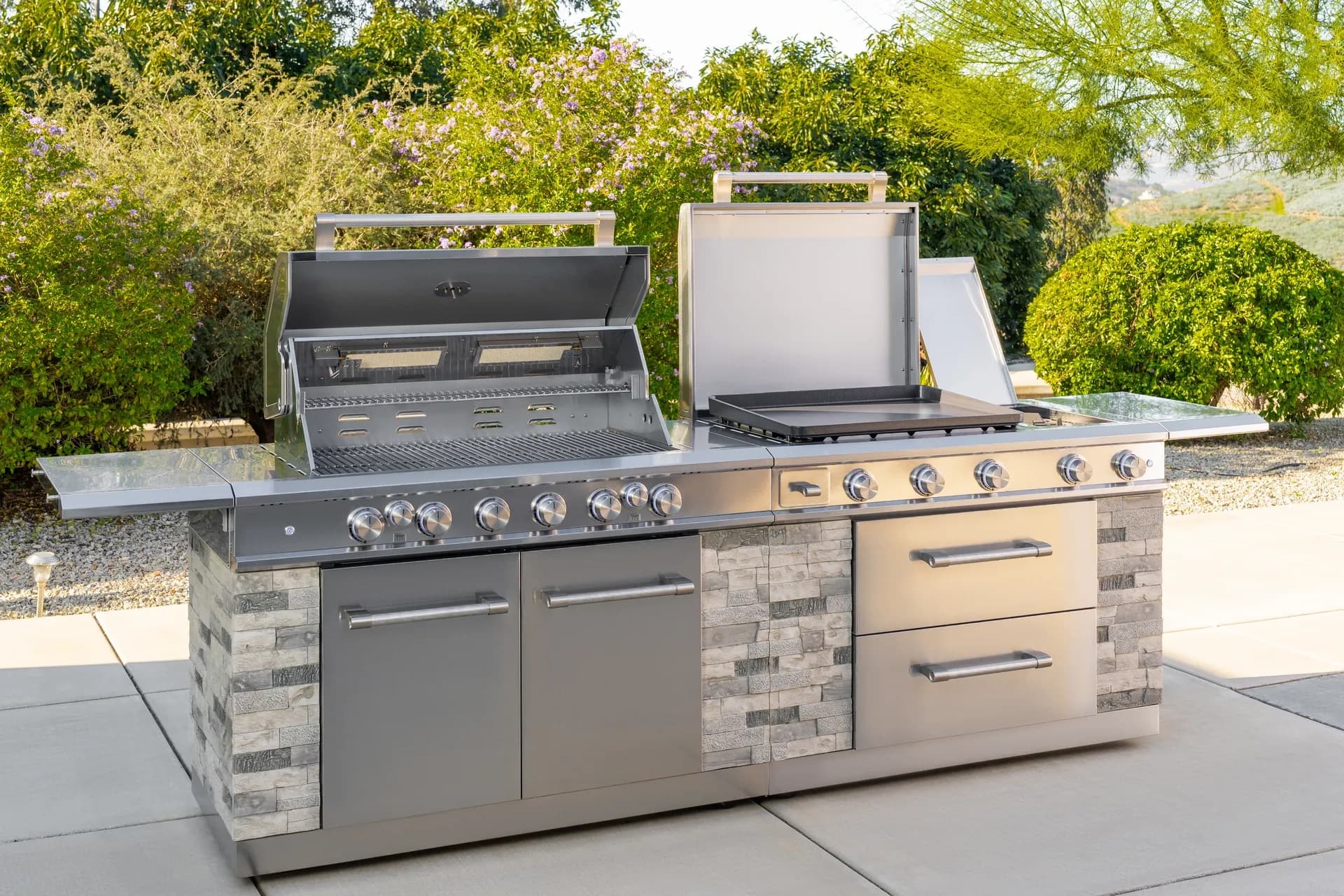
From sizzling breakfasts to smash burgers and teppanyaki-style dinners, the Daytona Pro 5 Burner NitroGuard™ Griddle delivers powerful heat, fast cooking, and a durable cooking surface built for every backyard cookout. Watch how easy outdoor cooking can be.
Here's what sets us apart from the competition
We position ourselves as delivering high-end outdoor cooking features and performance without premium-brand pricing, emphasizing “Quality Grills. Unbelievable Value.”
We offer gas grills, pellet grills, griddles, smokers, pizza ovens, portable/tabletop grills, electric grills, accessories, and replacement parts — allowing customers to stay within one ecosystem for all outdoor cooking needs.
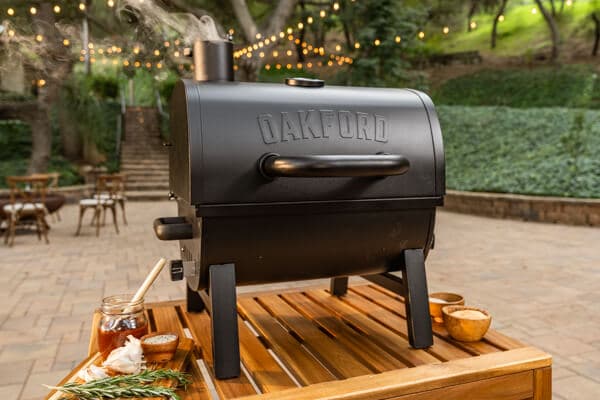
We differentiate ourselves through smart grilling products like the Oakford smart pellet grill, including app-connected cooking controls and modern outdoor cooking technology.
Expert tips, buying guides, comparisons, and inspiration for choosing and getting the most out of your grill.
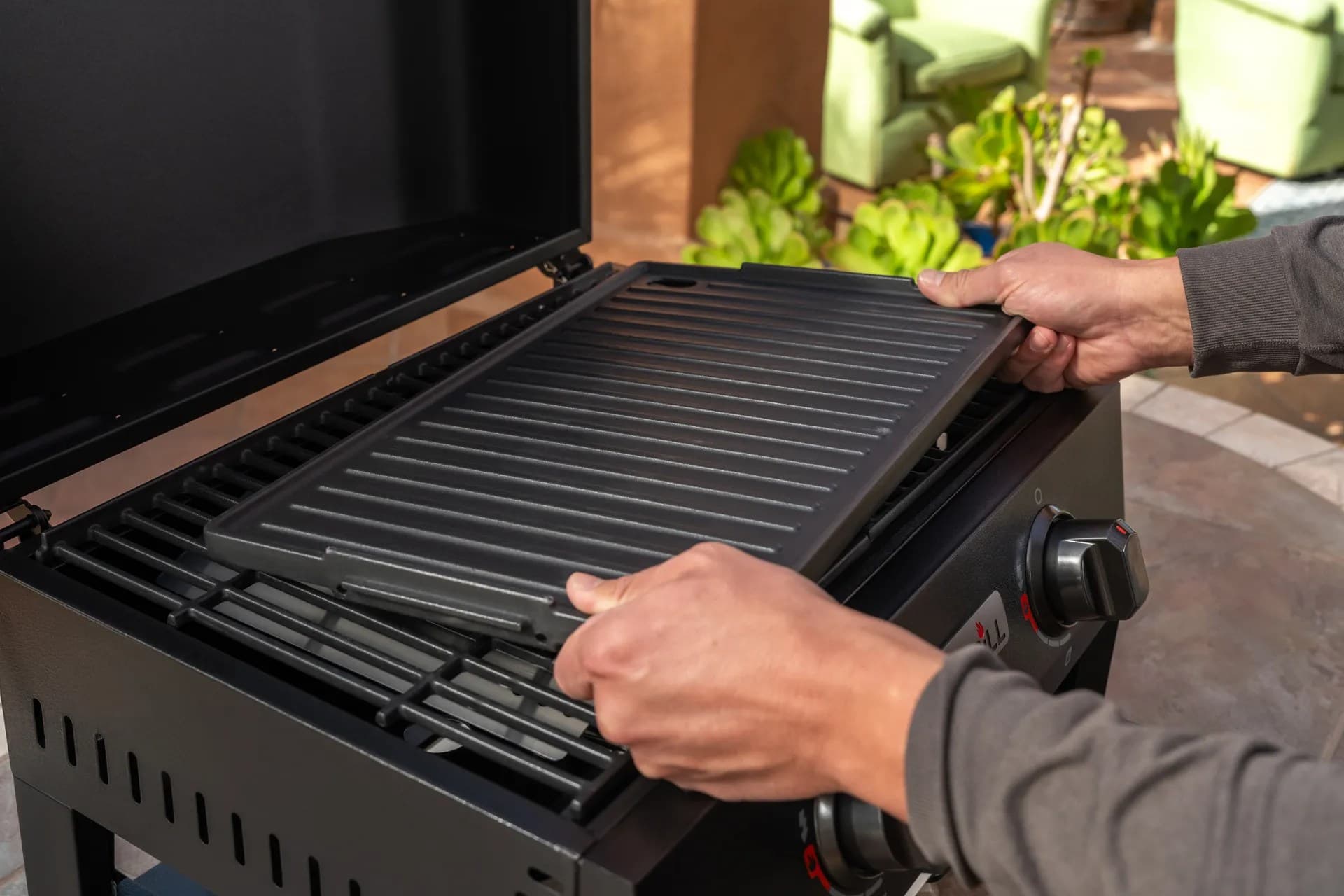
Practical guides for cleaning, maintenance, common grill issues, and performance optimization.
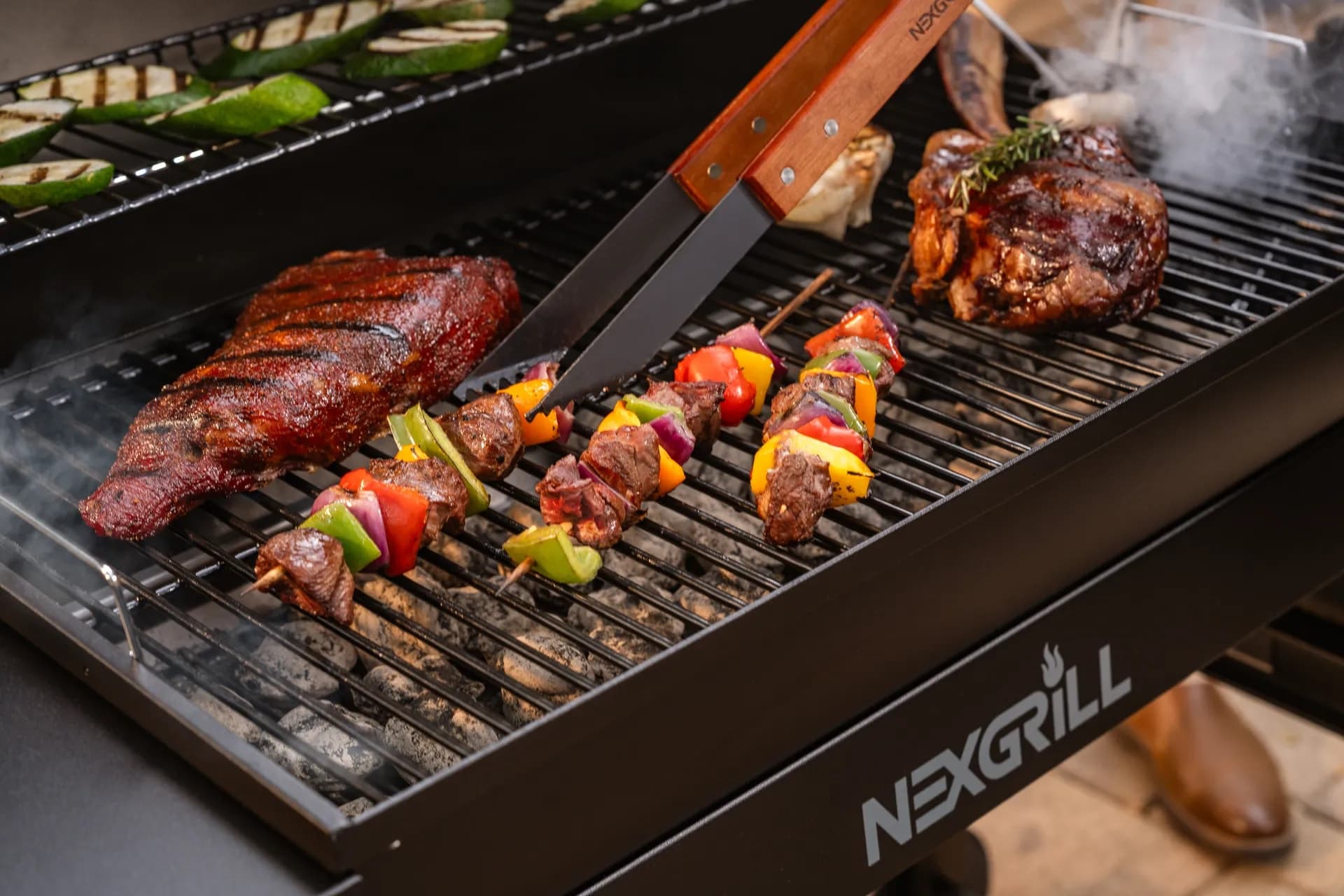
Step-by-step grilling recipes, cooking techniques, and meal ideas for every occasion and skill level.

Backyard entertaining ideas, seasonal grilling inspiration, and stories that celebrate outdoor cooking culture.
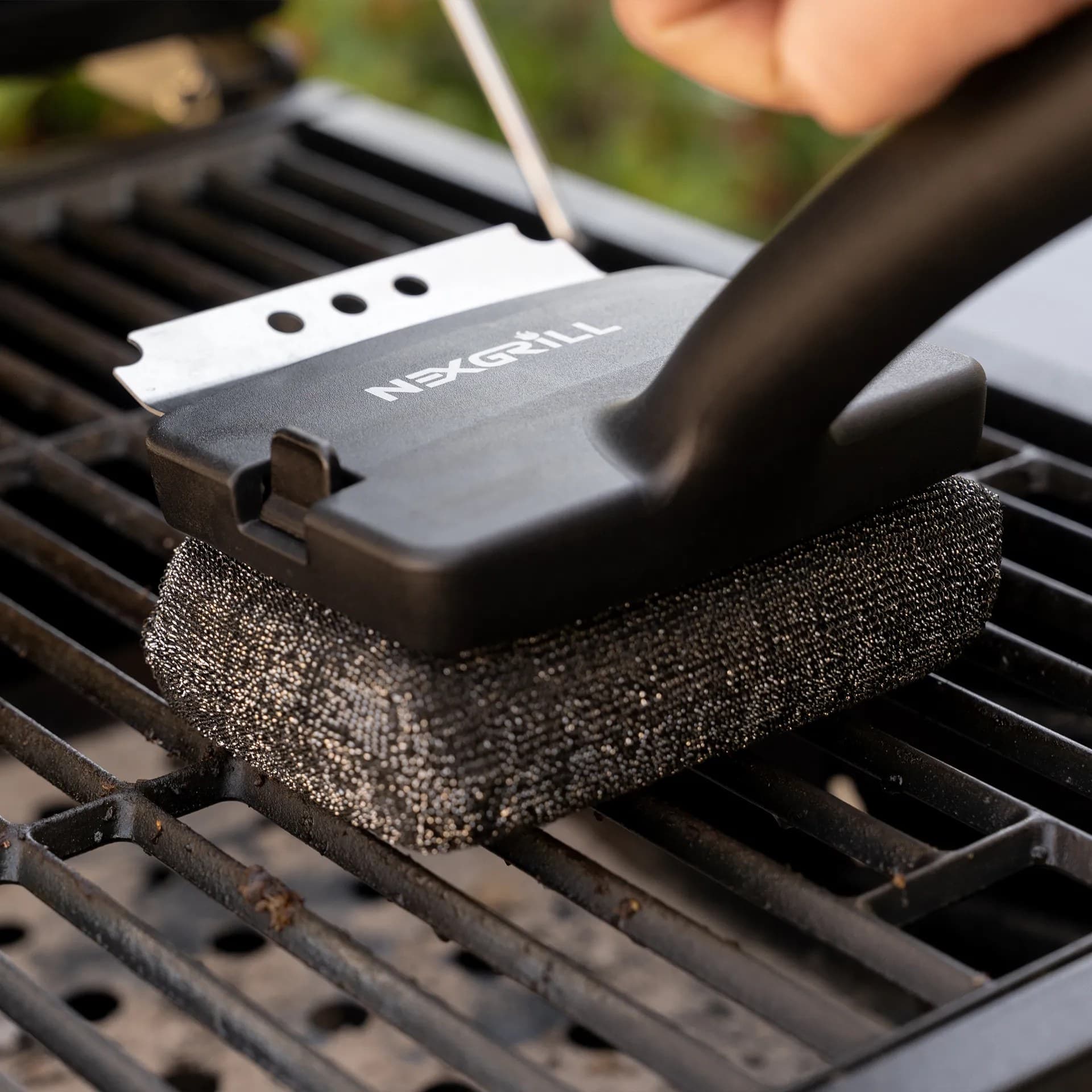
Helpful articles covering grilling tools, cookware, maintenance gear, and must-have accessories for outdoor cooking.
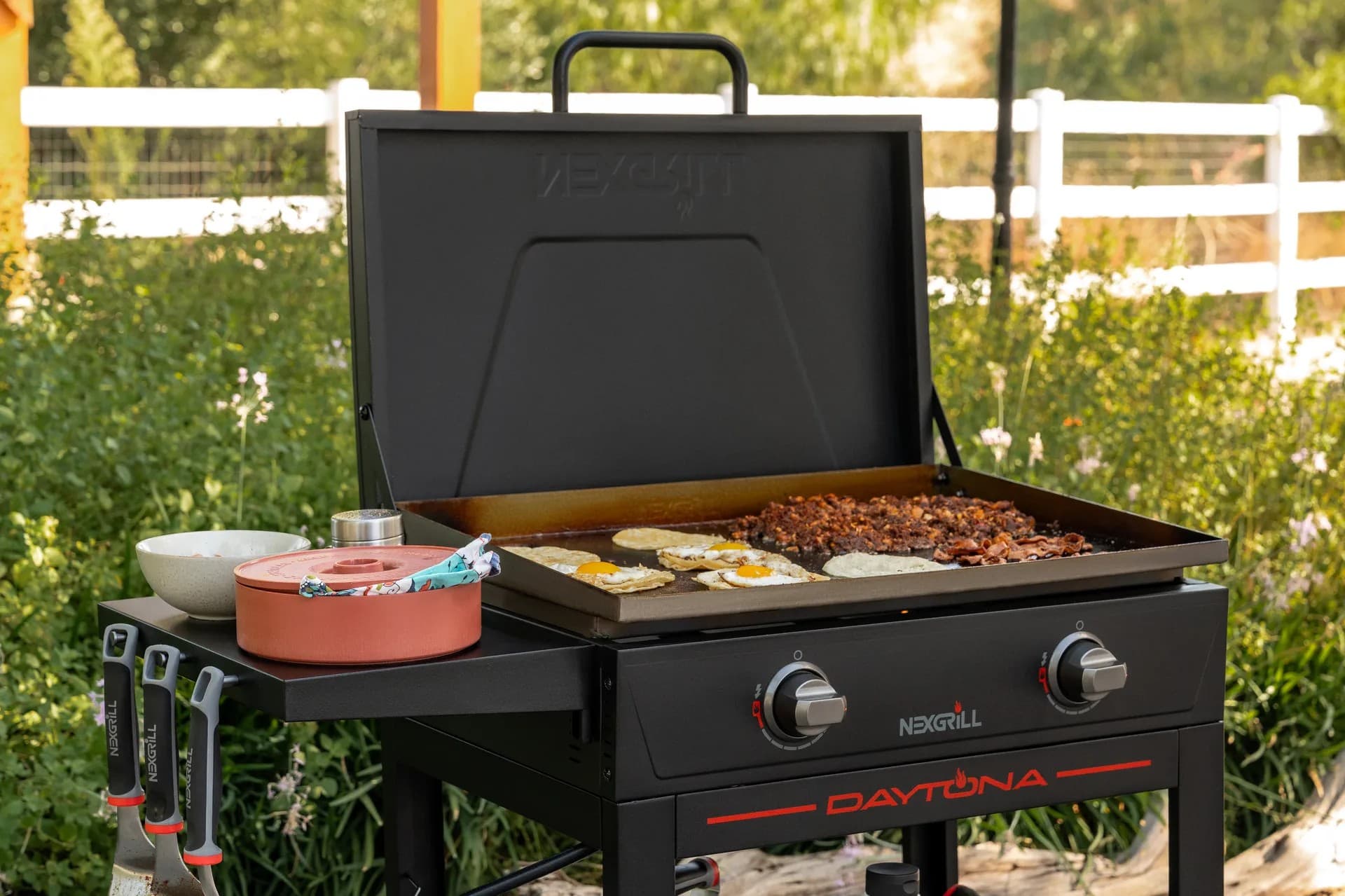
Find griddle recipes, cooking techniques, cleaning tips, and outdoor meal ideas designed for Nexgrill griddles.
Find answers to common questions
Gas grills provide instant heat and precise temperature control, making them easier to use. Charcoal grills offer a smoky flavor and high heat for searing but require more time to heat up and manage.
Pellet grills combine the convenience of gas with the flavor of wood, allowing for smoking, baking, and grilling. Traditional gas grills, however, are quicker to start and often easier to clean.
Charcoal grills typically reach higher temperatures quicker than gas grills, making them better for searing meat. However, high-quality gas grills can also provide adequate heat for effective searing.
Nexgrill offers models designed specifically for gas, charcoal, and pellets, allowing users to choose based on their cooking style and flavor preferences. Each type is built to optimize the characteristics of its respective fuel.
Choosing between gas and charcoal grills depends on your cooking preferences and lifestyle. If you value convenience and quick cooking, a gas grill may suit you better; if you prefer the taste and experience of traditional grilling, a charcoal grill would be ideal.
In This Article
Temperature Control
Flavor Profiles
Cost Considerations
Choosing between a pellet grill and a gas grill is really about deciding how you want cooking outdoors to feel. Some people want the fastest route from cold grill to dinner, with straightforward control and very little setup. Others want the deeper smoke flavor, a little more ritual, and the ability to hold steady low temperatures for ribs, brisket, or a long chicken roast. Both grill types have loyal followings for good reason, and both can produce excellent results when matched to the right cook.
For Nexgrill readers, the decision often comes down to a practical mix of flavor, speed, cost, and lifestyle fit. A gas grill is usually the easier weeknight companion. A pellet grill is often the better fit for cooks who enjoy low-and-slow barbecue and want wood-fired flavor as part of the experience. Nexgrill’s broader brand message emphasizes approachable outdoor cooking for different skill levels and gathering styles, which is exactly why this comparison matters: the best grill is the one that helps you cook more often, with less friction, and with food you’re happy to share.
The biggest misconception is that pellet grills cannot get hot enough for real grilling. Many models can reach searing temperatures, but they behave differently than gas when it comes to recovery time, flare control, and direct flame exposure.
Pellet grills favor smoke and steady heat; gas grills favor speed and immediate control.
The most useful way to compare pellet grill vs gas grill is to think in terms of fuel delivery, heat behavior, and the food you actually cook most often. Pellet grills burn compressed hardwood pellets and use an auger, fire pot, and controller to manage the fire. That setup creates a more hands-off smoking experience and infuses food with wood flavor as the cook runs. Gas grills burn propane or natural gas through burners, giving you fast ignition, instant flame adjustment, and strong weeknight convenience. The trade-off is simple: pellet grills are more about flavor-driven temperature management, while gas grills are more about speed and direct responsiveness.
| Category | Pellet Grill | Gas Grill |
|---|---|---|
| Heat source | Wood pellets fed mechanically | Propane or natural gas burners |
| Startup | Slower due to warm-up and ignition cycle | Fast, often ready in minutes |
| Flavor | Noticeable wood-smoke character | Cleaner, more neutral grilled flavor |
| Best cooking style | Smoking, roasting, baking, indirect heat | Searing, quick grilling, everyday meals |
| Temperature control | Precise, but slower to react | Immediate and very responsive |
| Cleanup | Ash management plus grease cleanup | Mostly grease and grate cleanup |
Pellet grills are often praised for their ability to hold a target temperature, especially during long cooks. That is true, but it is worth separating holding temperature from changing temperature quickly. A pellet grill can be very steady once it settles in, which is excellent for pork shoulder or ribs. What it usually does not do as quickly as gas is jump from low smoke mode to a blazing sear setting, or recover instantly after the lid has been opened. Gas excels at that kind of responsiveness. If you cook burgers, vegetables, or weeknight chicken breasts and want to move between zones quickly, gas is hard to beat.
Pellet grills also bring smoke management into the conversation. Because pellets are wood-based fuel, they create a flavor profile that is deeper and more layered than gas alone. That flavor benefit is part of the reason pellet grills are so popular for barbecue-style cooking. Gas grills can absolutely produce a satisfying grilled finish, but they rely more on seasoning, marinades, and technique than on fuel-derived smoke flavor.
If your top priority is a hard sear, look closely at the grill’s maximum temperature, grate design, and whether the cooking system allows true direct flame exposure rather than only indirect heat.
The right choice is not only about sticker price. You should look at initial purchase cost, fuel cost, and the kind of maintenance each grill demands over time. In the United States, gas grills often start lower in price for comparable cooking capacity, especially in entry-level and mid-range segments. Pellet grills typically cost more at the outset because they include a controller, auger, hopper, and more complex mechanical components. That extra hardware is what enables the wood-pellet cooking experience.
Operating costs also differ. Propane is convenient and widely available, while natural gas can be economical for homeowners already set up for it. Pellets may cost more per cook than gas, especially during long smoke sessions, but they deliver the flavor that pellet users are usually shopping for. Maintenance costs can tilt the scale too: gas grills may need burner, igniter, or regulator attention over time, while pellet grills require more attention to ash cleanup, pellet storage, and controller-related care.
| Cost factor | Pellet Grill | Gas Grill |
|---|---|---|
| Typical upfront price | Usually higher for comparable features | Often lower at entry and mid tiers |
| Fuel expense | Pellets add recurring cost per cook | Propane or natural gas is often simpler to budget |
| Maintenance | Ash management and moving parts to monitor | Fewer moving parts, but burners and ignition need care |
| Ownership style | Best if you value flavor and smoking capability | Best if you value speed and everyday flexibility |
A useful way to think about value is by cook frequency. If you grill several times a week and want fast, low-friction use, gas often wins on everyday efficiency. If you cook fewer times but want each session to feel more like a barbecue event, pellet grills can justify their higher operating complexity. Nexgrill’s brand position around accessible pricing and flexible outdoor cooking is relevant here: the best value is not the cheapest grill, but the one you will actually use consistently.
Different grillers need different tools, and this is where the pellet grill vs gas grill debate becomes most practical. There is no single winner for every household. The better choice depends on what you cook, how much time you have, and whether the grill is a spontaneous dinner machine or a weekend cooking project.
| Buyer profile | Best fit | Why it fits |
|---|---|---|
| Busy family weeknight cook | Gas grill | Fast ignition, quick heat changes, easy burger-and-veg dinners |
| Weekend barbecue enthusiast | Pellet grill | Better for ribs, brisket, pork shoulder, and wood flavor |
| New grill owner | Gas grill | Simpler learning curve and faster confidence building |
| Flavor-first cook who also bakes outdoors | Pellet grill | Smoke plus steady baking-style heat for versatile menus |
A pellet grill can replace a gas grill for many households, but not always for cooks who prioritize fast searing, frequent short cooks, or highly responsive flame control.
For a mixed household, the clearest answer is often to choose based on the dominant use case. If you grill a lot of chicken breasts, veggies, and quick proteins after work, gas is probably the smarter everyday tool. If your weekends revolve around smoked meats, long rests, and a more deliberate cooking rhythm, pellet is the stronger match. If you are the type who wants both, the best solution may be to pick the grill that handles your most common meals best, then add techniques or accessories later for the rest.
Try comparing two products side by side below to see which fits best:
Once you've weighed two options against each other, the next question is how each grill type fits into your broader concerns about air quality, byproducts, and fuel use. This part of the comparison is often oversimplified. Pellet grills are not automatically “healthier,” and gas grills are not automatically “cleaner” in every meaningful sense. What matters is the actual cooking environment, how much smoke and grease are produced, and whether the food is being cooked in a way that avoids excessive charring.
From a health perspective, both grill types can produce compounds associated with high-heat cooking if food is over-charred or exposed to dripping fat and flame. The practical takeaway is that technique matters more than the fuel label. Managing flare-ups, using moderate heat when appropriate, trimming excess fat, and avoiding heavily blackened surfaces will do more for your cooking outcomes than choosing one fuel type over the other. Pellet grills may expose food to more smoke, which is part of their appeal, but smoke intensity should still be controlled. Gas grills may produce less smoke flavor, yet they can still overheat food if you leave it unattended or cook at unnecessarily high temperatures.
The cleanest result in either category usually comes from controlled heat, good airflow, and avoiding heavy grease flare-ups rather than from chasing the “healthier” grill label.
Environmental considerations also differ. Pellet grills depend on manufactured fuel pellets, which adds packaging, storage, and transport considerations. Gas grills depend on fossil fuels, with propane and natural gas having their own upstream footprint. For many homeowners, the more practical environmental question is efficiency: how much fuel do you burn to get the kind of meal you want? A short midweek dinner on gas may use relatively little fuel because the grill heats fast and shuts down quickly. A long smoked cook on pellets may use more fuel but can deliver a result that would be difficult to reproduce any other way.
There is also the issue of kitchen and neighborhood comfort. Gas grills generally produce less ambient smoke, which can matter on smaller patios or in tighter outdoor spaces. Pellet grills create more visible smoke, especially during startup and at low temperatures, so they are often better appreciated where ventilation and space are not major concerns. For apartment-style living or neighborhoods with close setbacks, a gas grill may be the more considerate choice simply because it is less likely to fill the immediate area with lingering smoke.
The pellet grill vs gas grill decision comes down to what you want your grill to do most often. If you want quick heat, a simple learning curve, and the ability to cook dinner with minimal planning, gas is the practical winner. If you want richer wood-fired flavor, better low-and-slow performance, and a grill that feels closer to an outdoor smoker and oven, pellet is the better match.
For many households, the best answer is not about which grill is better in the abstract. It is about which one will be used more often, with more satisfaction, for the meals that matter most. If your cooking leans toward weeknight convenience, gas is the strong everyday choice. If your cooking leans toward barbecue projects and flavor exploration, pellet is the more rewarding long-term partner. The right grill is the one that fits your pace, your palate, and the way you like to gather people around the fire.
Here's what sets us apart
We position ourselves as delivering high-end outdoor cooking features and performance without premium-brand pricing, emphasizing “Quality Grills. Unbelievable Value.”
We offer gas grills, pellet grills, griddles, smokers, pizza ovens, portable/tabletop grills, electric grills, accessories, and replacement parts — allowing customers to stay within one ecosystem for all outdoor cooking needs.
We differentiate ourselves through smart grilling products like the Oakford smart pellet grill, including app-connected cooking controls and modern outdoor cooking technology.
Don't just take our word for it
Keep reading
From our catalog