Mastering Brisket on a Pellet Grill
Unlock the secrets to perfect brisket with your pellet grill.
In This Article
Ideal Cooking Techniques
Wood Pellet Flavors
Common Mistakes
Introduction to Smoking Brisket on Pellet Grills
Smoking brisket is a cherished tradition in the world of barbecue, and using a pellet grill offers unique advantages. Pellet grills provide consistent heat and smoke, making them ideal for achieving the perfect brisket. With precise temperature control, these grills allow even novice cooks to produce professional-quality results. Whether you’re hosting a backyard barbecue or preparing a special family dinner, mastering brisket on a pellet grill can transform your culinary repertoire.
Preparation: Trimming and Seasoning Your Brisket
Preparation is key to a successful brisket. Begin by trimming excess fat to ensure even cooking and better smoke penetration. A layer of about a quarter inch of fat is ideal to keep the meat moist. Seasoning should be generous; a simple combination of salt, pepper, and garlic powder often works best. Let the brisket sit at room temperature for about an hour before placing it on the grill to allow the seasoning to infuse.
Choosing the Right Wood Pellets for Flavor
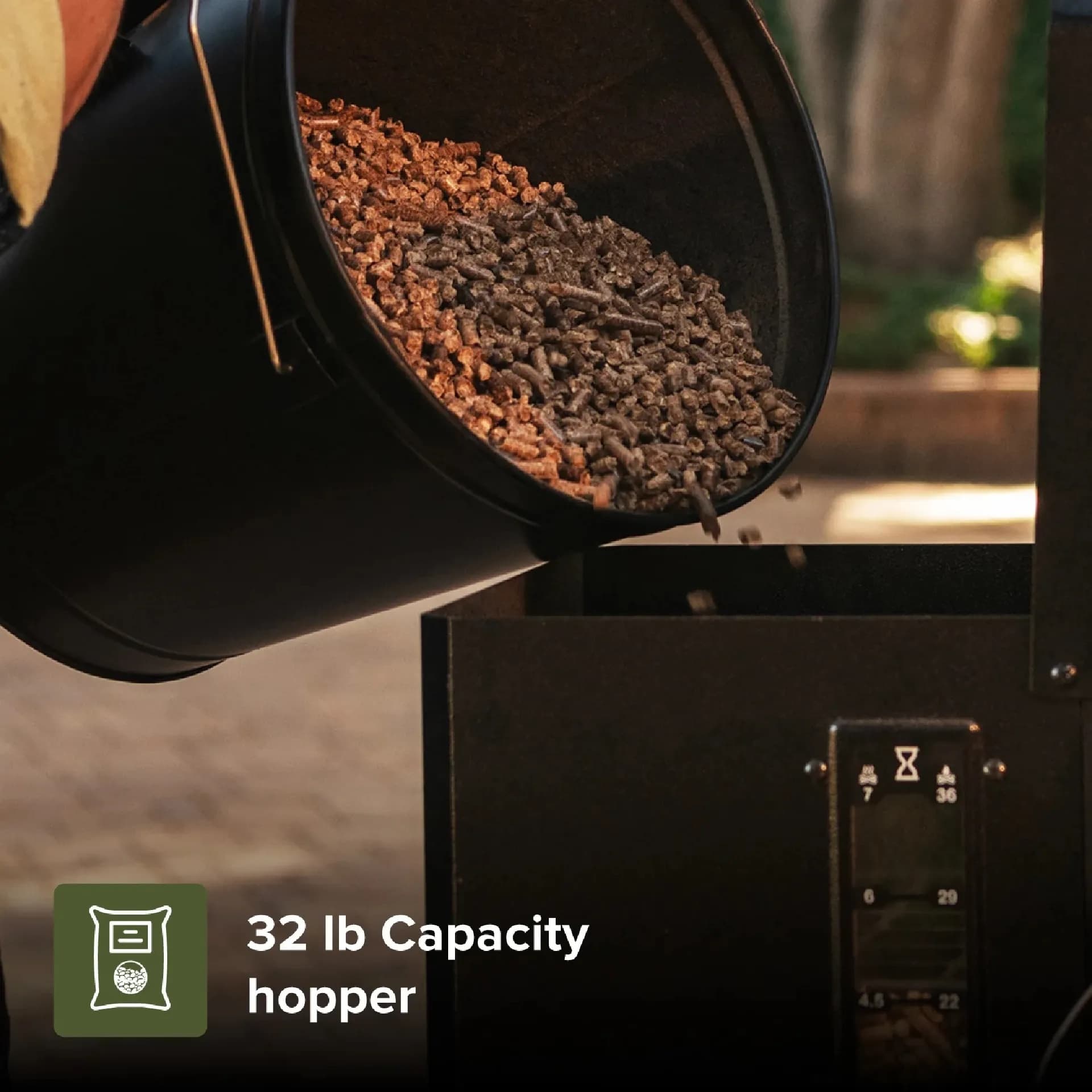
Wood pellets are crucial in determining the flavor profile of your brisket. Popular choices include hickory for a strong, smoky flavor, and apple or cherry for a milder, sweeter taste. Mesquite is an excellent choice for those who desire an intense smoke flavor. Experimenting with pellet combinations can lead to unique and personalized flavor profiles that delight your guests.
Essential Cooking Techniques: The 3-2-1 Method Explained
The 3-2-1 method is a popular technique for smoking brisket, especially on pellet grills. It involves three stages: smoking the brisket unwrapped for three hours at 225°F, wrapping it in foil and cooking for another two hours, and finally, unwrapping it for a final hour to develop a crust. This method ensures tender meat with a flavorful bark, balancing moisture and smokiness effectively. Adjustments can be made based on personal preferences, such as extending the final stage for a thicker crust.
Detailed Cooking Times for Different Brisket Weights
Cooking times for brisket can vary significantly based on weight. As a rule of thumb, plan for 1 to 1.5 hours per pound at 225°F. For example, a 4-pound brisket typically takes 4 to 6 hours. The key is to monitor internal temperatures, aiming for 195°F to 205°F for optimum tenderness. Using a meat thermometer can help ensure accuracy and consistency in results.
Troubleshooting Common Smoking Issues
Common issues in smoking brisket include uneven cooking and lack of smoke flavor. Uneven cooking often results from inconsistent grill temperatures or improper brisket trimming. Ensuring your pellet grill maintains a steady temperature and trimming the brisket evenly can mitigate this. If smoke flavor is lacking, consider adjusting the pellet type or increasing smoke exposure time. Regularly checking and maintaining your grill can also prevent unexpected issues during the smoking process.
The Importance of Resting Your Brisket
Resting brisket after cooking is crucial for flavor and texture. Letting it sit for at least 30 minutes allows the juices to redistribute, resulting in a more tender and flavorful meat. Resting can be done by wrapping the brisket in foil and placing it in a cooler. This process not only enhances the taste but also makes slicing easier.
Conclusion: Perfecting Your Brisket Skills
Mastering brisket on a pellet grill is a rewarding culinary endeavor. By focusing on preparation, choosing the right wood pellets, and applying essential cooking techniques, you can achieve mouth-watering results. Remember, practice makes perfect, and each brisket is an opportunity to refine your skills and delight your guests with a flavorful feast.