Nexgrill 820-0063 vs Char-Broil: How to Compare Before You Buy
A step-by-step method for checking the SKU, lining up specs, and deciding between a Nexgrill 820-series gas grill and a Char-Broil - without guessing at numbers.
In This Article
Decode the SKU First
Spec Matching Method
Parts and Ownership Costs
How to Compare a Nexgrill 820-0063 and a Char-Broil Grill Without Getting Burned
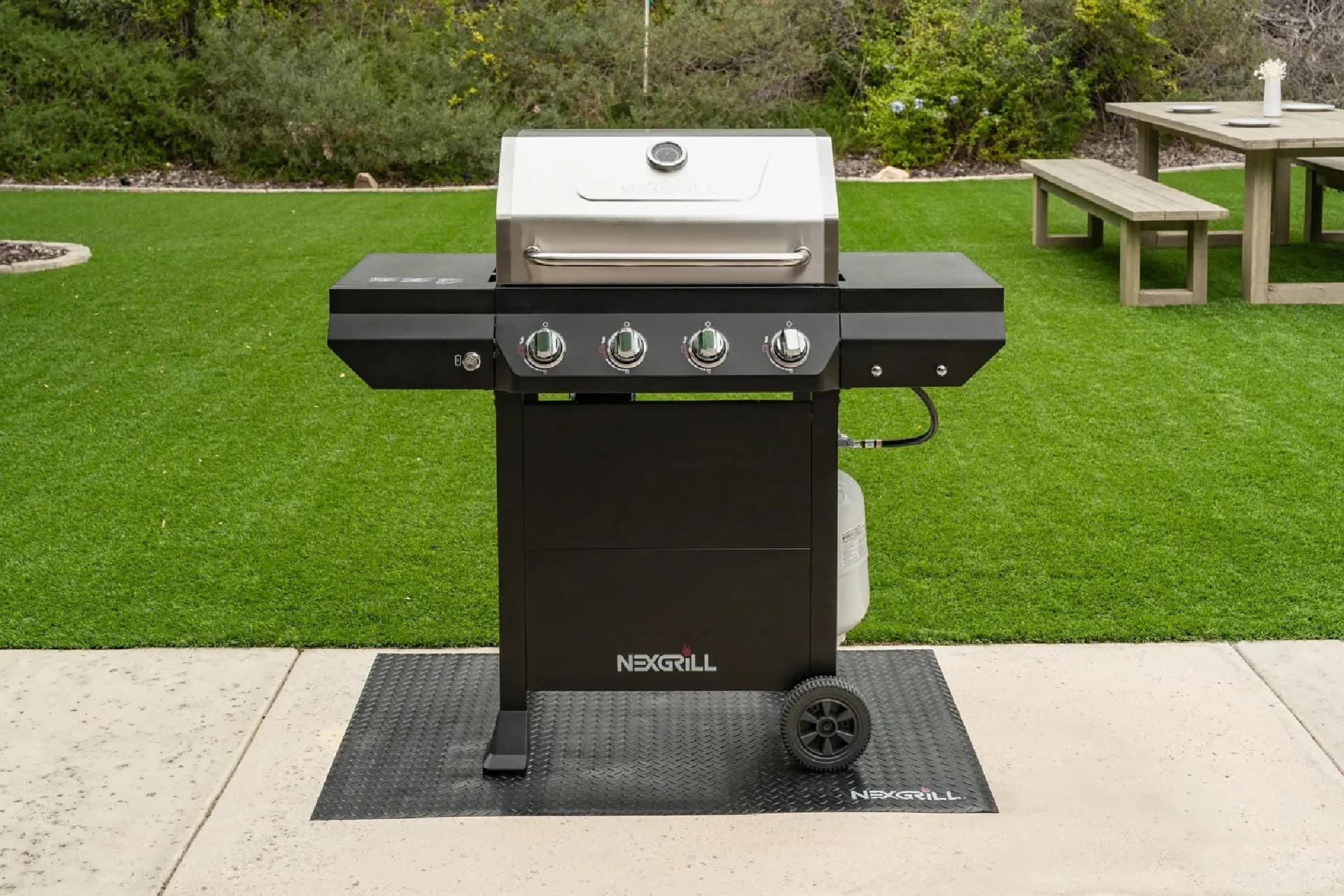
Comparing two gas grills sounds simple until you try to line up a model number against a product that may not exist in a current catalog. The Nexgrill 820-0063 is a case in point: during research for this guide, it could not be verified as a live listing on Nexgrill's site or at Home Depot. It may be discontinued, sold only through a specific channel, or a carton code rather than a marketing name. The lesson: before you compare BTUs or grates, confirm you are looking at two real, currently purchasable grills.
Step 1: Confirm You Are Comparing the Right Two Grills
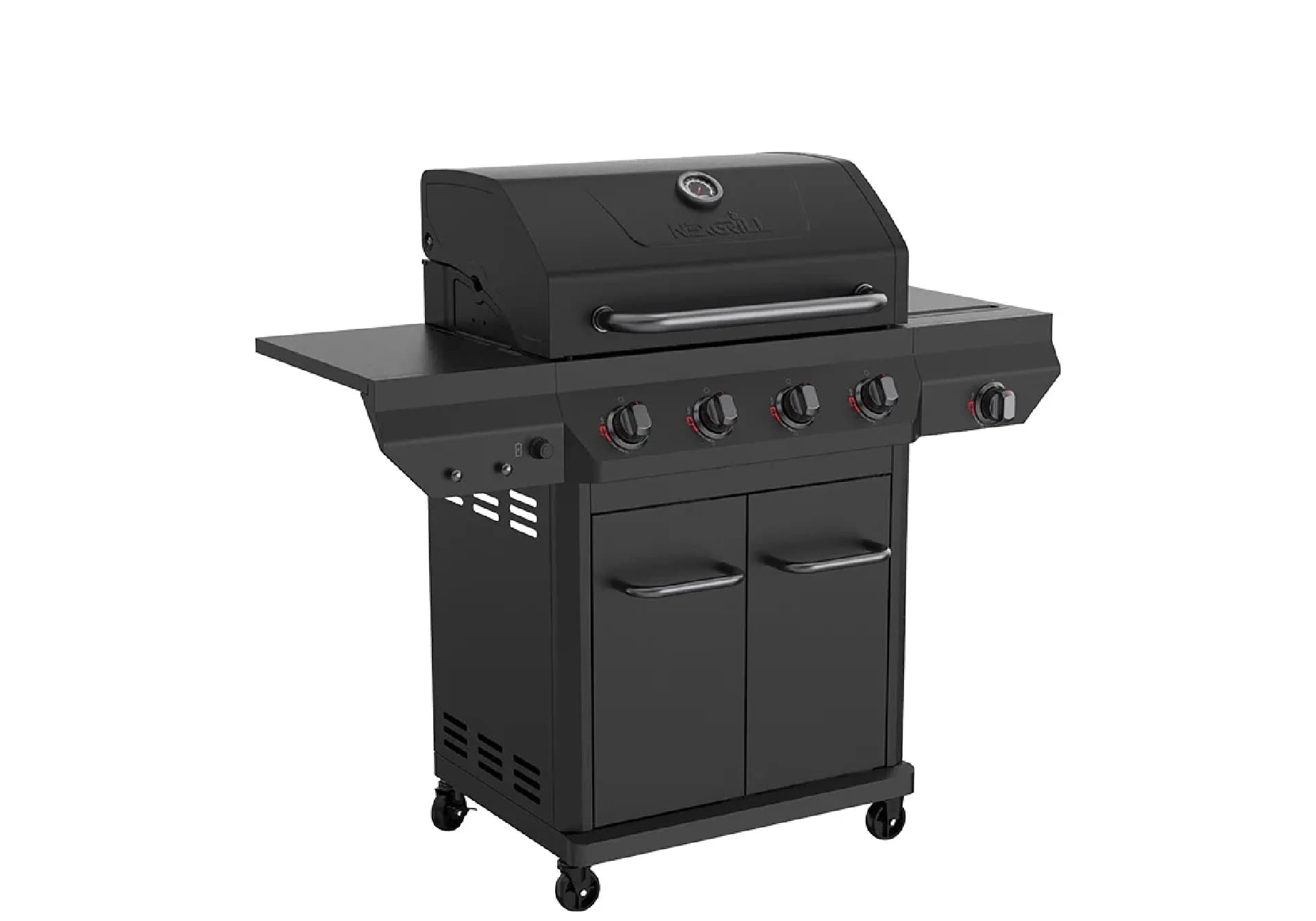
Start with the label on the carton and the data plate inside the cabinet or on the back panel. Look for a full model number matching the retailer listing, then cross-check it against the Nexgrill product catalog and Home Depot. If the SKU does not appear, treat it as a legacy or channel-specific model and move to a live equivalent in the same bracket, such as the Nexgrill 4-Burner Gas Grill with Side Burner or the Deluxe 2-Burner. On the Char-Broil side, confirm the exact model name before pulling specs. Char-Broil is headquartered in Columbus, Georgia, part of the W.C. Bradley Co. family, and its grills are widely stocked at Home Depot, Lowe's, and Walmart, so live listings are easy to find.
If a model number returns no current listing, do not guess its specs. Compare the closest live equivalent and note the substitution.
Step 2: Pull the Numbers That Actually Change How a Grill Cooks
Compare verified grills on the same basis. Main cooking area (primary grates only) beats total cooking area, which often includes a warming rack. Primary burner BTU tells you heat input; total BTU may include a side burner you rarely use. Burner count drives zone control: two burners mean two zones, four let you sear on high and hold on low. Grate material and mass affect heat retention more than a BTU badge - heavy cast iron holds heat through a cold steak, while thin wire grates recover slowly. Check whether the cart is open or enclosed, whether a side burner and warming rack are included, and whether the lid fits tightly, since a loose lid leaks heat and lengthens preheat.
What Infrared Burners Change (Char-Broil's Angle)
Char-Broil is known for TRU-Infrared burner technology, which uses a perforated emitter plate rather than open flame. Infrared burners reduce flare-ups because drippings vaporize above the plate instead of hitting open fire, and they sear at high surface temperatures. Conventional burners give visible flame, a traditional feel, and are easier to inspect and clean. If fatty foods have caused flare-ups, weigh infrared; if you prefer direct flame control, conventional is simpler.
Step 3: Check Parts, Manuals, and Support Before You Fall in Love With a Price
Parts availability is model-specific - verify per SKU. Before buying, search for the replacement grate, burner tube, and igniter for each model, download the owner's manual, and read the published warranty terms rather than relying on a verbal claim. Start at Nexgrill's homepage and support pages for the Nexgrill side, and the official site for Char-Broil. A model with no findable manual or parts listing is a meaningful ownership risk.
Step 4: Rough Out What Ownership Will Cost You in US Dollars
Purchase price is only the entry fee. Propane refills commonly run about $18-$25 for a standard 20 lb tank exchange, a fitted cover roughly $30-$70, and replacement grates $40 to over $100 depending on material. These are estimates - confirm live pricing at the retailer. Add them to the sticker price to compare true first-year cost, then compare two finalists side by side in the tool below.
Once You Have Two Candidates Side by Side, Here Is What Tips the Decision
After a side-by-side comparison, the numbers stop being abstract. The next step is matching the winner to your cooking habits and deciding what you will compromise on.
Step 5: Match the Grill to How You Actually Cook
A two-person weeknight household usually cooks 2-3 times a week and values fast preheat, easy cleaning, and a small footprint; a two- or three-burner grill with a compact cart is often enough. A family of four that entertains needs more grate area, at least three burners for zone control, and a side burner for sides. An infrared-curious searer cooking steaks and burgers at high heat should weight burner type heavily: infrared reduces flare-ups on fatty cuts, while conventional burners reward visible flame control. Write down your three most common cooks and use them as a filter.
Step 6: Build a One-Page Decision Matrix
A simple table forces you to weight what matters instead of being swayed by one flashy spec. Replace the values below with the verified specs from Step 2.
| Criterion | Weight | Nexgrill candidate | Char-Broil candidate |
|---|---|---|---|
| Main cooking area | High | ___ sq in | ___ sq in |
| Primary burner BTU | Medium | ___ BTU | ___ BTU |
| Burner type | High | Conventional / infrared | Conventional / TRU-Infrared |
| Grate material and mass | Medium | ___ | ___ |
| Parts and manual found | High | Yes / No | Yes / No |
Common Mistakes Buyers Make in a Nexgrill vs Char-Broil Comparison
Buying on BTU alone is the most common error - BTU is input, not heat retention. Assuming a model number is current leads to comparing against a discontinued grill. Ignoring propane versus natural gas conversion limits can leave you with a grill you cannot fuel. Skipping patio measurements, or forgetting to check that a cover fits your specific model, causes return headaches. Finally, underestimate assembly and delivery: most gas grills arrive in a heavy box and take 60-120 minutes to assemble.
Before you click buy: confirm the SKU is live, download the manual, search for one replacement part, measure your patio, and add first-year ownership costs. Then compare two finalists in the tool above.
Before-You-Click-Buy Checklist
- Model number verified on a live retailer listing
- Main cooking area and primary BTU noted
- Burner type (infrared vs conventional) decided
- Parts and manual availability confirmed
- Fuel type (propane or natural gas) matches your setup
- Patio footprint and cover fit checked
- First-year ownership cost estimated