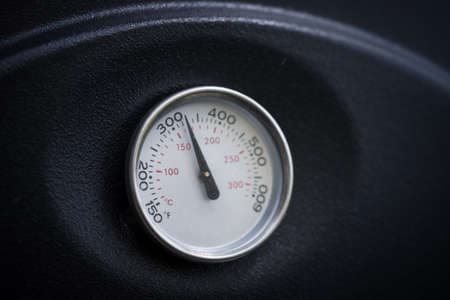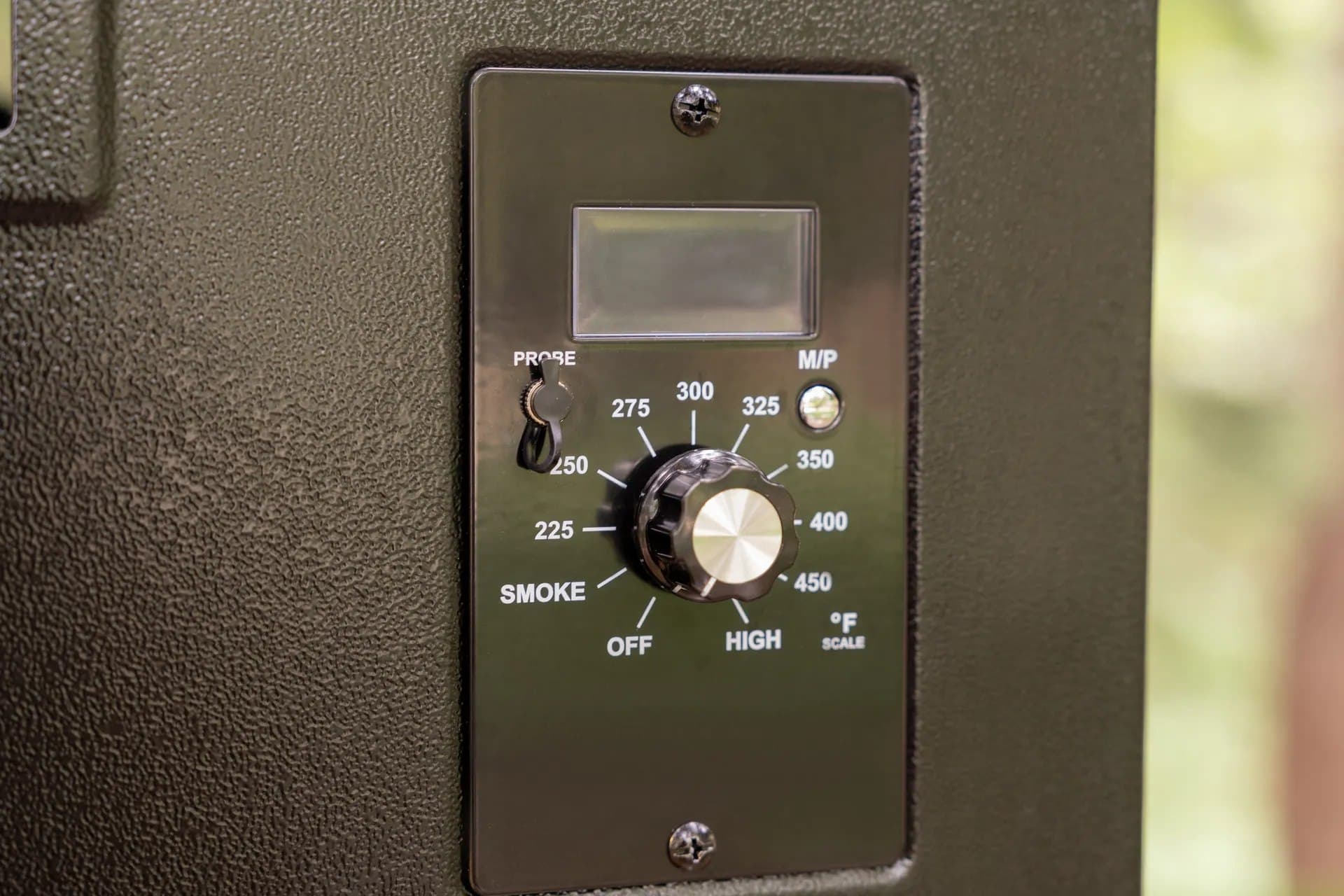
Evaluate your grill's condition and decide if repair is the best option.
Here's what sets us apart from the competition
We position ourselves as delivering high-end outdoor cooking features and performance without premium-brand pricing, emphasizing “Quality Grills. Unbelievable Value.”
We offer gas grills, pellet grills, griddles, smokers, pizza ovens, portable/tabletop grills, electric grills, accessories, and replacement parts — allowing customers to stay within one ecosystem for all outdoor cooking needs.
We differentiate ourselves through smart grilling products like the Oakford smart pellet grill, including app-connected cooking controls and modern outdoor cooking technology.
Expert tips, buying guides, comparisons, and inspiration for choosing and getting the most out of your grill.
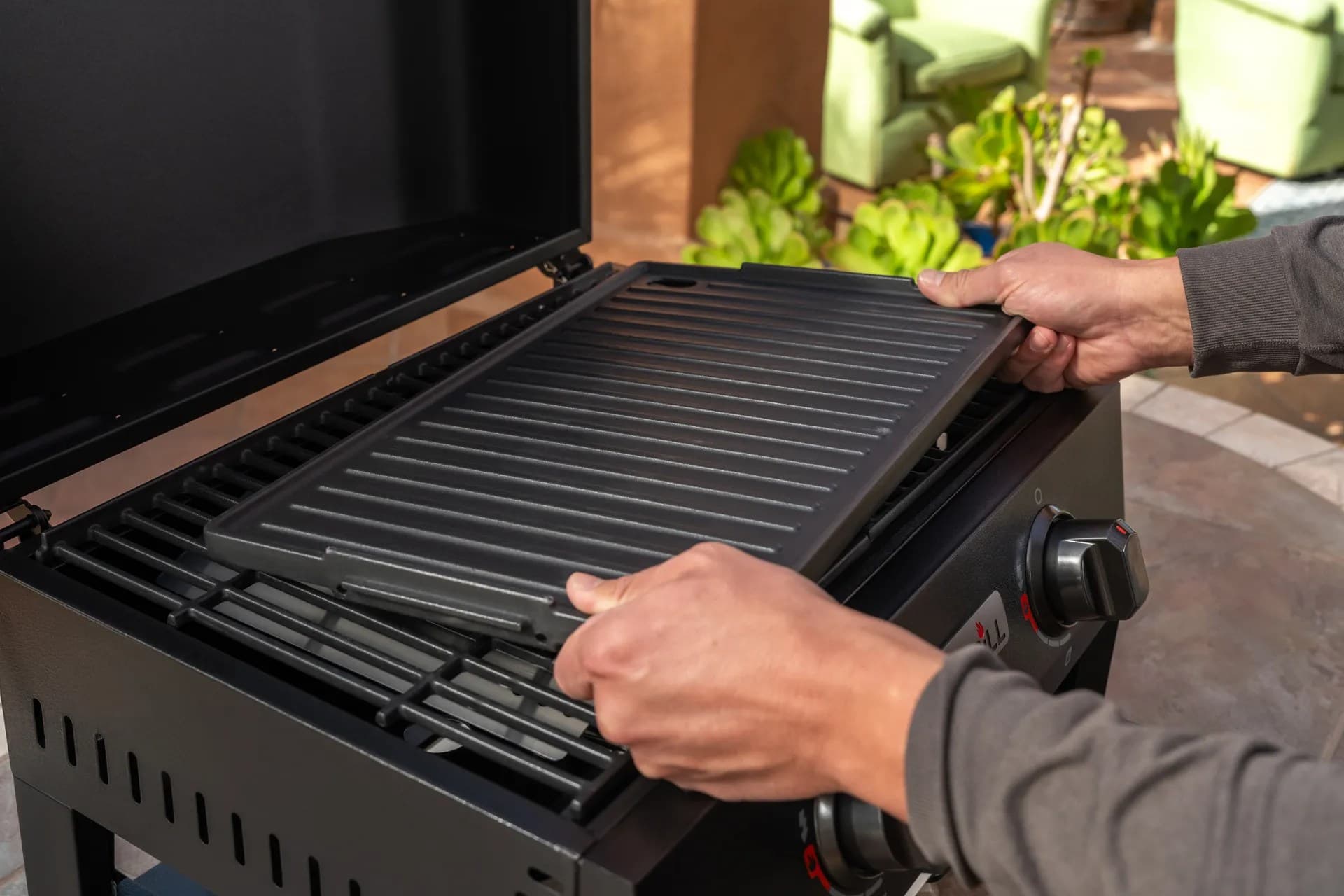
Practical guides for cleaning, maintenance, common grill issues, and performance optimization.
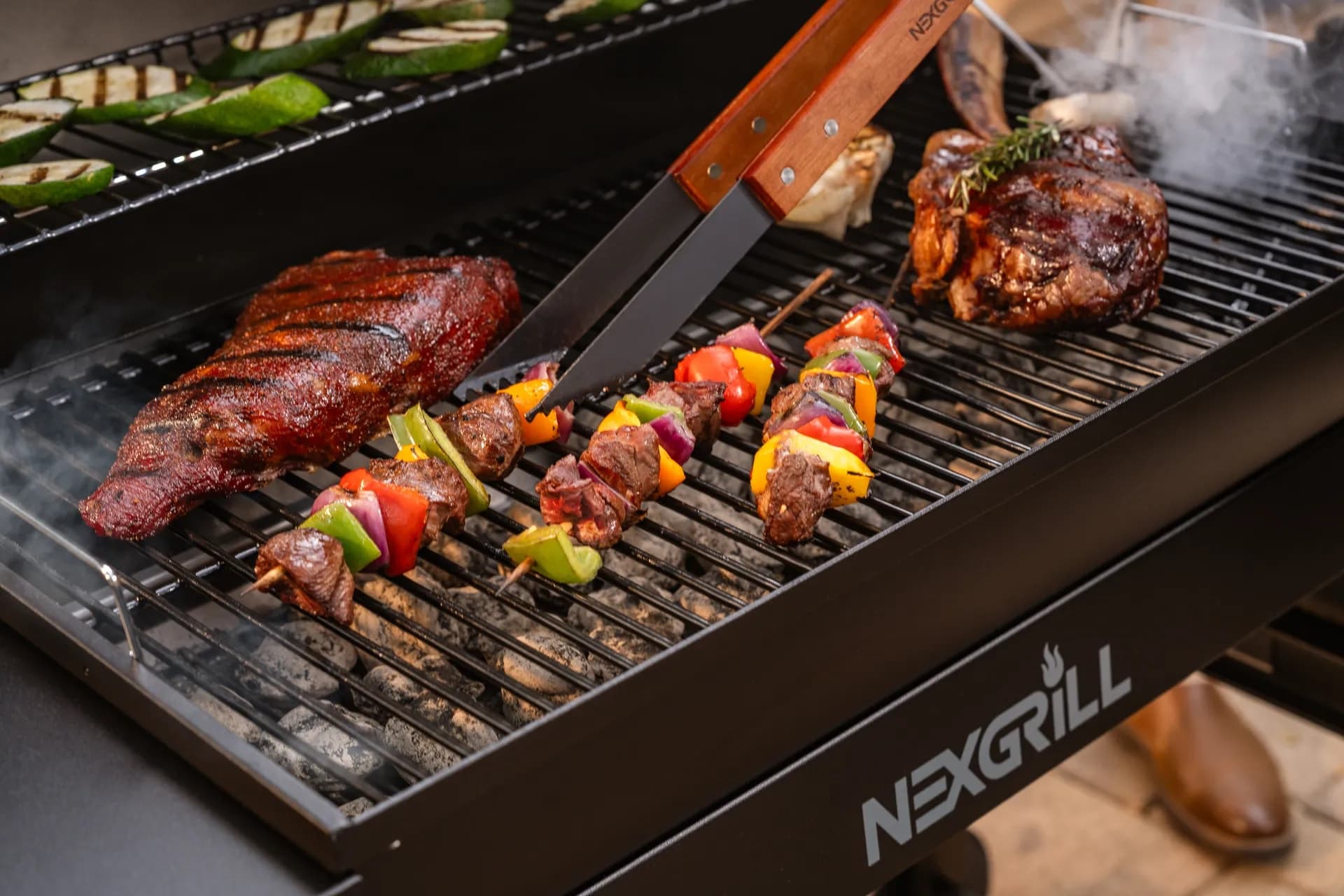
Step-by-step grilling recipes, cooking techniques, and meal ideas for every occasion and skill level.

Backyard entertaining ideas, seasonal grilling inspiration, and stories that celebrate outdoor cooking culture.
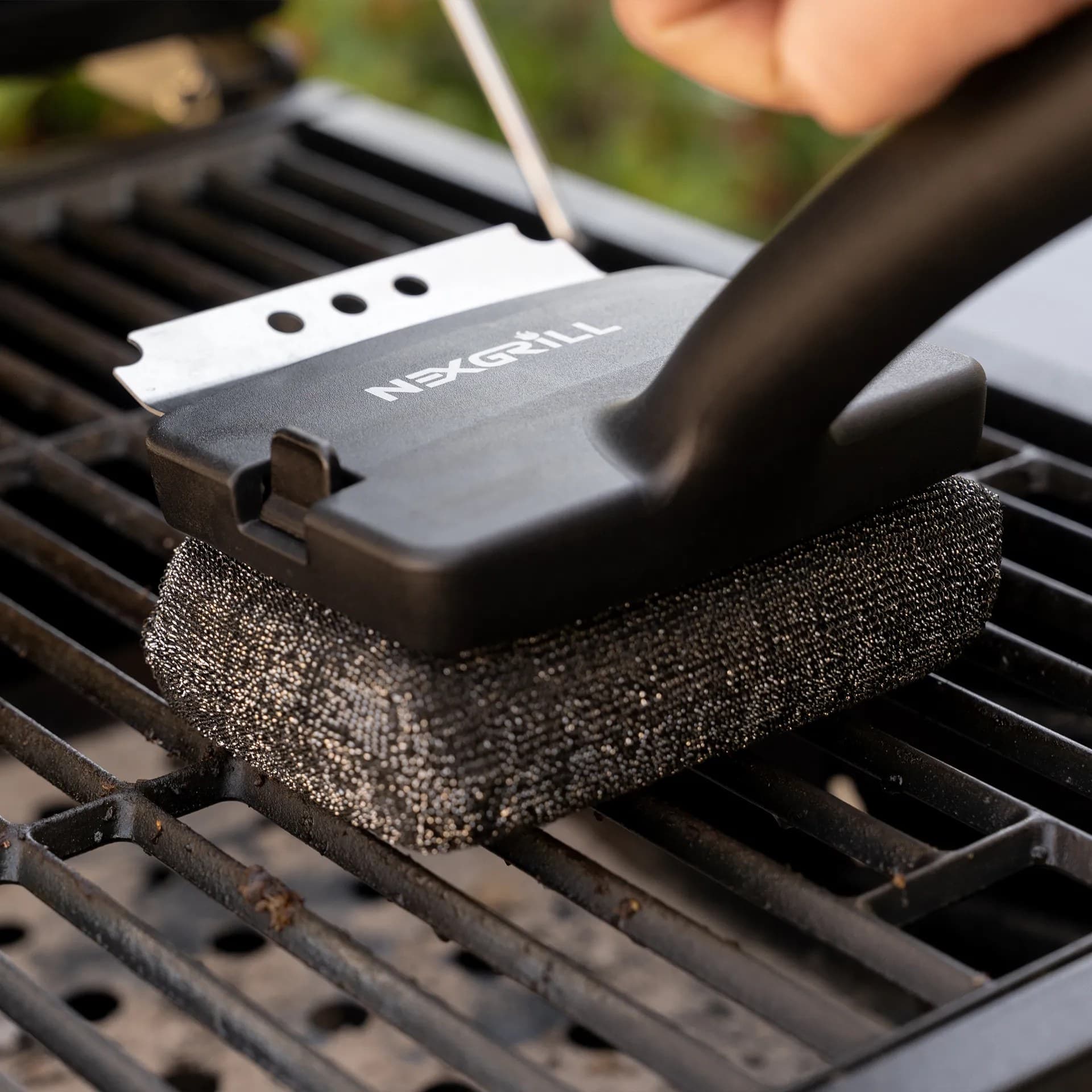
Helpful articles covering grilling tools, cookware, maintenance gear, and must-have accessories for outdoor cooking.
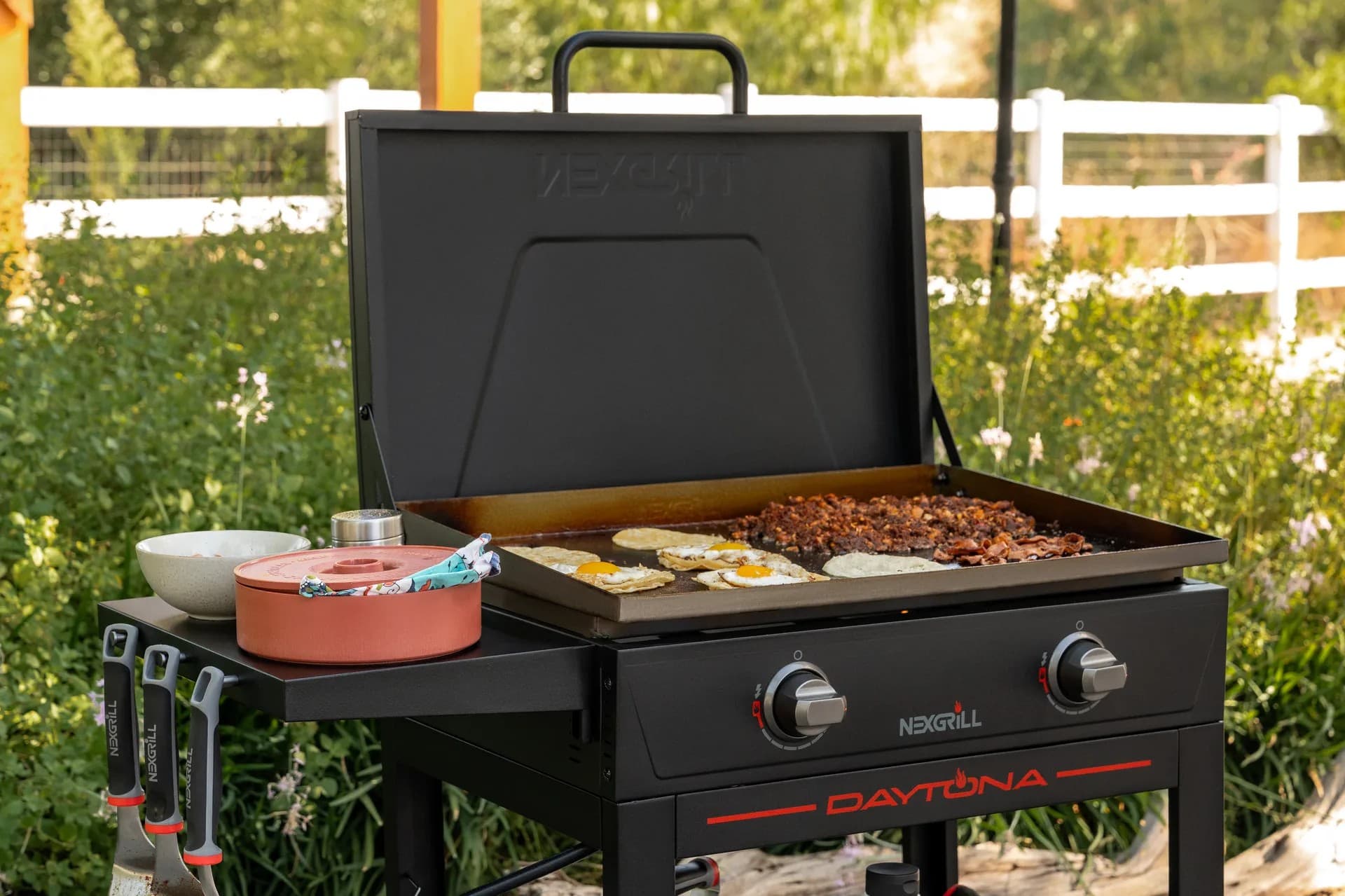
Find griddle recipes, cooking techniques, cleaning tips, and outdoor meal ideas designed for Nexgrill griddles.
Find answers to common questions
To clean your Nexgrill grill, ensure it is cooled down first. Use a grill brush to scrub the grates, and wipe down the exterior with warm, soapy water. For deeper cleaning, disassemble parts as per the user manual's instructions.
If your grill won't light, check that the propane tank has gas and that all connections are secure. Ensure the ignition switch is functioning and that there are no obstructions in the burners. Refer to the troubleshooting section of your manual for specific steps.
It's recommended to perform regular maintenance checks after every use, such as cleaning grates and checking gas connections. In addition, a thorough inspection and cleaning every few months can prolong the life of your grill and ensure optimal performance.
To store your grill during the off-season, clean it thoroughly and ensure it is dry to prevent rust. Cover it with a grill cover designed for your model, and store it in a dry, sheltered location if possible.
Uneven heat may occur due to clogged burners or worn-out flame tamers. Check for blockages in the burner ports and clean them as necessary. Additionally, ensure that the grill is level and properly assembled for consistent heat distribution.
In This Article
Common Grill Issues
Cost-Benefit Analysis
Environmental Impact
Gas grills are a staple for many outdoor cooking enthusiasts, providing convenience and efficiency. However, like any appliance, they can experience wear and tear over time. Understanding the common issues can help you decide whether to repair or replace your grill. Common problems include burner malfunctions, ignition failures, and rusted components. Each of these issues can impact the performance of your grill, potentially leading to uneven cooking or complete failure to light.
Burners are the heart of any gas grill. Over time, they can become clogged with grease and debris, leading to uneven heat distribution. Cleaning the burners regularly can prevent this issue, but if they are severely damaged or rusted, replacement might be necessary.
Ignition systems can fail due to worn-out electrodes or faulty wiring. While these components are often replaceable, consistent failures might indicate a more systemic issue with the grill's electrical system.
Rust can affect various parts of a grill, from the cooking grates to the body. Surface rust can often be cleaned, but extensive rust might compromise the structural integrity of the grill.
| Issue | Symptoms | Solution |
|---|---|---|
| Burner Malfunction | Uneven heating | Clean or replace burners |
| Ignition Failure | Grill won't light | Check electrodes and wiring |
| Rusted Components | Visible rust | Clean or replace affected parts |
Tip: Regular maintenance can prevent many common grill issues.
When faced with a malfunctioning gas grill, the decision to repair or replace can be challenging. Evaluating the costs and benefits of each option is crucial. Repairs might be cost-effective if the grill is relatively new and the issues are minor. However, if your grill is older and requires multiple replacements, investing in a new grill could offer better long-term value.
Repair costs can vary widely depending on the parts needed and the model of your grill. For example, replacing burners might cost around $50 to $100, while a new ignition system could be $30 to $60. Labor costs can also add up if you're not performing the repairs yourself.
Purchasing a new grill offers the advantage of modern features and improved efficiency. High-quality gas grills can range from $200 to over $1,000, depending on the brand and specifications. Investing in a new grill might be more sensible if your current grill has multiple failing components.
Average cost of repairing a mid-range gas grill
Ultimately, the choice between repairing and replacing depends on your budget, grill's condition, and how much you value the latest grilling features. Consider the lifespan of your grill, the frequency of use, and personal preference when making your decision.
The age of your grill and how often you use it are key factors in deciding whether to repair or replace it. Grills typically last between 5 to 15 years, depending on the quality and maintenance. If your grill is nearing the end of its lifespan, investing in a new model might be more practical.
Grills that are used frequently, such as several times a week, may experience more wear and tear. In such cases, considering a sturdy, high-quality model could be beneficial if replacement is necessary.
If your grill is only used a few times a year, repairs might extend its life sufficiently. Infrequent use often means less wear, which can justify the cost of specific part replacements.
Environmental impact is another consideration when deciding to repair or replace. Disposing of a grill contributes to landfill waste, whereas repairing extends its life and reduces environmental impact. However, newer models are typically more energy-efficient, which can offset environmental concerns over time.
If you choose to replace your grill, consider eco-friendly disposal options. Many communities offer recycling programs for metal appliances, which can help mitigate environmental impact.
Modern grills often feature energy-efficient designs that consume less fuel. This efficiency can lead to cost savings on fuel and less environmental impact in the long run.
Tip: Check for local recycling programs when disposing of old grills.
Ultimately, the decision to repair or replace your gas grill should be based on a combination of cost, convenience, and personal values. Consider how important the latest features are to you and whether you can maintain the grill adequately if repaired. For those who enjoy grilling regularly, investing in a new, high-quality model might be worthwhile, providing peace of mind and enhanced performance.
| Factor | Repair | Replace |
|---|---|---|
| Cost | Lower upfront | Higher upfront |
| Longevity | Short-term solution | Long-term solution |
| Features | Limited | Modern |
For more detailed guidance, considering consulting with a professional or reaching out to Nexgrill for advice on the best course of action for your particular model.
Here's what sets us apart
We position ourselves as delivering high-end outdoor cooking features and performance without premium-brand pricing, emphasizing “Quality Grills. Unbelievable Value.”
We offer gas grills, pellet grills, griddles, smokers, pizza ovens, portable/tabletop grills, electric grills, accessories, and replacement parts — allowing customers to stay within one ecosystem for all outdoor cooking needs.
We differentiate ourselves through smart grilling products like the Oakford smart pellet grill, including app-connected cooking controls and modern outdoor cooking technology.
Don't just take our word for it
Keep reading
From our catalog