Mastering Indirect Heat Grilling: A Comprehensive Guide
Everything you need to know about indirect heat grilling for perfect barbecues.
In This Article
Indirect Grilling Basics
Advanced Techniques
Choosing Your Grill
Understanding Indirect Heat Grilling
Indirect heat grilling is a method where food is cooked away from direct flames. Unlike the direct grilling method that sears the food over high heat, indirect grilling involves cooking with lower, more consistent heat, often with the grill lid closed. This technique is ideal for larger cuts of meat that require longer cooking times, such as whole chickens, ribs, or briskets. By avoiding direct contact with flames, the food cooks more evenly and retains moisture, delivering a tender and flavorful result.
One of the primary benefits of indirect grilling is its ability to cook food thoroughly without burning the exterior. This method is akin to roasting, where ambient heat circulates around the food, allowing for a more controlled cooking environment.
Setting Up Your Grill for Indirect Cooking
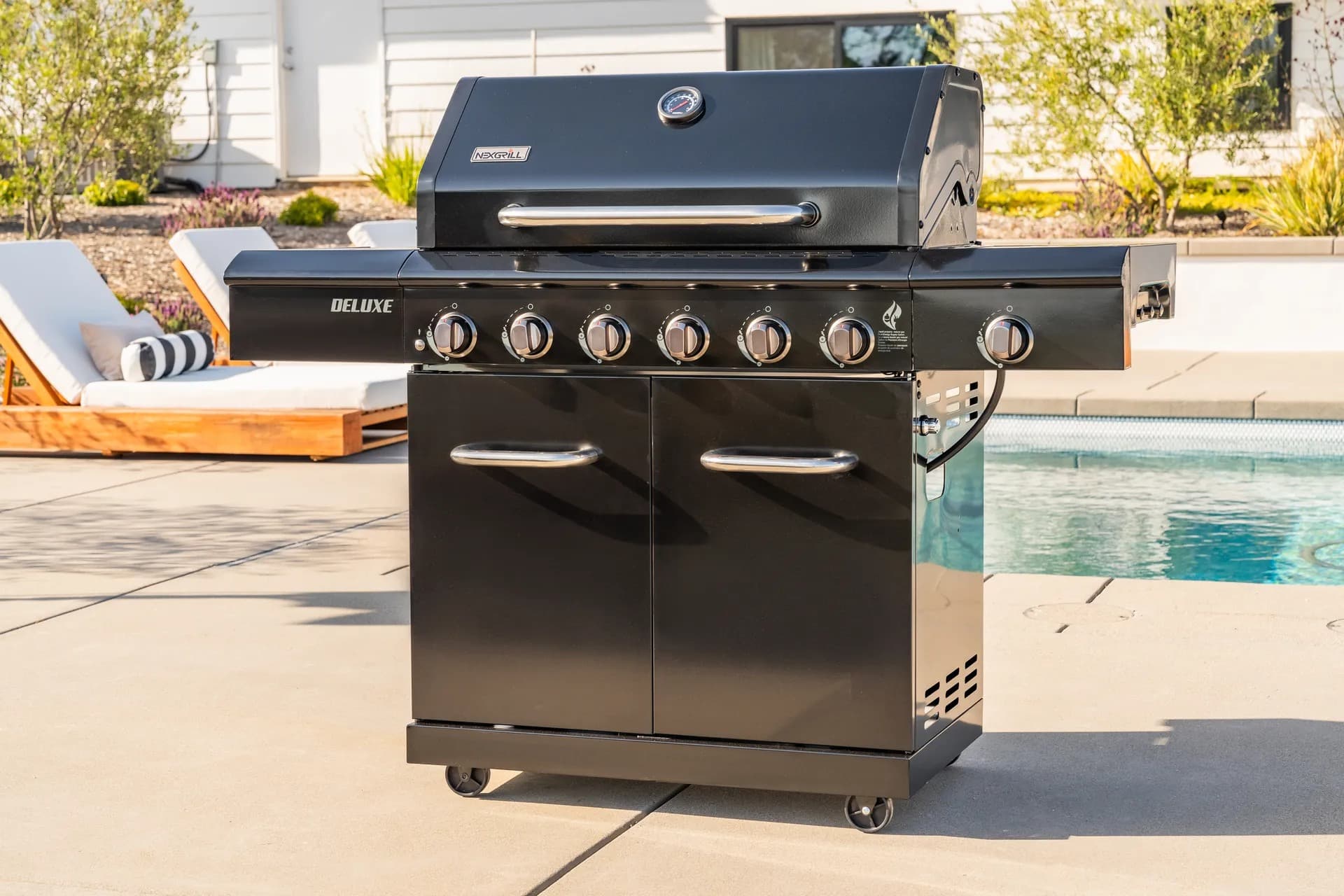
To set up your grill for indirect cooking, you need to create separate heating zones. For a charcoal grill, arrange the coals on one side of the grill, leaving the other side empty. For a gas grill, turn on the burners on one side while leaving the other side off. Place a drip pan beneath the food to catch any drippings and prevent flare-ups.
| Grill Type | Setup Method | Tips |
|---|---|---|
| Charcoal | Coals on one side | Use a chimney starter for more even heating |
| Gas | Burners on one side | Preheat grill for 10-15 minutes |
Choosing the Right Foods for Indirect Grilling
Indirect grilling is perfect for foods that benefit from slower cooking times. Whole chickens, turkeys, large roasts, and ribs are excellent choices. Vegetables can also be grilled indirectly, capturing the smoke flavor without charring.
Tip: Use wood chips or chunks to infuse your food with a smoky flavor during indirect grilling.
For those new to indirect grilling, it is advisable to start with a simple dish like a whole chicken, which can be seasoned and cooked with minimal supervision.
Grill Maintenance for Indirect Heat
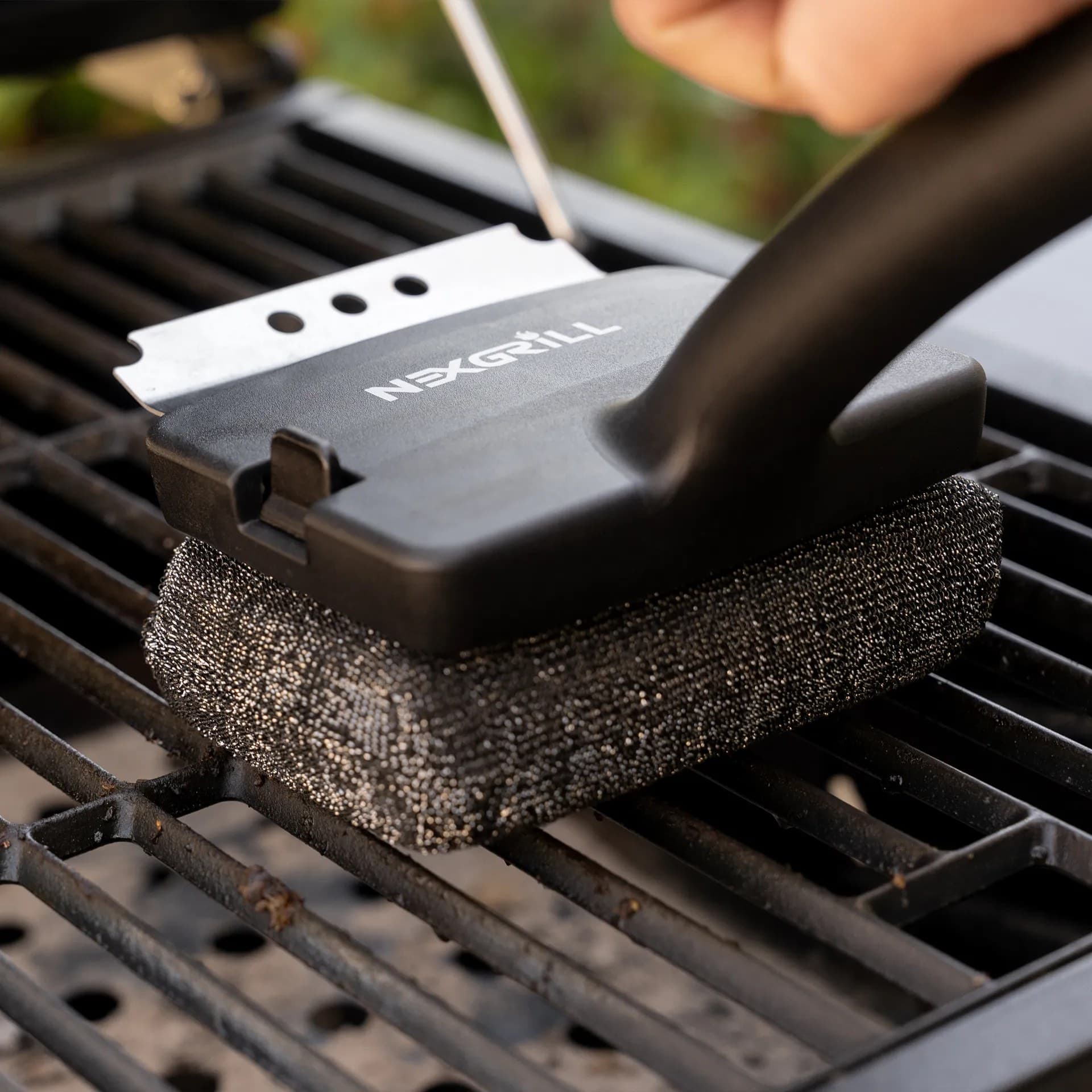
Proper maintenance of your grill ensures optimal performance during indirect grilling. Clean the grates thoroughly after each use to prevent buildup, which can cause uneven heating. Regularly check gas connections or replace charcoal grates as needed.
Info: Keeping your grill clean not only extends its life but also enhances the flavor of your food by avoiding unwanted residues.
Consider investing in a grill cover to protect your equipment from the elements, especially if you grill frequently.
Try comparing two products side by side below to see which fits best:
Advanced Techniques for Indirect Heat Grilling
Once you've mastered the basics, there are several advanced techniques you can apply to take your indirect grilling to the next level. Consider using a water pan to maintain moisture, especially for meats that require longer cooking times. This technique helps to regulate the temperature and keeps the food juicy.
Experiment with reverse searing, where you first cook the meat indirectly until nearly done, then finish it with a quick sear over high heat. This method produces a perfect crust while ensuring the interior is cooked to the desired level.
Indirect grilling also allows for the use of aromatic herbs and spices placed directly on the coals or burners, infusing the food with additional flavors.
Temperature Control and Monitoring
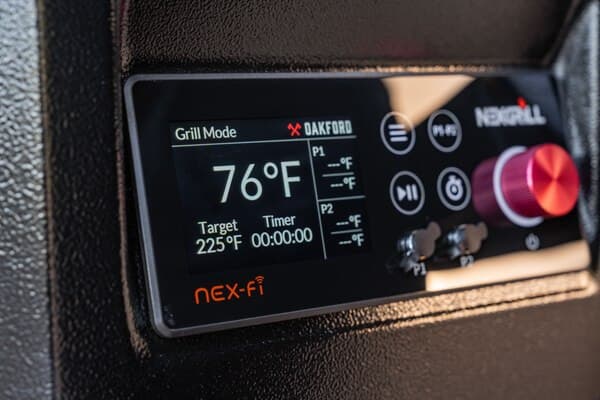
Maintaining a consistent temperature is crucial for successful indirect grilling. Use a grill thermometer to monitor the internal temperature of the grill, ensuring it stays within the 250-350°F range, which is optimal for most indirect cooking tasks.
Invest in a meat thermometer to check the doneness of your food without opening the grill lid frequently, which can cause heat loss.
Warning: Avoid lifting the grill lid too often. Each time you do, you lose heat and extend cooking times.
Enhancing Flavor with Indirect Grilling
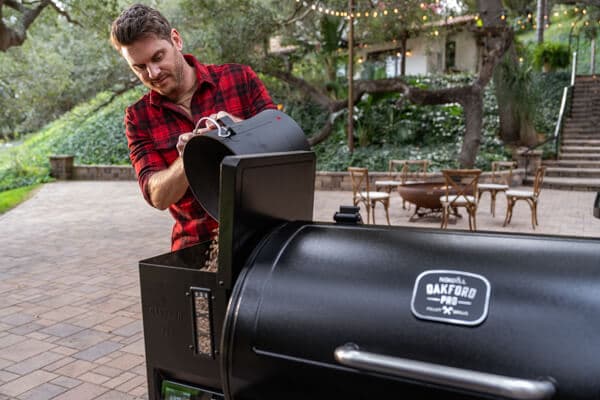
Indirect grilling is perfect for imparting rich flavors using wood chips or chunks. Soak them in water beforehand and place them directly on the coals or in a smoker box for gas grills. This method produces smoke that envelops the food, adding depth to the flavor profile.
Marinades and rubs are also excellent ways to enhance the taste. Apply them several hours before cooking to allow the flavors to penetrate the meat thoroughly.
Which Grill is Right for You?
Choosing the right grill for indirect heat grilling depends on your specific needs and preferences. Charcoal grills offer authentic flavor and versatility, while gas grills provide convenience and precise temperature control.
| Grill Type | Advantages | Disadvantages |
|---|---|---|
| Charcoal | Rich flavor, high heat | Requires more maintenance |
| Gas | Easy to control, quick start | Less smoky flavor |