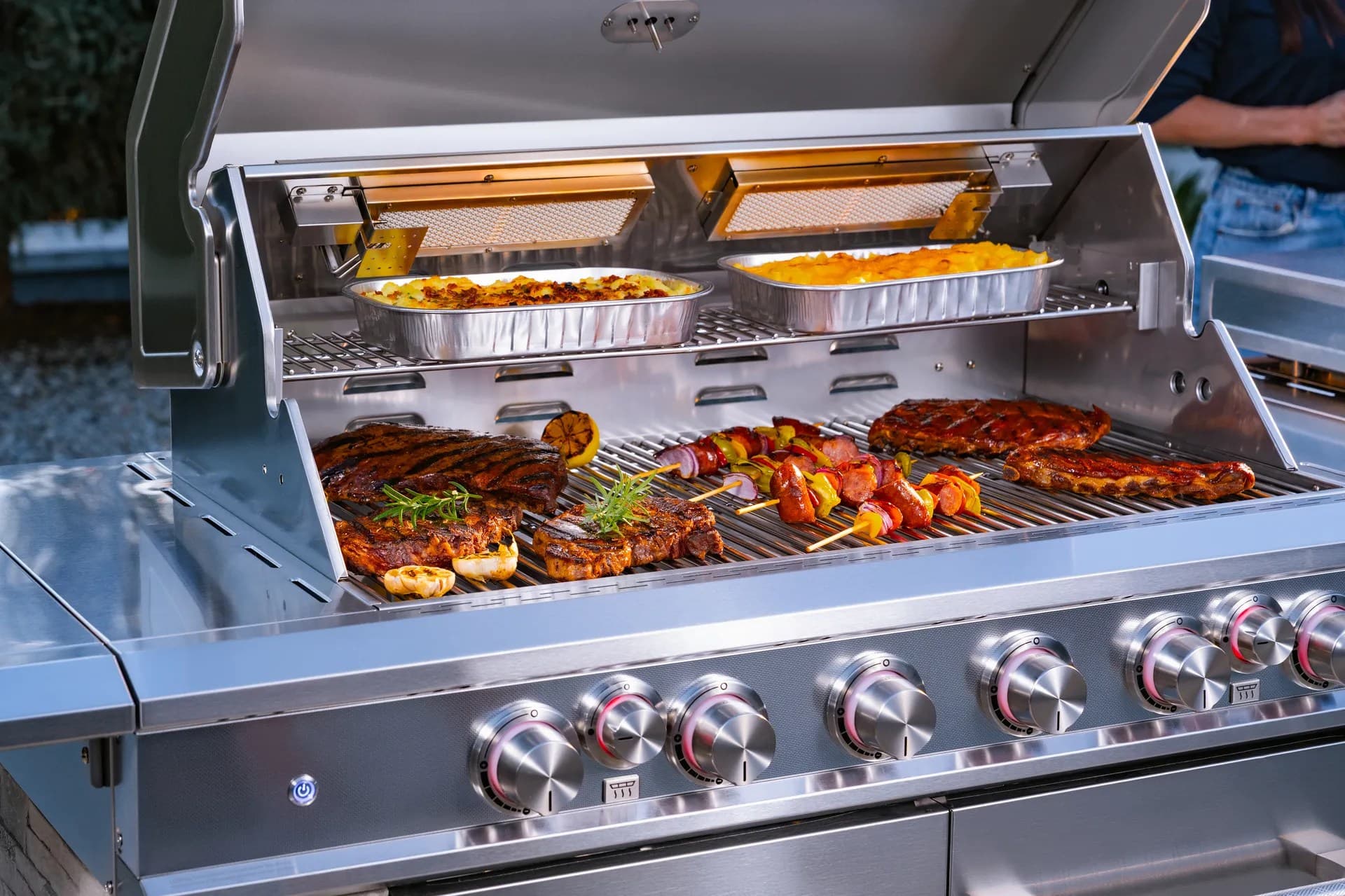
Ensure precise grilling with accurate thermometer calibration.
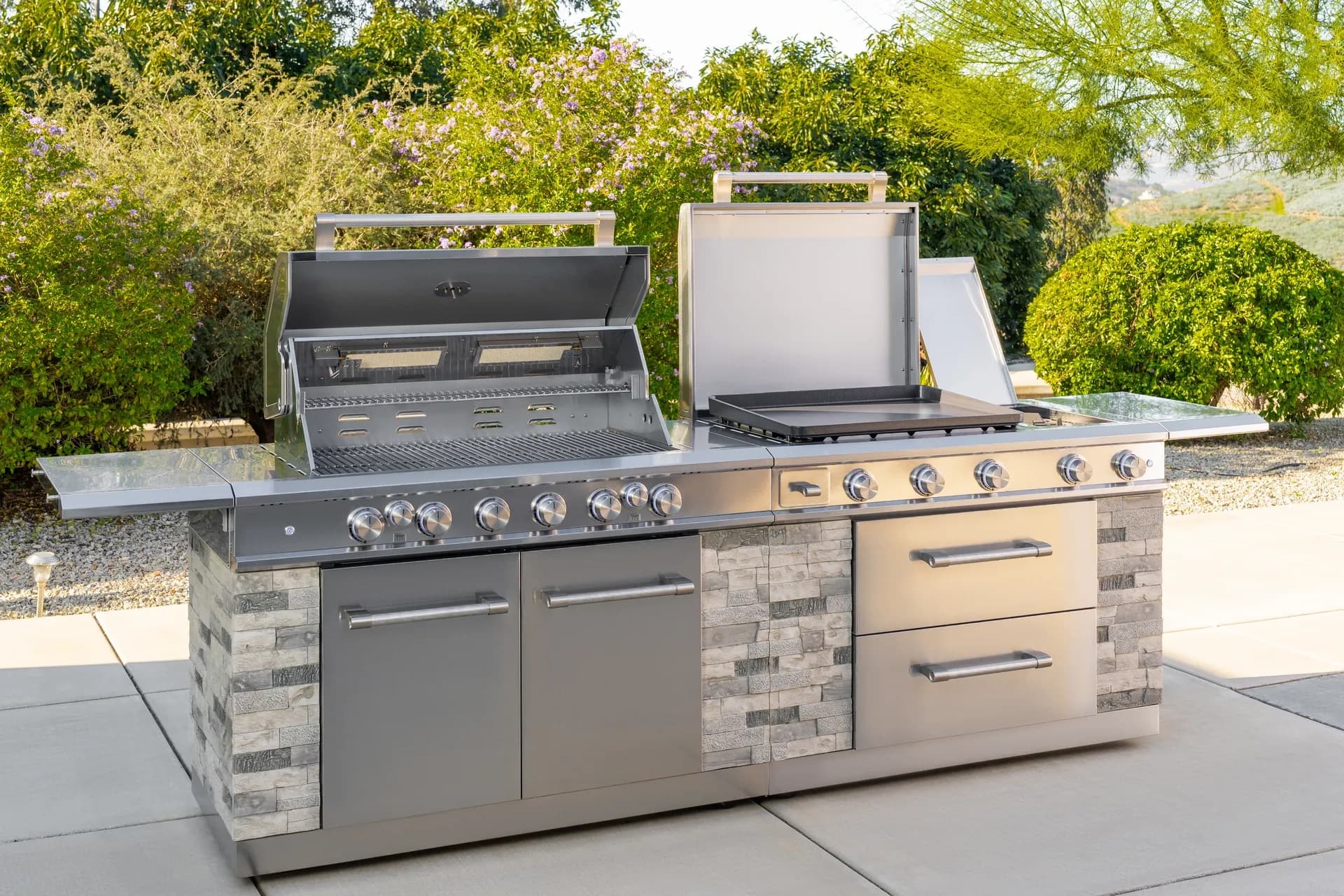
From sizzling breakfasts to smash burgers and teppanyaki-style dinners, the Daytona Pro 5 Burner NitroGuard™ Griddle delivers powerful heat, fast cooking, and a durable cooking surface built for every backyard cookout. Watch how easy outdoor cooking can be.
Here's what sets us apart from the competition
We position ourselves as delivering high-end outdoor cooking features and performance without premium-brand pricing, emphasizing “Quality Grills. Unbelievable Value.”
We offer gas grills, pellet grills, griddles, smokers, pizza ovens, portable/tabletop grills, electric grills, accessories, and replacement parts — allowing customers to stay within one ecosystem for all outdoor cooking needs.
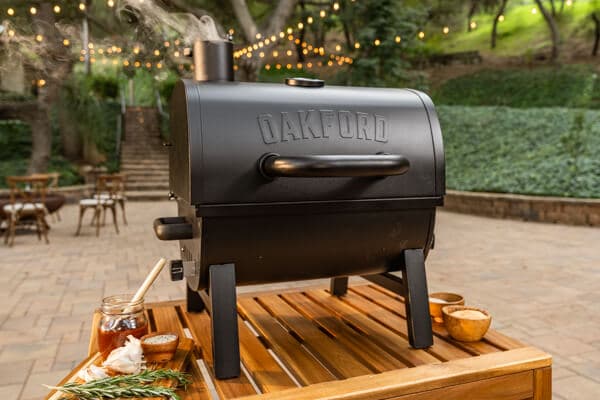
We differentiate ourselves through smart grilling products like the Oakford smart pellet grill, including app-connected cooking controls and modern outdoor cooking technology.
Expert tips, buying guides, comparisons, and inspiration for choosing and getting the most out of your grill.
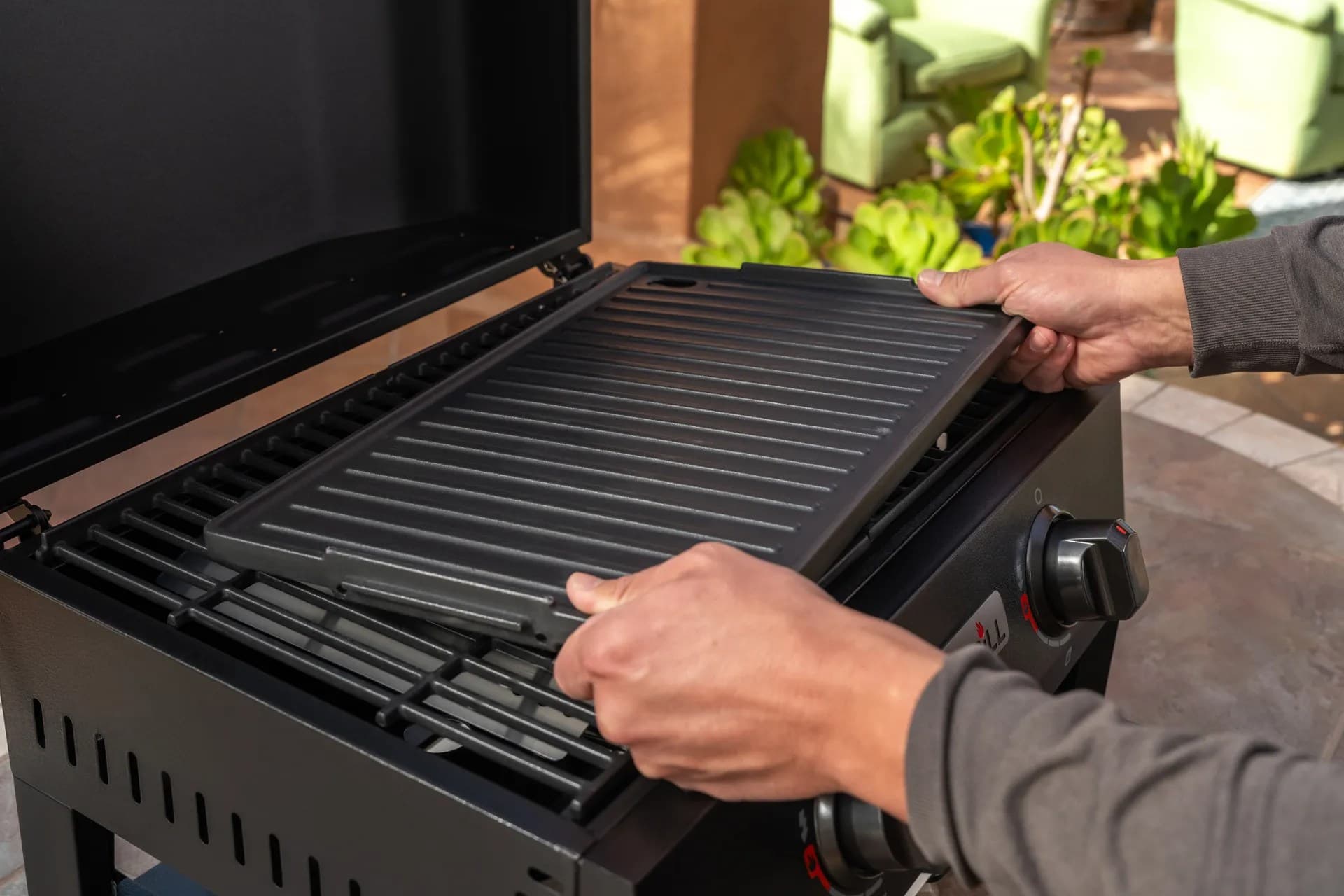
Practical guides for cleaning, maintenance, common grill issues, and performance optimization.
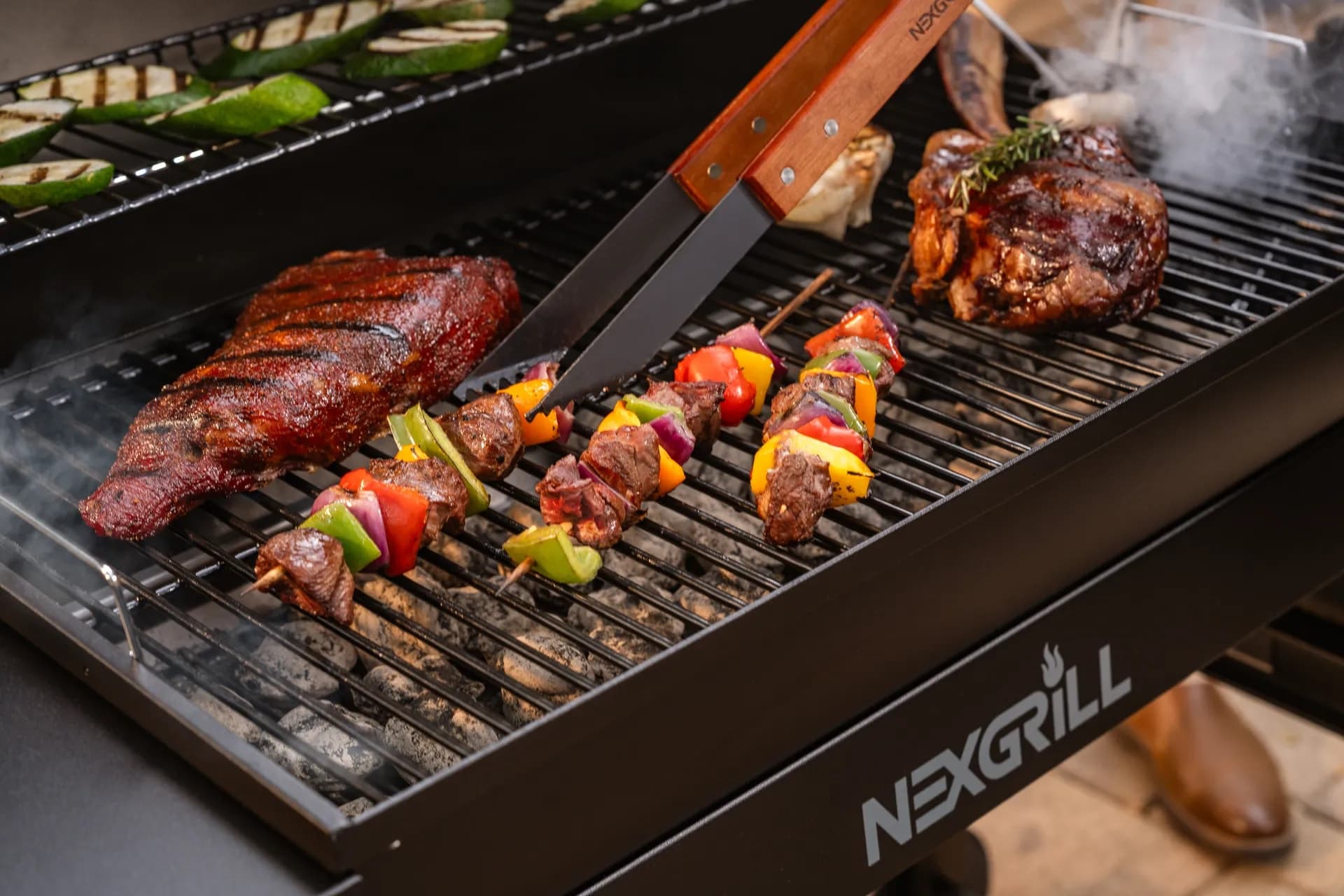
Step-by-step grilling recipes, cooking techniques, and meal ideas for every occasion and skill level.
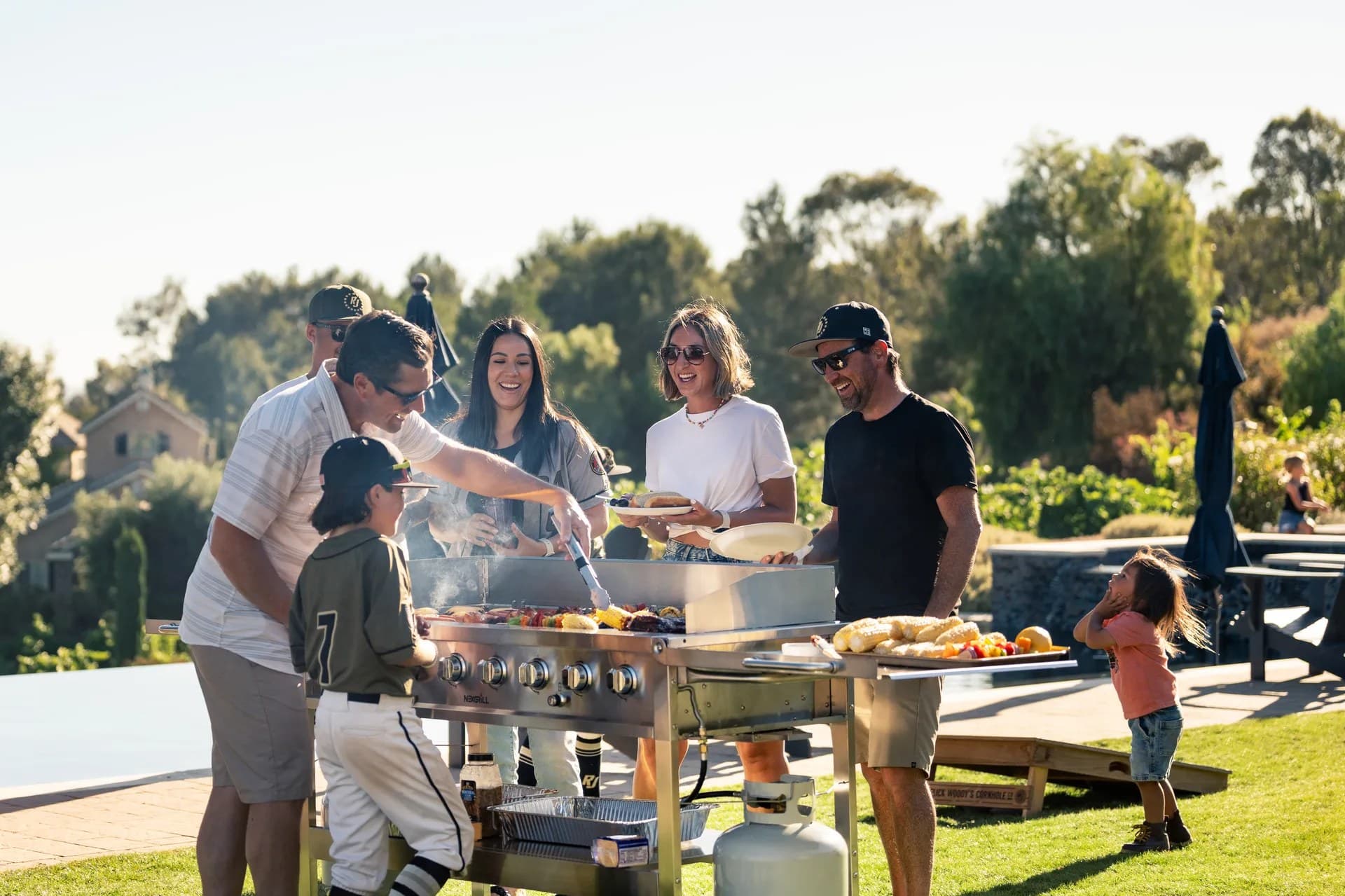
Backyard entertaining ideas, seasonal grilling inspiration, and stories that celebrate outdoor cooking culture.
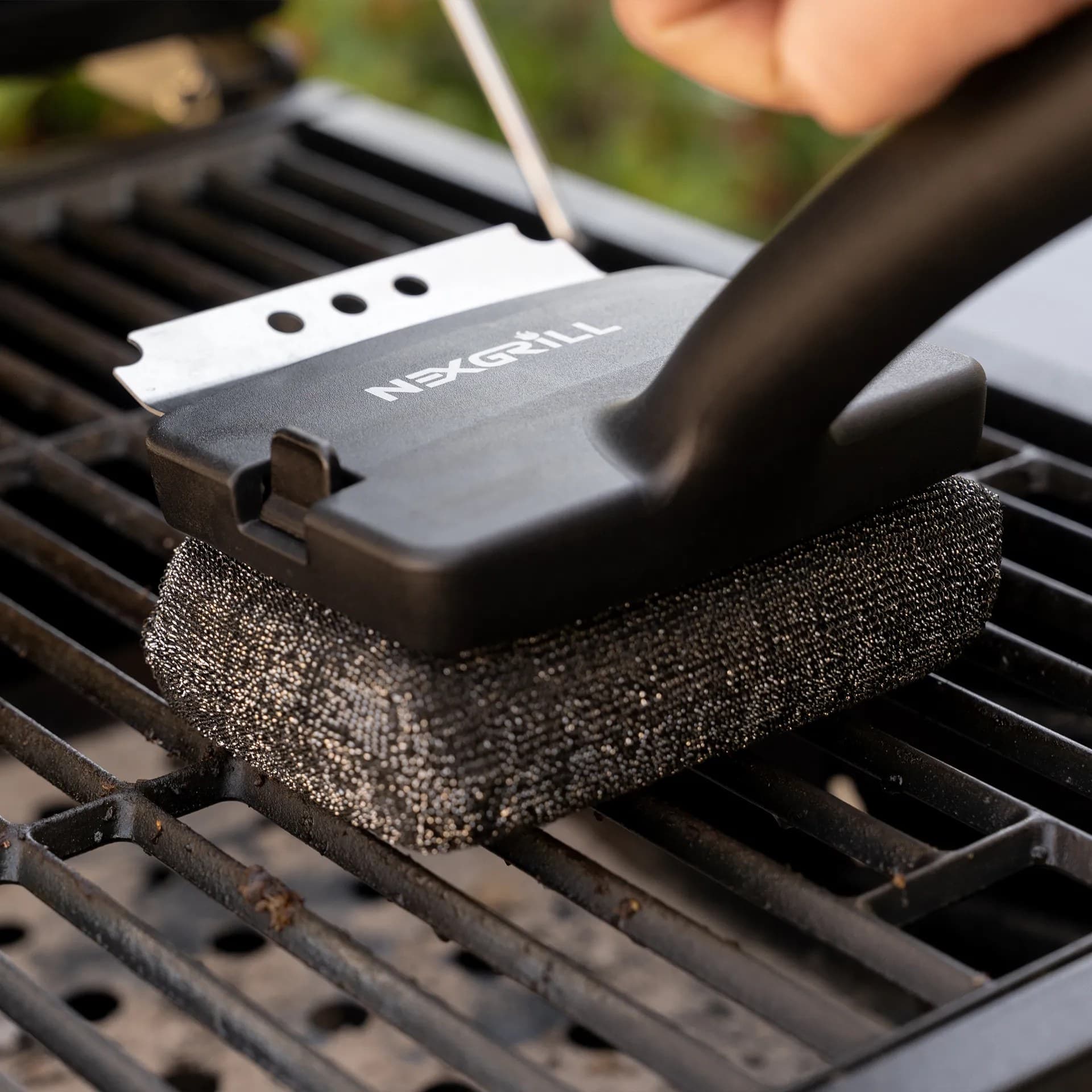
Helpful articles covering grilling tools, cookware, maintenance gear, and must-have accessories for outdoor cooking.
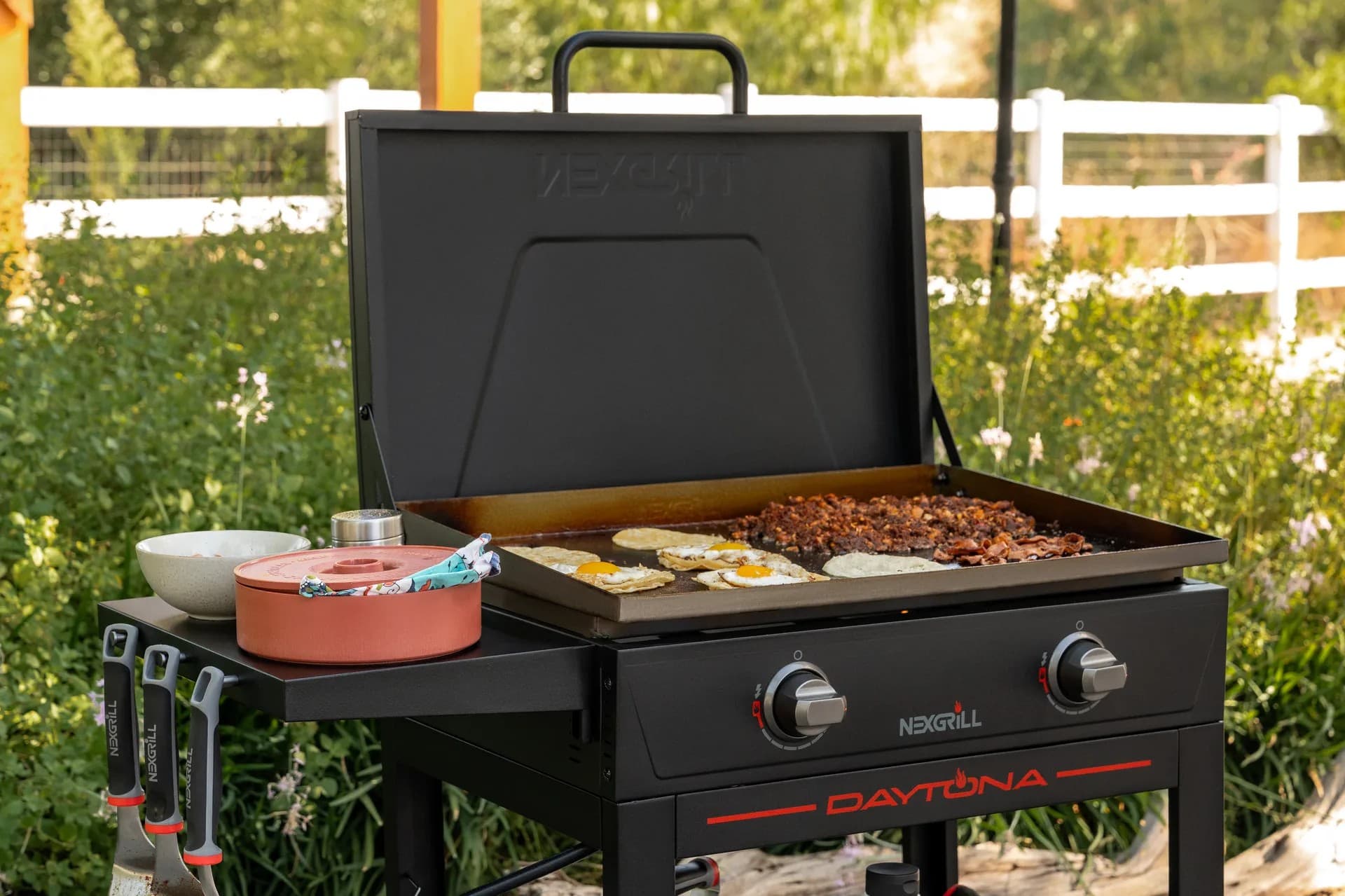
Find griddle recipes, cooking techniques, cleaning tips, and outdoor meal ideas designed for Nexgrill griddles.
Find answers to common questions
Gas grills provide instant heat and precise temperature control, making them easier to use. Charcoal grills offer a smoky flavor and high heat for searing but require more time to heat up and manage.
Pellet grills combine the convenience of gas with the flavor of wood, allowing for smoking, baking, and grilling. Traditional gas grills, however, are quicker to start and often easier to clean.
Charcoal grills typically reach higher temperatures quicker than gas grills, making them better for searing meat. However, high-quality gas grills can also provide adequate heat for effective searing.
Nexgrill offers models designed specifically for gas, charcoal, and pellets, allowing users to choose based on their cooking style and flavor preferences. Each type is built to optimize the characteristics of its respective fuel.
Choosing between gas and charcoal grills depends on your cooking preferences and lifestyle. If you value convenience and quick cooking, a gas grill may suit you better; if you prefer the taste and experience of traditional grilling, a charcoal grill would be ideal.
In This Article
Ensure Food Safety
Improve Cooking Quality
Boost Grilling Efficiency
A grill thermometer is an essential tool for any outdoor cooking enthusiast. However, its accuracy can diminish over time due to wear and environmental conditions. Calibration ensures your thermometer remains reliable, providing precise temperature readings essential for perfect grilling. Calibration involves adjusting the thermometer to a known standard, ensuring that it displays the correct temperature. Without calibration, you risk cooking meats improperly, which can affect both taste and safety.
Accurate temperature readings are critical for food safety and quality. Undercooked meats can harbor harmful bacteria, while overcooked dishes can lose flavor and moisture. A calibrated thermometer helps maintain the delicate balance between these extremes. For serious grillers, even minor inaccuracies can lead to inconsistent cooking results, affecting the overall dining experience. Food safety is paramount in such cases.
Tip: Regular calibration of your grill thermometer can save you from potential cooking disasters, ensuring each meal is cooked to perfection.
There are several methods to calibrate your grill thermometer, including the ice water method and the boiling water method. The ice water method involves placing the thermometer in a glass of ice water and adjusting it to read 32°F (0°C). The boiling water method requires boiling a pot of water and adjusting the thermometer to read 212°F (100°C), adjusting for altitude as necessary. Both methods ensure that your thermometer provides accurate readings under typical grilling conditions.
Calibration affects not only safety and taste but also the efficiency of your grilling process. An accurate thermometer allows for precise timing, reducing the need for guesswork and ensuring consistent results. This efficiency can lead to fuel savings, as you avoid unnecessary cooking time.
of grillers experience improved cooking results with regular thermometer calibration.
Moreover, a correctly calibrated thermometer contributes to better cooking outcomes, allowing you to achieve the desired doneness for various meats. Whether you prefer rare steak or well-done chicken, accurate temperature readings are vital to achieving your preferred results.
| Meat | Recommended Internal Temp | Safety Range |
|---|---|---|
| Beef (Medium Rare) | 135°F | 130-140°F |
| Chicken | 165°F | 160-170°F |
| Pork | 145°F | 140-150°F |
These temperature guidelines highlight the importance of accurate thermometer readings in maintaining food safety and achieving culinary excellence. Calibration is a simple yet effective way to ensure your grill thermometer remains a reliable tool in your cooking arsenal.
Calibrating your grill thermometer is a straightforward process, but it requires precision and attention to detail. Here’s a step-by-step guide to help you maintain optimal accuracy.
Before starting, ensure your thermometer is clean and free from residues that might affect its readings. Gather the necessary tools, such as a small wrench for adjustments and a glass of ice water or a pot of boiling water, depending on your chosen method.
Info: A clean thermometer ensures more accurate calibration by eliminating interference from food particles.
This method is ideal for quick checks and provides a reliable baseline for further calibration.
This method is useful for checking higher temperature accuracy, crucial for grilling meats that require precise cooking.
Regular maintenance and calibration ensure your thermometer remains a reliable tool. Store it properly to protect it from damage, and recalibrate periodically, especially after exposure to extreme temperatures or impacts. By maintaining your grill thermometer, you guarantee that it continues to provide accurate readings, enhancing your grilling experience by ensuring perfectly cooked meals every time. Maintaining your grill leads to better results.
If you notice persistent inaccuracies despite regular calibration, it might be time to replace your thermometer. Check for signs of wear or damage that could affect its performance. Investing in a quality thermometer ensures longevity and consistent accuracy in your grilling endeavors.
Warning: Avoid using a damaged thermometer, as it can lead to incorrect temperature readings and affect food safety.
By following these calibration and maintenance tips, you can optimize your grilling setup, ensuring every meal is cooked to perfection.
Here's what sets us apart
We position ourselves as delivering high-end outdoor cooking features and performance without premium-brand pricing, emphasizing “Quality Grills. Unbelievable Value.”
We offer gas grills, pellet grills, griddles, smokers, pizza ovens, portable/tabletop grills, electric grills, accessories, and replacement parts — allowing customers to stay within one ecosystem for all outdoor cooking needs.
We differentiate ourselves through smart grilling products like the Oakford smart pellet grill, including app-connected cooking controls and modern outdoor cooking technology.
Don't just take our word for it
Keep reading
From our catalog