How to Use a Reverse Flow Smoker: A Comprehensive Guide
Unlock the secrets to perfect smoking with expert tips and techniques.
In This Article
Understanding Reverse Flow Smokers
Temperature Control Tips
Common Cooking Techniques
Introduction to Reverse Flow Smokers
A reverse flow smoker is built for one main job: helping you cook low and slow with steadier heat across the grate. Instead of sending hot air and smoke straight from the firebox to the cooking chamber and out the stack, the design pushes that flow under a baffle plate, then back across the food before it exits. That extra travel path is what makes the cooker feel different in practice. You are not just making smoke; you are managing how heat travels so the meat on the far side of the chamber does not lag far behind the meat closest to the firebox.
That consistency is why many pitmasters prefer a reverse flow setup for brisket, pork shoulder, ribs, and other larger cuts that reward even rendering and stable pit temperature. Traditional offset smokers can absolutely produce excellent barbecue, but they often create a more obvious hot side and cool side. With a reverse flow design, the baffle plate helps smooth out those swings. The result is usually less guesswork during long cooks, especially when you are learning how your smoker behaves in wind, cold weather, or after a fresh fire buildup.
That is the core advantage most cooks notice first.
If you are coming from a kettle grill, pellet grill, or standard offset, the biggest adjustment is mental: reverse flow cooking rewards patience and deliberate fire management. You are not chasing the hottest spot in the chamber as much as you are building a stable environment where smoke can roll gently around the food. That does not mean the smoker is hard to use, but it does mean you will get better results when you think in terms of airflow, fuel load, and temperature recovery rather than brute heat.
Tip: A reverse flow smoker is easiest to learn when you treat the first few cooks as calibration sessions. Use inexpensive cuts, track grate temperatures, and note how your fire reacts to small changes.
How Reverse Flow Smokers Work
The airflow path is what defines the design. Fire burns in the firebox, heat and smoke move into the cooking chamber, travel beneath the baffle plate, then reverse direction and pass back over the food before exiting through the stack. Because the exhaust is often positioned on the same end as the firebox, the heat does not rush straight out. It is forced to make a longer, more deliberate journey. That path helps equalize temperature from one end of the pit to the other and can reduce the need to constantly rotate meat during a cook.
In a traditional offset smoker, the hottest area is commonly near the firebox entrance, and the cooler area is typically farther from the fire. In a reverse flow smoker, the baffle plate acts like a heat highway. The underside of the plate absorbs and spreads some of the fire’s energy, while the returning smoke above the plate gives the chamber a more uniform cooking environment. This does not eliminate all temperature variation, but it often makes the pit much friendlier for long cooks where a few degrees matter.
That said, reverse flow is not magic. You still need a clean-burning fire. Heavy white smoke, dirty combustion, and overloaded charcoal or wood can make any smoker taste harsh. The goal is a thin, bluish smoke and stable heat. Once you understand that, the reverse flow design becomes easier to appreciate because the cooker is working with you to hold steady conditions rather than amplifying uneven fire behavior.
| Smoker Type | Heat Pattern | Best Use |
|---|---|---|
| Reverse flow offset | More even left-to-right heat after the baffle plate | Long brisket, pork shoulder, ribs |
| Traditional offset | More pronounced hot spot near the firebox | Cooks where rotation is acceptable |
| Pellet smoker | Very controlled and automated heat | Convenience-focused low-and-slow cooking |
Key Components Explained
To use a reverse flow smoker well, you need to understand the parts that shape its behavior. The firebox is the engine room. It is where your wood splits, charcoal, or a hybrid fuel bed creates the heat. A strong firebox holds heat efficiently and gives you enough room to build a controlled fire without choking it. If the firebox is too crowded, it becomes harder to keep the fire clean and responsive.
The baffle plate is the signature component. It sits inside the chamber and redirects the heat and smoke so they travel under it before rising back over the food. Some designs use a solid plate, while others incorporate a sloped surface or tuned openings. The point is the same: spread heat, extend the smoke path, and reduce hot spots. If you have ever fought one side of a smoker cooking much faster than the other, the baffle plate is the part doing the heavy lifting to prevent that.
The smoke stack matters more than many first-time users realize. Its placement affects draw, which affects how quickly fresh air enters the firebox and how efficiently smoke exits the chamber. In many reverse flow smokers, the stack is positioned low on the cooking chamber end away from the firebox so the smoke has to travel the full length of the pit before leaving. That design encourages better circulation across the food rather than letting smoke escape too quickly.
Warning: If you block the baffle plate path with oversized pans or cramped racks, you can weaken airflow and create temperature pockets that defeat the smoker’s design.
Setting Up Your Reverse Flow Smoker
Start with placement. Set the smoker on a level, noncombustible surface with enough space around the firebox for safe tending. A level cooker matters because grease and condensation need to move where the manufacturer intended. If the smoker leans, you may see uneven runoff or awkward airflow patterns that complicate your cook. Next, check that the grates, baffle plate, firebox door, and stack openings are clean and seated properly before you light anything.
Build a small, controlled fire first. The reverse flow design works best when the fire is stable rather than roaring. Begin with a modest coal base, then add preheated wood splits or additional fuel gradually. You want enough energy to hold a target cooking temperature, often in the 225°F to 275°F range for classic low-and-slow barbecue, without overshooting and then trying to recover. Preheating wood outside the firebox can help it ignite cleaner and reduce billowing smoke at the start of the cook.
Before food goes on, let the smoker settle. Give it time to reach a steady state, then check grate temperatures in more than one location if you can. Even a well-designed reverse flow pit can show small variations from side to side, especially during warm-up. This is where a reliable probe thermometer becomes invaluable. A lid thermometer tells you one number at one point; grate probes tell you what the meat actually feels.
Tip: Season a new smoker with a light oil wipe and a full burn-in before the first food cook. That helps protect the steel and gives you a cleaner starting point for flavor.
Try comparing two products side by side below to see which fits best:
When it comes to grilling, the flavor produced is crucial. One effective method to enhance flavor is by using a charcoal grill with adjustable vents. This allows for better control of airflow during cooking, which can significantly influence taste.
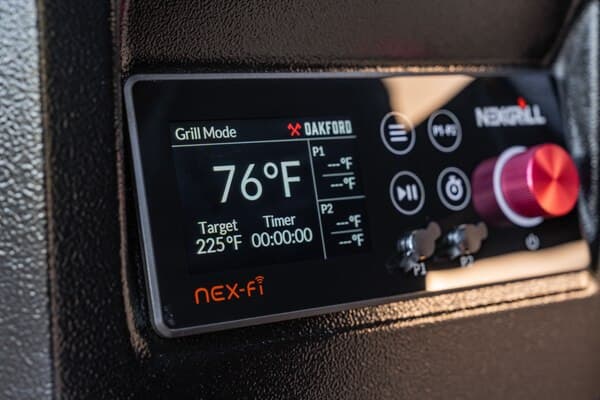
If you're considering purchasing one, you might want to explore Nexgrill's Charcoal Grills with Adjustable Vents as they offer various features tailored to enhancing your outdoor cooking experience.