Charcoal Grilling for Beginners: Ignite Your Passion
Master the art of charcoal grilling with Nexgrill's expert tips and insights.
In This Article
Choose the Right Grill
Master Lighting Techniques
Explore Grilling Methods
Understanding Charcoal Grills: A Beginner's Guide
Charcoal grilling is a time-honored tradition that brings out the natural flavors of your food, offering a smoky taste that gas or electric grills simply can't replicate. For beginners, choosing the right charcoal grill and understanding how to use it can seem daunting. However, with the right knowledge and a bit of practice, anyone can become a charcoal grilling pro. This guide will walk you through the essentials, helping you select the right equipment and master the basics of charcoal grilling.
Choosing Your Charcoal Grill
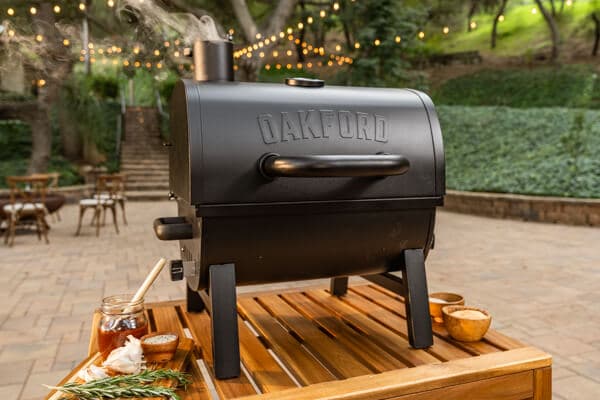
When selecting a charcoal grill, consider size, material, and features. Portable models are great for camping or small spaces, while larger grills offer more cooking surface for big gatherings. Look for durable construction materials like stainless steel or cast iron for longevity and heat retention. Adjustable vents and ash catchers are handy features that improve temperature control and cleanup.
| Feature | Benefit |
|---|---|
| Adjustable Vents | Control airflow for precise temperature management. |
| Ash Catcher | Simplifies cleanup and disposal of ash. |
| Cooking Grates | Choose between cast iron for better heat retention or stainless steel for easy maintenance. |
Types of Charcoal
Lump charcoal and briquettes are the most common types of charcoal. Lump charcoal ignites faster and burns hotter, ideal for searing meats. Briquettes provide a steadier burn and are often preferred for longer cooking times due to their consistency. Understanding the differences can help you choose the right type for your cooking style.
Tip: Store your charcoal in a dry place to ensure it lights easily and burns efficiently.
Lighting the Charcoal: Techniques for Success
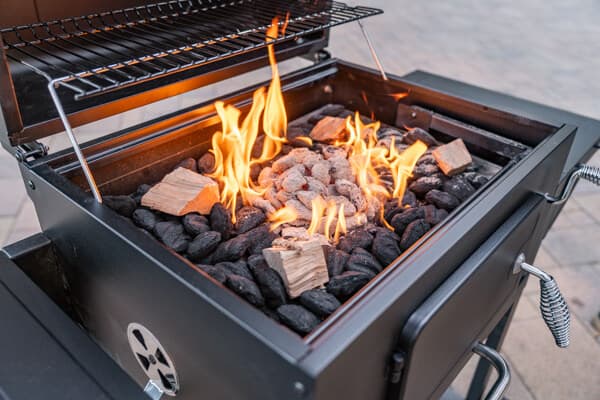
Once you've selected your grill and charcoal type, the next step is mastering the art of lighting the charcoal. A chimney starter is a reliable tool that uses newspaper or fire starters to ignite the charcoal evenly. Avoid lighter fluid, as it can impart unwanted flavors to your food. Allow the charcoal to ash over before spreading it out for cooking. This process typically takes 15-20 minutes.
For direct grilling, spread the coals evenly under the cooking area. For indirect grilling, push the coals to one side to create a cooler zone, perfect for larger cuts of meat that require longer cooking times.
Info: Use a grill thermometer to ensure your grill reaches the desired temperature for cooking.
Safety First: Handling Hot Charcoal
Safety is paramount when grilling with charcoal. Always use heat-resistant gloves when handling hot coals and grill tools. Keep a fire extinguisher nearby and never leave the grill unattended. After grilling, allow the coals to cool completely before disposing of them in a metal container.
Try comparing two products side by side below to see which fits best:
Cooking Techniques: Elevate Your Charcoal Grilling
Charcoal grilling offers a variety of cooking techniques that can enhance the flavor and texture of your food. Understanding these methods allows you to make the most of your grilling experience.
Direct vs. Indirect Grilling
Direct grilling involves cooking food directly over the heat source, making it ideal for quick-cooking items like steaks, burgers, and vegetables. Indirect grilling, on the other hand, cooks food adjacent to the heat source. This method is perfect for larger cuts of meat, such as whole chickens or ribs, that benefit from slower cooking at lower temperatures.
| Method | Best For |
|---|---|
| Direct Grilling | Steaks, burgers, vegetables |
| Indirect Grilling | Whole chickens, ribs, roasts |
Smoking with Charcoal Grills
Smoking is a technique that infuses food with rich, smoky flavors. To smoke on a charcoal grill, add wood chips to the coals and cook the food slowly at low temperatures. Hickory, mesquite, and applewood are popular choices for different flavor profiles. Ensure your grill's vents are adjusted to maintain a consistent temperature, typically between 225°F and 250°F. For advanced methods of cooking, check out advanced grilling techniques.
Warning: Avoid opening the grill lid frequently during smoking, as it can cause temperature fluctuations and extend cooking time.
Maintaining Your Charcoal Grill
Proper maintenance of your charcoal grill ensures it performs optimally and lasts for years. Regularly clean the cooking grates with a grill brush after each use to prevent buildup. Empty the ash catcher and wipe down the exterior with a damp cloth. During the grilling season, inspect the grill for rust or damage and address any issues promptly.
Once you've weighed two options against each other, here's what else matters…