Mastering the Art of Seasoning Your Grill
A detailed guide to enhancing your grilling experience through proper seasoning techniques.
In This Article
Why Seasoning Matters
Steps to Season Your Grill
Maintaining Seasoned Grills
Understanding the Importance of Seasoning Your Grill
Seasoning a grill is a crucial step in maintaining its longevity and enhancing the flavor of your food. By creating a protective layer on the grill's surface, seasoning helps prevent rust and corrosion, ensuring that your grill stays in top condition for years. Moreover, a properly seasoned grill can significantly improve the taste of the food by preventing it from sticking to the grates, allowing for better searing and flavor retention.
When you season a grill, you apply a thin layer of oil, which fills in the pores of the metal and creates a smooth, non-stick surface. This process is similar to seasoning a cast iron skillet. The oil bonds with the metal when heated, forming a hard, protective coating. This not only makes cooking and cleaning easier but also enhances the overall grilling experience.
Tip: Seasoning your grill regularly can also add a smoky flavor to your food, enhancing the taste profile.
Step-by-Step Guide to Seasoning Your Grill
To season your grill effectively, follow these steps:
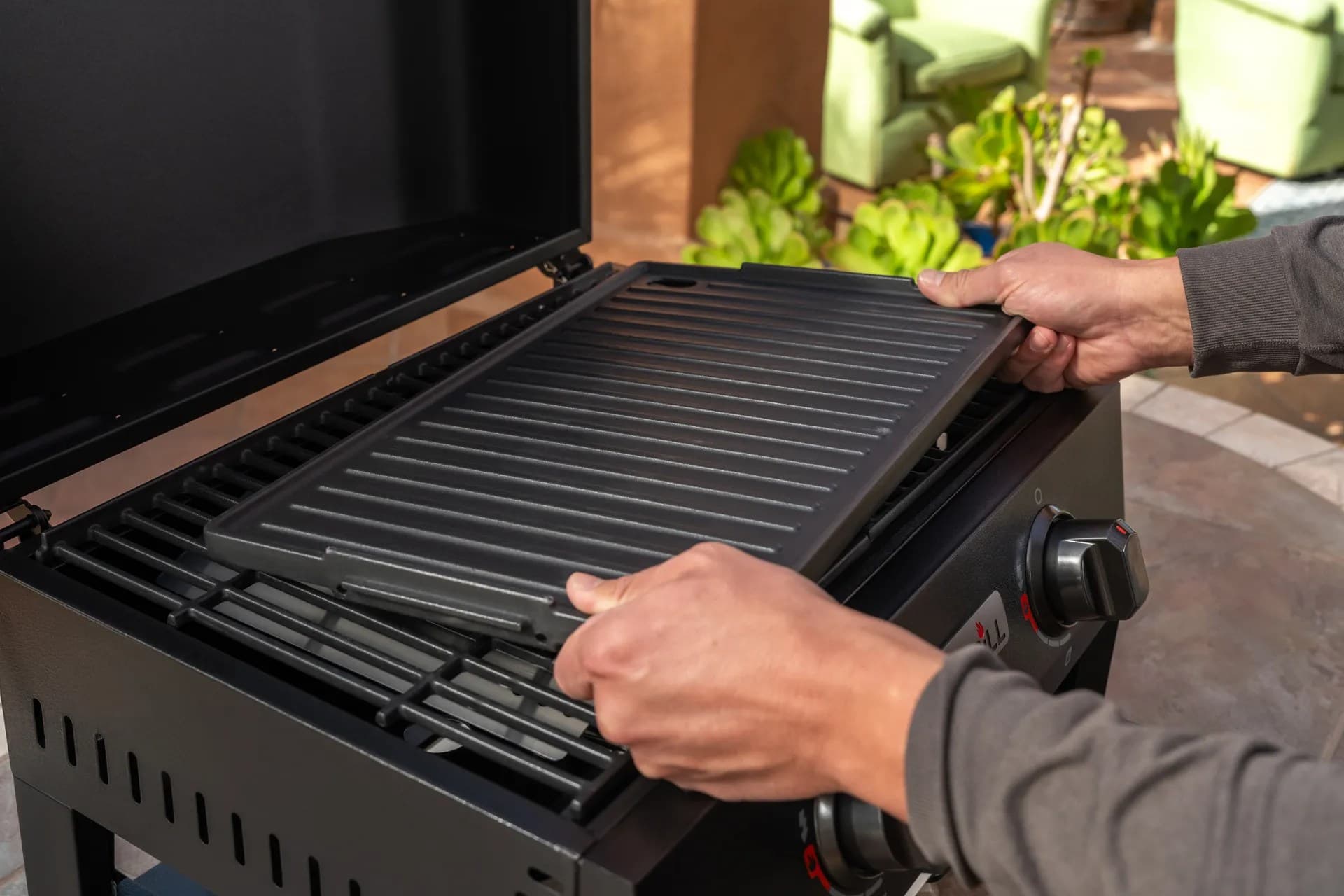
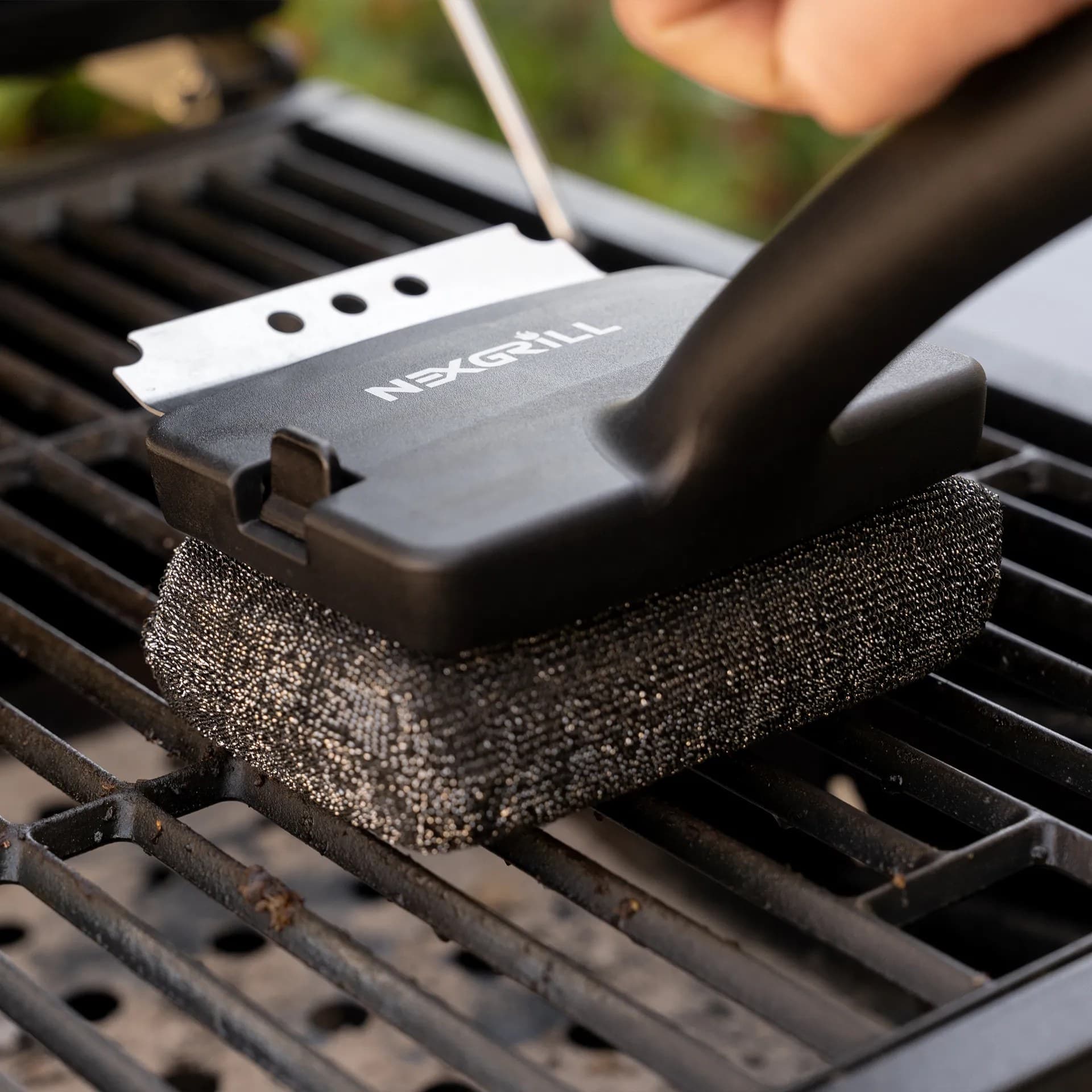
- Begin by cleaning the grill grates thoroughly with a grill brush to remove any debris or rust.
- Preheat your grill on high for about 15 minutes to burn off any remaining residue.
- Allow the grill to cool slightly, then apply a high smoke point oil, such as canola or vegetable oil, using a paper towel or brush.
- Heat the grill again for about 15 minutes to allow the oil to bond with the metal.
Repeat this process periodically, especially if you notice food starting to stick or if the grill has been unused for a while. This is part of a proper grill maintenance.
| Step | Action | Purpose |
|---|---|---|
| 1 | Clean Grates | Remove debris and rust |
| 2 | Preheat Grill | Burn off residue |
| 3 | Apply Oil | Create non-stick surface |
| 4 | Heat Again | Bond oil to metal |
Warning: Always ensure your grill is completely cool before applying oil to avoid burns.
Why High Smoke Point Oils are Essential
Using oils with a high smoke point is critical in the seasoning process. Oils like canola, vegetable, and grapeseed have smoke points that exceed the typical grilling temperatures, preventing them from burning and producing off-flavors or unpleasant odors. This characteristic allows the oil to polymerize effectively, creating a durable, non-stick layer.
Avoid using oils like olive or butter for seasoning, as their smoke points are lower and they may burn, leaving a residue that affects the taste of your food.
Maintaining Your Seasoned Grill
Once your grill is seasoned, maintaining it requires consistent care to uphold its non-stick properties and protective layer. After each cooking session, clean the grates with a grill brush while they are still warm. This helps in removing food particles and maintaining the integrity of the seasoned layer.
Regular inspection of the grill's components for rust or wear is also advisable. If any rust appears, scrub the affected area with a grill brush, then reapply oil and heat to restore the protective coating.
Tip: Cover your grill when not in use to protect it from weather elements and extend its lifespan.
Common Mistakes to Avoid
While seasoning is straightforward, there are common pitfalls you should avoid to ensure your grill remains in top condition:
- Using too much oil: This can cause sticky buildup rather than a smooth finish.
- Skipping preheating: Preheating helps burn off residues and prepares the metal to absorb oil effectively.
- Ignoring maintenance: Regular cleaning and re-seasoning are vital for long-term performance.
Avoid these mistakes to make the most out of your grilling adventures.
| Mistake | Consequence | Solution |
|---|---|---|
| Too Much Oil | Sticky Buildup | Use a thin layer |
| Skipping Preheat | Poor Bonding | Always preheat |
| Ignoring Maintenance | Rust Development | Regular cleaning |
Advanced Techniques for Experienced Grillers
For those who want to take their grilling to the next level, consider experimenting with different oils to add unique flavors to your food. Flavored oils like garlic-infused or herb-infused varieties can impart subtle tastes that enhance your grilling repertoire. However, ensure these oils still have high smoke points to avoid burning.
Additionally, incorporating wood chips during the seasoning process can add a smoky aroma that complements the natural flavors of grilled meats and vegetables.