Exploring the Safety Measures and Best Practices for Using Propane Grills
Here's what sets us apart from the competition
We position ourselves as delivering high-end outdoor cooking features and performance without premium-brand pricing, emphasizing “Quality Grills. Unbelievable Value.”
We offer gas grills, pellet grills, griddles, smokers, pizza ovens, portable/tabletop grills, electric grills, accessories, and replacement parts — allowing customers to stay within one ecosystem for all outdoor cooking needs.
We differentiate ourselves through smart grilling products like the Oakford smart pellet grill, including app-connected cooking controls and modern outdoor cooking technology.
Expert tips, buying guides, comparisons, and inspiration for choosing and getting the most out of your grill.
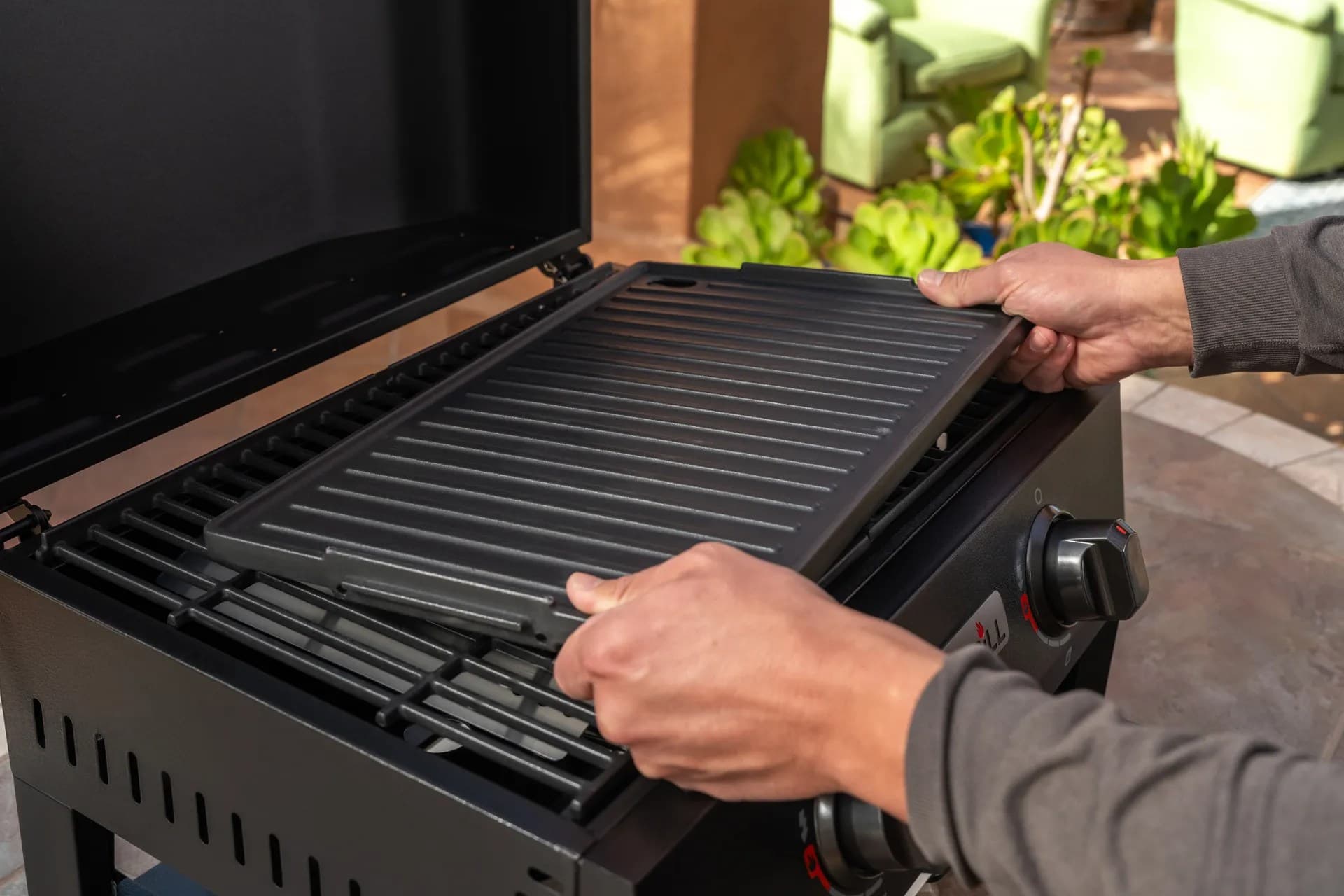
Practical guides for cleaning, maintenance, common grill issues, and performance optimization.
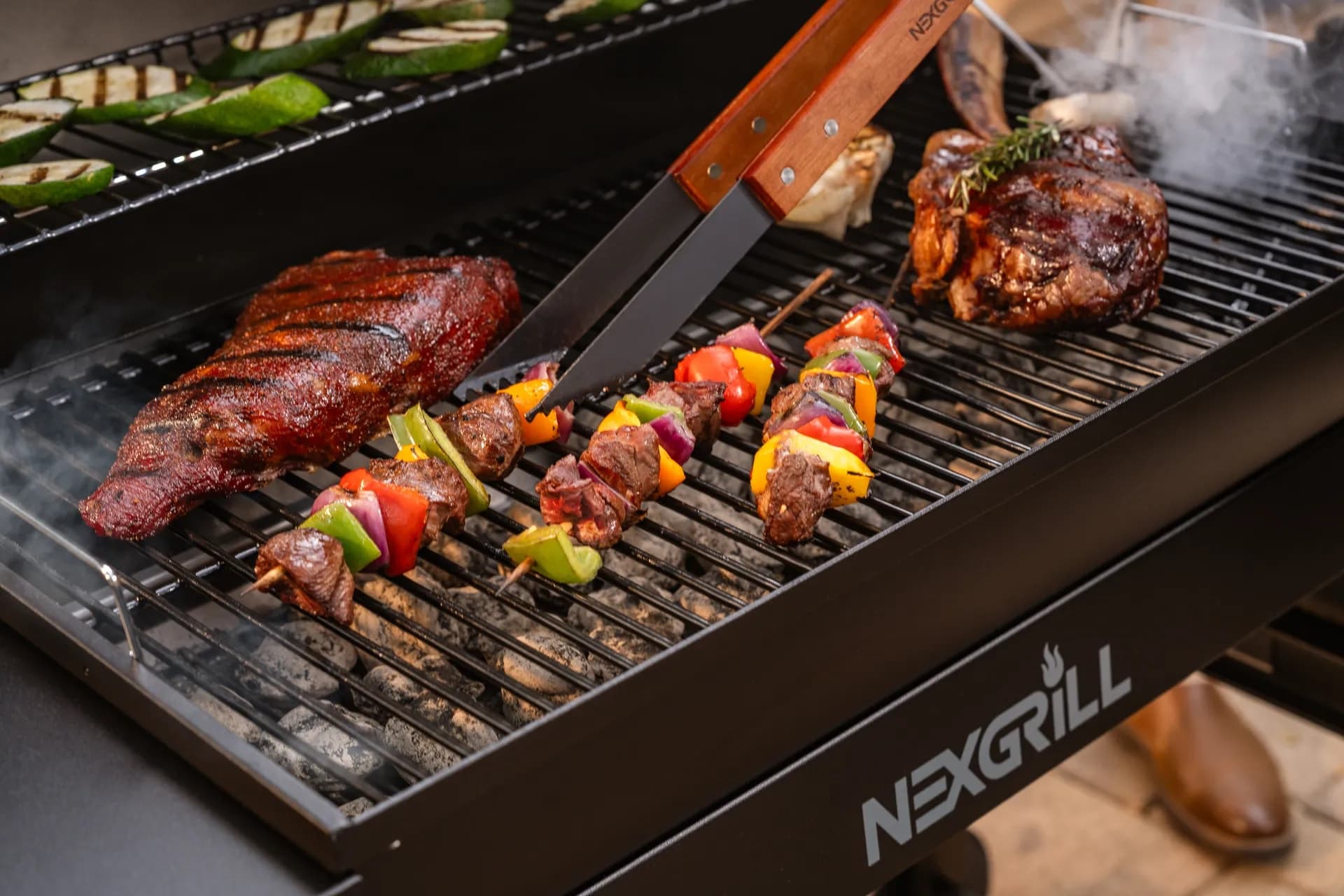
Step-by-step grilling recipes, cooking techniques, and meal ideas for every occasion and skill level.

Backyard entertaining ideas, seasonal grilling inspiration, and stories that celebrate outdoor cooking culture.
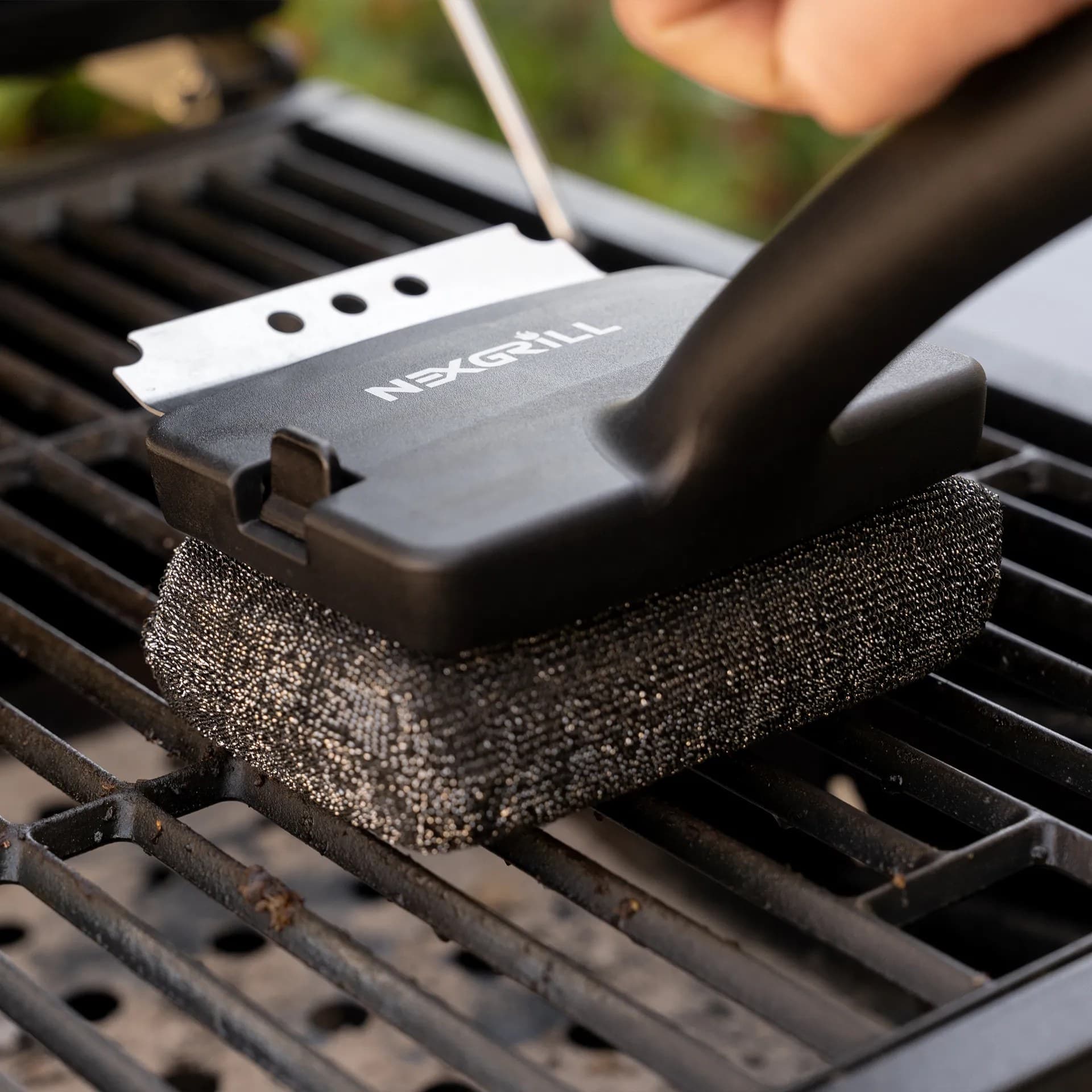
Helpful articles covering grilling tools, cookware, maintenance gear, and must-have accessories for outdoor cooking.
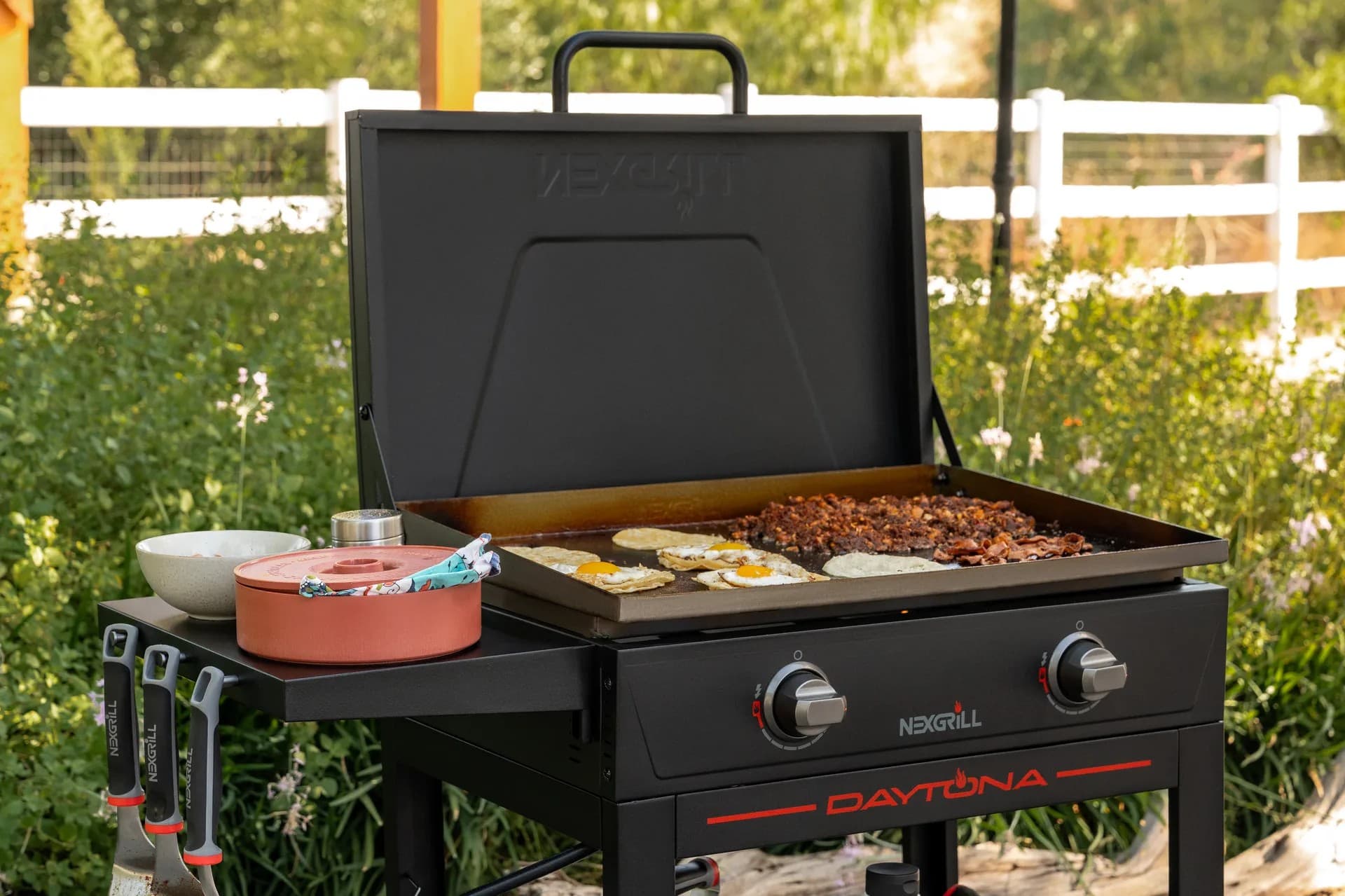
Find griddle recipes, cooking techniques, cleaning tips, and outdoor meal ideas designed for Nexgrill griddles.
Find answers to common questions
To clean your Nexgrill grill, ensure it is cooled down first. Use a grill brush to scrub the grates, and wipe down the exterior with warm, soapy water. For deeper cleaning, disassemble parts as per the user manual's instructions.
If your grill won't light, check that the propane tank has gas and that all connections are secure. Ensure the ignition switch is functioning and that there are no obstructions in the burners. Refer to the troubleshooting section of your manual for specific steps.
It's recommended to perform regular maintenance checks after every use, such as cleaning grates and checking gas connections. In addition, a thorough inspection and cleaning every few months can prolong the life of your grill and ensure optimal performance.
To store your grill during the off-season, clean it thoroughly and ensure it is dry to prevent rust. Cover it with a grill cover designed for your model, and store it in a dry, sheltered location if possible.
Uneven heat may occur due to clogged burners or worn-out flame tamers. Check for blockages in the burner ports and clean them as necessary. Additionally, ensure that the grill is level and properly assembled for consistent heat distribution.
In This Article
Propane Grill Mechanics
Key Safety Features
Maintenance Tips
Propane grills have become a staple for outdoor cooking enthusiasts, offering convenience and efficiency. However, safety concerns often arise due to the nature of propane as a flammable gas. Understanding the safety mechanisms and best practices can help mitigate risks and ensure a safe grilling experience.
Propane grills operate by channeling propane gas from a tank through a regulator and into burners, where it is ignited. The generated heat cooks food placed on grates above the burners. Most models include safety features such as automatic shut-off valves and built-in regulators to control gas flow.
Tip: Regular maintenance and inspection of your grill's components can prevent common safety issues.
Modern propane grills incorporate various safety features, including:
These features not only enhance safety but also improve the overall grilling experience by providing more control over cooking temperatures.
Proper handling of propane tanks is crucial. Always store tanks upright in a well-ventilated area away from direct sunlight and heat sources. When connecting or disconnecting tanks, ensure the grill is off and the connections are secure to prevent leaks.
| Safety Measure | Description |
|---|---|
| Leak Detection | Use a soap solution to check for leaks in connections. |
| Proper Storage | Store tanks outdoors in a cool, shaded area. |
| Regular Inspection | Inspect hoses and connections for wear and tear. |
Following these guidelines can significantly reduce the risk of accidents, ensuring a safe and enjoyable grilling experience.
Operating propane grills safely requires adherence to proper procedures and awareness of potential hazards. Grilling outdoors, away from structures and combustible materials, is essential. Ensure the grill is placed on a stable, level surface to prevent tipping.
When lighting a propane grill, always open the lid to prevent gas buildup. Utilize the built-in igniter or a long match to light the burners. Avoid leaning over the grill during ignition to protect against unexpected flare-ups.
Info: Keep a fire extinguisher nearby as a precaution against uncontrolled fires.
Flare-ups can occur when fat drips onto the burners, causing sudden flames. To manage these, keep a spray bottle filled with water handy to douse small flare-ups. Consider trimming excess fat from meats before grilling to minimize this risk.
Some grills offer a dedicated flare-up control feature, which can be particularly useful for maintaining consistent cooking temperatures and ensuring safety.
Routine maintenance is key to safe operation. Clean grill grates and burners after each use to prevent grease buildup, which can ignite unexpectedly. Inspect hoses and connections regularly for signs of wear or damage.
| Maintenance Task | Frequency |
|---|---|
| Cleaning Grates | After each use |
| Inspecting Hoses | Monthly |
| Checking Connections | Before each use |
Regular maintenance not only enhances safety but also prolongs the lifespan of your grill, ensuring many seasons of enjoyable outdoor cooking.
While propane grills are generally safe when used properly, awareness and adherence to safety guidelines are paramount. By following the outlined precautions and regularly maintaining your grill, you can enjoy delicious meals with peace of mind.
Here's what sets us apart
We position ourselves as delivering high-end outdoor cooking features and performance without premium-brand pricing, emphasizing “Quality Grills. Unbelievable Value.”
We offer gas grills, pellet grills, griddles, smokers, pizza ovens, portable/tabletop grills, electric grills, accessories, and replacement parts — allowing customers to stay within one ecosystem for all outdoor cooking needs.
We differentiate ourselves through smart grilling products like the Oakford smart pellet grill, including app-connected cooking controls and modern outdoor cooking technology.
Don't just take our word for it
Keep reading
From our catalog