Discover the advantages and tips for using hot-rolled steel griddles on single burners.
Here's what sets us apart from the competition
We position ourselves as delivering high-end outdoor cooking features and performance without premium-brand pricing, emphasizing “Quality Grills. Unbelievable Value.”
We offer gas grills, pellet grills, griddles, smokers, pizza ovens, portable/tabletop grills, electric grills, accessories, and replacement parts — allowing customers to stay within one ecosystem for all outdoor cooking needs.
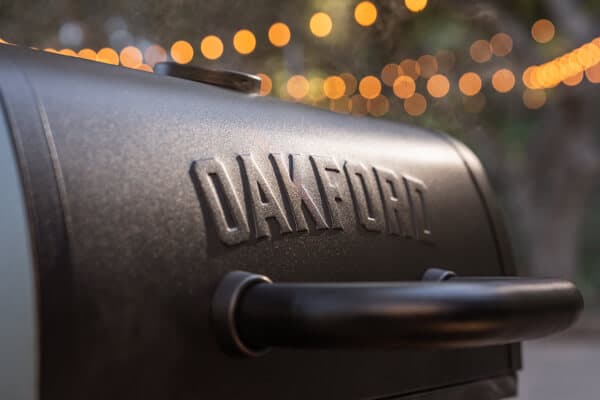
We differentiate ourselves through smart grilling products like the Oakford smart pellet grill, including app-connected cooking controls and modern outdoor cooking technology.
Expert tips, buying guides, comparisons, and inspiration for choosing and getting the most out of your grill.
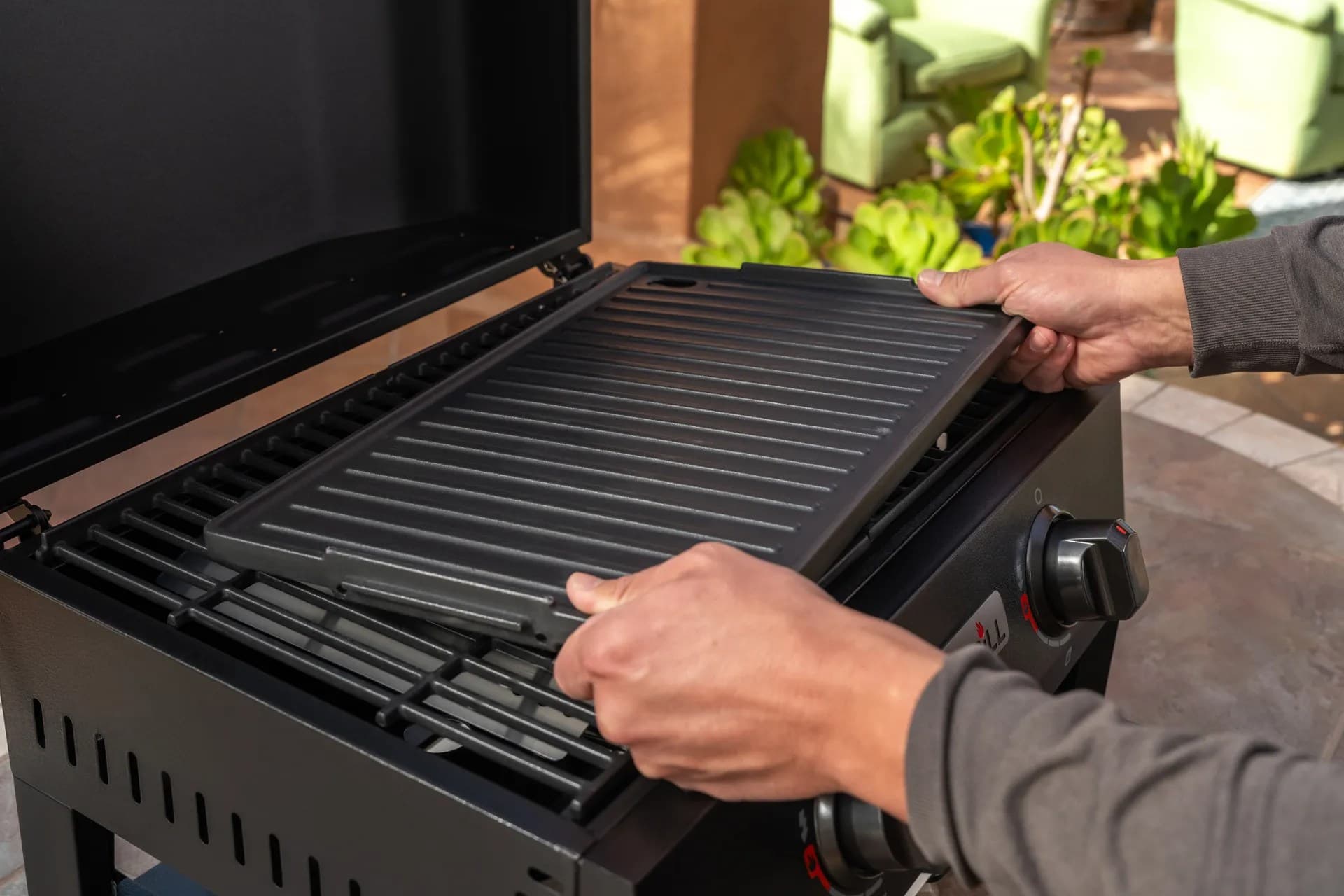
Practical guides for cleaning, maintenance, common grill issues, and performance optimization.
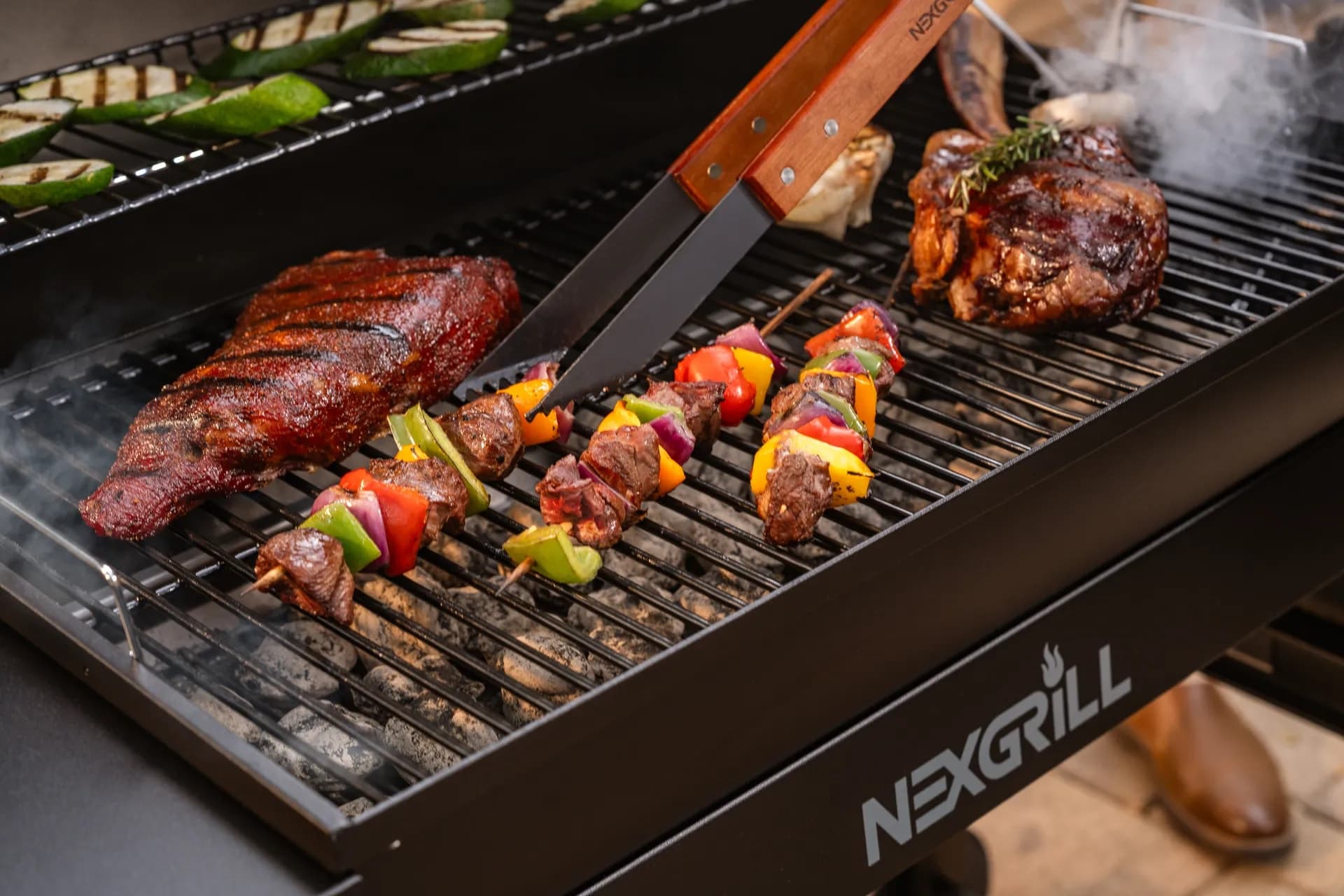
Step-by-step grilling recipes, cooking techniques, and meal ideas for every occasion and skill level.
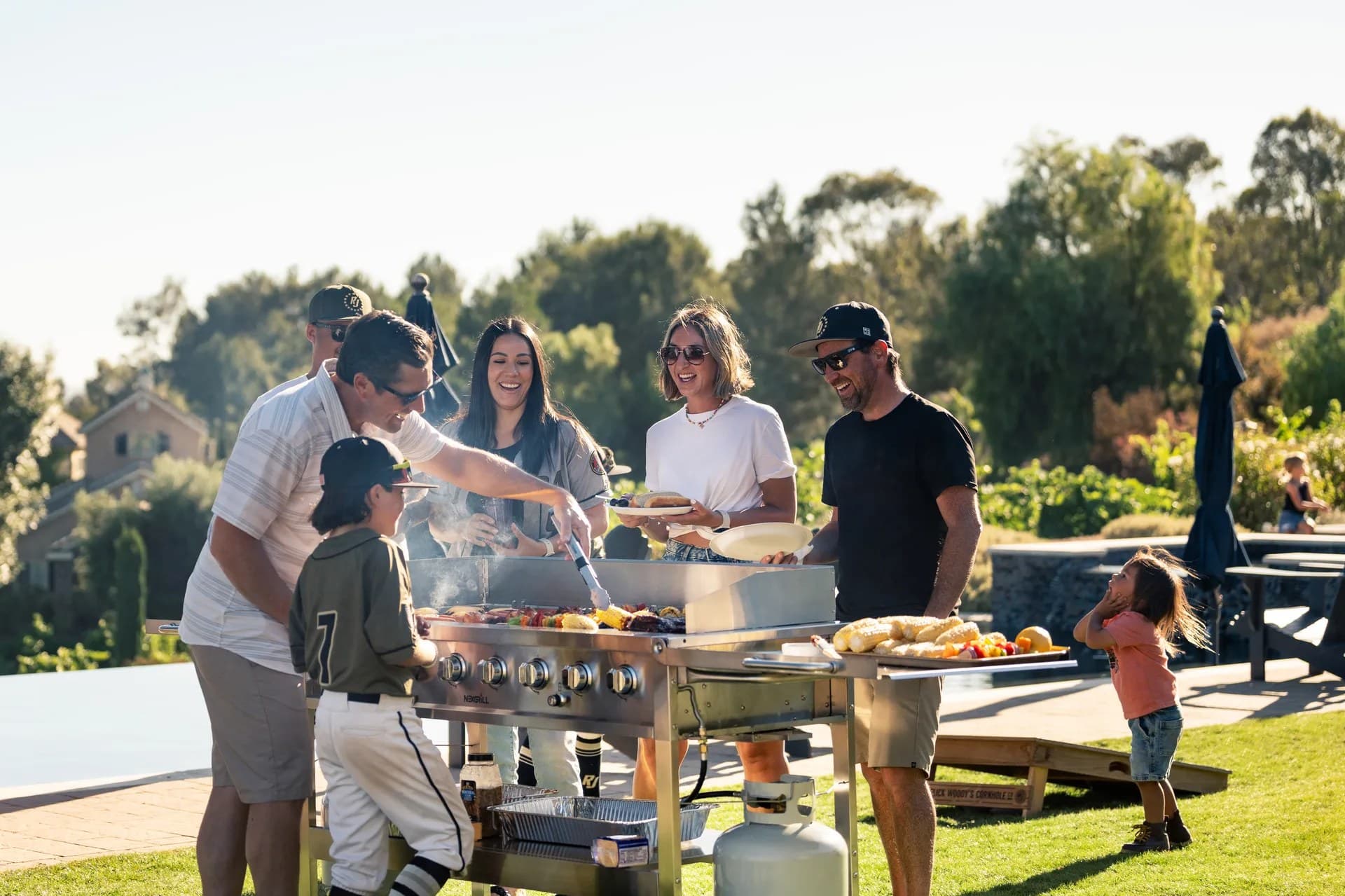
Backyard entertaining ideas, seasonal grilling inspiration, and stories that celebrate outdoor cooking culture.
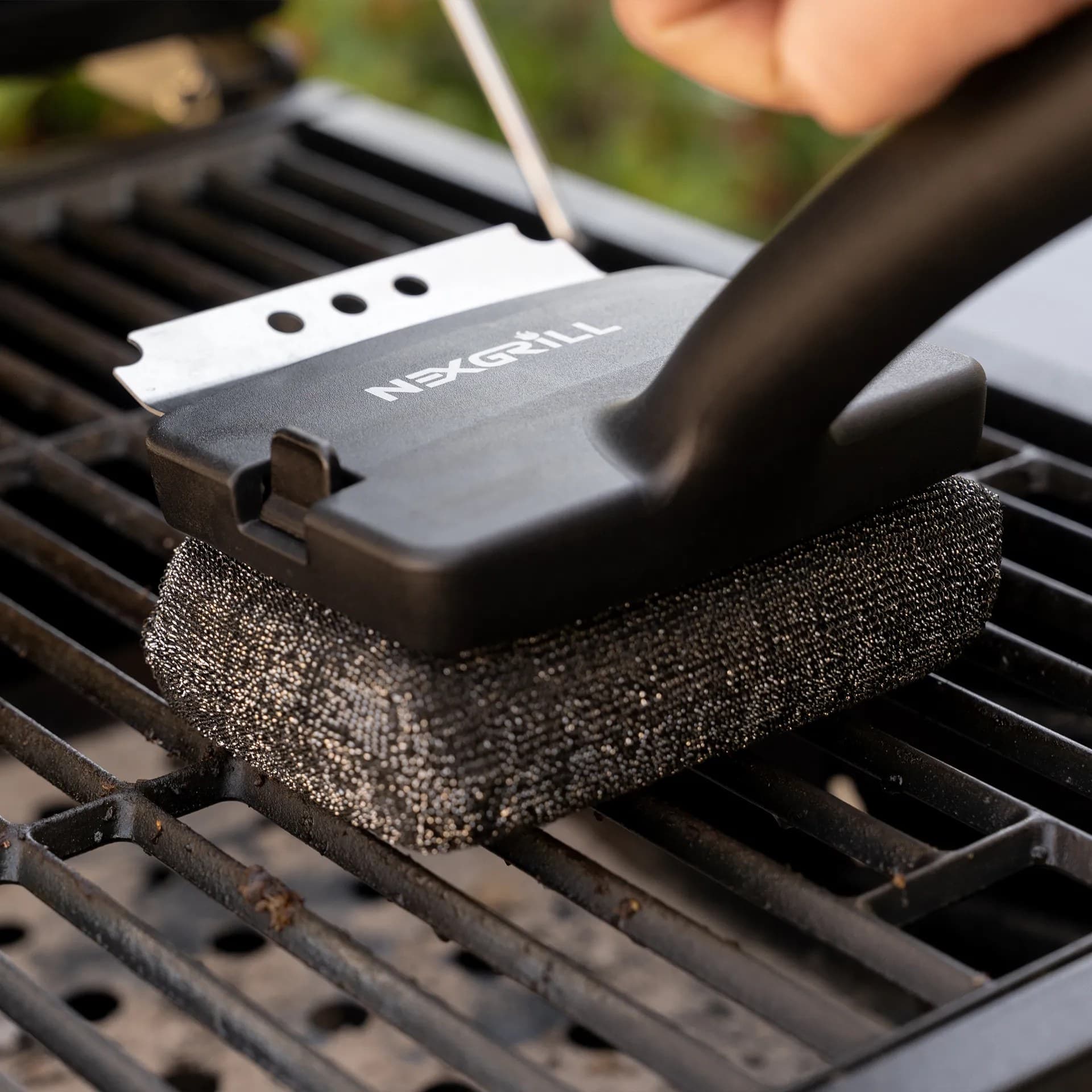
Helpful articles covering grilling tools, cookware, maintenance gear, and must-have accessories for outdoor cooking.
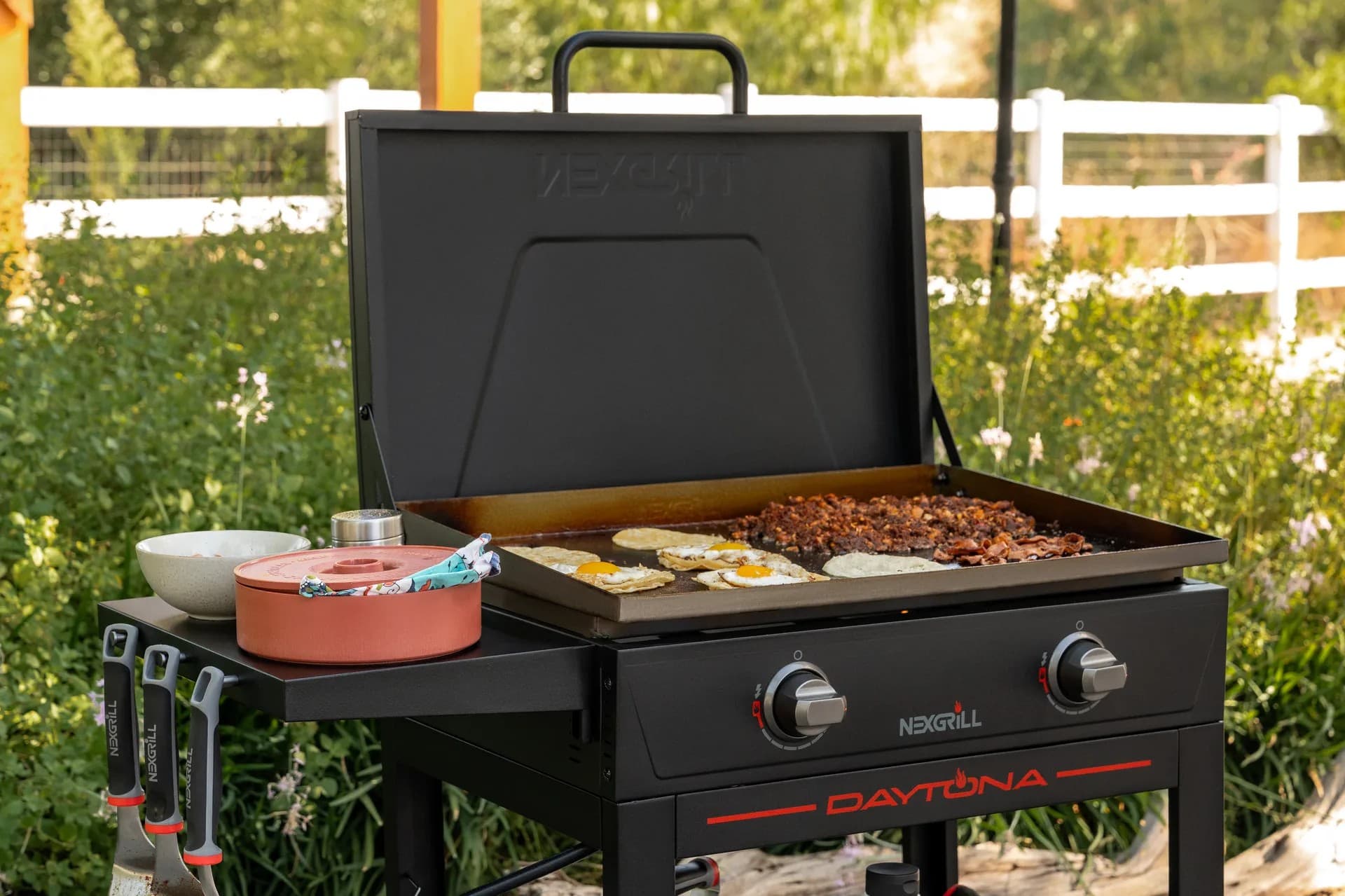
Find griddle recipes, cooking techniques, cleaning tips, and outdoor meal ideas designed for Nexgrill griddles.
Find answers to common questions
Nexgrill griddle dimensions vary by model. Please refer to the specific product page for detailed measurements.
Nexgrill griddles are typically constructed from high-quality stainless steel and other durable materials designed for outdoor cooking.
To clean your Nexgrill griddle, make sure it is cool, then scrape off food residue with a spatula and wash the surface with warm, soapy water. Regular cleaning helps maintain performance and longevity.
Yes, Nexgrill griddles are designed for versatile cooking and are ideal for preparing breakfast foods such as pancakes, eggs, and bacon.
Yes, Nexgrill offers a warranty on their griddles. Warranty terms can vary by model, so please check the product details for specific coverage information.
In This Article
What is Hot-Rolled Steel?
Material Comparison
Top Griddle Choices
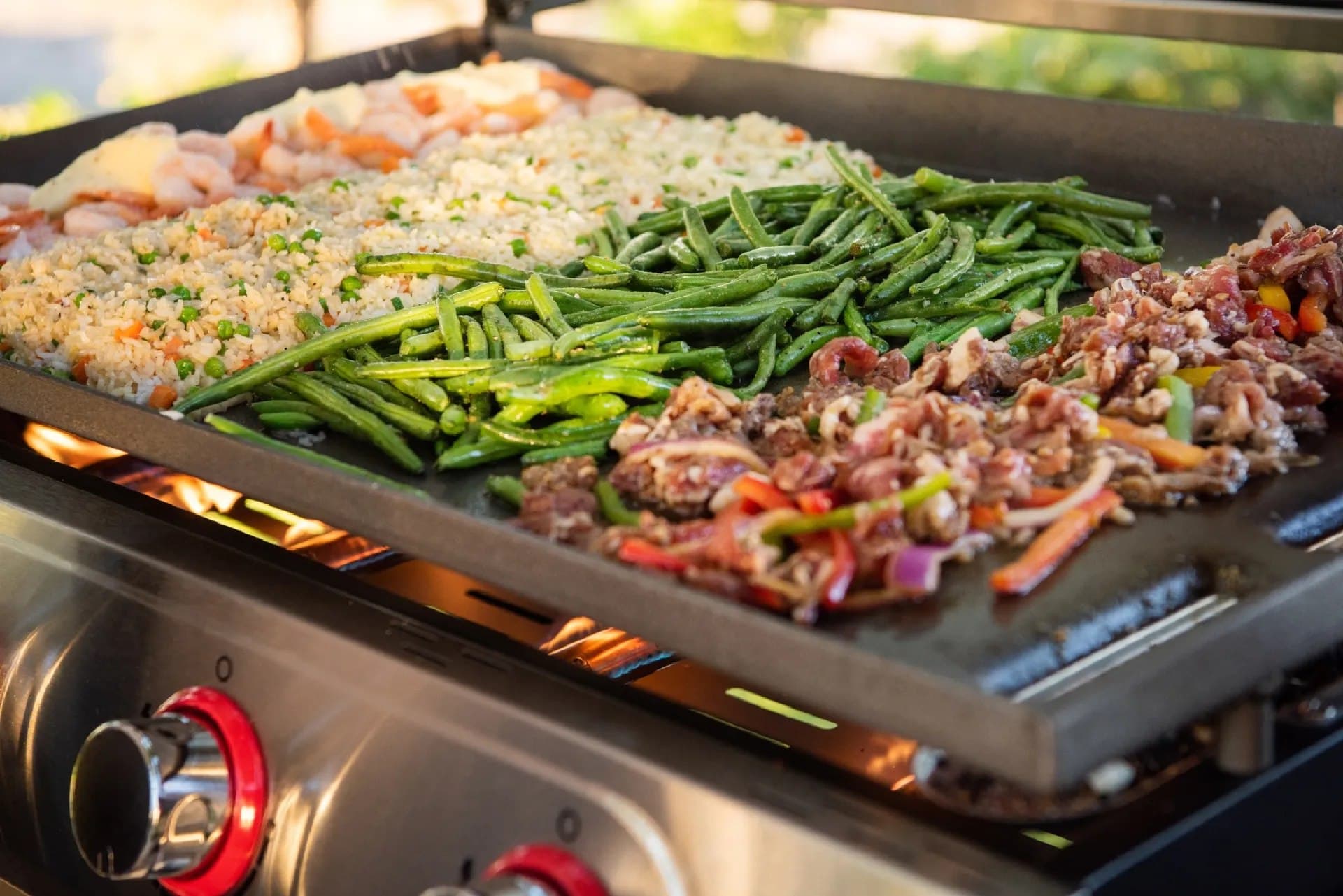
Hot-rolled steel has become a favorite material for single-burner griddles because it behaves more like a serious cooking surface than a novelty accessory. Instead of feeling thin, delicate, or overly specialized, a well-made hot-rolled steel griddle gives you a broad, stable surface that can live on a compact burner and still handle everything from smashed breakfast potatoes to seared vegetables and thin-cut meats. For backyard cooks who want more control than a basic pan and more versatility than a standard grate, this material occupies a very practical middle ground.
A single-burner setup is especially interesting because it forces the cooking surface to do real work in a limited footprint. That means heat retention, flatness, and responsiveness matter more than flashy extras. Hot-rolled steel tends to excel in exactly those areas when it is properly seasoned and cared for. It is sturdy enough to handle high heat, but it is still responsive enough that you can adjust your cooking style without fighting the pan. That balance makes it appealing for apartment patios, tailgating, camping, and small outdoor kitchens where every inch and every degree of heat counts.
For single-burner users, the real advantage is control: one burner, one cooking zone, and a griddle surface that can still deliver a wide range of textures and browning.
Nexgrill’s broader approach to outdoor cooking emphasizes practical value, approachable use, and designs that fit real-world gathering spaces, which is why a hot-rolled steel griddle fits neatly into the brand’s philosophy. The best griddle is not the one with the most buzz; it is the one that helps you cook breakfast for the family on a Saturday, throw together quick quesadillas on a weekday, or bring a small crowd together without demanding a steep learning curve. That is where a single-burner hot-rolled steel griddle stands out.
If you are shopping for this kind of griddle, think beyond the metal alone. The shape of the rim, the thickness of the steel, how it sits over the burner, and how evenly it spreads heat all determine whether the griddle feels intuitive or frustrating. A great hot-rolled steel griddle should feel like an extension of the burner below it, not like an awkward sheet of metal trying to keep up.
Hot-rolled steel is steel formed at high temperatures, which makes it easier to shape and generally less expensive to manufacture than some cold-finished alternatives. In griddle terms, that matters because you get a material that is durable, substantial, and well suited to repeated heating cycles. A hot-rolled steel griddle is usually heavier and more rigid than a basic thin pan, but it is not as brittle or overly heavy as cast iron can be. That gives it a useful balance of strength and usability for everyday outdoor cooking.
One of the reasons cooks like hot-rolled steel is the way it develops character over time. With seasoning, the surface darkens and becomes more naturally nonstick, which helps with eggs, pancakes, hash browns, and delicate proteins. The material also handles direct heat well, making it a strong candidate for meals that rely on browning and quick transitions between searing and warming. On a single burner, where you may not have a lot of surface area to create separate cooking zones, that responsiveness is valuable.
Combines strong heat tolerance with a seasoning-friendly surface for compact outdoor cooking.
The material does require some attention. Like most bare steel cooking surfaces, it can rust if left wet, and it works best when cleaned and lightly oiled after use. That is not a drawback so much as part of the ownership model. Instead of being a throwaway surface, hot-rolled steel rewards a bit of routine care with better cooking performance over time. For many buyers, that trade-off feels worth it because the surface becomes smoother, darker, and more predictable with use.
It also helps to understand that hot-rolled steel is often discussed alongside carbon steel and cast iron, but those materials are not identical in feel or performance. In a compact single-burner format, the exact thickness and fabrication matter as much as the label. Two griddles made from similar steel can perform differently if one is too thin to hold heat or too thick to respond quickly enough. The best hot-rolled steel griddles are the ones that solve that balance well.
When people compare griddle materials, the conversation usually comes down to hot-rolled steel, carbon steel, and cast iron. Each has strengths, but the right choice depends on what kind of cooking you actually do. Carbon steel is often praised for being responsive and relatively lighter than cast iron, while cast iron is famous for heat retention and a deeply seasoned cooking surface. Hot-rolled steel sits in a practical zone between those extremes, offering dependable heat behavior without feeling excessively fragile or burdensome.
| Material | Strengths | Trade-offs | Best use case |
|---|---|---|---|
| Hot-rolled steel | Durable, seasoning-friendly, good heat balance | Needs rust prevention and regular care | Single-burner griddles, everyday outdoor cooking |
| Carbon steel | Responsive, relatively light, strong searing potential | Can vary widely by thickness and finish | Portable setups, frequent heat adjustments |
| Cast iron | Excellent heat retention, strong browning, classic feel | Heavy, slower to heat and cool, more brittle | Stationary cooking, longer sessions, high-heat meals |
In practical terms, hot-rolled steel often feels easier to live with on a single burner than cast iron because it is generally more forgiving during heating and cooling transitions. If you move from cooking bacon to sautéing peppers to finishing tortillas, that flexibility matters. Cast iron can absolutely produce excellent results, but on a compact burner it may respond more slowly and hold on to heat in ways that make delicate foods harder to manage. Carbon steel comes close in responsiveness, but hot-rolled steel often brings a more robust, workhorse feel that suits outdoor use better.
There is also a meaningful difference in how these materials support daily convenience. If your goal is a quick backyard breakfast or a weeknight smashburger session, a hot-rolled steel griddle on a single burner can be quicker to heat and easier to portion into a manageable cooking rhythm than a heavier cast iron slab. That does not make one material universally better. It means the right material should match the way you cook, not just the way a spec sheet sounds.
The biggest benefit of hot-rolled steel is the cooking surface it creates once properly seasoned. It gives you a dense, dependable platform for browning without the awkwardness of a thin pan or a surface that feels unstable under heat. On a single burner, that stability is a major advantage because it helps you use the full surface with more confidence. Foods like onions, potatoes, chicken cutlets, breakfast sandwiches, and tortillas all benefit from consistent contact with a flat, seasoned steel surface.
Another advantage is versatility. One burner usually means one heat source, so the griddle itself needs to help you do more with less. Hot-rolled steel supports multiple cooking styles well: you can preheat for strong searing, lower the burner for gentle finishing, or use the residual heat to keep items warm while you finish the rest of the meal. That makes it a smart choice for people who want one compact cooking tool to handle many situations.
If your cooking is often spontaneous, a hot-rolled steel griddle can be a better fit than heavier materials because it reaches a useful cooking state with less waiting and less fuss.
The material also supports better crust development on foods that benefit from direct surface contact. Think smashed breakfast potatoes, diced sausage, seared vegetables, or thin burger patties. Because hot-rolled steel can be seasoned into a smoother working surface, it can reduce sticking and encourage better release once the food has browned properly. That means your cooking technique improves along with the griddle’s surface condition.
Finally, hot-rolled steel tends to offer strong value for buyers who want a serious griddle without overcomplicating the purchase. It is a material that rewards attention, but it does not demand specialized handling every minute. If you want a compact griddle that feels substantial, cooks evenly enough for practical use, and can become better over time, hot-rolled steel is one of the most sensible options for a single-burner setup. Try comparing two products side by side below to see which fits best:
Once you've weighed two options against each other, the real value of a hot-rolled steel griddle comes from how you use it day to day. The first rule is to season it before you cook anything delicate. A thin coat of oil heated until it polymerizes creates the nonstick foundation that makes the surface much easier to live with. You do not need a complicated process; you need consistency. Heat the griddle, apply a light layer of oil, let it smoke lightly, then cool and repeat if the surface is still raw. That initial work pays off every time you cook eggs or pancakes.
Preheating is another step that matters more than many first-time owners expect. Hot-rolled steel works best when it has enough time to distribute heat evenly across the surface. A single burner can create a hot zone directly over the flame, so it helps to give the griddle a few extra minutes before adding food. Use water droplets or a small test piece of onion to judge readiness. If the surface sizzles evenly rather than burning in one spot, you are in the right range.
Avoid washing hot-rolled steel with harsh detergents immediately after use unless the manufacturer specifically instructs it. Strong cleaners can strip seasoning and leave the surface vulnerable.
Cooking technique should also be adapted to the single-burner footprint. Since you do not have multiple independent heat zones unless the griddle design itself creates them, manage your workflow in stages. Start with foods that need the highest heat, then move to items that can finish in residual warmth. If you're making breakfast, for example, crisp the potatoes first, then cook eggs or tortillas after the burner is reduced. That sequence makes the most of a compact steel surface and keeps food from overcooking while you juggle multiple items.
Cleaning after cooking is straightforward if you handle it while the griddle is still warm. Scrape off food bits, wipe away excess grease, and apply a small amount of oil to protect the surface. Drying is critical. Leftover moisture is the main enemy of bare steel. If your routine includes covering the griddle and storing it in a dry place, you dramatically reduce the chance of rust spots. Some users also like to use a dedicated scraper and a lint-free cloth so they can keep the seasoning intact instead of fighting it with abrasive pads.
A quick oiling and wipe-down after cooking can protect the surface far better than occasional deep cleaning.
If you are cooking foods with sticky sauces or sugar-heavy glazes, pay attention to heat levels. Hot-rolled steel is strong, but sugary ingredients can burn quickly on a single burner and leave residue that disrupts seasoning. Lower the heat when you move from searing to glazing, and reserve sticky finishes for the final moments. That keeps the surface cleaner and preserves the flavor of the rest of the meal.
Long-term maintenance is mostly about prevention. Store the griddle dry, re-oil lightly after each use, and occasionally inspect the edges and underside for early rust. If you notice a rough area, address it before it spreads. Most issues are manageable when caught early, which is one reason hot-rolled steel is such a practical material for owners willing to learn a simple routine.
When shoppers look for a hot-rolled steel 1-burner griddle, they are usually trying to solve one of three problems: they want a compact breakfast setup, they need a portable cooking surface for travel, or they want a durable griddle that can live on a small outdoor burner without feeling flimsy. The best products for that job are typically simple, heavy enough to hold heat, and designed to sit securely over a single heat source. Nexgrill’s product range includes several griddle formats that appeal to these users, especially if they want a value-focused option that still feels purposeful.
| Product | Best for | Why it stands out |
|---|---|---|
| Daytona 2-Burner Gas Griddle with Lid | Small patios and flexible everyday use | Good balance of covered cooking, portability, and compact design |
| Daytona 2-Burner Propane Gas Griddle with foldable cart | Mobile outdoor cooking | Foldable cart adds convenience for storage and transport |
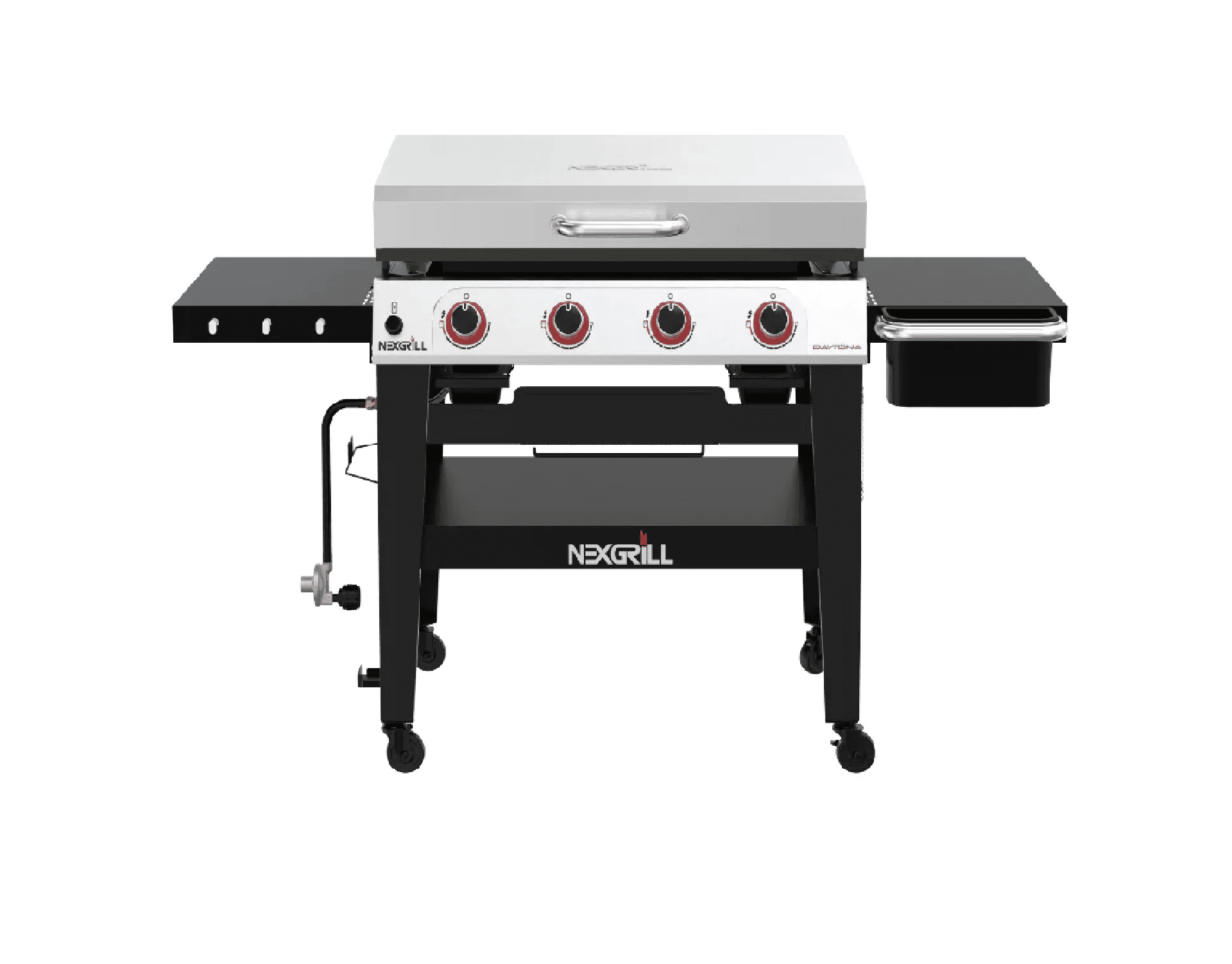
| Stainless Steel Nexgrill Daytona 4-Burner flat top griddle grill | Larger families and batch cooking | More surface area for cooks who want to scale up |
Although not every model in the Nexgrill lineup is a pure single-burner design, these products show the brand’s broader commitment to practical griddle use, sturdy construction, and approachable outdoor cooking. For someone focused specifically on a one-burner burner-top setup, the key takeaway is to look for a griddle that emphasizes flatness, secure fit, and manageable weight. Those details matter more than chasing oversized specifications you will never use.
If you are choosing between a very thin portable griddle and a heavier hot-rolled steel option, the latter usually wins for stability and browning. If you only need occasional use while camping, a lighter design might be easier to move. But if your priority is repeatable cooking on a home burner or a trusted outdoor stove, the more substantial steel surface is usually the better long-term answer.
What users tend to appreciate most about hot-rolled steel griddles is the way they improve after a few cooks. First-time buyers often notice that the griddle feels a little raw at the beginning, then becomes more predictable as seasoning develops. In practical terms, that means eggs release more cleanly, bread browns more evenly, and thin meats stop sticking the way they did on day one. For many owners, that improvement curve is the biggest reason they prefer steel over cheaper smooth surfaces.
A common theme in reviews is that a single-burner hot-rolled steel griddle feels like a serious upgrade for weekend breakfasts. Users often mention that it turns a basic burner into a versatile cooking station without needing a full outdoor kitchen. Others like the fact that one surface can move from hash browns to steak tips to onions with only minor heat adjustments. The recurring complaint, when there is one, usually involves improper storage or skipped seasoning rather than the material itself.
Many positive owner experiences come from a simple pattern: season it well, keep it dry, and use it often. The griddle improves as a cooking tool when it is treated like one.
A hot-rolled steel 1-burner griddle is a smart choice for cooks who want compact convenience without sacrificing the feel of a real cooking surface. It offers a strong balance of durability, heat response, and seasoning-friendly performance, making it especially appealing for breakfast foods, quick outdoor meals, and small-space grilling setups. If you want a griddle that rewards proper care and becomes more useful with time, hot-rolled steel deserves serious consideration.
Here's what sets us apart
We position ourselves as delivering high-end outdoor cooking features and performance without premium-brand pricing, emphasizing “Quality Grills. Unbelievable Value.”
We offer gas grills, pellet grills, griddles, smokers, pizza ovens, portable/tabletop grills, electric grills, accessories, and replacement parts — allowing customers to stay within one ecosystem for all outdoor cooking needs.
We differentiate ourselves through smart grilling products like the Oakford smart pellet grill, including app-connected cooking controls and modern outdoor cooking technology.
Don't just take our word for it
Keep reading
From our catalog