Comprehensive Review of Grill Hose Replacements
A detailed guide on choosing, installing, and maintaining grill hoses for safety and performance.
Image via 123RF
In This Article
Understanding Grill Hoses
Installation Tips
User Experiences
Introduction
A grill hose replacement review matters because the hose is not just a connector; it is the final line between your propane supply and safe, controlled cooking. When a hose starts to crack, kink, leak, or lose its seal at the regulator, the grill can become unreliable long before the burners themselves fail. For many backyard cooks, the warning signs appear slowly: a flame that seems weaker than usual, a smell of gas near the tank connection, or a hose that has gone stiff after a few seasons outdoors. The goal of this guide is to help you evaluate replacements with the same care you would use when choosing the grill itself: by fit, material, connection style, safety features, and real-world usability.
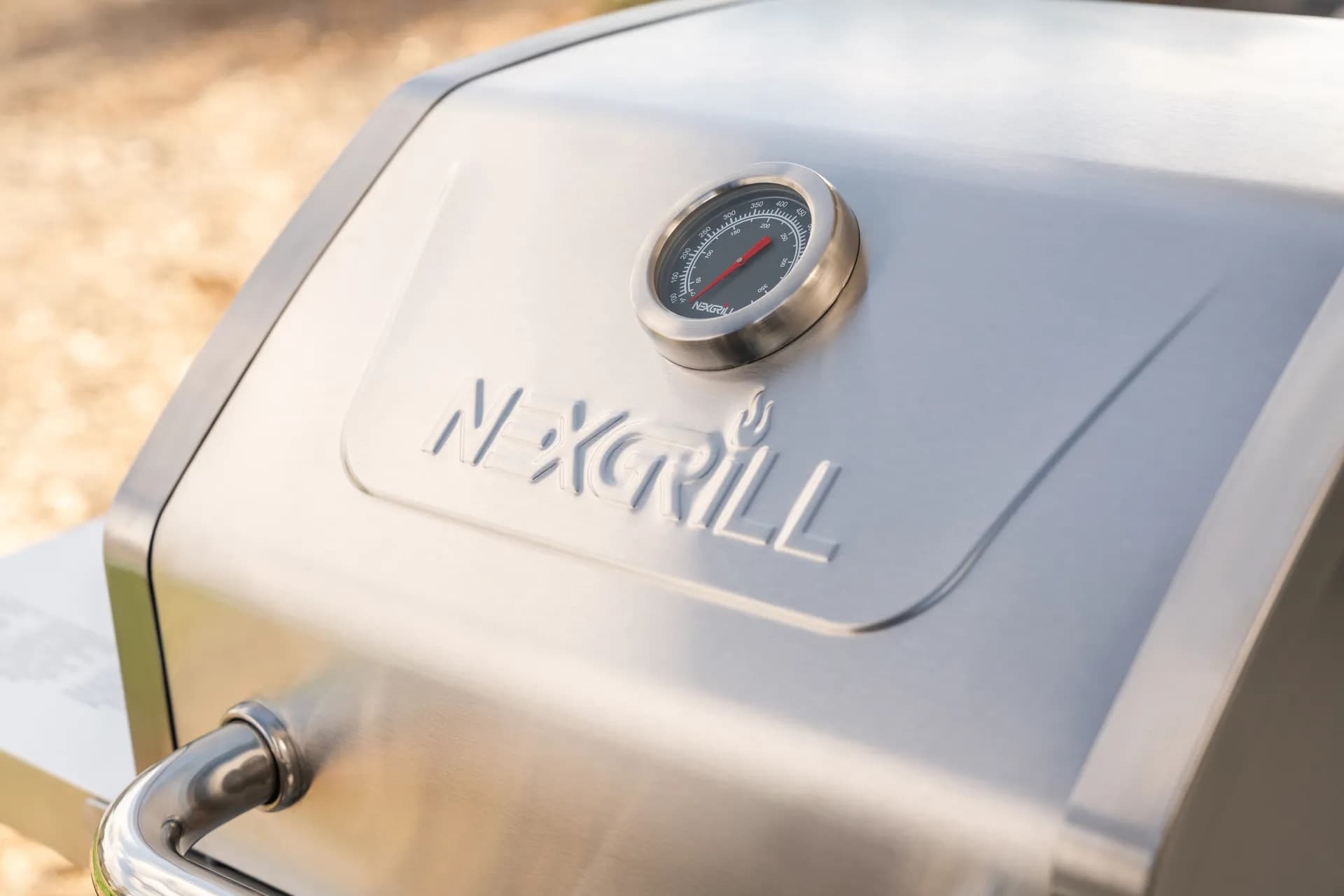
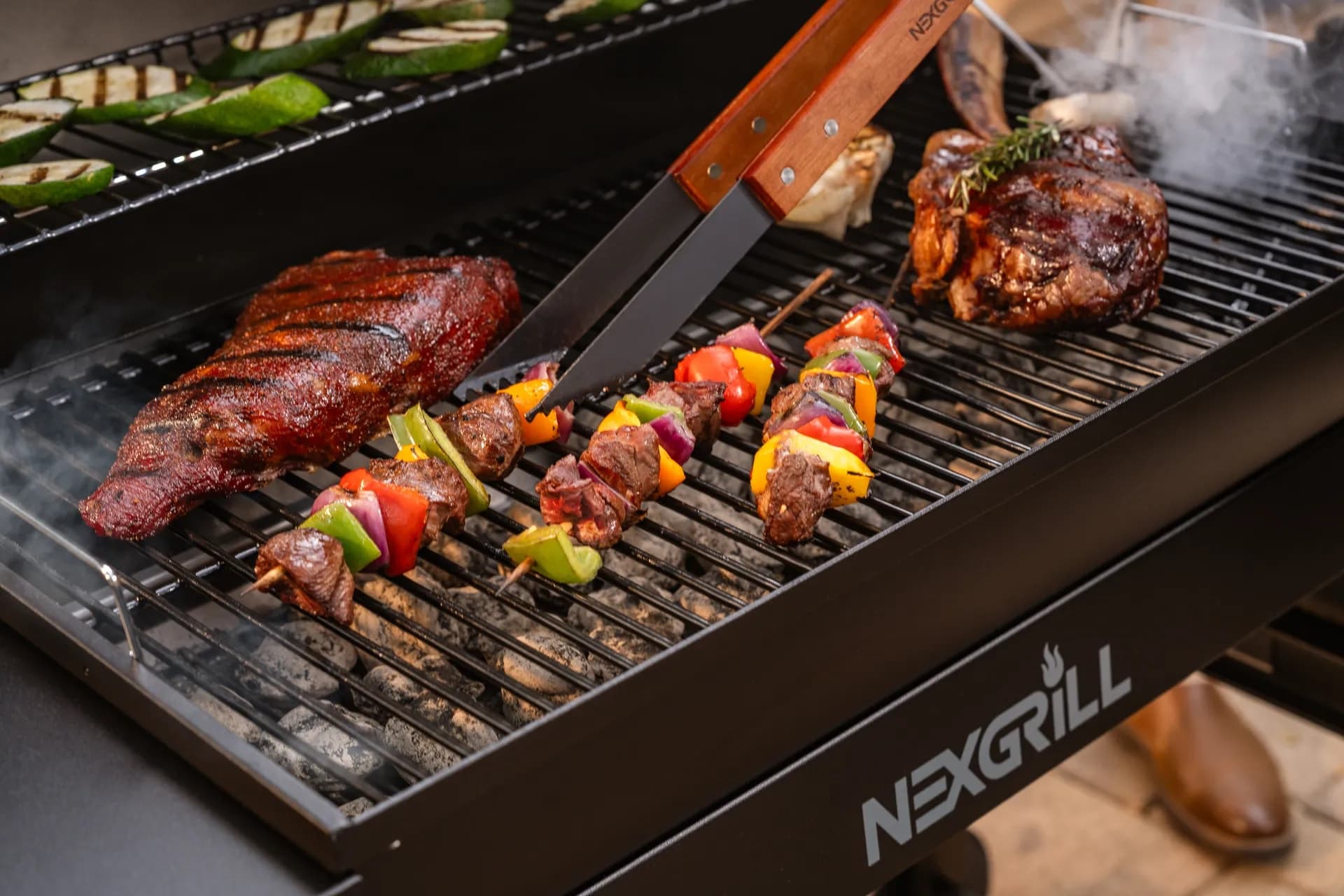
Nexgrill’s brand approach centers on being dependable, approachable, and practical for everyday grilling, which fits this topic well. A replacement hose should support the way people actually cook at home: quick weeknight burgers, weekend family gatherings, and larger outdoor meals where consistent flame control matters more than flashy extras. The right hose choice is usually less about novelty and more about compatibility, durability, and how confidently it restores your grill to normal operation. That is especially important for buyers who want a reliable value option rather than a complicated retrofit.
A hose replacement is one of the smallest repairs you can make, but it has one of the biggest safety impacts because it affects fuel delivery and sealing.
Flame quality, ignition, and fuel confidence all depend on a secure connection.
If you are reviewing replacement options, think in terms of the whole gas path: tank, regulator, hose, connection fitting, and grill inlet. A great hose on the wrong regulator is still a poor solution. Likewise, an expensive kit is not automatically better if the connection style does not match your grill. That is why the best review process starts with identifying what your current setup actually uses, then narrowing down whether you need a universal propane hose, a brand-specific part, or a combined regulator-and-hose assembly.
Types of Grill Hoses
The first decision is whether you need a universal hose or a model designed for a specific grill family. Universal hoses are attractive because they seem flexible, but they still depend on the same basics: thread size, gas type, pressure rating, and the shape of the connection at the grill end. Brand-specific hoses are often simpler for buyers because the fit is easier to verify, and the parts are usually designed around a known regulator and manifold setup. In practice, that can save time and reduce the risk of mismatched fittings.
Universal propane hoses
A universal propane hose is best understood as “widely compatible” rather than truly one-size-fits-all. These hoses often work well for common quick-disconnect setups, portable grills, and replacement projects where the original part has been discontinued. Their main advantage is availability. Their main drawback is that the buyer must confirm every detail before installation. If the fitting looks close but is not exact, it can lead to leaks, a loose seal, or an installation that never feels fully secure.
When comparing universal options, pay attention to hose length, fitting material, and whether the package includes a regulator. A hose that is too short can create tension where the grill sits on a cart or patio table. A hose that is too long may be convenient, but it can also create clutter and accidental strain if routed poorly. For grills stored near the tank, a shorter hose usually keeps the setup cleaner and more manageable.
Brand-specific replacement hoses
Brand-specific hoses are generally the easier path for owners who want to restore a grill to its intended configuration. They reduce guesswork because the connection points are designed around a particular platform. For many homeowners, this matters more than trying to save a few dollars on an almost-compatible part. A matched hose and regulator assembly also tends to be the better choice when the old regulator is aging at the same time as the hose, since both components experience the same outdoor exposure.
| Hose Type | Best Use | Main Advantage | Main Risk |
|---|---|---|---|
| Universal propane hose | Replacement when the original part is unavailable | Easy to find and often affordable | Fit must be verified carefully |
| Brand-specific hose | Restoring a known grill model | Clearer compatibility and simpler install | Fewer cross-brand options |
| Hose and regulator kit | Old setups with both parts showing wear | Replaces two aging components at once | Must match grill pressure requirements |
Do not choose by appearance alone. Two hoses can look similar and still have different fittings, pressure ratings, or regulator configurations.
For many grill owners, the practical choice comes down to how confident you feel identifying fittings. If you already know your grill model and can cross-check part numbers, a brand-specific replacement is often the cleanest option. If you are working with an older grill, an aftermarket cart, or a portable setup with a standard quick-disconnect, a universal hose may be appropriate as long as the measurements and connector style line up exactly.
When to Replace Your Grill Hose
A grill hose should be replaced when wear becomes visible or when the grill starts behaving differently under normal use. The most obvious signs are cracking, brittleness, discoloration, and damaged threads or connectors. Less obvious signs include weak burner output, trouble staying lit, or the smell of propane around the tank connection after setup. A hose can still look acceptable from the outside while the internal material is aging, so use time in service as another clue rather than relying on appearance alone.
The lifespan of a hose depends on exposure. A grill kept under cover on a dry patio may last longer than one left out through sun, rain, and temperature swings. UV exposure and repeated bending near the connector are common causes of premature failure. If the grill is moved frequently, such as for tailgating or seasonal storage, the hose also faces more mechanical stress. In a practical sense, many owners should inspect the hose at the start of each grilling season and again if they notice any change in flame consistency.
If you smell gas, stop using the grill immediately and check the connection before attempting another ignition.
It is also smart to replace the hose whenever you replace a regulator that has shown wear, corrosion, or repeated ignition problems. A fresh regulator paired with an old hose can still leave you with unpredictable performance if the hose is cracked or internally weakened. For older grills, replacing the complete hose-and-regulator assembly often removes a lot of uncertainty in one step.
One useful way to think about replacement timing is to ask three questions: Is the hose physically damaged? Has the grill lost consistency? Has the grill been sitting outside long enough that the hose could have aged out even if it still looks fine? If the answer to any of those is yes, replacement is usually a better decision than pushing the part for another season.
Top Recommendations
The best replacement is the one that matches your grill type, your installation confidence, and your budget. The products below are representative options to look for when comparing grill hoses and regulators, especially if you want to move from a failing setup to a straightforward, dependable replacement. A good shortlist should include at least one exact-fit style option, one readily available quick-disconnect hose, and one kit that combines the hose with a regulator.
| Option | Best For | Pros | Trade-Off |
|---|---|---|---|
| Quick-disconnect propane hose | Portable and cart-style grills | Simple hookup and easy removal | Must match connector style exactly |
| Hose and regulator assembly | Older grills with uncertain parts history | Replaces both common wear points | More expensive than hose-only replacement |
| Brand-matched replacement hose | Owners who want the closest original fit | Less guesswork during installation | Fewer cross-brand alternatives |
For many users, the strongest review criterion is simplicity. A hose that installs cleanly, seats firmly, and restores the burner pattern you expect is usually a better buy than a part with a longer feature list but a questionable fit. If you are unsure, compare the replacement against your original hose’s connector shape, length, and regulator style before ordering. That one step prevents most returns and avoids the frustration of a grill that still cannot be used after the part arrives.
Try comparing two options side by side below to see which fits best:
Installation Guide
Once you've compared two replacement options side by side, the next step is installation, and that is where careful preparation matters most. Replacing a grill hose is usually straightforward, but only if you slow down, shut everything off, and verify the connection points before turning the gas back on. The safest approach is to work in daylight, on a cool grill, with the propane cylinder closed and disconnected. If you are replacing both hose and regulator, set the new assembly next to the old one and compare fittings before touching the grill.
Before you begin, inspect the grill inlet, regulator threads, tank valve, and hose routing path. If the previous hose failed because it was pinched, rubbed against a sharp edge, or bent too tightly, fix that cause during the same repair. Otherwise, the new part may wear out early for the same reason. A clean install is not just about tightening fittings; it is about creating a path that allows the hose to sit naturally without strain.
Never force a fitting. If the threads do not seat smoothly by hand, stop and re-check the part number, thread type, and orientation.
Basic replacement steps
- Close the propane cylinder valve completely and disconnect the tank.
- Remove the old hose or regulator assembly by hand, avoiding pliers unless the manufacturer specifically allows them.
- Inspect both connection points for dirt, corrosion, or damaged threads.
- Attach the new hose first by hand, then snug it securely without over-tightening.
- Reconnect the propane tank and keep the grill controls in the off position.
- Perform a leak test using a soap-and-water solution at every connection point before lighting the grill.
- If bubbles appear, shut off gas immediately, disconnect, and correct the issue before retesting.
That leak test is one of the most important parts of the whole process. Even a tiny leak can create a strong propane smell and prevent safe operation. In practical terms, you are looking for a steady, even seal. If the connection is sealed properly, the soapy solution should remain still. If it foams or grows bubbles, something is wrong and the connection needs to be adjusted before the grill is used again.
A successful installation is quiet, leak-free, and free of hose strain once the tank is back in place.
If your grill uses a quick-disconnect fitting, make sure the coupler locks fully and does not wobble after connection. If the assembly includes a regulator with an anti-flow device, give the gas supply a moment to stabilize before attempting ignition. Some users mistakenly assume the grill is broken when the issue is actually an unprimed regulator or a connection that has not fully reset after reconnection. A calm, methodical restart is often all that is needed.
Maintenance Tips
Once the hose is installed, good maintenance extends its useful life and helps prevent the kinds of issues that force an early replacement. The most practical habit is visual inspection. Before each season, and whenever you move the grill, check for cracking, flattening, or abrasion where the hose passes through the cart or under the firebox. If the hose is touching a hot or sharp surface, reroute it immediately.
Cleaning also matters. Grease, food drips, and patio dust can hide surface damage and make it harder to notice wear. Wipe the hose with a damp cloth when the grill cools, but avoid harsh solvents that can degrade protective materials. The goal is simply to keep the hose clean enough to inspect. Store the grill in a dry, covered location when possible, since direct sun and pooled moisture are two of the biggest enemies of rubber and composite gas lines.
Small adjustments, like keeping the hose off the ground and away from sharp cart edges, can add meaningful life to the part.
If you use the grill frequently, consider making hose inspection part of your pre-cook routine along with checking ignition and preheating. That is especially useful for high-traffic grills used on weekends, holidays, or during outdoor gatherings. A quick look at the hose before the first ignition can catch a problem before it interrupts a meal. For long off-season storage, disconnect the tank and store the grill where rodents, moisture, and UV exposure are less likely to damage the components.
It is also wise to replace the hose proactively if it has reached the point where the material feels hard, stiff, or less flexible than when it was new. Hoses do not need to fail dramatically before they should be changed. In many cases, the safest choice is the one that restores normal feel and confidence before a problem appears on the patio.
User Reviews and Experiences
User feedback on grill hose replacements tends to split into a few consistent themes. The happiest buyers usually mention two things: the part fit the first time, and the grill lit the way it used to. Those may sound basic, but they are exactly the qualities people value most after dealing with a failing hose. Reviewers also tend to praise replacements that include clear instructions, because those kits reduce uncertainty for people who do not replace gas parts every season.
One recurring comment is that brand-matched assemblies feel less stressful to install, especially for owners who want to avoid thread mismatches. Another common experience is that quick-disconnect hoses are convenient for portable setups but require careful attention to connector design. When buyers overlook that detail, they often describe the part as “almost right,” which is usually a sign that the wrong fitting style was chosen rather than a defect in the product itself.
| Experience Theme | What Users Usually Say | What It Means For Buyers |
|---|---|---|
| Easy install | The hose threaded on cleanly and passed the leak test | Compatibility matters more than brand names alone |
| Better flame consistency | Burners lit faster and held steady heat | A worn hose can affect day-to-day cooking quality |
| Frustrating returns | The fitting looked right but did not seat properly | Measure and verify before ordering |
A useful way to read reviews is to focus on the comments that explain context. Was the buyer replacing an old hose on a cart grill, a portable grill, or a larger propane setup? Did they replace the regulator at the same time? Did they perform a leak test? Context tells you whether the experience applies to your grill. Vague praise is less helpful than a review that explains why the part worked well and what problem it solved.
Conclusion
A good grill hose replacement review should leave you with one clear takeaway: safety and fit matter more than trying to save a little money on the wrong part. Universal hoses can be convenient, brand-specific hoses can simplify the decision, and hose-plus-regulator kits can be the best value when both parts are aging. The right choice depends on your grill model, how often you cook, and how much confidence you want during installation.
If you remember only a few points, make them these: inspect for cracks or stiffness before each season, replace the hose if you smell gas or see wear, and always leak-test after installation. That approach keeps your grill setup dependable and helps you avoid the most common mistakes people make when replacing gas components. For homeowners who value straightforward outdoor cooking, a properly fitted hose is a small upgrade that protects every meal that follows.