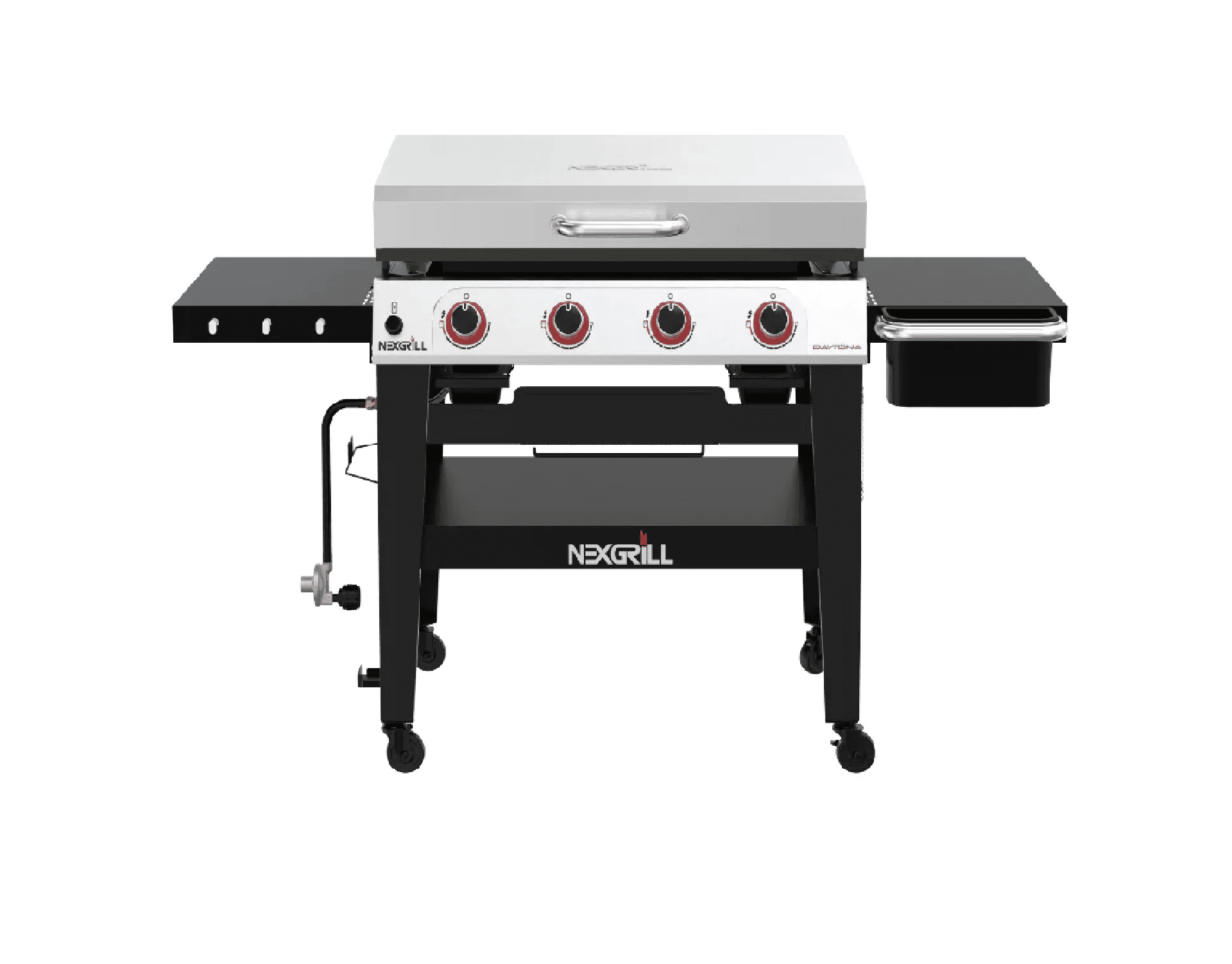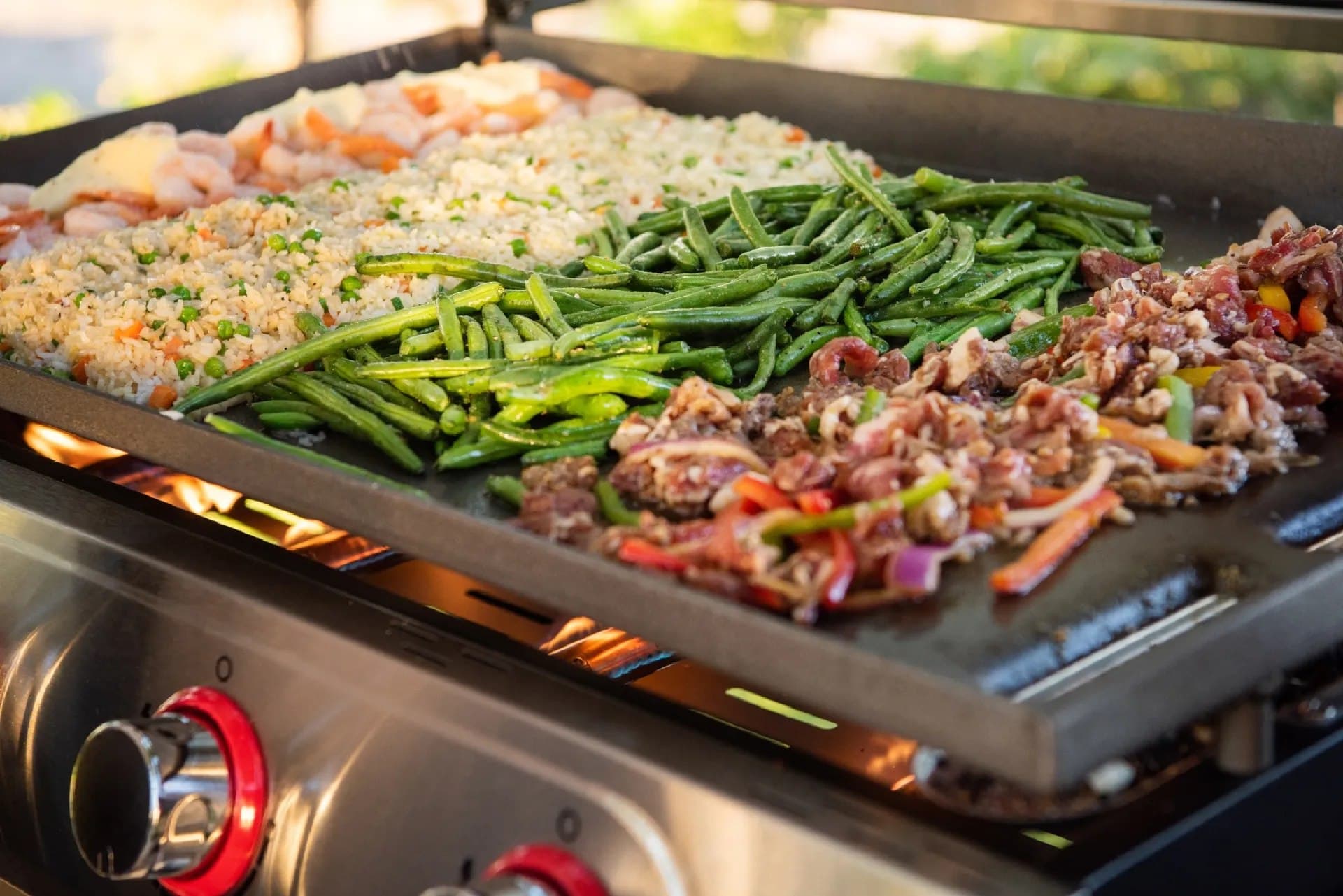
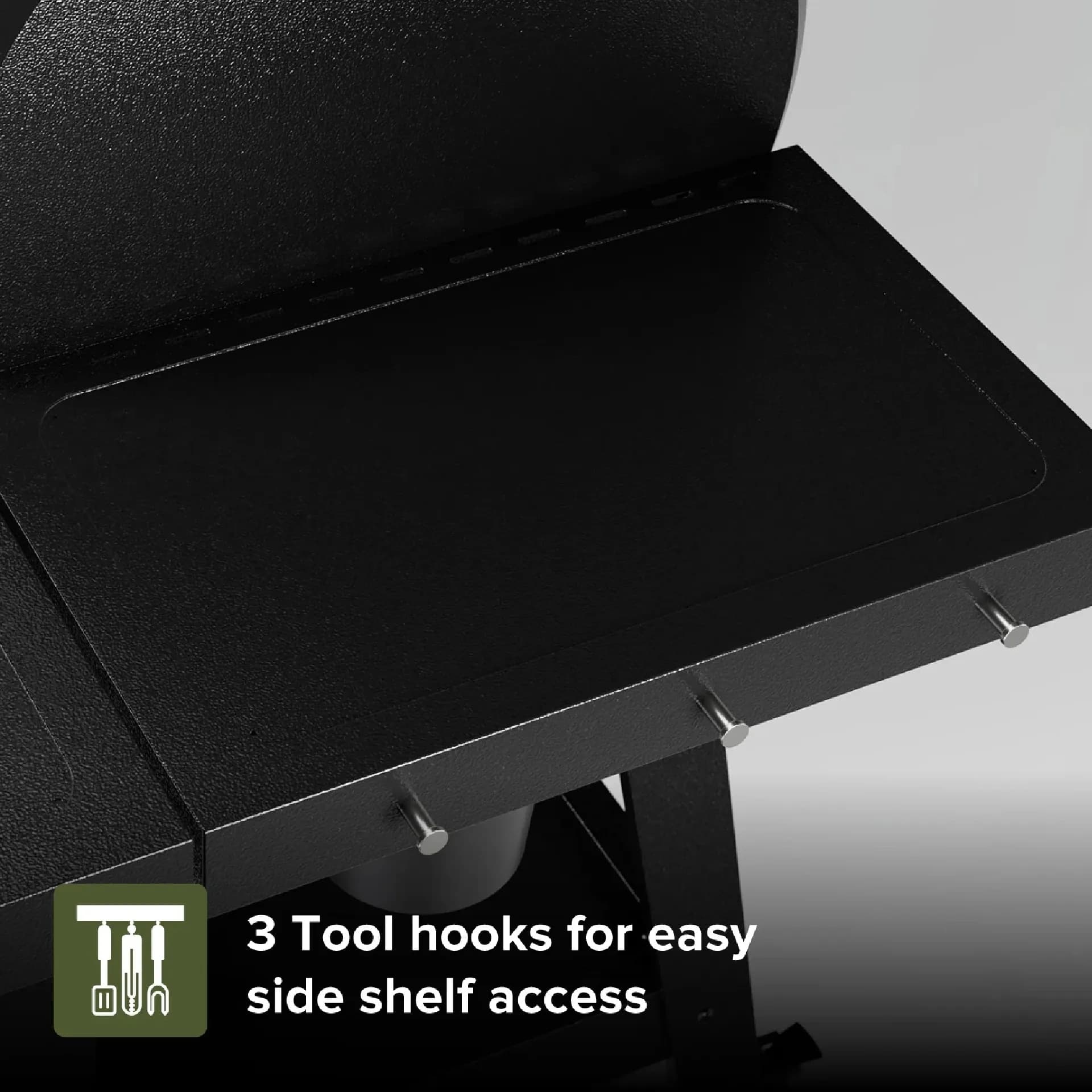
Discover how side shelves and tool hooks enhance your griddle experience.
Here's what sets us apart from the competition
We position ourselves as delivering high-end outdoor cooking features and performance without premium-brand pricing, emphasizing “Quality Grills. Unbelievable Value.”
We offer gas grills, pellet grills, griddles, smokers, pizza ovens, portable/tabletop grills, electric grills, accessories, and replacement parts — allowing customers to stay within one ecosystem for all outdoor cooking needs.
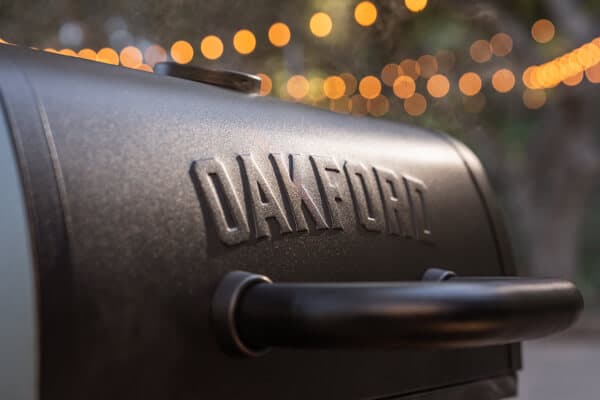
We differentiate ourselves through smart grilling products like the Oakford smart pellet grill, including app-connected cooking controls and modern outdoor cooking technology.
Expert tips, buying guides, comparisons, and inspiration for choosing and getting the most out of your grill.
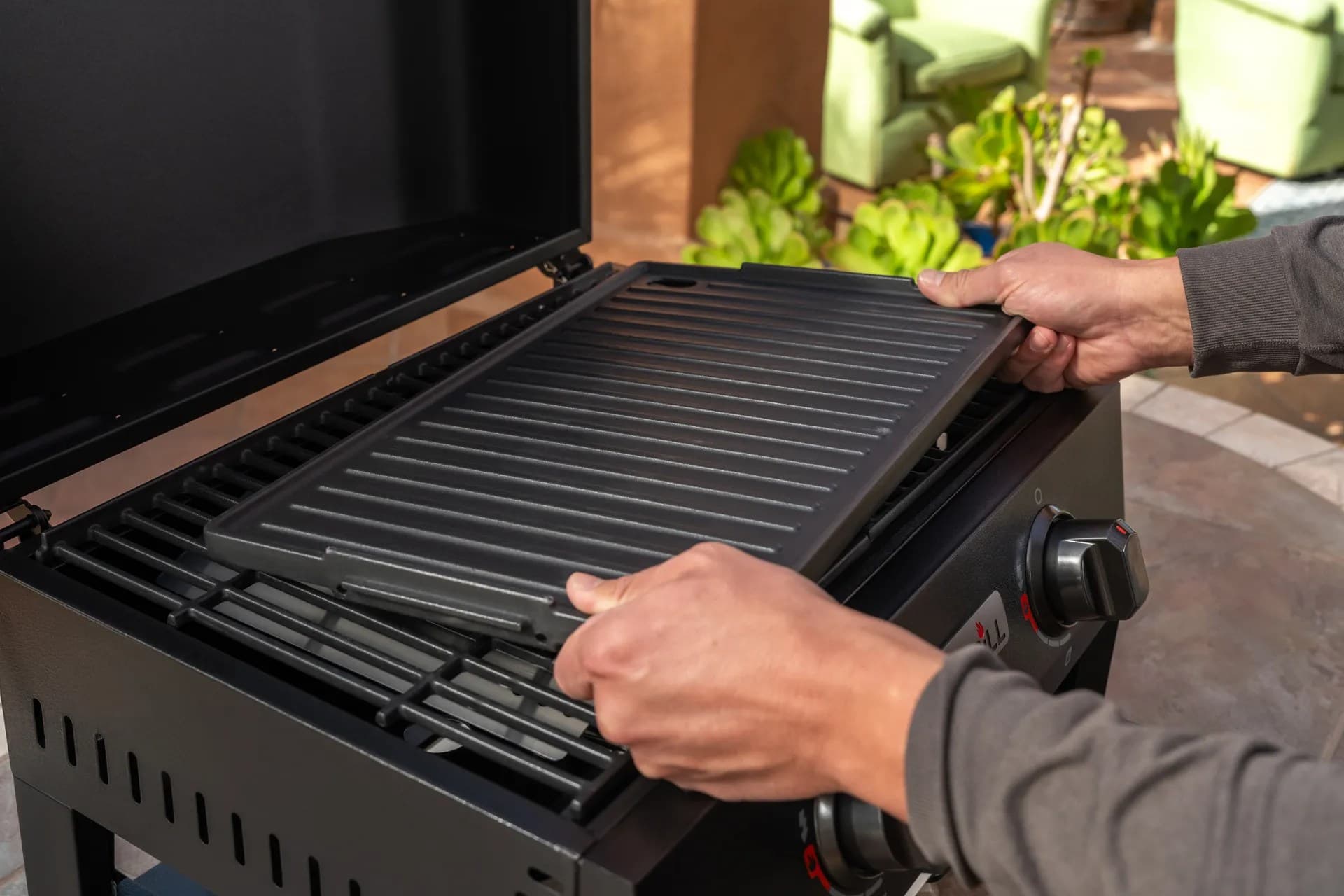
Practical guides for cleaning, maintenance, common grill issues, and performance optimization.
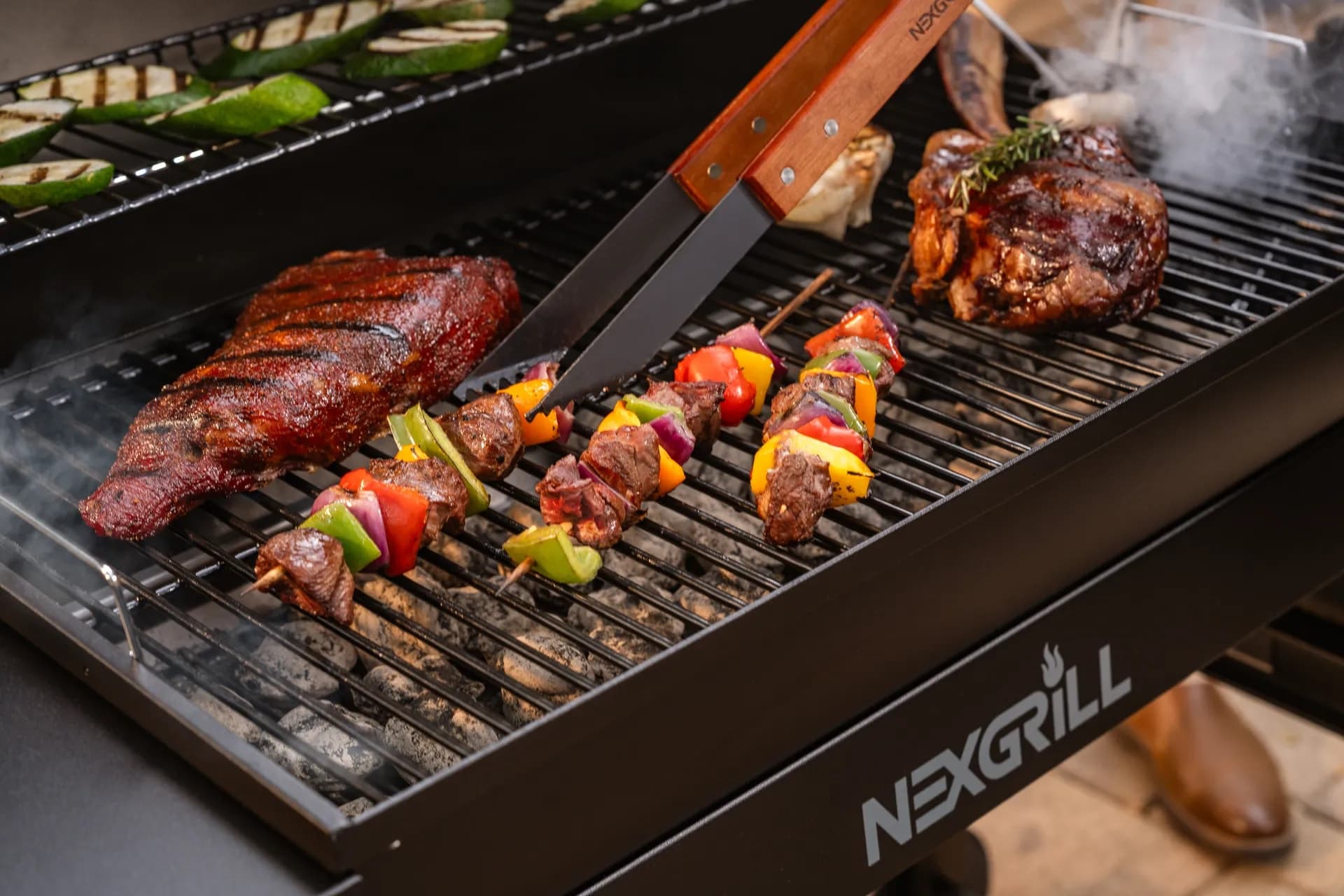
Step-by-step grilling recipes, cooking techniques, and meal ideas for every occasion and skill level.
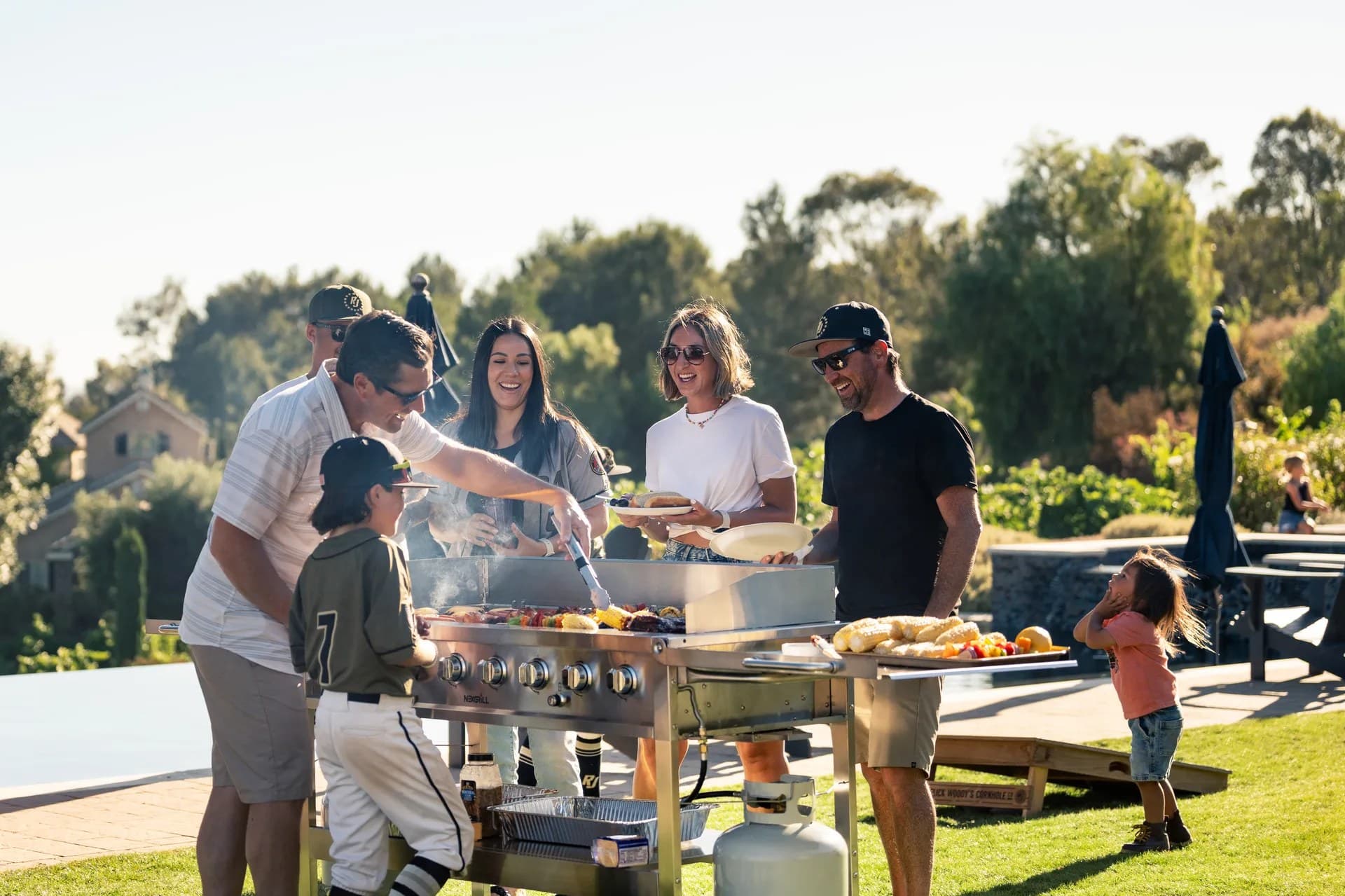
Backyard entertaining ideas, seasonal grilling inspiration, and stories that celebrate outdoor cooking culture.
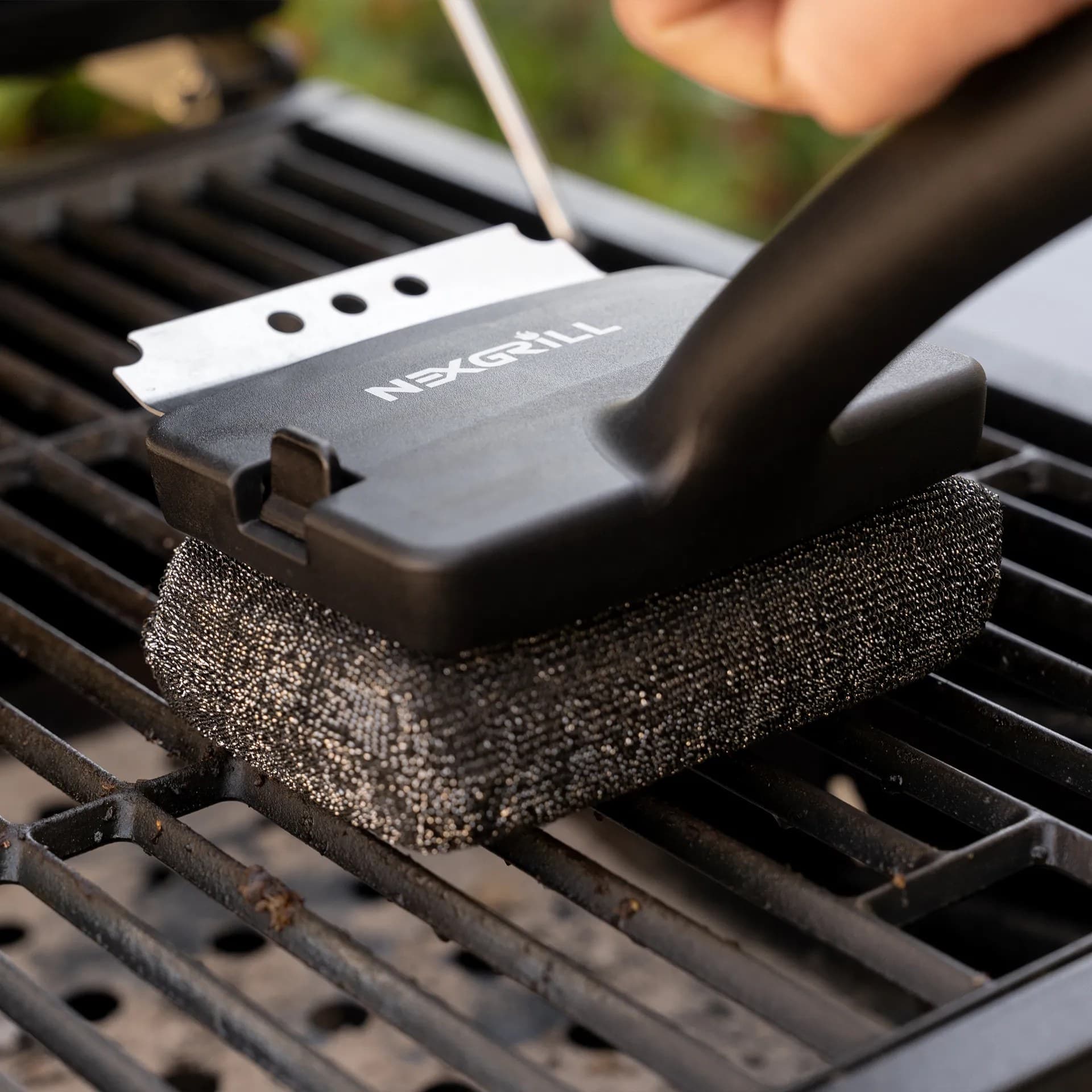
Helpful articles covering grilling tools, cookware, maintenance gear, and must-have accessories for outdoor cooking.
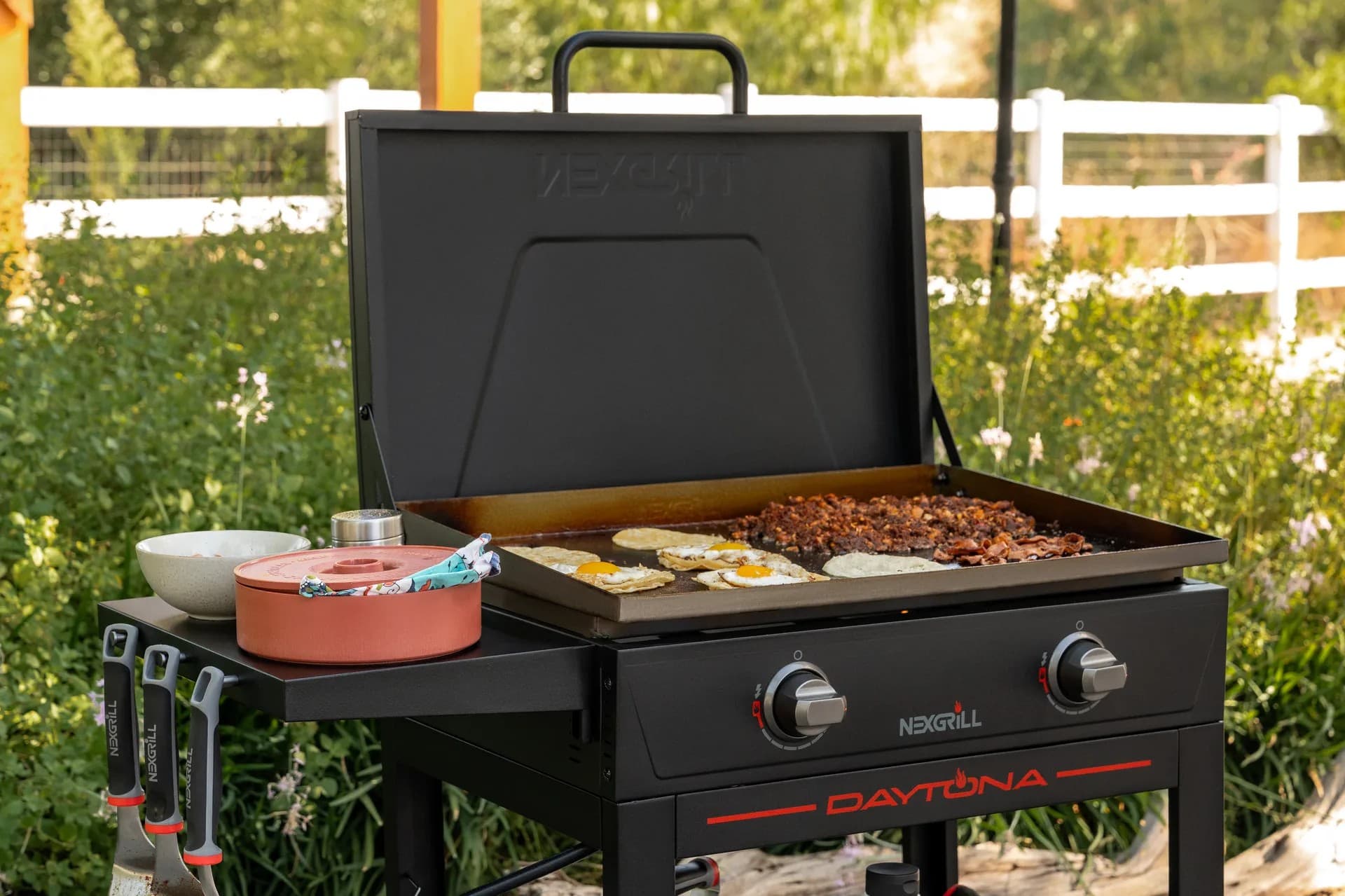
Find griddle recipes, cooking techniques, cleaning tips, and outdoor meal ideas designed for Nexgrill griddles.
Find answers to common questions
Nexgrill griddle dimensions vary by model. Please refer to the specific product page for detailed measurements.
Nexgrill griddles are typically constructed from high-quality stainless steel and other durable materials designed for outdoor cooking.
To clean your Nexgrill griddle, make sure it is cool, then scrape off food residue with a spatula and wash the surface with warm, soapy water. Regular cleaning helps maintain performance and longevity.
Yes, Nexgrill griddles are designed for versatile cooking and are ideal for preparing breakfast foods such as pancakes, eggs, and bacon.
Yes, Nexgrill offers a warranty on their griddles. Warranty terms can vary by model, so please check the product details for specific coverage information.
In This Article
Maximize Cooking Space
Organized Cooking Tools
Versatile Griddle Options
A griddle with side shelves and tool hooks is less about a flashy accessory package and more about how the cooking station actually works during a busy meal. If you have ever tried to flip eggs on one side of the cooktop while balancing seasoning, spatulas, squeeze bottles, and a plate of prepped vegetables on a cramped patio table, you already know why these features matter. Side shelves create a true workspace beside the griddle surface, while tool hooks keep the utensils you use most often visible, organized, and within arm’s reach. Together, they turn a flat-top grill from a cooking surface into a more efficient outdoor station.
For many backyard cooks, the appeal is practical. The extra surface area helps with staging ingredients, holding finished food, and keeping raw and cooked items separated. Tool hooks reduce clutter by giving tongs, spatulas, scrapers, and thermometers a designated home instead of leaving them on a chair, hanging from a propane tank handle, or scattered across the patio. That organization matters whether you are cooking breakfast for family, batch-searing smash burgers, or preparing a mixed meal with vegetables, proteins, and toasted buns all at the same time. Best Griddle Accessories Kit
Blackstone is one of the most commonly searched brands in this category, partly because its griddles are known for practical layouts that often include prep shelves, accessory storage, or hook-style tool management depending on the model. Blackstone’s griddles are presented as outdoor cooking systems built around large flat-top surfaces and user-friendly features rather than just burner count alone, which makes the accessory layout a meaningful part of the buying decision. The brand’s best griddle with side shelves and tool hooks overview emphasizes broad outdoor cooking use cases rather than one narrow style of meal, which is exactly why shelves and hooks can make such a difference in day-to-day use.
If your cooking space feels crowded before the food even hits the griddle, side shelves and tool hooks will usually improve the experience more than a minor BTU increase.
Another reason buyers focus on these features is workflow. A griddle cook moves constantly: seasoning, oiling, flipping, wiping, and plating. Every unnecessary step away from the cooktop slows the rhythm and creates more mess. Side shelves let you arrange your prep line logically, and tool hooks keep the tools you reach for on repeat from disappearing under napkins or getting greasy in a tray. That is especially helpful for cooks who like to run a tight process for breakfast service, taco night, or a weekend crowd. The setup can also be helpful for newer griddle owners because it lowers the friction of cooking outdoors; when the space around the griddle is better organized, the learning curve feels shorter and the cleanup at the end of the cook usually feels less chaotic.
There is also a comfort factor. Side shelves create a place to pause food, rest a cutting board, or keep a seasoning blend ready without crowding the cooking zone. Hooks help preserve the surface of the shelves themselves because utensils are less likely to be dropped, dragged, or stacked in damp piles. In a practical sense, these small design details often matter more than people expect when they are comparing griddles that look similar on paper.
When people search for a griddle with side shelves and tool hooks, they are usually really asking about usability features that make outdoor cooking easier from first ignition to final cleanup. Blackstone griddles are popular because they tend to package several of those conveniences into one unit: a broad flat-top cooking area, accessible prep space, and accessory-friendly layouts that support everyday use. The surface design matters because griddling is less about direct flame aesthetics and more about control, zone cooking, and task organization. On a good setup, you can cook in batches, manage temperature shifts across the surface, and keep your utensils close enough that you never have to leave the griddle unattended for long.
The exact feature mix varies by model, but the core appeal is consistent. Buyers often look for folding or fixed side shelves, integrated hooks, shelves that can support condiments and tools, and cart designs that fit into a patio footprint without feeling flimsy. Some models are designed for compact decks and easy storage, while others are meant to serve as a more permanent outdoor cooking station. In Blackstone’s own product overview, the griddle category is positioned around versatile flat-top cooking, which is the right frame for understanding why accessory placement matters so much.
Side shelves can replace the need for a separate prep table next to the griddle.
A helpful way to evaluate these griddles is to think in layers. First is cooking capacity: how much food can you actually prepare on the surface. Second is support space: can you stage ingredients, place a plate, and keep sauces nearby. Third is tool access: can you keep the scraper, spatula, and turner ready without cluttering the cooking zone. A model with all three layers covered tends to feel more polished in daily use than a bare-bones unit with the same number of burners. That is why side shelves and hooks deserve attention during comparison shopping instead of being treated as optional extras.
Another useful detail is how the shelves interact with the cooking style. If you cook breakfast, you may want one shelf dedicated to butter, batter, and serving plates. If you cook dinner outdoors, the shelf might hold seasoning bowls and a resting tray for finished steaks. Tool hooks matter just as much because the right tools for griddling are often used repeatedly in short bursts. A spatula may be lifted ten times in two minutes, and if it has a predictable hook location, your cooking flow becomes faster and less stressful. For families or hosts who cook several menu items at once, that predictability is a real advantage.
The best Blackstone-style griddles in this category also tend to support practical storage and mobility. Foldable shelves are especially helpful for smaller patios or garages because they reduce the footprint when the grill is parked. Fixed shelves can feel sturdier and more convenient for heavier prep. The right choice depends less on trend and more on how you actually use outdoor space.
Side shelves and tool hooks improve the griddle experience in ways that are easy to overlook until you cook without them. The most obvious benefit is organization, but the deeper value is efficiency. A griddle cook works best when ingredients, tools, and finished food each have a logical place. Side shelves create that structure. They help separate prep from cooking, which reduces the chance of cross-contamination and makes it easier to stay calm when several items are moving at once. For example, you can keep raw burger patties staged on one side shelf while the opposite shelf holds finished buns, condiments, and serving plates.
Tool hooks add a second layer of efficiency by turning the griddle cart into a mini workstation. Instead of laying utensils flat on a shelf where they can slide, pick up grease, or get mixed up, hooks keep each tool identified and easy to grab. That is particularly useful for spatulas, scraping tools, tongs, and grease-management accessories. If you cook often, the time saved may seem small on each meal, but over a summer of repeated cooks it adds up to a smoother routine. It also reduces the mental load of trying to remember where you set something down mid-cook.
A well-placed tool hook can be just as valuable as a larger shelf because it keeps your most-used utensil off the cooking surface and out of the way.
These features also make the griddle more social. Outdoor cooking often happens with people gathered nearby, and side shelves help you serve in a way that feels more welcoming. Plates can wait there, sauces can be passed there, and food can rest briefly there before serving. That fits the broader Nexgrill brand spirit of gathering people around food and making the experience approachable for both casual cooks and more advanced hosts. Nexgrill’s brand voice emphasizes inclusivity and shared outdoor meals, which is a useful reminder that a better cooking setup is often one that supports conversation and togetherness, not just technical performance.
There is also a safety advantage. When tools are stored in a consistent spot and prep items stay off the ground, there is less chance of accidental bumps, dropped utensils, or stepping around a cluttered workspace. This matters on busy cook days when kids, guests, and pets may be moving through the patio. A tidy setup is not only more pleasant; it is easier to manage.
Finally, these accessories support better cooking habits. If everything has a home, you are more likely to clean as you go, keep the surface clear, and preserve good temperature control. That can improve results because you are not constantly fighting disorganization in the middle of the cook.
Blackstone buyers usually compare griddles by surface size, number of burners, shelf design, and how portable the cart feels in real life. Since the exact accessory package can vary by model year and retail configuration, the smartest comparison is to focus on how the design supports your cooking routine rather than only on headline specs. A compact two-burner unit with a folding shelf may be better for a small patio cook who values storage flexibility, while a larger four-burner model with more workspace may suit someone who regularly cooks for a crowd. Blackstone’s griddle lineup is built around this kind of practical variety, which is why the accessory arrangement should be part of the decision, not an afterthought.
| Model Type | Best Use | Shelf and Hook Value | What to Watch For |
|---|---|---|---|
| Compact 2-burner griddle | Weeknight meals, smaller patios, easy storage | Great when folding shelves help create prep space without a large footprint | May need a separate side table if you cook elaborate meals |
| Mid-size 3-burner griddle | Family breakfasts, mixed meals, regular use | Often the best balance of workspace, tool access, and footprint | Check whether hooks are integrated or require accessory add-ons |
| Large 4-burner griddle | Entertaining, batch cooking, event-style meals | Best for cooks who need multiple prep zones and constant tool access | Needs more patio space and may be less convenient to move |
| Cabinet-style cart model | Dedicated outdoor kitchen setups | Useful for a cleaner look and more built-in organization | Assembly and footprint are usually more demanding |
One practical comparison point is shelf behavior under load. Some shelves are ideal for light prep items such as seasoning jars, squeeze bottles, and paper towels. Others feel sturdier and can hold heavier cutting boards or serving trays. If you routinely cook with several bowls and platters, that distinction matters. Likewise, tool hooks vary in accessibility. Hooks placed too low can be awkward when the griddle is hot, while hooks mounted where your dominant hand naturally reaches are more useful during active cooking. A well-designed model reduces motion, keeps the workflow tidy, and lets the cook focus on food rather than the station.
For buyers comparing similar Blackstone models, the right question is not simply “which one is bigger,” but “which one helps me cook the way I actually cook.” A smaller unit with smart shelf design can outperform a larger, less organized setup in everyday satisfaction. That is especially true for households that value fast setup, easy cleanup, and minimal clutter.
Try comparing two products side by side below to see which fits best:
Once you've weighed two options against each other, the next question is how well the griddle will set up and hold up over time. Side shelves and tool hooks are usually simple features, but a poor installation can make them feel wobbly, misaligned, or inconvenient from the first cook. The first rule is to inspect every fastener and bracket before assembly. Make sure the shelf arms, hook mounts, and support points line up cleanly before tightening anything fully. That keeps the shelf from binding and helps the cart sit level. If the shelf folds, test the motion several times before placing any weight on it so you can see whether the hinge path is smooth and unobstructed.
A second useful tip is to assemble the griddle on a flat surface and leave enough room to open shelves completely. This matters because many buyers discover clearance issues only after the unit is already positioned against a wall or railing. Once in place, check that the hooks do not interfere with burners, grease trays, or cabinet doors. If the hooks come as part of the griddle frame, confirm that they are intended for the weight of the tools you plan to hang. Hooks are best used for utensils and accessories, not heavy pans or bulky cookware that can stress the mounting points.
Do not force a shelf that does not sit flush. If the fit feels off during assembly, back up, realign, and retighten rather than overtightening one side.
Maintenance is straightforward but should be consistent. Wipe side shelves after every cook, especially if you use oil, marinades, or sugary sauces that can leave sticky residue. Tool hooks should be checked for grease buildup, because a coated hook is harder to use and may transfer residue back onto clean utensils. If the griddle is stored outdoors, use a cover that protects not only the cooktop but also the shelves and hanging points. That helps reduce rust spots, surface dulling, and weather wear. For folding shelves, periodically check hinge tension and hardware tightness so the movement stays stable over time.
It is also smart to develop a cleaning pattern. Let the shelves cool, remove loose debris, wipe them with a mild soap solution if needed, and dry them fully before folding them back in. The goal is to prevent moisture from sitting in joints and around hardware. If you live in a humid or coastal U.S. climate, that habit becomes even more important because exposed metal parts age faster when salt and moisture are present. Careful storage and regular wipe-downs will usually do more for longevity than aggressive scrubbing ever will.
User feedback is especially useful for griddles with shelves and hooks because the real story is not just whether the unit cooks well, but whether the workstation feels practical after several weeks of use. Reviewers often praise setups that make prep easier, reduce trips back into the kitchen, and keep cooking tools organized. In broader Blackstone discussions, users frequently describe the griddle format as a strong fit for outdoor breakfasts, family-style meals, and large-batch cooking, with the added convenience of side shelves making the process feel more controlled. Third-party writeups also tend to focus on how the layout affects daily ease of use, not only the final food results. The Kitchn’s Blackstone coverage, for example, reflects the appeal of a griddle system that supports approachable outdoor cooking rather than a purely hobbyist setup.
In recommendation terms, the best choice usually depends on cooking style. If you are new to griddling and want a station that feels less chaotic, choose a model with clear shelf space and easy-to-reach hooks. If you are a frequent host, prioritize a larger cooking surface and sturdier prep shelves that can handle multiple bowls, trays, and condiments at once. If you are short on patio space, a folding shelf design can be the most valuable feature because it preserves storage flexibility without forcing you to give up the workflow benefits of a side table. Many experienced users also recommend keeping the hooks reserved for your highest-frequency tools so the system stays intuitive instead of becoming another place to misplace accessories.
The strongest pattern in user feedback is simple: when the shelf layout matches the way you cook, the griddle feels easier to use every single time.
That point is worth emphasizing because it explains why some buyers are delighted by a mid-size griddle while others prefer a larger one. The experience is not only about capacity. It is about whether the side shelves stay useful during real meals and whether the hooks keep the workflow organized. Reviews that mention less hassle, faster prep, and cleaner transitions from cooking to serving are usually the most telling.
From a practical standpoint, the best recommendation is to choose the model that supports your most common meal, not your rarest one. If you make breakfast for a crowd once a month but cook for four people every weekend, prioritize the layout that serves the weekend routine. If you regularly need extra staging area because your outdoor kitchen is minimal, a griddle with sturdy side shelves and well-placed hooks will feel more valuable than a model with a few extra inches of surface but poor organization.
A griddle with side shelves and tool hooks is a smart choice when you want outdoor cooking to feel smoother, tidier, and more efficient. The shelves give you the room to prep, plate, and stage food, while the hooks keep tools where you need them most. If you compare Blackstone models by how they support your actual cooking workflow, you will make a better purchase and get more enjoyment from every meal.
Here's what sets us apart
We position ourselves as delivering high-end outdoor cooking features and performance without premium-brand pricing, emphasizing “Quality Grills. Unbelievable Value.”
We offer gas grills, pellet grills, griddles, smokers, pizza ovens, portable/tabletop grills, electric grills, accessories, and replacement parts — allowing customers to stay within one ecosystem for all outdoor cooking needs.
We differentiate ourselves through smart grilling products like the Oakford smart pellet grill, including app-connected cooking controls and modern outdoor cooking technology.
Don't just take our word for it
Keep reading
From our catalog