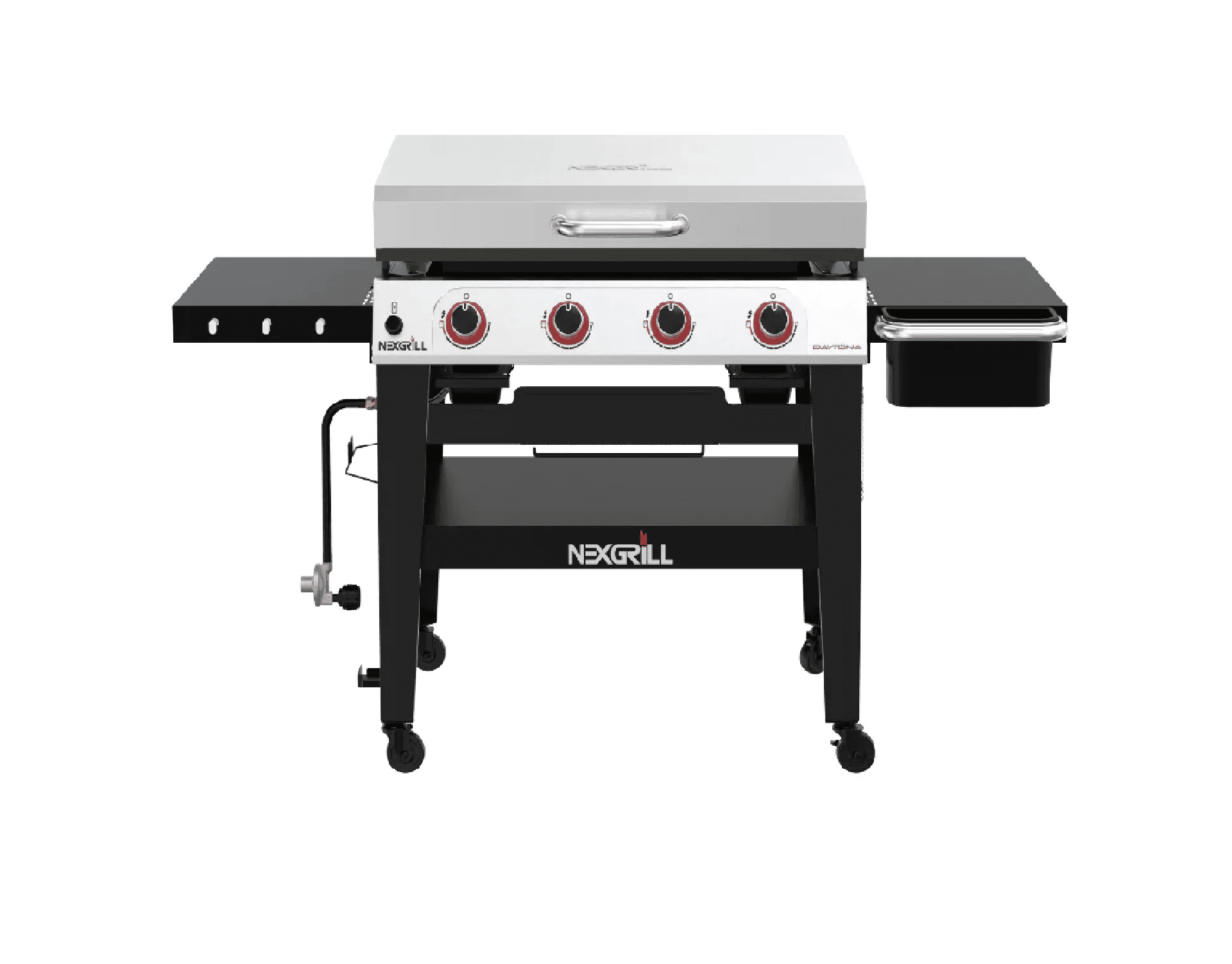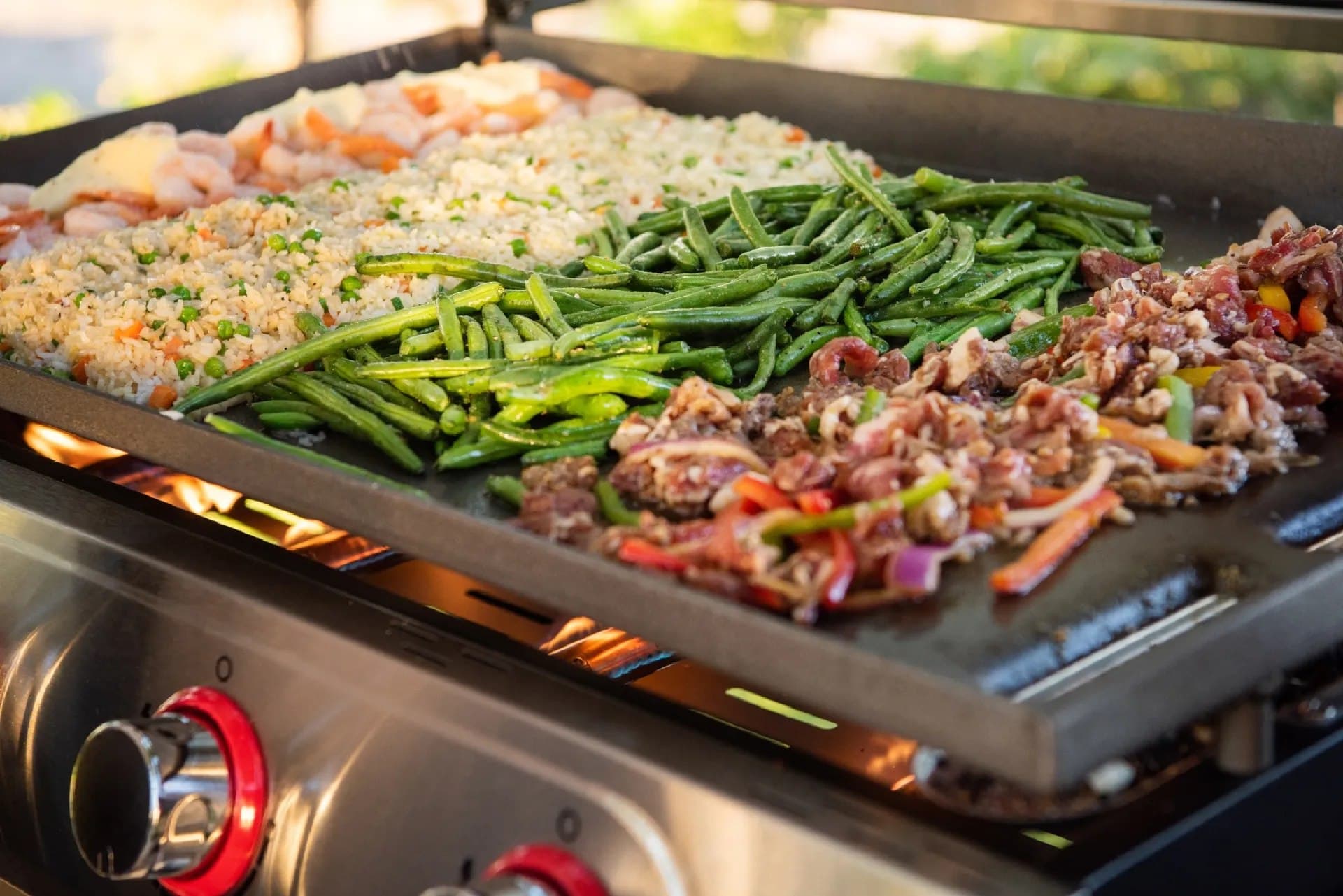
Maximize your cooking experience with essential griddle accessories.
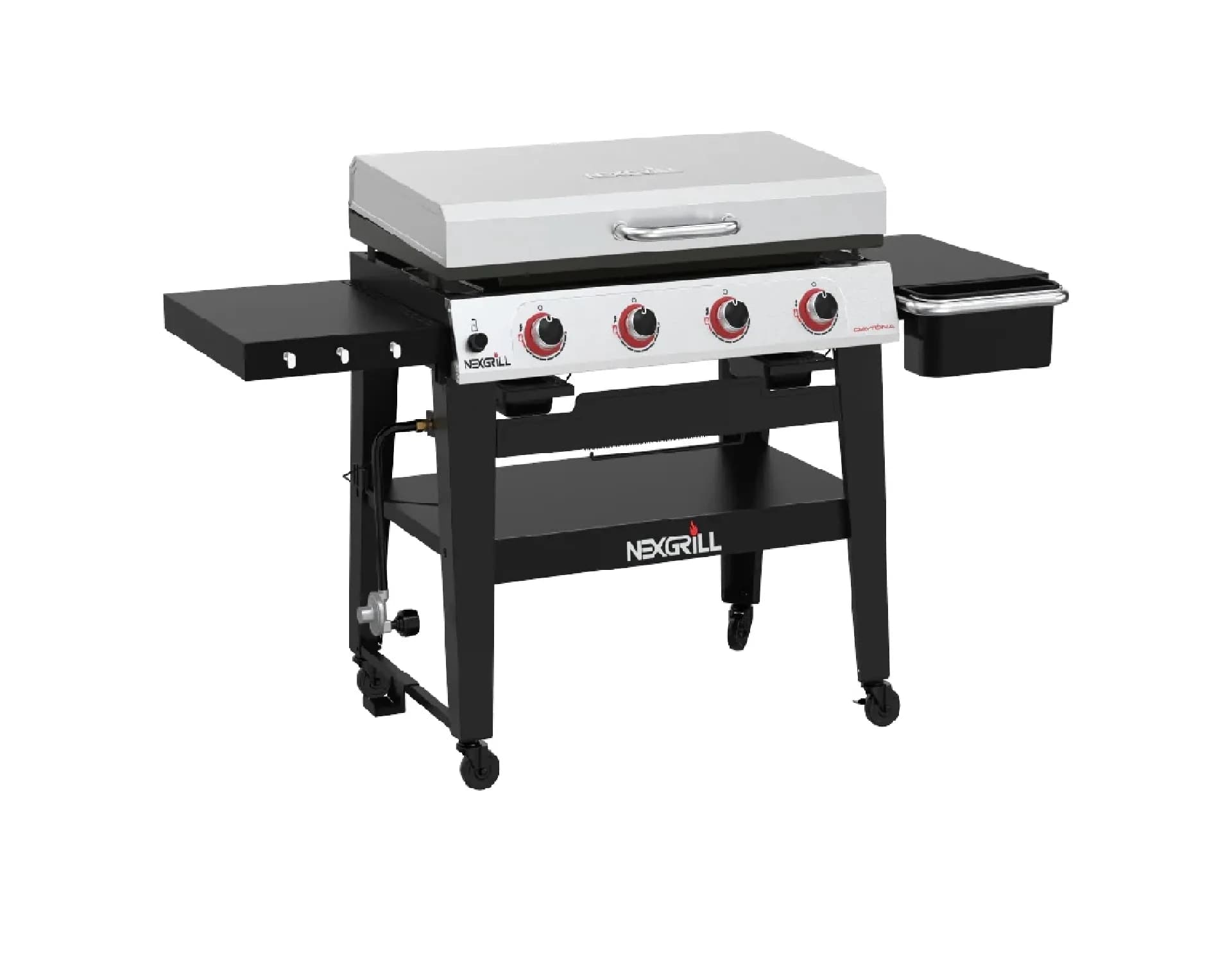
Here's what sets us apart from the competition
We position ourselves as delivering high-end outdoor cooking features and performance without premium-brand pricing, emphasizing “Quality Grills. Unbelievable Value.”
We offer gas grills, pellet grills, griddles, smokers, pizza ovens, portable/tabletop grills, electric grills, accessories, and replacement parts — allowing customers to stay within one ecosystem for all outdoor cooking needs.
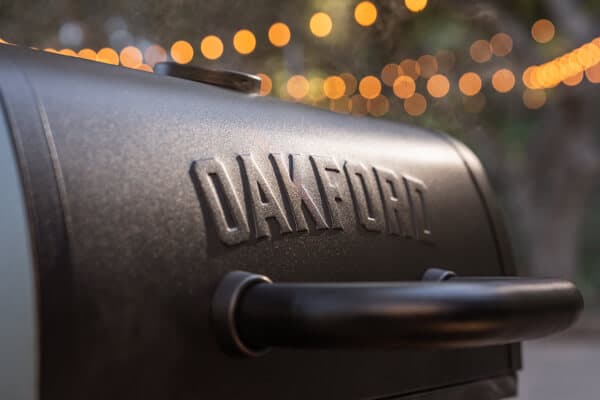
We differentiate ourselves through smart grilling products like the Oakford smart pellet grill, including app-connected cooking controls and modern outdoor cooking technology.
Expert tips, buying guides, comparisons, and inspiration for choosing and getting the most out of your grill.
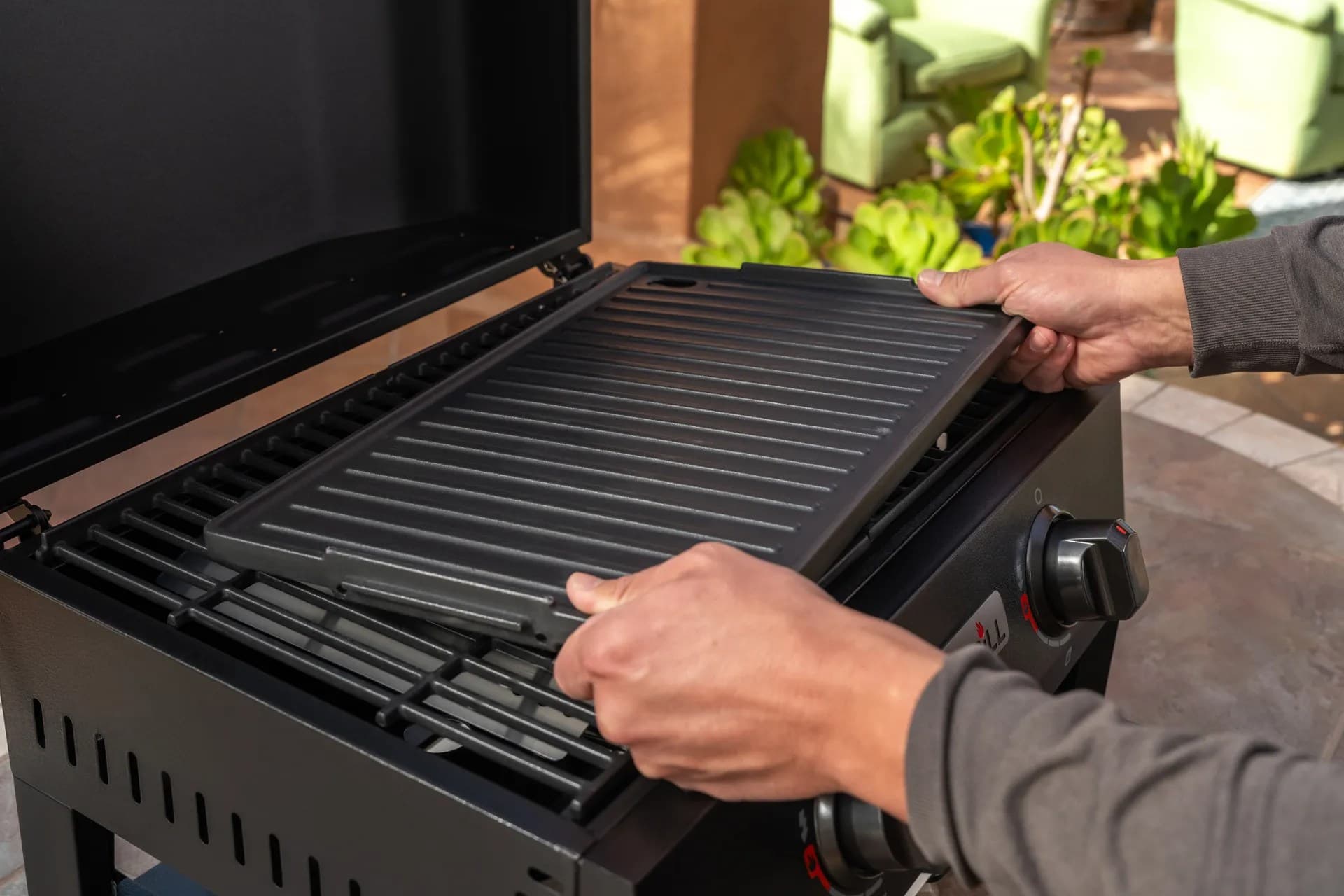
Practical guides for cleaning, maintenance, common grill issues, and performance optimization.
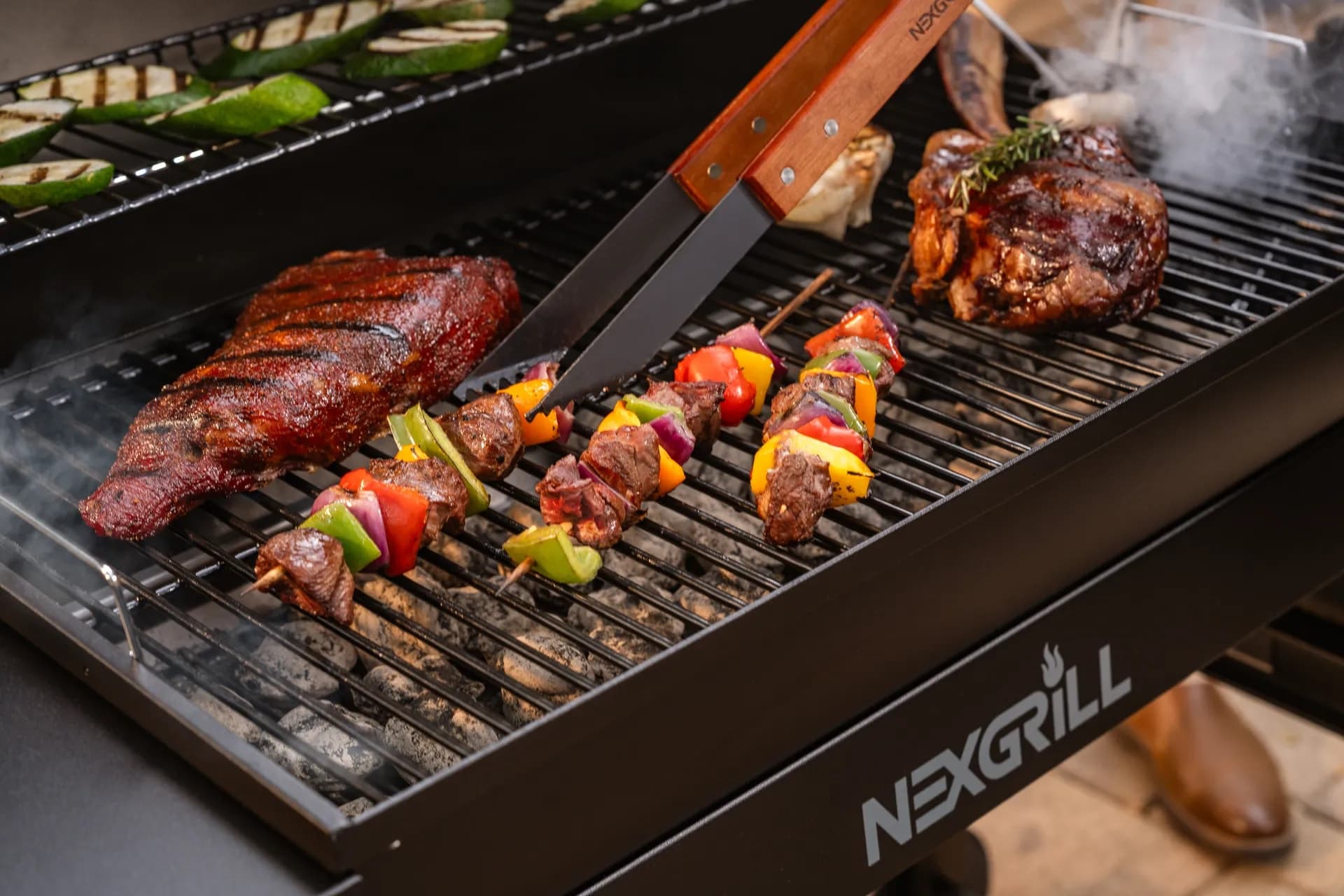
Step-by-step grilling recipes, cooking techniques, and meal ideas for every occasion and skill level.

Backyard entertaining ideas, seasonal grilling inspiration, and stories that celebrate outdoor cooking culture.
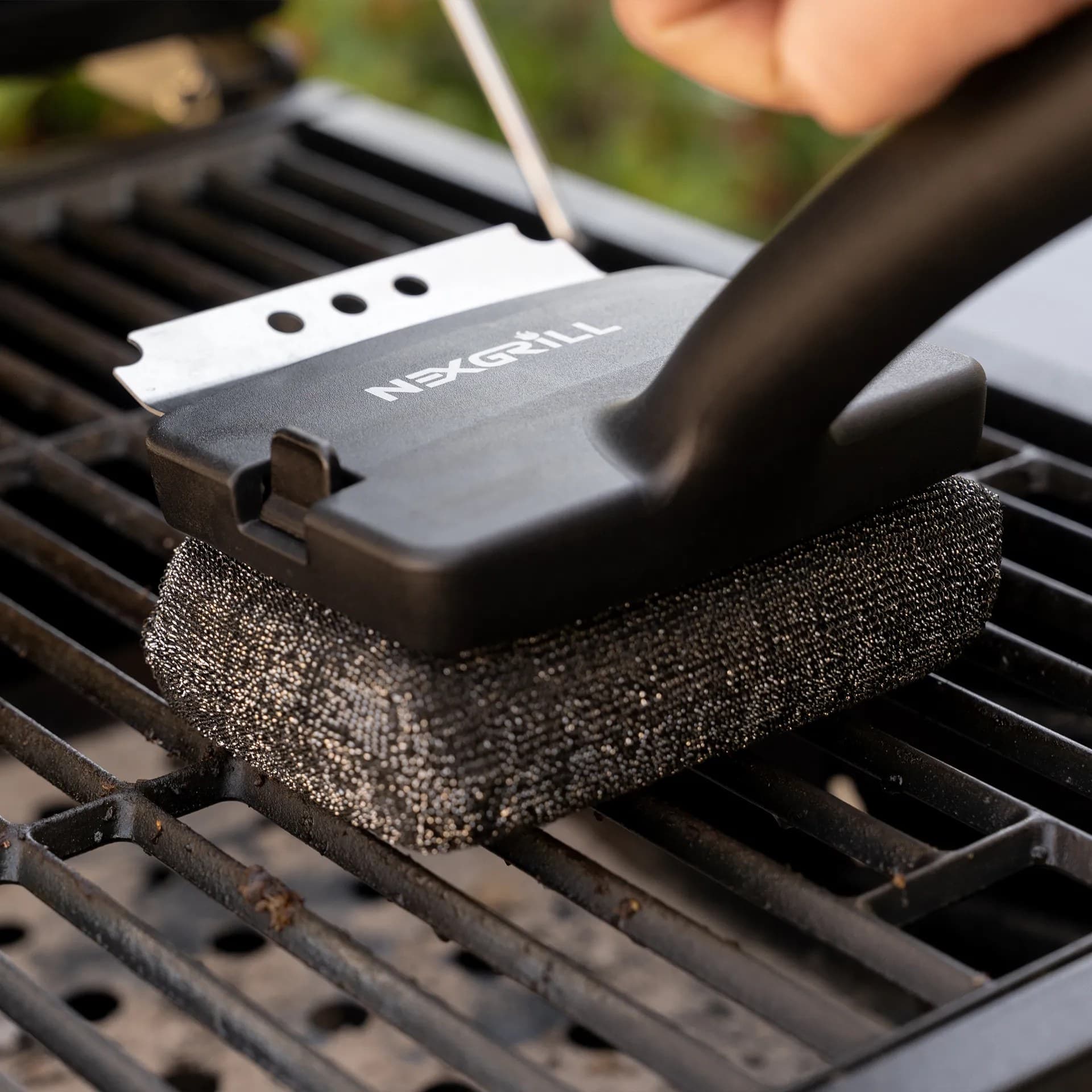
Helpful articles covering grilling tools, cookware, maintenance gear, and must-have accessories for outdoor cooking.
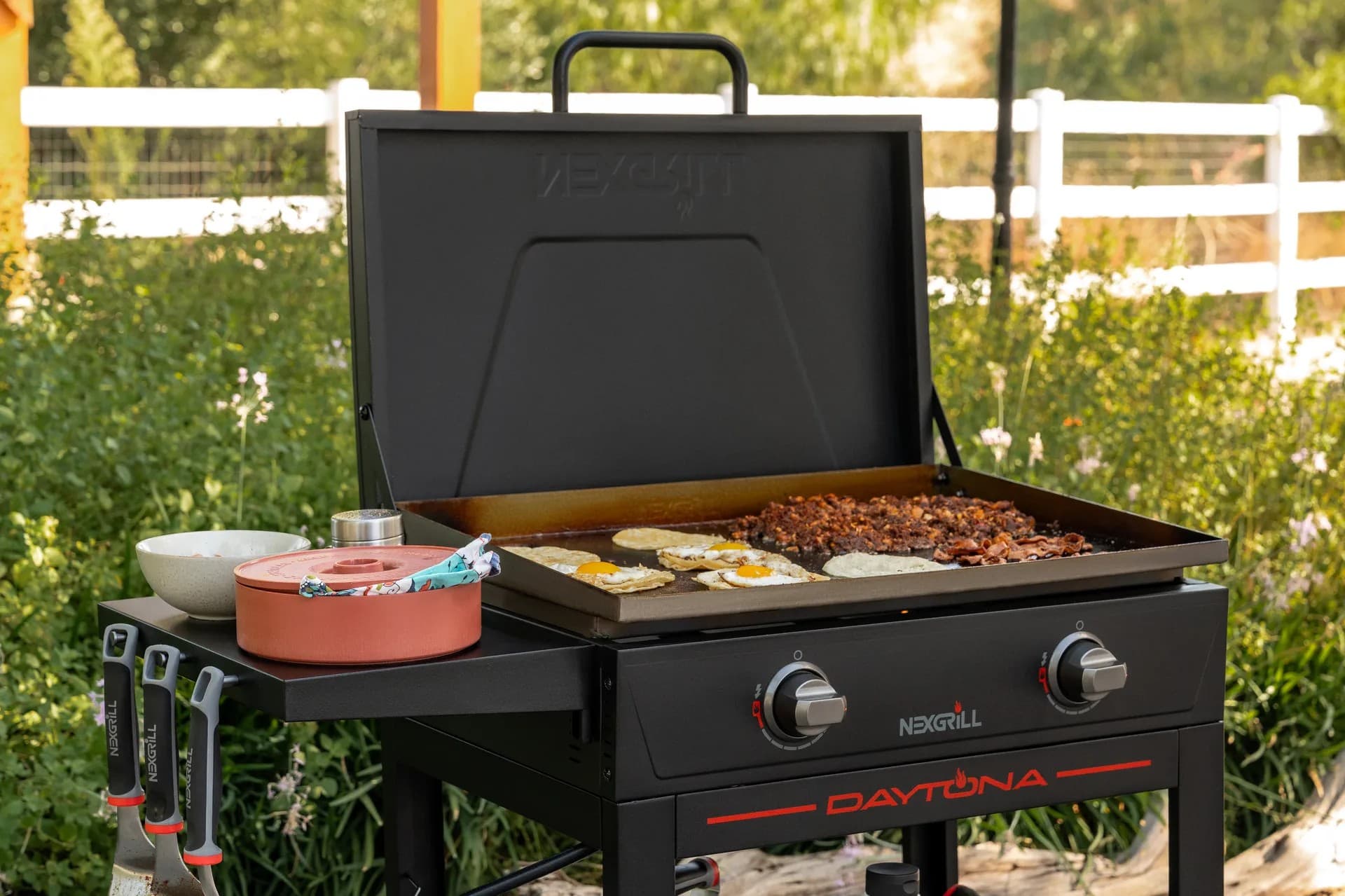
Find griddle recipes, cooking techniques, cleaning tips, and outdoor meal ideas designed for Nexgrill griddles.
Find answers to common questions
Nexgrill griddle dimensions vary by model. Please refer to the specific product page for detailed measurements.
Nexgrill griddles are typically constructed from high-quality stainless steel and other durable materials designed for outdoor cooking.
To clean your Nexgrill griddle, make sure it is cool, then scrape off food residue with a spatula and wash the surface with warm, soapy water. Regular cleaning helps maintain performance and longevity.
Yes, Nexgrill griddles are designed for versatile cooking and are ideal for preparing breakfast foods such as pancakes, eggs, and bacon.
Yes, Nexgrill offers a warranty on their griddles. Warranty terms can vary by model, so please check the product details for specific coverage information.
In This Article
Must-Have Accessories
Comparative Insights
User Experiences
A griddle accessories kit is less about collecting gadgets and more about reducing friction at the cooking surface. If you cook breakfast on a flat top, smash burgers for a crowd, hibachi-style rice at home, or weeknight chicken and vegetables in batches, the right kit changes how quickly you can move, flip, clean, and reset the cooktop. The best kits are built around workflow: one tool handles high-heat scraping, another manages delicate turning, another helps portion sauces or oils, and a scraper or caddy keeps the station organized between rounds. That matters because griddle cooking is usually fast, hot, and social. You are often cooking in front of guests, not hidden in a kitchen, so your tools need to be practical, easy to grab, and durable enough to survive repeated use.
Nexgrill’s brand philosophy centers on making outdoor cooking approachable and shared, and that shows up clearly in how griddle accessories should be selected and used. A good kit should feel welcoming to beginners while still supporting experienced cooks who want better control over food movement, grease management, and cleaning. In real-world terms, that might mean a first-time griddle owner choosing a compact set with a long spatula, a scraper, and squeeze bottles, while a more advanced cook prefers a broader kit with a press, egg rings, a chopper, and storage pouch. The right choice depends less on the number of pieces and more on whether those pieces solve the problems you actually have on your griddle.
Tip: If you only grill occasionally, start with tools that improve control and cleanup first. Fancy extras are useful later, but a strong spatula and scraper do most of the daily work.
This guide focuses on how griddle accessories function in practice, how different kits compare, and where materials matter. Stainless steel tools are valued for rigidity and heat resistance, while silicone accents and grips can add comfort or protect handles from becoming too hot. Some kits lean toward compact simplicity, while others are built as full station setups with 20, 30, or even 35 pieces. Instead of assuming more is better, it helps to look at what each accessory does during a cook. That gives you a much clearer way to match a kit to your cooking style, your family size, and the type of meals you make most often.
core tool types usually do most of the real work: flipping, scraping, and dispensing.
Most griddle cooks eventually rely on a small set of tools again and again. A wide spatula helps lift burgers or chopped vegetables without tearing them. A turner with a thin edge is useful for eggs, fish, and pancakes because it slides underneath food cleanly. A heavy-duty scraper matters for stuck-on residue and for gathering chopped ingredients into a neat pile before serving. Squeeze bottles are not just for sauces; they are also one of the best ways to control oil distribution across a hot surface. A press is helpful when you want even contact for burgers or bacon, while a dome can trap steam and help melt cheese or cook thicker items more evenly. Tongs also earn a place in many kits, especially when you are working with sausage links, asparagus, or anything that needs to be nudged rather than fully flipped.
For beginners, the most useful accessories are usually the ones that make temperature and movement easier to manage. A sturdy spatula and scraper help you stay in control when food starts to cling or spread. Two squeeze bottles can be enough for oil and water, which is a simple but highly effective combination for seasoning the cooktop and controlling flare-ups or steam. For cooks who like breakfast service, egg rings can help with round eggs and pancakes, while a dome speeds up cheese melts and steam-assisted finishing. More specialized accessories, such as a burger press or chopper, tend to matter more once you know the foods you cook repeatedly. That is why many kits range from basic 10-piece sets to large 35-piece collections: they are trying to serve very different levels of need.
| Accessory | Best Use | Why It Matters |
|---|---|---|
| Wide spatula | Burgers, chopped vegetables, stir-fry | Gives support for larger portions and faster turning |
| Scraper | Cleaning and food management | Helps remove residue and gather food safely |
| Squeeze bottle | Oil, sauce, water | Improves portion control and reduces mess |
| Press | Smash burgers, bacon | Improves surface contact and browning |
| Dome | Melting cheese, steaming vegetables | Helps trap heat and moisture where needed |
When comparing materials, stainless steel is usually the backbone of a serious griddle kit because it holds shape under heat and gives you the stiffness needed to slide under food. Silicone is more often used for grips, bottle tips, or secondary parts that need flexibility. Wood handles can be comfortable and cool to the touch, but they require a little more care and do not always clean as quickly as molded handles. The best kits combine materials thoughtfully instead of using one material everywhere. A rigid metal spatula with a heat-resistant grip is often more useful than an all-silicone tool that flexes too much under weight.
The easiest way to compare a griddle accessories kit is to ask what problem it solves. A 10-piece kit often focuses on the essentials: flipping, scraping, seasoning, and serving. These smaller sets are usually easier to store and quicker to learn. They are a strong fit for someone who wants to cook burgers, eggs, and vegetables without cluttering a patio drawer with pieces that will rarely get used. A 20-piece kit usually starts adding convenience items such as egg rings, a press, extra bottles, a cleaning brush, or hooks. That can be a smart middle ground for families who cook on weekends and want a more complete setup without going overboard.
A larger 35-piece kit is best understood as a station-in-a-box. It may include multiple spatulas, scrapers, bottles, tongs, press tools, a chopper, storage bags, and specialty pieces that help with breakfast service or high-volume cooking. This kind of bundle makes sense for frequent entertainers, outdoor cooking hobbyists, or households that treat the griddle as a primary cooking appliance rather than an occasional accessory. The trade-off is simple: you gain versatility, but you also gain more pieces to clean, organize, and replace over time. If you only use half the kit, the extra value is mostly theoretical. If you cook for groups often, the redundancy can actually be helpful because multiple cooks can work at once.
Warning: The largest kit is not always the best buy. If the handle shape feels awkward or the scraper is too flimsy, extra pieces will not make the set better in real use.
Brand differences also matter. Blackstone kits are commonly associated with griddle-centric tool assortments and accessories designed around flat-top cooking workflows. Mibote and Grillers Choice style kits often compete on variety and portability, sometimes bundling a broader accessory mix in one purchase. The right choice comes down to how you cook and how you store your gear. If you like compact organization, look for a kit with a carrying case or hanging loops. If your cooking style is more hibachi-inspired, prioritize strong spatulas, a scraper, a chopper, and sauce bottles. If you mostly make breakfast and sandwiches, a press, dome, and egg-focused tools may bring more value than a long list of specialty items.
One practical way to compare kits is to think in terms of frequency of use. If you will use a tool every cook, it should be comfortable, durable, and easy to clean. If you will use it once a month, it should at least be inexpensive enough that it does not distort the overall value of the set. That simple rule cuts through a lot of marketing noise. It also helps explain why a smaller kit with excellent core tools can outperform a larger kit packed with low-utility extras.
The most important technique for griddle tools is timing. A spatula works best when you let food form a crust before lifting it. If you try to flip too early, food can tear and stick, especially with burgers or chopped vegetables that need time to sear. A scraper should be used both during and after the cook: during the cook to pull food into a working pile, and after the cook to remove residue while the surface is still warm. Squeeze bottles should be used with restraint, because excessive oil can create a greasy cooktop and make it harder to brown food evenly. For the cleanest results, dispense only what you need and spread it with the back of a spatula when possible.
If your kit includes a press, use it for intentional browning rather than constant smashing. Pressing all the time can flatten juices from foods that need tenderness. That said, smash burgers are one place where a press or heavy spatula can be invaluable, because strong surface contact is the point. A dome is especially useful when finishing thicker items; it acts like a small heat chamber and can help melt cheese or warm toppings without drying the food below. For sauces, one bottle can be dedicated to oil and another to finishing sauce or water for steaming. Keeping those roles separate prevents flavor crossover and gives you more control when the cook gets busy.
Tip: Pre-label your squeeze bottles if you use more than one liquid. It saves time, avoids mix-ups, and keeps the cook moving smoothly.
Storage is part of usage, too. A kit that comes with a case or hanging system is easier to keep clean because every item has a place. If you do not have a case, separate hot-from-clean tools so you do not put a greasy scraper next to a fresh finishing spatula. For safety, keep long-handled tools oriented away from the edge of the griddle so guests or children do not bump them. And because griddle sessions often involve heat, steam, and grease, choose tools with grips that feel secure even if your hands are slightly damp. That detail sounds small, but it becomes noticeable after the third or fourth round of flipping and cleaning.
Try comparing two products side by side below to see which fits best:
Once you have compared two accessory kits side by side, the next question is how they behave for real people in real backyards. User feedback is valuable because it reveals how a kit feels after several cookouts, not just how it looks in a product photo. In reviews, griddle owners often praise kits that keep the workflow simple: a spatula with enough stiffness to handle smash burgers, a scraper that clears residue without wobble, and bottles that do not drip after repeated filling. One common theme is that buyers are happiest when the kit matches their habits. A compact household usually appreciates not being overwhelmed by twenty extra pieces, while a family that cooks breakfast on weekends may be glad they chose a larger bundle with dome and egg tools.
Testimonials also reveal what frustrates users. Some customers mention that a kit can look complete but still fall short if the handles get too hot, the scraper edge is too soft, or the tongs are better suited for a kitchen pan than an outdoor griddle. That kind of feedback matters because griddle work is different from standard stovetop cooking. It involves more open heat, more movement across a wide surface, and more cleanup during the cook. In practice, reviewers tend to reward tools that feel confidence-building. They want accessories that work the first time, do not flex unnecessarily, and make cleanup feel like part of the cooking rhythm rather than a separate chore.
A common satisfaction range for kits that combine durable core tools with practical storage.
You also see a difference between people who buy a kit for the first time and experienced cooks upgrading from pieced-together tools. New owners often value convenience and completeness. Experienced users care more about tool balance, blade thickness, and whether the bottle tips give fine control for oil and water. That is why user-generated content is so useful: it shows which details matter after the excitement wears off. A set that wins praise for being tidy, sturdy, and easy to wash is usually better than one that simply includes the most items.
Good care starts immediately after cooking. Most metal griddle tools should be wiped while still warm, then washed with mild soap and dried fully to prevent spotting or rust. Stainless steel resists corrosion better than many lower-cost finishes, but it still benefits from drying rather than air-drying in a humid outdoor area. If a kit includes wooden handles, avoid long soaking and do not leave them in standing water. Silicone parts are generally easier to clean, but grease can collect around seams and bottle caps, so disassembly matters. The goal is not just to make the tools look clean; it is to keep moving parts, edges, and grips hygienic and functional.
For squeeze bottles, rinse them soon after use before sauces dry inside the neck. Warm water helps break down oil residues, and a bottle brush can be useful for deep cleaning. Spatulas and scrapers should be checked for bent edges or loosened handles, because tiny deformities affect how well they slide under food. If your kit includes a press, clean the underside carefully so carbonized residue does not transfer to the next batch of food. A storage pouch should be emptied periodically so grease does not build up inside it. If you keep tools near the grill, store them in a dry place when not in use and avoid leaving them exposed to rain or constant moisture.
| Material | Best Care Practice | Common Mistake |
|---|---|---|
| Stainless steel | Wash, dry, and store away from moisture | Leaving tools wet in a drawer or bin |
| Silicone | Rinse seams and caps thoroughly | Allowing grease to harden around joints |
| Wood handles | Hand-wash and dry immediately | Soaking for long periods |
If you cook often, build a quick post-cook routine. Scrape the griddle while it is warm, wipe the accessory heads, wash the handles and bottle parts, then let everything dry completely before returning it to storage. That process protects the tools and keeps your next session easier. Accessories used for raw proteins should also be separated from finishing tools whenever possible to avoid cross-contamination. Even though griddle accessories are durable, the best way to make them last is to treat them like part of your cooking system, not disposable add-ons.
The right kit depends on how you actually cook, not on how many accessories are packed into the box. If you are a beginner who mostly cooks burgers, eggs, and simple sides, a smaller kit with strong core tools is the smartest choice. It is easier to learn, easier to store, and less likely to include pieces you never touch. If your style leans toward breakfast spreads, a kit with a dome, egg rings, and squeeze bottles is more useful than one built around specialty choppers. If you enjoy hibachi-style cooking, prioritize spatulas with enough width and stiffness to move rice, noodles, and vegetables in larger portions.
For family cooks, the best kit is often the one that supports multiple tasks at once. One person may be flipping pancakes while another is cleaning the surface or adding sauce. In that setting, extra spatulas, a second scraper, or an additional bottle can reduce bottlenecks. For entertainers, a larger kit with storage makes sense because it keeps tools organized when guests are moving around the patio. If portability is important, look for a kit with a carrying case and fewer loose parts. The same logic applies to brand selection. Blackstone-style assortments often appeal to buyers who want a griddle-first tool set, while Mibote and Grillers Choice-type kits can be attractive when you want variety and bundle value.
Info: Compatibility usually comes down to fit and function, not branding alone. Most accessories work with many flat-top griddles as long as the tools match your surface size and cooking style.
A useful final filter is comfort. If a tool feels awkward in your hand, you will avoid using it. That is especially true on a hot day when the griddle is busy and you need speed. Try to favor tools with balanced weight, secure grips, and enough blade area to move food without constant reloading. The best kit for your style is the one that makes the entire cooking session calmer, cleaner, and faster.
A well-chosen griddle accessories kit can make outdoor cooking more organized, more comfortable, and more enjoyable from the first flip to the final scrape. The key is to match the kit to your routine: essentials for everyday use, a mid-sized set for growing needs, or a larger bundle when you cook for groups and want a full prep station. Focus on the tools you will use most, check the materials carefully, and treat user reviews as a window into long-term performance rather than just initial excitement. When a kit supports your real cooking habits, it becomes a daily advantage instead of a drawer full of extras.
If you are still narrowing down the best fit, use the comparison tool above and think in terms of workflow, not just item count. Then revisit the maintenance advice here so the tools stay ready for every cookout, breakfast spread, or weeknight meal. That combination of smart selection and simple care is what makes a griddle accessories kit worth owning over the long run.
Here's what sets us apart
We position ourselves as delivering high-end outdoor cooking features and performance without premium-brand pricing, emphasizing “Quality Grills. Unbelievable Value.”
We offer gas grills, pellet grills, griddles, smokers, pizza ovens, portable/tabletop grills, electric grills, accessories, and replacement parts — allowing customers to stay within one ecosystem for all outdoor cooking needs.
We differentiate ourselves through smart grilling products like the Oakford smart pellet grill, including app-connected cooking controls and modern outdoor cooking technology.
Don't just take our word for it
Keep reading
From our catalog