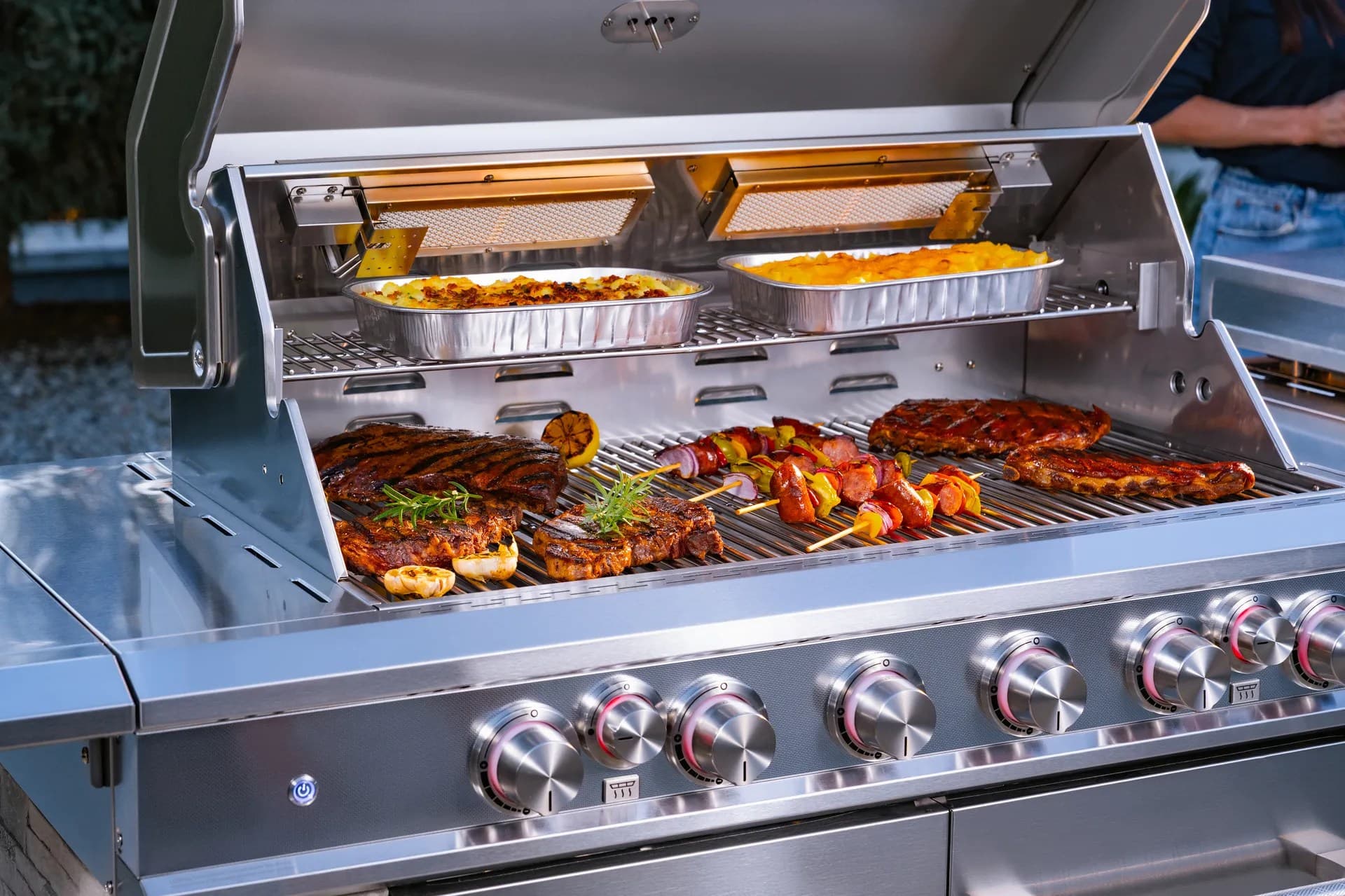
Explore the cost implications of choosing between gas and charcoal grills for your outdoor cooking needs.
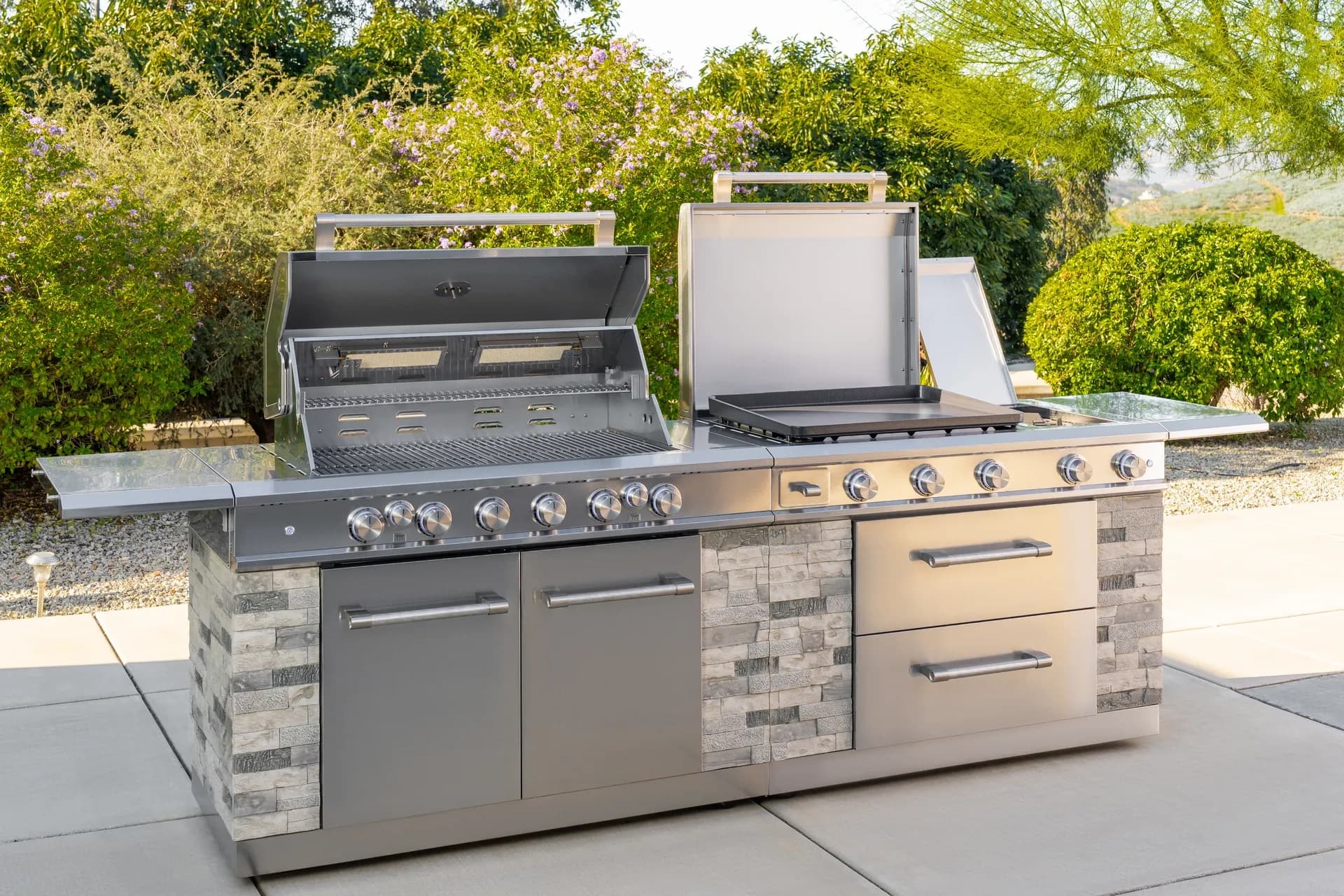
From sizzling breakfasts to smash burgers and teppanyaki-style dinners, the Daytona Pro 5 Burner NitroGuard™ Griddle delivers powerful heat, fast cooking, and a durable cooking surface built for every backyard cookout. Watch how easy outdoor cooking can be.
Here's what sets us apart from the competition
We position ourselves as delivering high-end outdoor cooking features and performance without premium-brand pricing, emphasizing “Quality Grills. Unbelievable Value.”
We offer gas grills, pellet grills, griddles, smokers, pizza ovens, portable/tabletop grills, electric grills, accessories, and replacement parts — allowing customers to stay within one ecosystem for all outdoor cooking needs.
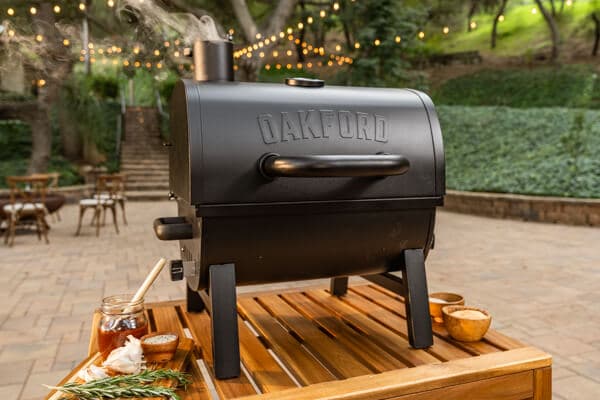
We differentiate ourselves through smart grilling products like the Oakford smart pellet grill, including app-connected cooking controls and modern outdoor cooking technology.
Expert tips, buying guides, comparisons, and inspiration for choosing and getting the most out of your grill.
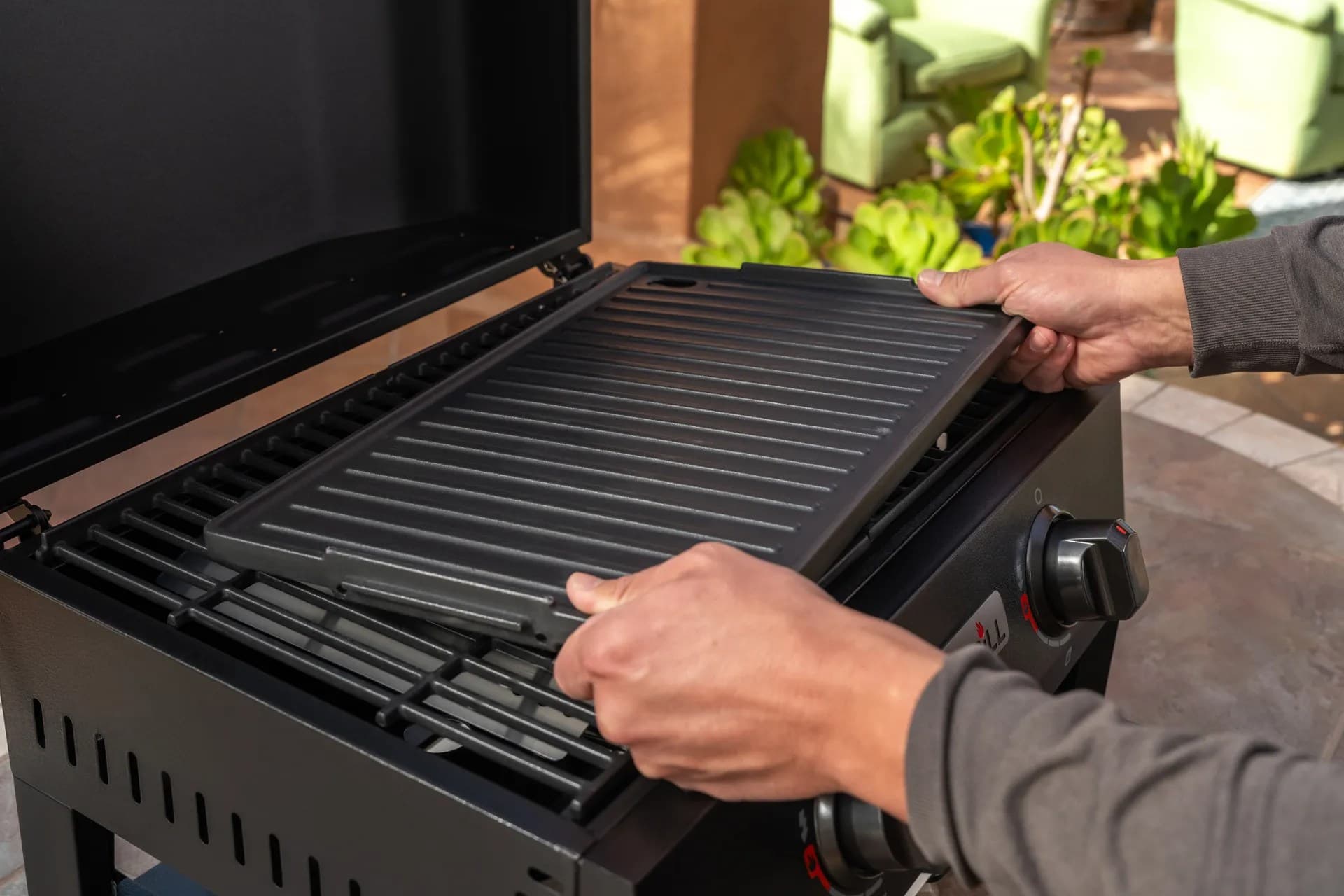
Practical guides for cleaning, maintenance, common grill issues, and performance optimization.
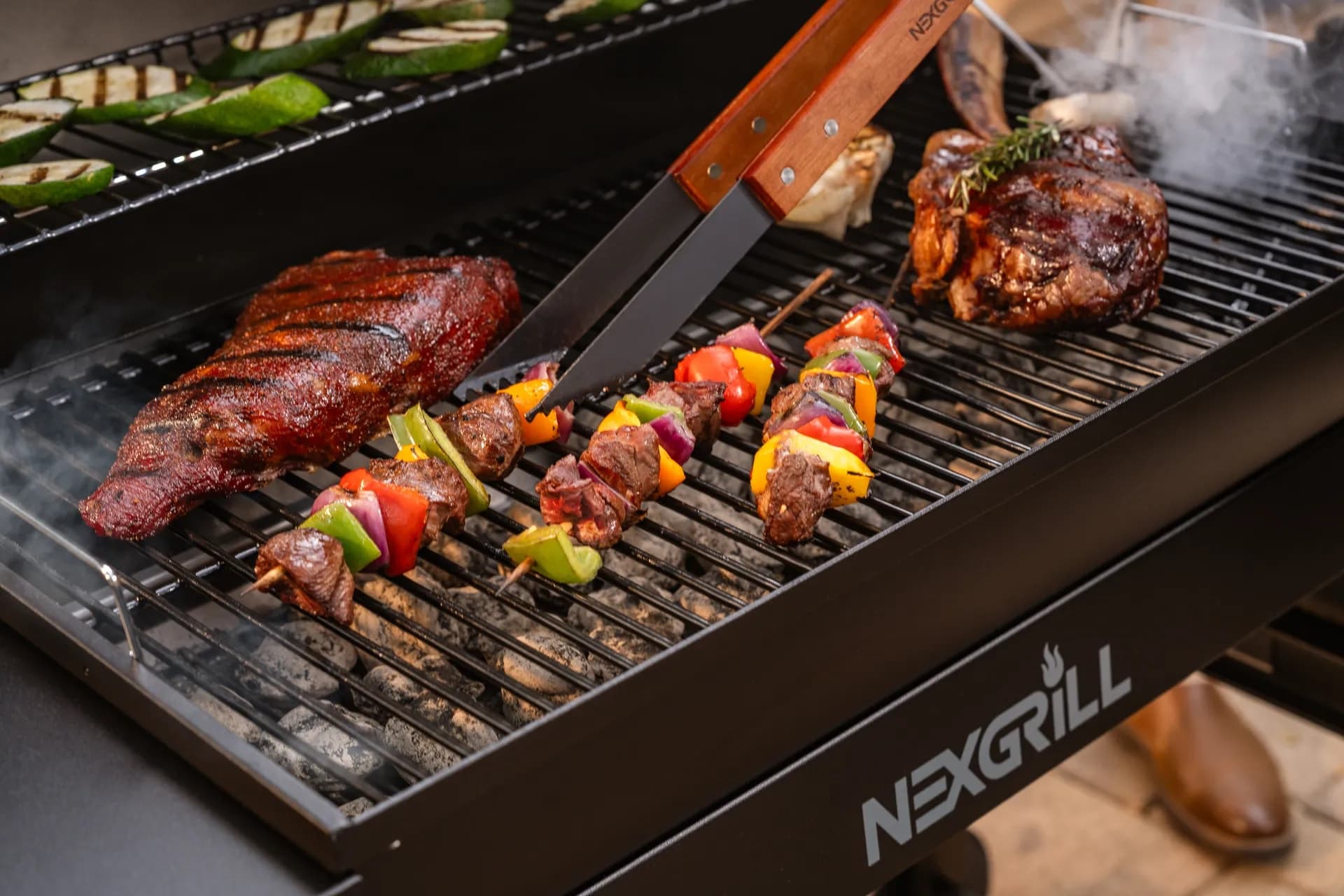
Step-by-step grilling recipes, cooking techniques, and meal ideas for every occasion and skill level.

Backyard entertaining ideas, seasonal grilling inspiration, and stories that celebrate outdoor cooking culture.
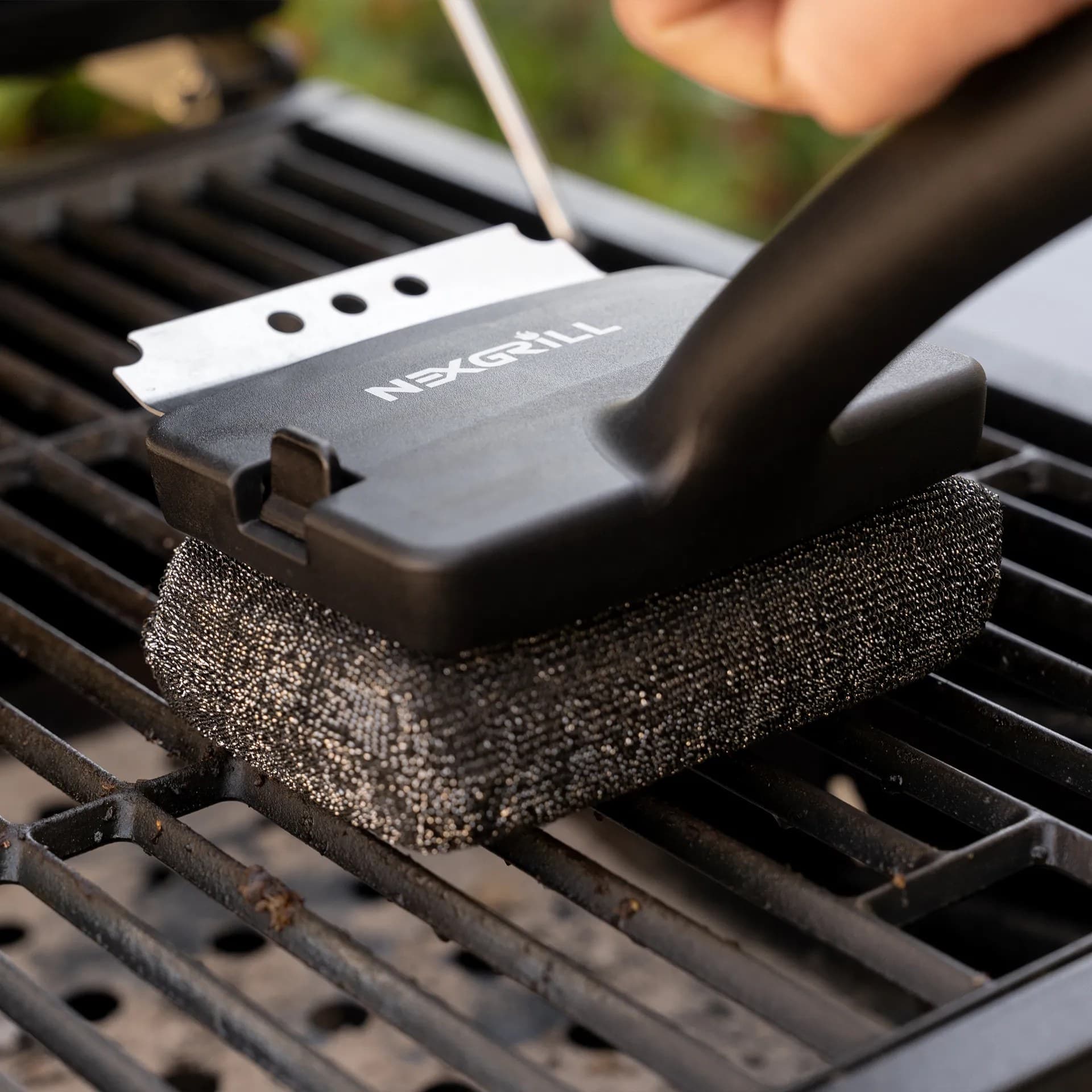
Helpful articles covering grilling tools, cookware, maintenance gear, and must-have accessories for outdoor cooking.
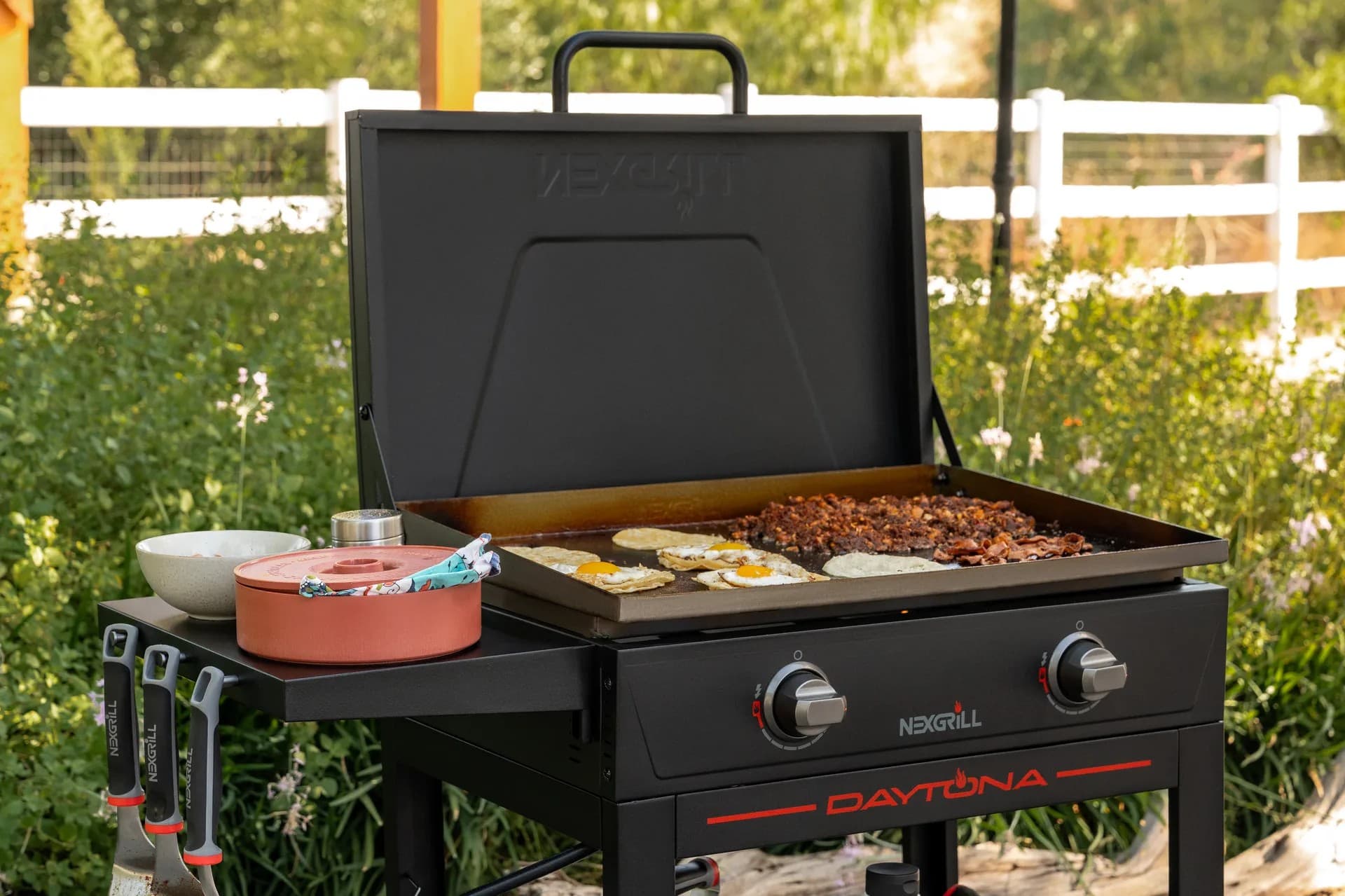
Find griddle recipes, cooking techniques, cleaning tips, and outdoor meal ideas designed for Nexgrill griddles.
Find answers to common questions
Gas grills provide instant heat and precise temperature control, making them easier to use. Charcoal grills offer a smoky flavor and high heat for searing but require more time to heat up and manage.
Pellet grills combine the convenience of gas with the flavor of wood, allowing for smoking, baking, and grilling. Traditional gas grills, however, are quicker to start and often easier to clean.
Charcoal grills typically reach higher temperatures quicker than gas grills, making them better for searing meat. However, high-quality gas grills can also provide adequate heat for effective searing.
Nexgrill offers models designed specifically for gas, charcoal, and pellets, allowing users to choose based on their cooking style and flavor preferences. Each type is built to optimize the characteristics of its respective fuel.
Choosing between gas and charcoal grills depends on your cooking preferences and lifestyle. If you value convenience and quick cooking, a gas grill may suit you better; if you prefer the taste and experience of traditional grilling, a charcoal grill would be ideal.
In This Article
Initial Investment
Fuel Efficiency
Maintenance Costs
When deciding between a gas grill and a charcoal grill, one of the first considerations is the initial purchase cost. Generally, gas grills require a higher upfront investment compared to their charcoal counterparts. This difference is largely due to the complexity and additional features that gas grills offer, such as multiple burners, electronic ignition systems, and built-in thermometers.
A standard entry-level gas grill can range from $150 to $500, while premium models with advanced features can exceed $1,500. In contrast, basic charcoal grills can be purchased for as little as $50, with more robust models reaching up to $300.
Tip: Consider your usage frequency and budget before opting for a high-end model. For occasional grillers, a basic model may suffice.
Fuel type is a significant cost factor in the ongoing operation of a grill. Gas grills typically run on propane or natural gas, which, while initially more expensive, can be more economical over time. A refillable propane tank usually costs around $20 to $30, and a full tank can provide several hours of grilling, depending on usage.
Charcoal grills, on the other hand, require a continuous supply of charcoal, which can add up over time. A standard bag of charcoal costs approximately $10 to $15, and frequent grillers may find themselves purchasing charcoal regularly.
Warning: Frequent grilling can significantly increase your overall fuel costs, especially with charcoal grills.
Maintenance is another factor to consider when evaluating cost differences. Gas grills require regular cleaning and maintenance of their burners and ignition systems to ensure proper functionality. Parts such as burners and igniters may need replacement over time, adding to the cost.
Charcoal grills, while simpler in design, require frequent cleaning of ash and debris to maintain efficient airflow. Although they have fewer mechanical parts that can fail, the cost of maintaining a clean grilling environment should not be overlooked.
| Cost Factor | Gas Grill | Charcoal Grill |
|---|---|---|
| Initial Purchase | $150 - $1,500+ | $50 - $300 |
| Fuel Costs | Propane/Natural Gas | Charcoal |
| Maintenance | Higher due to parts | Moderate, mainly cleaning |
While the initial and ongoing costs are important, long-term considerations can make one option more appealing than the other. Gas grills, with their higher upfront cost, can be more economical over time for frequent grillers due to lower fuel expenses. Moreover, natural gas connections can further reduce fuel costs, making gas grills a viable option for dedicated outdoor chefs.
Charcoal grills, although they have a lower entry price, may incur higher overall costs due to the ongoing need for charcoal. For occasional grillers or those who prefer the distinct flavor that charcoal imparts, the additional fuel cost might be justified.
The environmental impact of your grilling choice can also translate into costs, both financial and ethical. Gas grills are generally considered more environmentally friendly due to cleaner burning fuel, which produces fewer emissions compared to charcoal.
Charcoal grilling releases more carbon dioxide and particulates into the atmosphere, which could be a consideration for eco-conscious consumers. Some may choose to offset this by purchasing sustainably sourced charcoal, which can further increase costs.
Tip: Consider investing in a grill cover to protect your equipment from the elements, extending its lifespan and reducing replacement costs.
The user experience is a critical component in determining cost efficiency. Gas grills are known for their convenience and speed, offering quick start-up times and precise temperature control, which can save time and reduce food waste. This efficiency can be translated into cost savings over time, particularly for those who grill frequently.
Charcoal grills, while more time-consuming to set up and manage, offer a traditional grilling experience that many enthusiasts value. The ability to sear at high temperatures and infuse food with a smoky flavor is a significant advantage for some, potentially justifying the extra time investment and cost.
Choosing between a gas and charcoal grill ultimately depends on your priorities, such as budget, grilling frequency, and flavor preference. For those who prioritize convenience and efficiency, a gas grill may be worth the higher initial cost. Conversely, if you savor the rich flavors unique to charcoal grilling and don’t mind the extra effort, a charcoal grill could be your best bet.
Regardless of your choice, considering all aspects of cost-initial, ongoing, and environmental-can help ensure you select the grill that not only fits your lifestyle but also aligns with your financial expectations.
Here's what sets us apart
We position ourselves as delivering high-end outdoor cooking features and performance without premium-brand pricing, emphasizing “Quality Grills. Unbelievable Value.”
We offer gas grills, pellet grills, griddles, smokers, pizza ovens, portable/tabletop grills, electric grills, accessories, and replacement parts — allowing customers to stay within one ecosystem for all outdoor cooking needs.
We differentiate ourselves through smart grilling products like the Oakford smart pellet grill, including app-connected cooking controls and modern outdoor cooking technology.
Don't just take our word for it
Keep reading
From our catalog