Mastering the Art of Cooking on a Gas BBQ: Expert Tips and Techniques
Elevate your outdoor cooking with practical advice and insider tips from Nexgrill experts.
In This Article
Understanding Gas BBQs
Mastering Heat Control
Enhancing BBQ Flavor
Understanding Your Gas BBQ: The Basics
Cooking on a gas BBQ offers unparalleled convenience and control, but mastering it requires understanding the fundamentals. Gas BBQs, like those from Nexgrill, use propane or natural gas to provide consistent heat. This allows for precise temperature control, making it easier to grill a variety of foods perfectly.
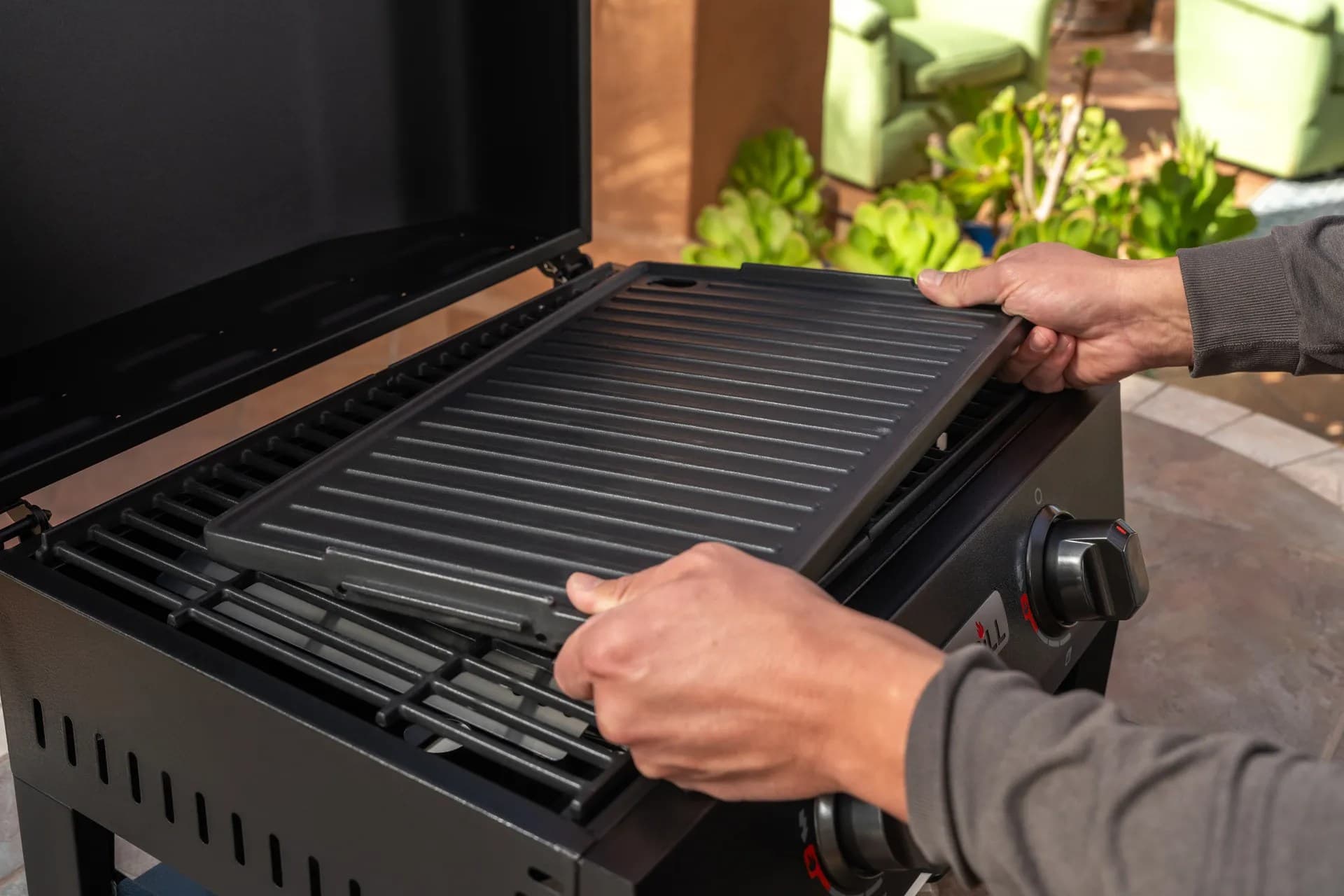
Before you start cooking, familiarize yourself with the main components of your gas BBQ: the burners, cooking grates, and temperature controls. The burners provide the heat source, cooking grates hold your food, and the temperature controls allow you to manage the heat levels. Knowing how to adjust these elements can mean the difference between a perfectly seared steak and a charred disaster.
Key Features of a Gas BBQ
| Component | Function |
|---|---|
| Burners | Provide heat through propane or natural gas |
| Cooking Grates | Hold food and distribute heat evenly |
| Temperature Controls | Allow precise heat management |
Preparing Your BBQ for Cooking
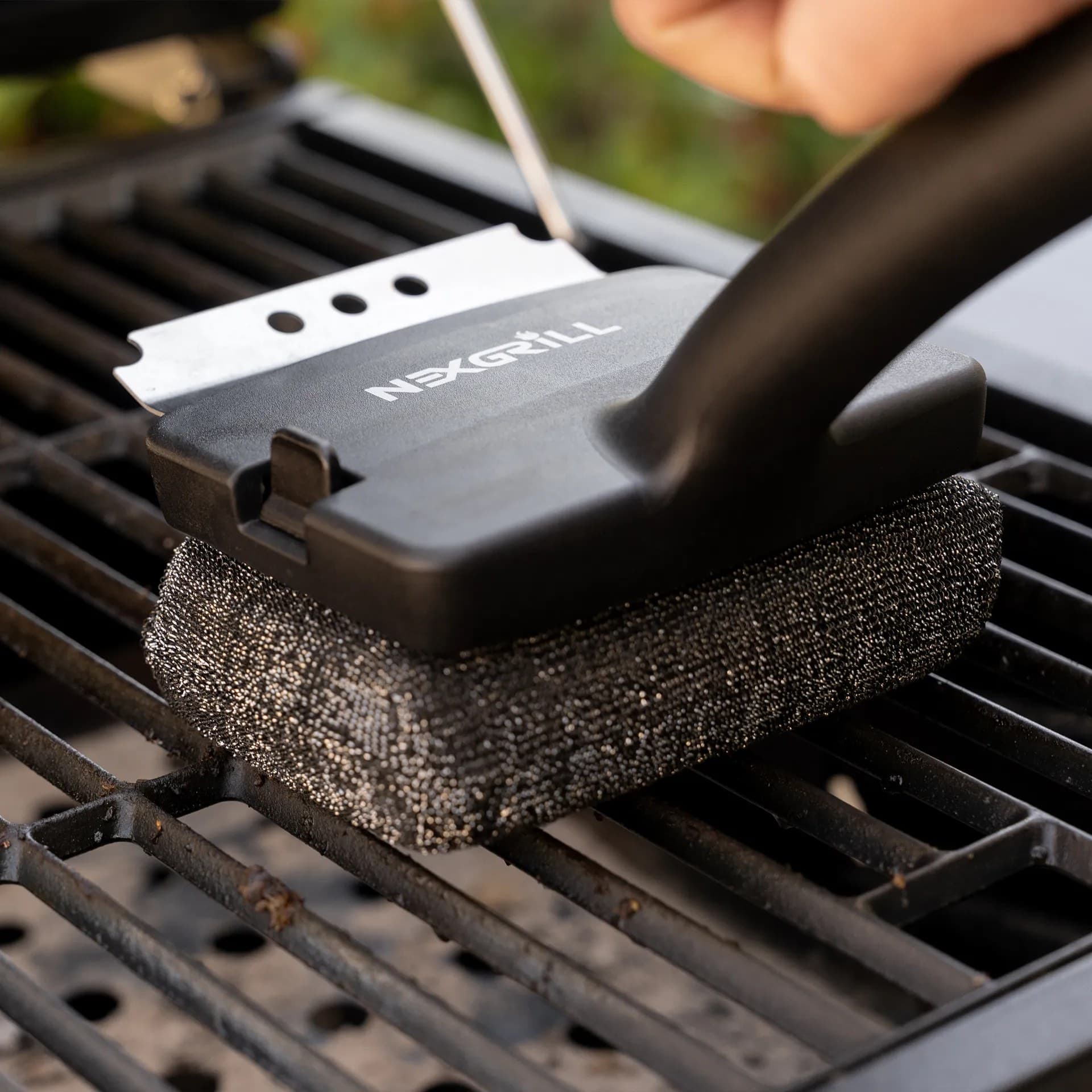
Proper preparation is crucial for successful grilling. Start by cleaning the cooking grates to remove any residue from previous uses. A clean grill not only improves the flavor of your food but also ensures even cooking. Use a grill brush to scrub the grates while they are still warm, as this makes it easier to remove stuck-on debris.
Next, preheat your gas BBQ. Preheating is essential as it helps to sear the food, locking in juices and creating a delicious crust. Turn all the burners to high and close the lid for about 10-15 minutes. This ensures that the grates are hot enough to start cooking immediately. The 3-3-3 Rule for Grilling can help enhance your grill experience.
Tip: Always preheat your grill to avoid sticking and ensure even cooking.
Cooking Techniques: Direct vs. Indirect Heat
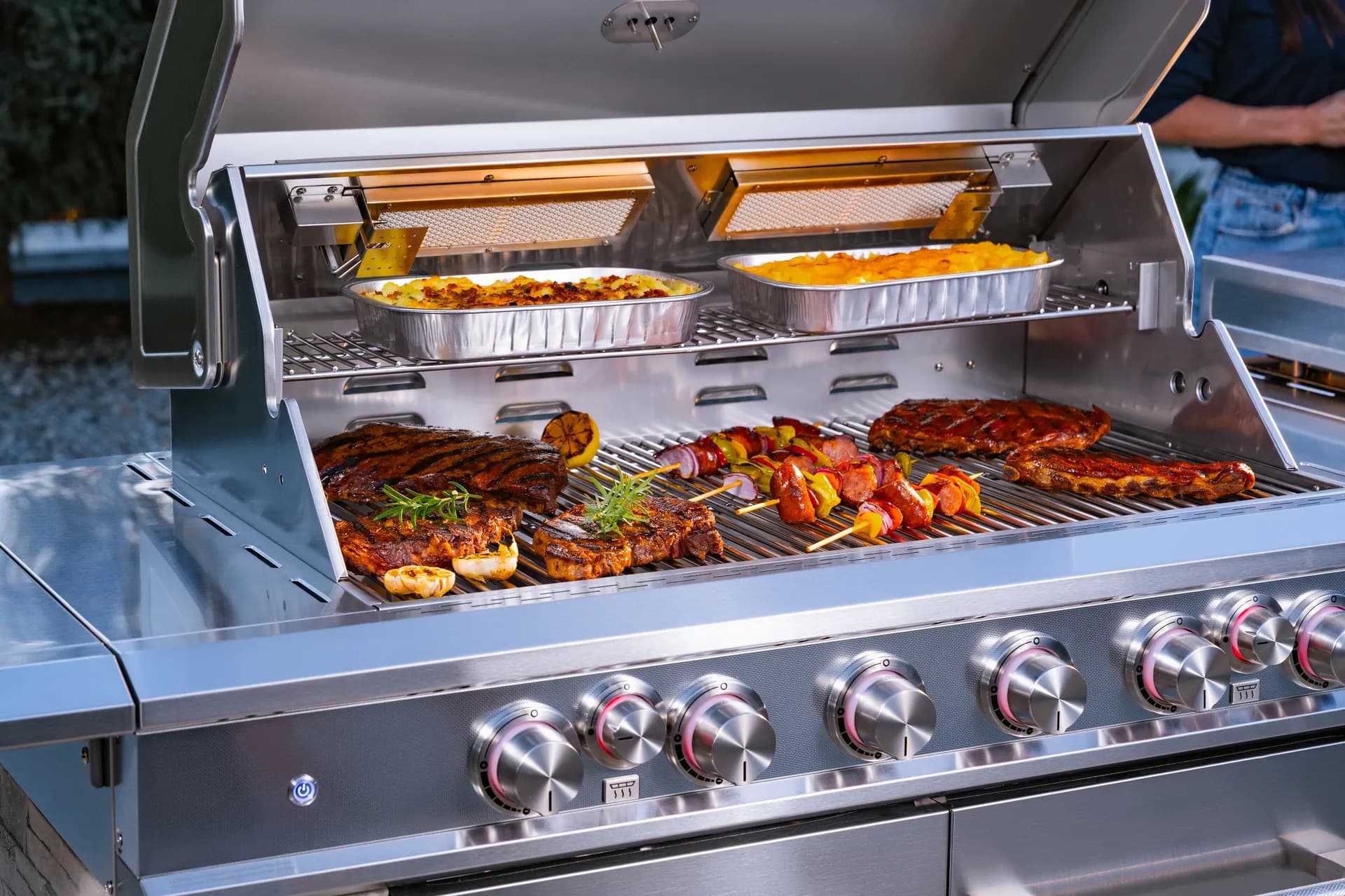
Understanding when to use direct versus indirect heat is key to mastering the gas BBQ. Direct heat is similar to broiling and is perfect for foods that take less than 25 minutes to cook, such as steaks, chops, and veggies. Place food directly over the flames for rapid cooking.
Indirect heat, on the other hand, is akin to roasting. It's ideal for larger cuts of meat that require longer cooking times, such as whole chickens or roasts. Knowing how far your grill should be from your house is essential for safety. Turn off one or more burners and place the food on the unlit part of the grill, allowing it to cook slowly and evenly.
Tip: Use a drip pan under the food when using indirect heat to catch drippings and prevent flare-ups.
The Art of Searing
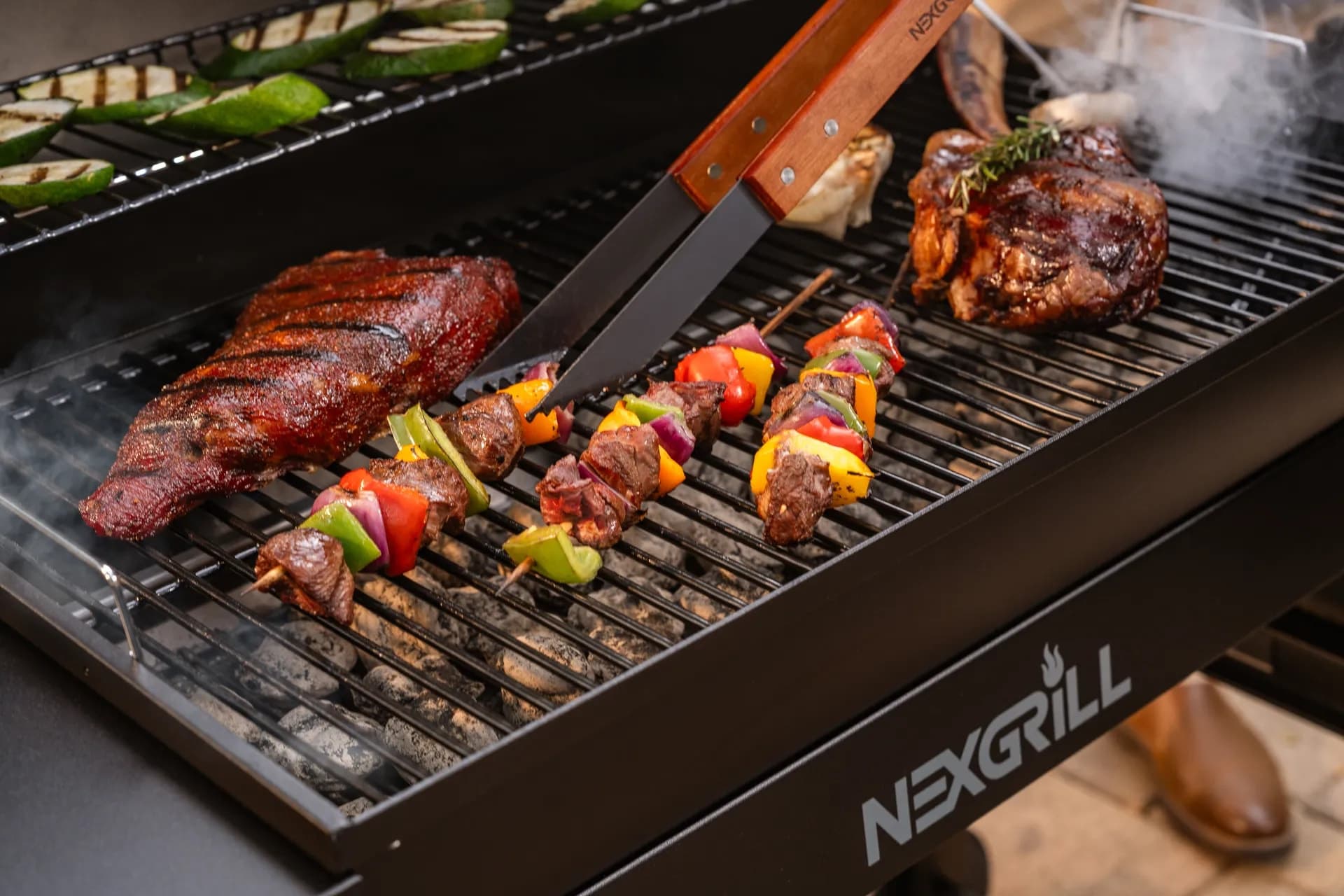
Searing is an essential technique for any grill master. It involves cooking the surface of the meat at high temperatures to form a caramelized crust. This not only enhances flavor but also provides an appealing texture.
To sear properly on a gas BBQ, ensure the grill is fully preheated. Place the meat on the hottest part of the grill and leave it untouched for a few minutes before flipping. This will form the perfect sear lines without tearing the meat. Understanding the average lifespan of a gas grill is crucial to knowing when to replace it.
Warning: Avoid pressing down on the meat while searing as it releases juices and can dry out the dish.
Mastering Temperature Control
Temperature control is crucial when cooking on a gas BBQ. Different foods require different cooking temperatures to achieve the best results. Most gas BBQs have built-in thermometers, but for the most accurate readings, consider using a separate grill thermometer.
For high-temperature cooking like searing steaks, aim for 450°F to 500°F. For medium heat, which is suitable for burgers and chicken, maintain a range of 350°F to 400°F. Lower temperatures, around 225°F to 275°F, are ideal for slow-cooking and smoking larger cuts of meat.
| Food Type | Temperature Range | Cooking Method |
|---|---|---|
| Steaks | 450°F - 500°F | Direct heat |
| Burgers | 350°F - 400°F | Direct heat |
| Whole Chicken | 325°F - 350°F | Indirect heat |
| Ribs | 225°F - 275°F | Indirect heat |
Enhancing Flavor with Wood Chips
One of the great features of gas BBQs is the ability to infuse food with smoky flavors using wood chips. To do this, soak your wood chips in water for at least 30 minutes, then place them in a smoker box or wrap them in aluminum foil with holes poked in the top. Place the box or foil on the grill directly over the burners.
As the wood chips heat up, they will produce smoke, adding a delicious layer of flavor to your meats and vegetables. Different types of wood, such as hickory, mesquite, and apple, bring unique flavors, so experiment to find your favorite.
Tip: Use fruit woods for a milder, sweeter smoke suitable for poultry and fish.
Maintaining Your Gas BBQ
Regular maintenance is vital for the longevity and performance of your gas BBQ. After each use, clean the grates and empty the drip pan to prevent grease buildup, which can cause flare-ups. Check the burners regularly to ensure they are free from blockages.
Periodically inspect the gas lines for leaks. A simple way to do this is to apply a soapy water solution to the connections and look for bubbles, which indicate a leak. Finally, protect your BBQ from the elements with a weather-resistant cover when not in use.
Tip: Store your BBQ in a sheltered area during winter to extend its life.
Conclusion: Elevate Your Grilling Game
Cooking on a gas BBQ is an art and science that, when mastered, can lead to incredible culinary creations. By understanding your equipment, employing the right techniques, and maintaining your grill, you can enjoy the delicious rewards of outdoor cooking. Whether you're a novice or an experienced griller, these tips from Nexgrill will help you elevate your grilling game.
Explore more tips, recipes, and product information at Nexgrill.