Charcoal vs Pellet Grill: A Comprehensive Comparison
Explore the nuances of charcoal and pellet grilling to find your perfect match.
In This Article
Flavor Profiles
Heat Control
Ease of Use
Understanding Charcoal Grills
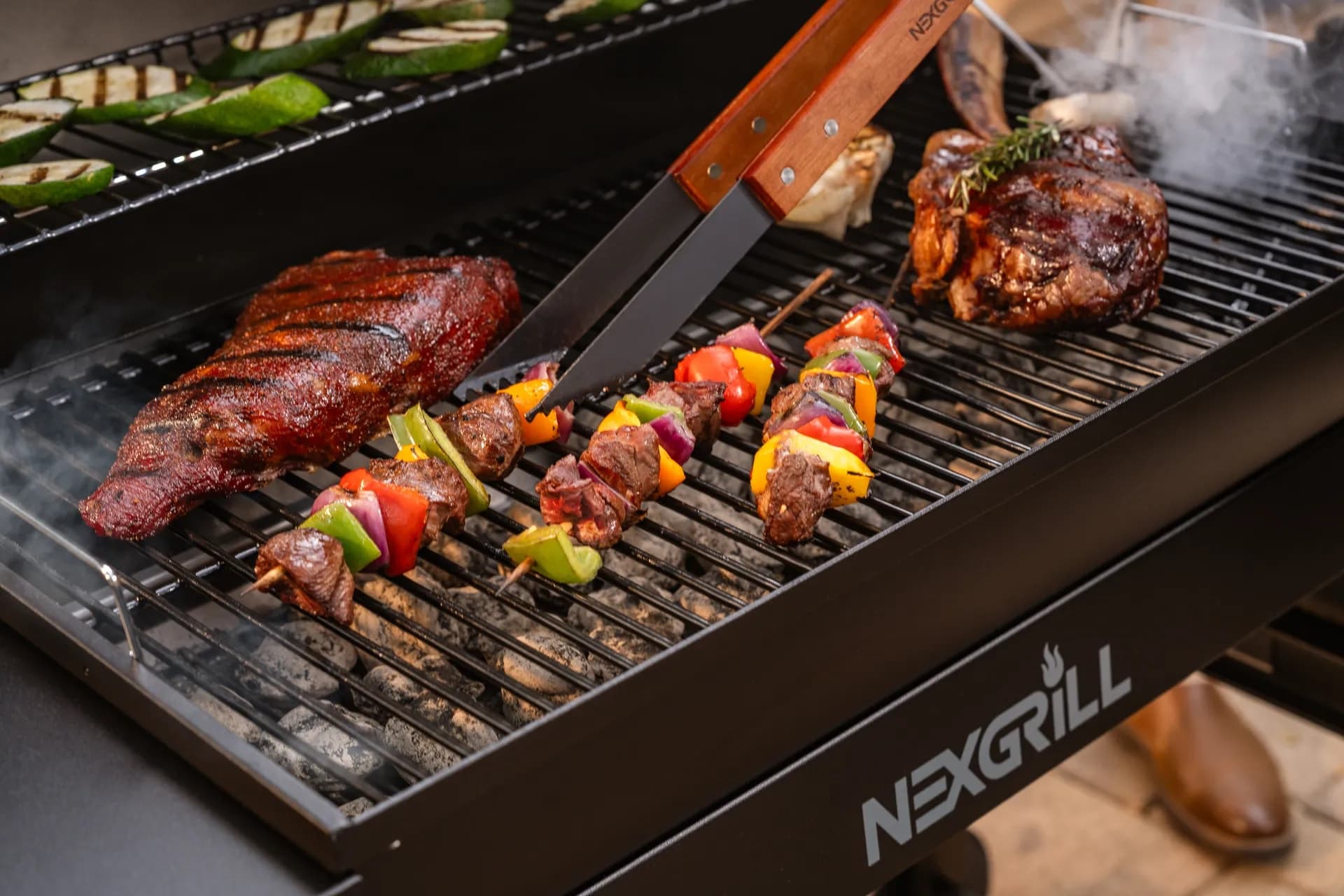
Charcoal grills are a classic choice for barbecue enthusiasts who crave that authentic smoky flavor. These grills use charcoal briquettes or lump charcoal as the primary fuel source, offering a distinctive taste that many grilling purists swear by. The process of lighting, maintaining, and cooking with charcoal can be seen as both an art and a science, often requiring a bit of practice to master.
Flavor and Aroma
The primary advantage of charcoal grills is the rich, smoky flavor they impart to food. This is due to the combustion of wood particles in the charcoal, which produces aromatic compounds that enhance the taste of grilled meats and vegetables. The flavor profile you achieve can vary significantly depending on the type of charcoal used.
Tip: Experiment with different types of charcoal, such as hardwood lump or briquettes, to discover your preferred flavor.
Heat Control and Cooking
Charcoal grills offer a wide range of cooking temperatures, which can be a boon for searing meats or slow-cooking ribs. However, managing these temperatures requires skill and attention. You'll need to adjust the air vents to control the flow of oxygen, which directly affects the heat level.
| Feature | Charcoal Grill |
|---|---|
| Flavor | Smoky and rich |
| Heat Control | Manual via vents |
| Ease of Use | Requires experience |
Maintenance and Cleanup
While charcoal grills deliver exceptional flavor, they do require more maintenance than pellet grills. Ash disposal can be cumbersome, and cleaning the grill can be labor-intensive. It's essential to regularly clear out ash and residue to maintain optimal airflow and performance.
Warning: Always ensure your grill is completely cool before starting the cleaning process to avoid accidents.
Exploring Pellet Grills
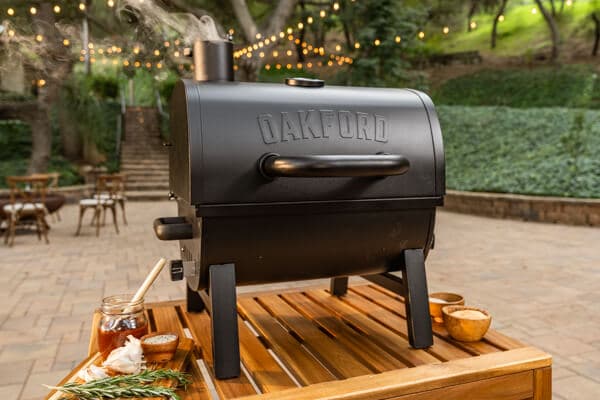
Pellet grills have gained popularity for their convenience and precision in temperature control. Using wood pellets made from compressed sawdust, these grills provide a consistent heat source and subtle smoke flavor. They are particularly favored by those who appreciate the ability to set a specific cooking temperature with ease.
Flavor and Versatility
While pellet grills may not produce the intense smoky flavor of charcoal, they offer a more nuanced taste that enhances the natural flavors of the food. The variety of wood pellets available-such as hickory, mesquite, or applewood-allows for experimentation with different flavor profiles.
Tip: Try mixing different wood pellets to create a signature flavor blend.
Temperature Control and Ease of Use
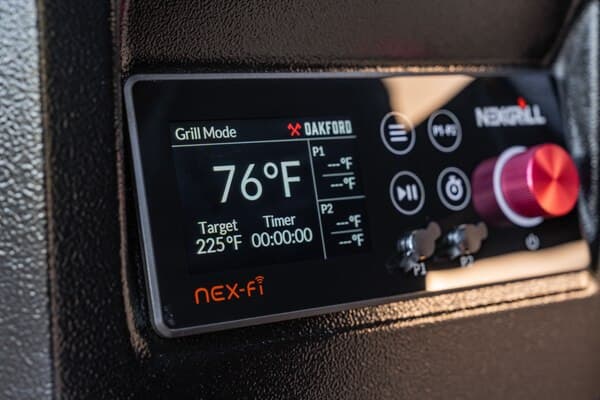
Pellet grills shine in their ability to maintain precise temperatures, making them ideal for both low-and-slow cooking and high-heat searing. Most models come with digital controllers, allowing for easy adjustments and consistent cooking results.
Maintenance and Efficiency
One of the standout features of pellet grills is their low-maintenance operation. With minimal ash production and straightforward cleaning processes, these grills are user-friendly and efficient, making them a popular choice for busy grillers.
Try comparing two products side by side below to see which fits best:
Comparative Analysis: Charcoal vs Pellet Grills
Once you've weighed two options against each other, here's what else matters in the charcoal vs pellet grill debate. Both types of grills offer unique benefits that appeal to different grilling preferences and styles. Here, we dive deeper into specific scenarios to help you make an informed decision.
Who Prefers Charcoal Grills?
Charcoal grills are typically favored by traditionalists who prioritize flavor above all else. These grills are well-suited for those who enjoy the hands-on experience of adjusting temperatures manually and those who have the time to nurture their fire to perfection. If you love the process as much as the result, a charcoal grill might be your best bet.
Who Benefits from Pellet Grills?
Pellet grills appeal to those who value precision and convenience. If you often entertain guests and need a reliable grill that can handle various cooking styles without constant monitoring, a pellet grill offers the perfect solution. Its set-it-and-forget-it functionality is ideal for busy lifestyles and those new to grilling. Learn more about the different types of grills available today.
| Aspect | Charcoal Grill | Pellet Grill |
|---|---|---|
| Flavor | Robust and smoky | Subtle and varied |
| Temperature Control | Manual | Digital precision |
| Ease of Use | Complex | User-friendly |
Cost Considerations
When considering cost, it's important to factor in both the initial investment and the ongoing expenses of fuel and maintenance. Charcoal grills often have a lower purchase price, but charcoal can be more expensive over time compared to wood pellets. Pellet grills typically have a higher upfront cost due to their electronic components, but they offer savings in terms of efficiency and fuel consumption.
Info: Consider the frequency of use and personal preferences when evaluating the overall cost of ownership.
Final Thoughts
Choosing between a charcoal and pellet grill ultimately depends on your personal grilling style, flavor preference, and lifestyle. While charcoal grills deliver unmatched flavor for those willing to invest the time, pellet grills offer convenience and consistency for the modern griller. By understanding the strengths and limitations of each type, you can select the grill that best complements your needs.