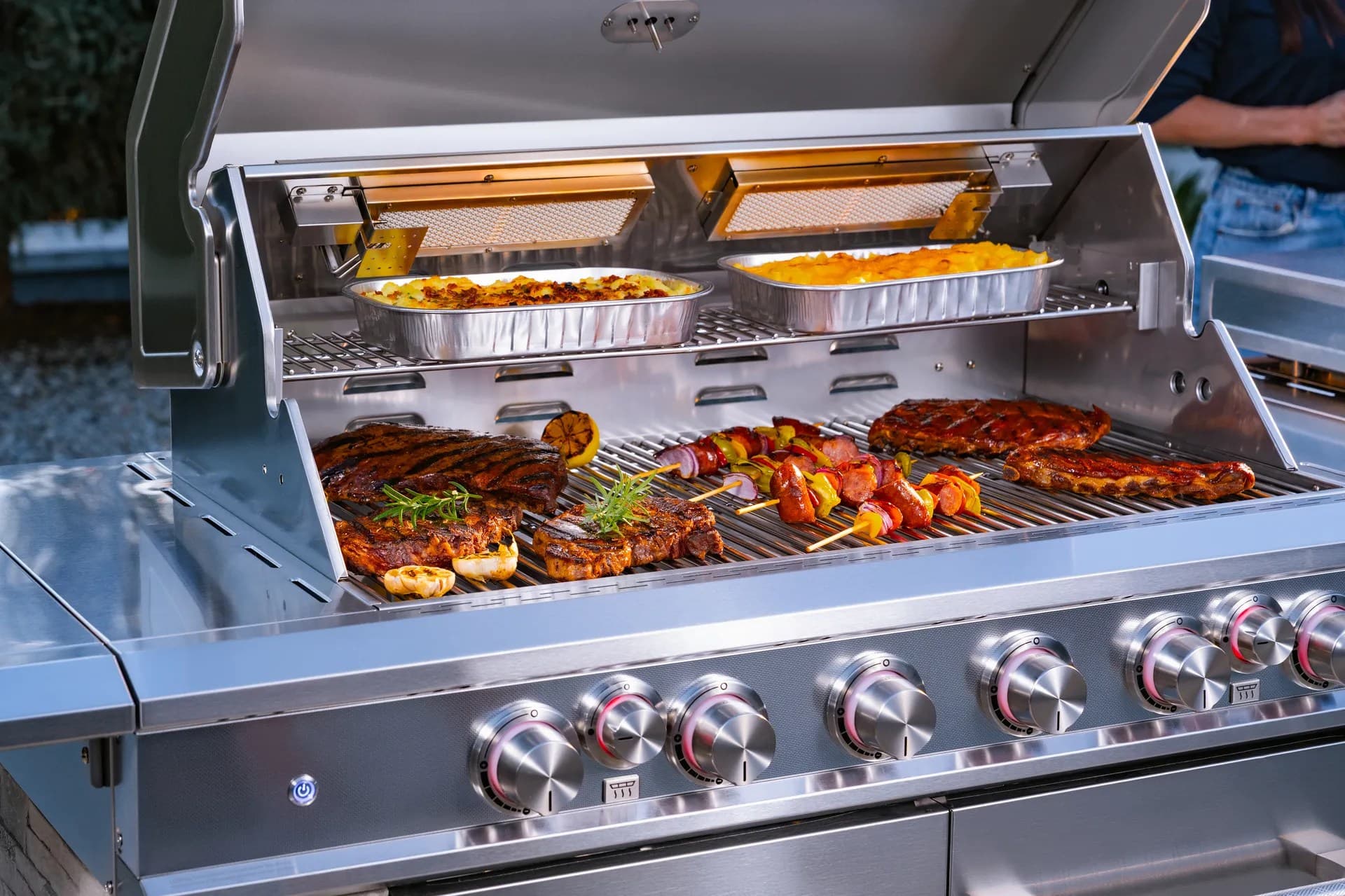
Discover why cast iron grates elevate your grilling experience.
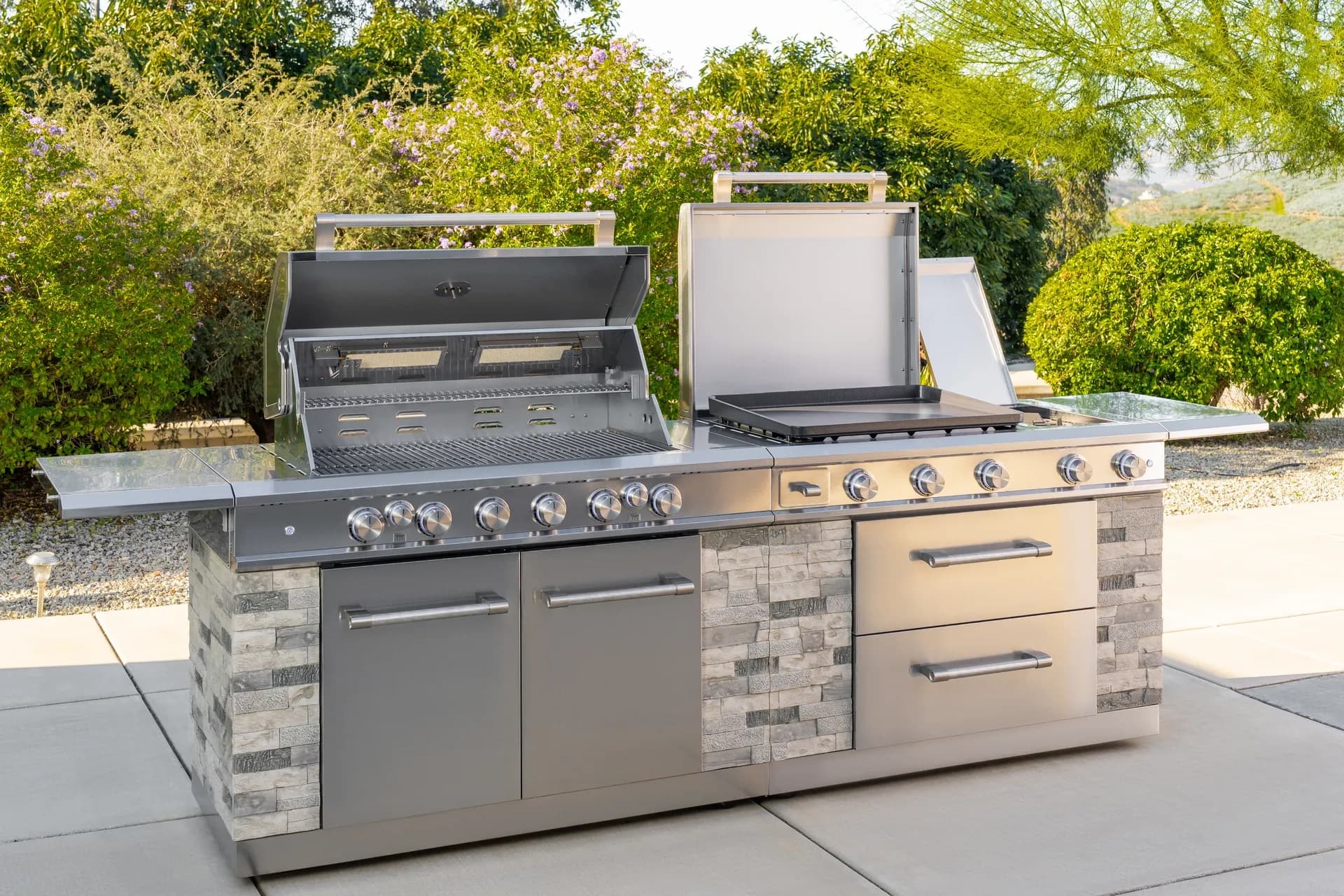
From sizzling breakfasts to smash burgers and teppanyaki-style dinners, the Daytona Pro 5 Burner NitroGuard™ Griddle delivers powerful heat, fast cooking, and a durable cooking surface built for every backyard cookout. Watch how easy outdoor cooking can be.
Here's what sets us apart from the competition
We position ourselves as delivering high-end outdoor cooking features and performance without premium-brand pricing, emphasizing “Quality Grills. Unbelievable Value.”
We offer gas grills, pellet grills, griddles, smokers, pizza ovens, portable/tabletop grills, electric grills, accessories, and replacement parts — allowing customers to stay within one ecosystem for all outdoor cooking needs.
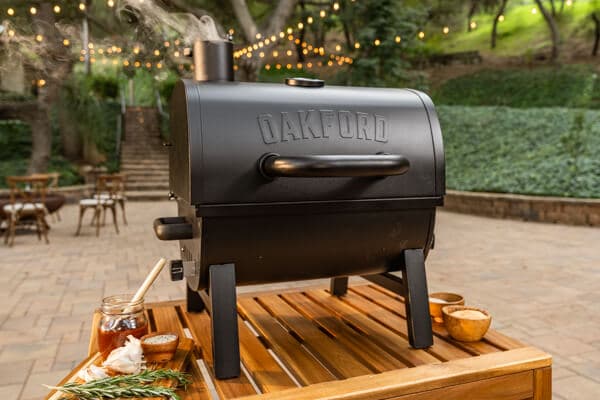
We differentiate ourselves through smart grilling products like the Oakford smart pellet grill, including app-connected cooking controls and modern outdoor cooking technology.
Expert tips, buying guides, comparisons, and inspiration for choosing and getting the most out of your grill.
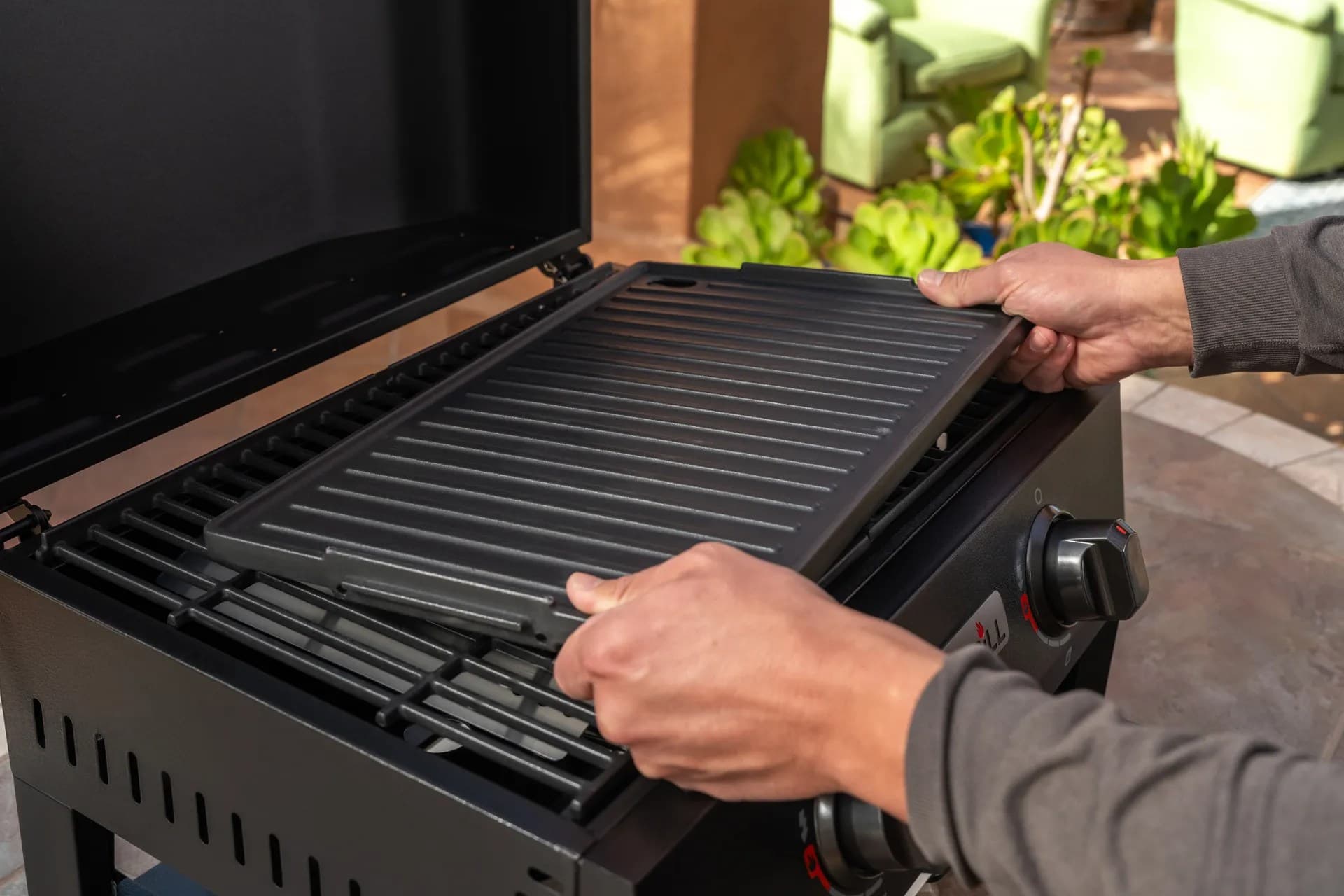
Practical guides for cleaning, maintenance, common grill issues, and performance optimization.
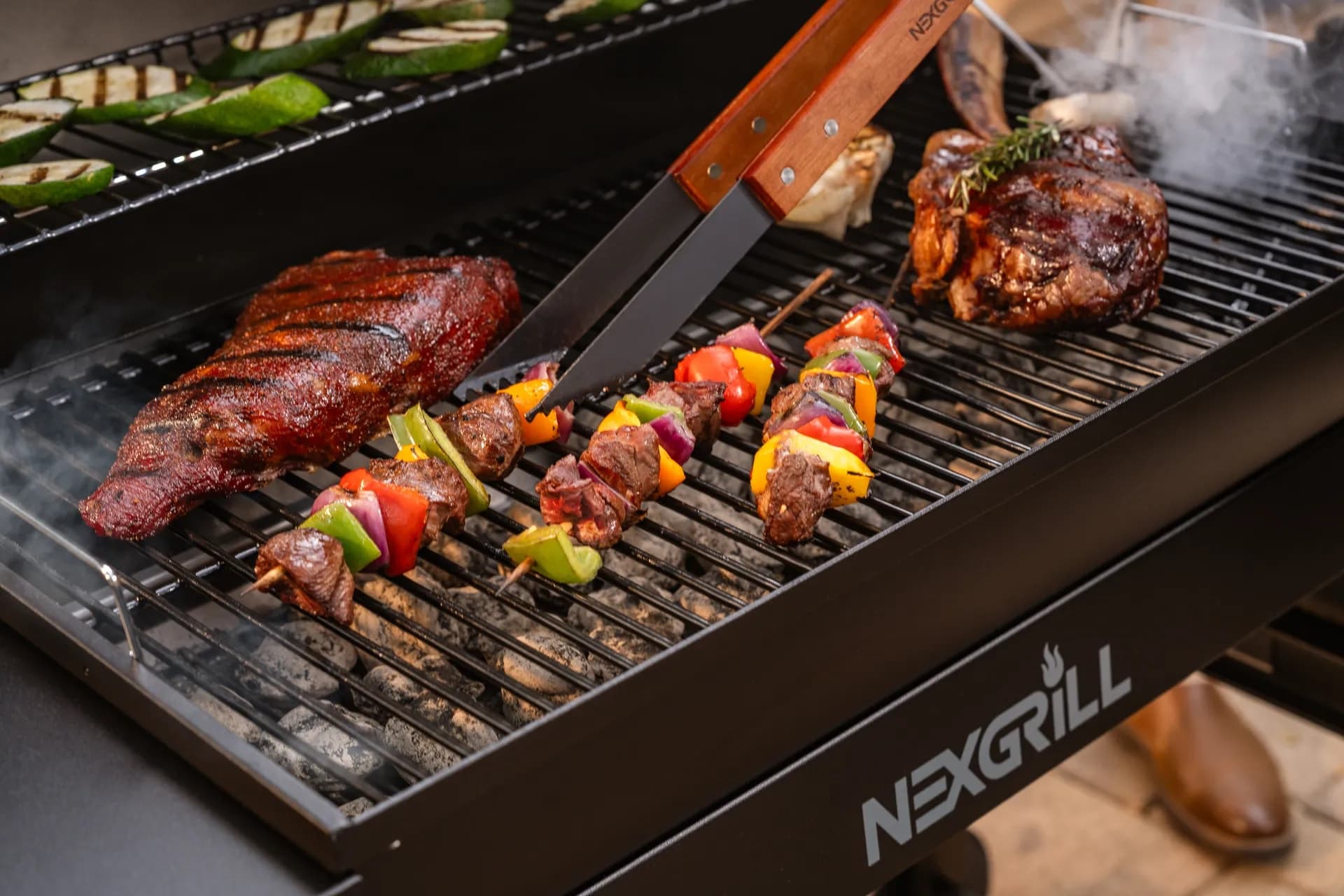
Step-by-step grilling recipes, cooking techniques, and meal ideas for every occasion and skill level.

Backyard entertaining ideas, seasonal grilling inspiration, and stories that celebrate outdoor cooking culture.
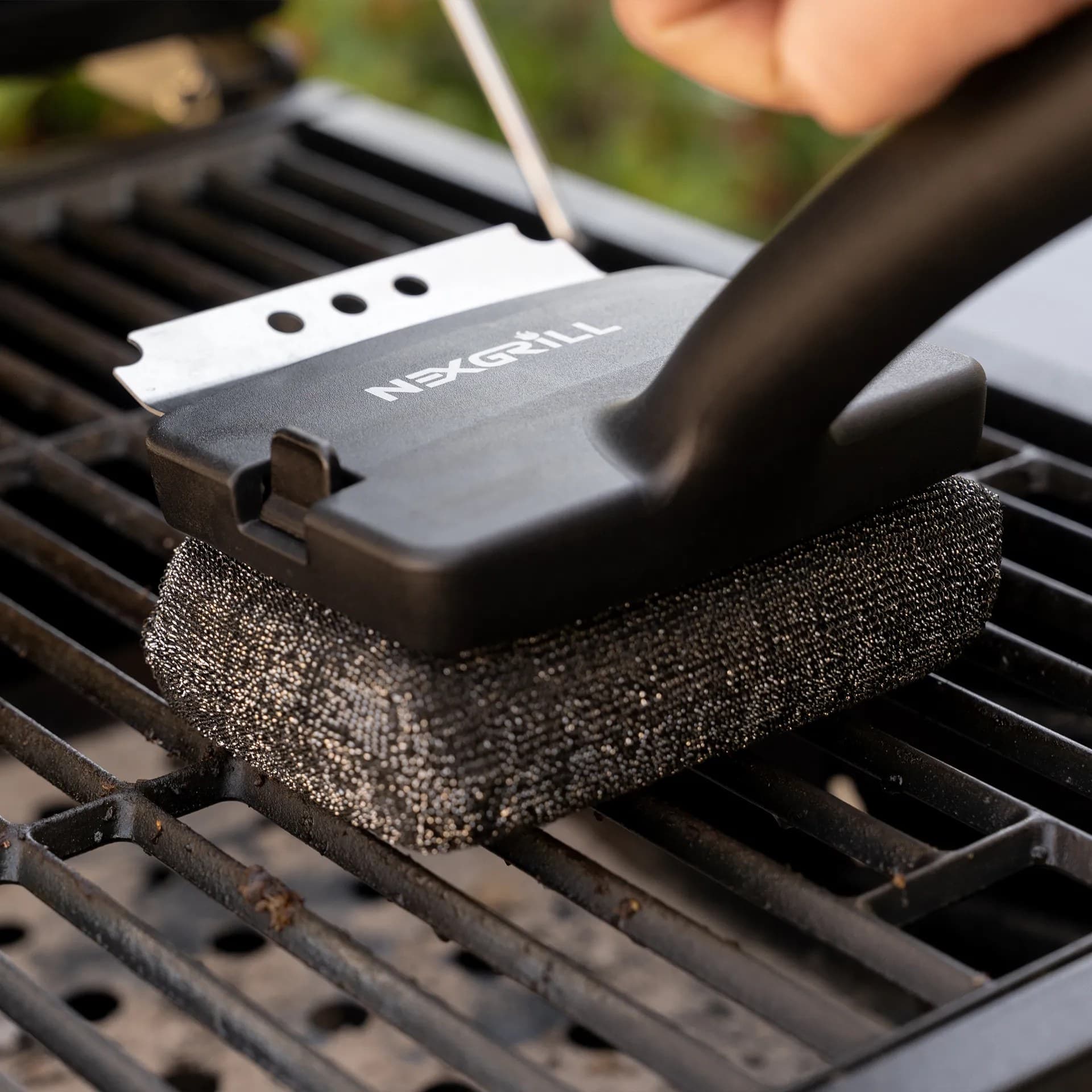
Helpful articles covering grilling tools, cookware, maintenance gear, and must-have accessories for outdoor cooking.
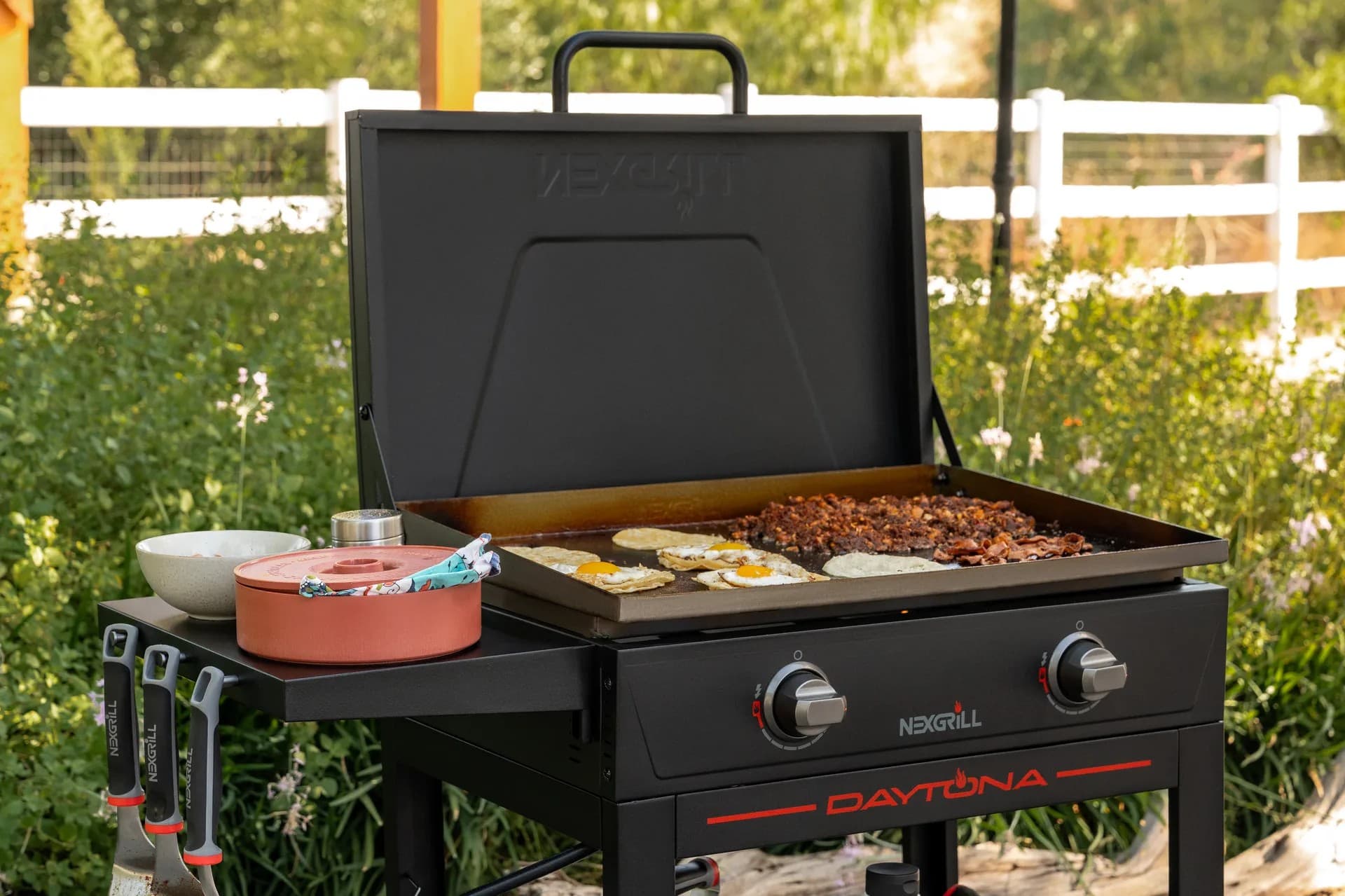
Find griddle recipes, cooking techniques, cleaning tips, and outdoor meal ideas designed for Nexgrill griddles.
Find answers to common questions
Gas grills provide instant heat and precise temperature control, making them easier to use. Charcoal grills offer a smoky flavor and high heat for searing but require more time to heat up and manage.
Pellet grills combine the convenience of gas with the flavor of wood, allowing for smoking, baking, and grilling. Traditional gas grills, however, are quicker to start and often easier to clean.
Charcoal grills typically reach higher temperatures quicker than gas grills, making them better for searing meat. However, high-quality gas grills can also provide adequate heat for effective searing.
Nexgrill offers models designed specifically for gas, charcoal, and pellets, allowing users to choose based on their cooking style and flavor preferences. Each type is built to optimize the characteristics of its respective fuel.
Choosing between gas and charcoal grills depends on your cooking preferences and lifestyle. If you value convenience and quick cooking, a gas grill may suit you better; if you prefer the taste and experience of traditional grilling, a charcoal grill would be ideal.
In This Article
Heat Retention
Flavor Enhancement
Durability
Grilling enthusiasts often debate the merits of different grate materials, with cast iron frequently emerging as a favorite. Known for its exceptional heat retention and even cooking surface, cast iron grates offer significant advantages over other materials like stainless steel or porcelain-coated options. In this review, we delve into the specific benefits of using cast iron grates on charcoal grills, focusing on how they enhance the overall grilling experience.
One of the primary benefits of cast iron grates is their ability to retain heat effectively. This characteristic ensures that once the grates are hot, they maintain a consistent temperature, which is crucial for achieving perfect sear marks and evenly cooked food. This property is particularly beneficial for charcoal grills, where maintaining a stable cooking temperature can be challenging.
Tip: Preheat cast iron grates thoroughly before placing food to maximize their heat retention capabilities.
Cast iron grates are renowned for their ability to enhance the flavor of grilled foods. As they age, they develop a natural non-stick coating known as seasoning, which not only prevents food from sticking but also imparts a unique flavor to meats and vegetables. This seasoning process is a key advantage for grillers looking to add depth to their dishes.
Durability is another significant advantage of cast iron grates. With proper care, they can last for decades, withstanding the high heat of charcoal grilling without warping or degrading. This longevity makes them a worthwhile investment for serious grillers.
| Material | Heat Retention | Flavor Enhancement | Durability |
|---|---|---|---|
| Cast Iron | Excellent | High | High |
| Stainless Steel | Moderate | Low | Moderate |
| Porcelain | Low | Moderate | Moderate |
Proper maintenance of cast iron grates is essential to ensure their longevity and performance. Unlike other materials, cast iron requires regular seasoning to maintain its non-stick properties and prevent rusting. This section will guide you through the best practices for caring for your cast iron grates.
Seasoning is the process of applying a thin layer of oil to the grates and heating them until the oil polymerizes, creating a durable coating. This not only protects the grates from rust but also enhances their non-stick properties.
Tip: Season your grates regularly to maintain optimal performance.
Rust prevention is critical for maintaining cast iron grates. Always ensure they are dry before storage, and consider using a grill cover to protect them from moisture.
After each use, clean the grates while they are still warm to remove food residues. Avoid using soap, as it can strip the seasoning. Instead, use a brush or scraper followed by a light coating of oil to prepare them for the next grilling session.
Try comparing two products side by side below to see which fits best:
After comparing different types of grates, it's clear that cast iron offers unique advantages for serious grillers. However, understanding the full scope of its capabilities requires further exploration of its practical applications and potential drawbacks.
Cast iron grates are ideal for those who frequently grill and seek a professional-grade cooking experience. They are perfect for grillers who prioritize flavor and are willing to invest time in maintenance to preserve the grates' performance.
If you are a weekend warrior who enjoys the occasional barbecue, cast iron grates might require more upkeep than you're willing to commit to. In such cases, stainless steel or porcelain-coated grates may be more suitable due to their lower maintenance demands.
Imagine hosting a large family gathering. With cast iron grates, you can efficiently cook a variety of foods without worrying about uneven heat distribution. From searing steaks to grilling delicate vegetables, these grates offer versatility and reliability.
Warning: Cast iron grates require regular maintenance to avoid rust, which can be a deal-breaker for some users.
While cast iron grates are generally more expensive upfront, their durability and performance can offer better value over time compared to other materials. Evaluating your grilling frequency and budget can help determine if this investment aligns with your needs.
| Grate Type | Initial Cost | Maintenance Cost | Lifespan |
|---|---|---|---|
| Cast Iron | High | Moderate | Long |
| Stainless Steel | Moderate | Low | Moderate |
| Porcelain | Low | Low | Short |
Here's what sets us apart
We position ourselves as delivering high-end outdoor cooking features and performance without premium-brand pricing, emphasizing “Quality Grills. Unbelievable Value.”
We offer gas grills, pellet grills, griddles, smokers, pizza ovens, portable/tabletop grills, electric grills, accessories, and replacement parts — allowing customers to stay within one ecosystem for all outdoor cooking needs.
We differentiate ourselves through smart grilling products like the Oakford smart pellet grill, including app-connected cooking controls and modern outdoor cooking technology.
Don't just take our word for it
Keep reading
From our catalog