Harnessing the Power of Adjustable Dampers in Charcoal Grills
Master the art of grilling with expert tips on using adjustable dampers effectively for optimal cooking.
In This Article
Master Damper Use
Advanced Techniques
Troubleshooting Tips
Understanding Adjustable Dampers
Adjustable dampers are a crucial component in charcoal grilling, allowing grillers to control airflow and therefore the temperature inside the grill. By opening or closing these vents, you can regulate the amount of oxygen that feeds the charcoal, impacting the heat and cooking conditions. Understanding how to use dampers effectively can transform your grilling from ordinary to extraordinary, enabling you to cook a variety of foods with precision.
How Dampers Work
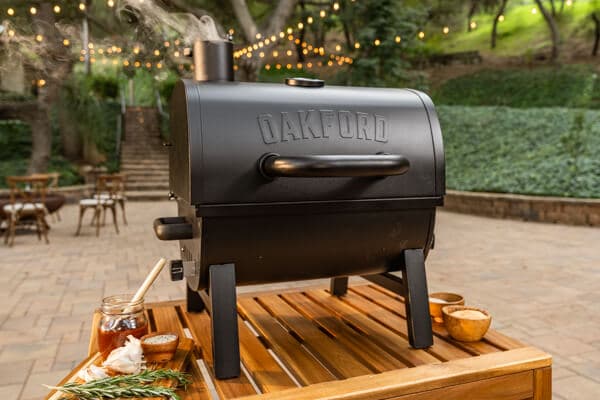
Dampers are located at the top and bottom of a charcoal grill. The bottom damper, or intake vent, allows oxygen to enter and fuel the fire, while the top damper, or exhaust vent, allows smoke and heat to escape. Adjusting these dampers changes the internal temperature, similar to adjusting the flame on a gas stove. Mastering this balance is key to achieving desired results, whether you’re searing steaks or smoking ribs.
Tip: Always start with both dampers fully open to ignite the charcoal quickly, then adjust to reach your target temperature.
The Role of Temperature Control
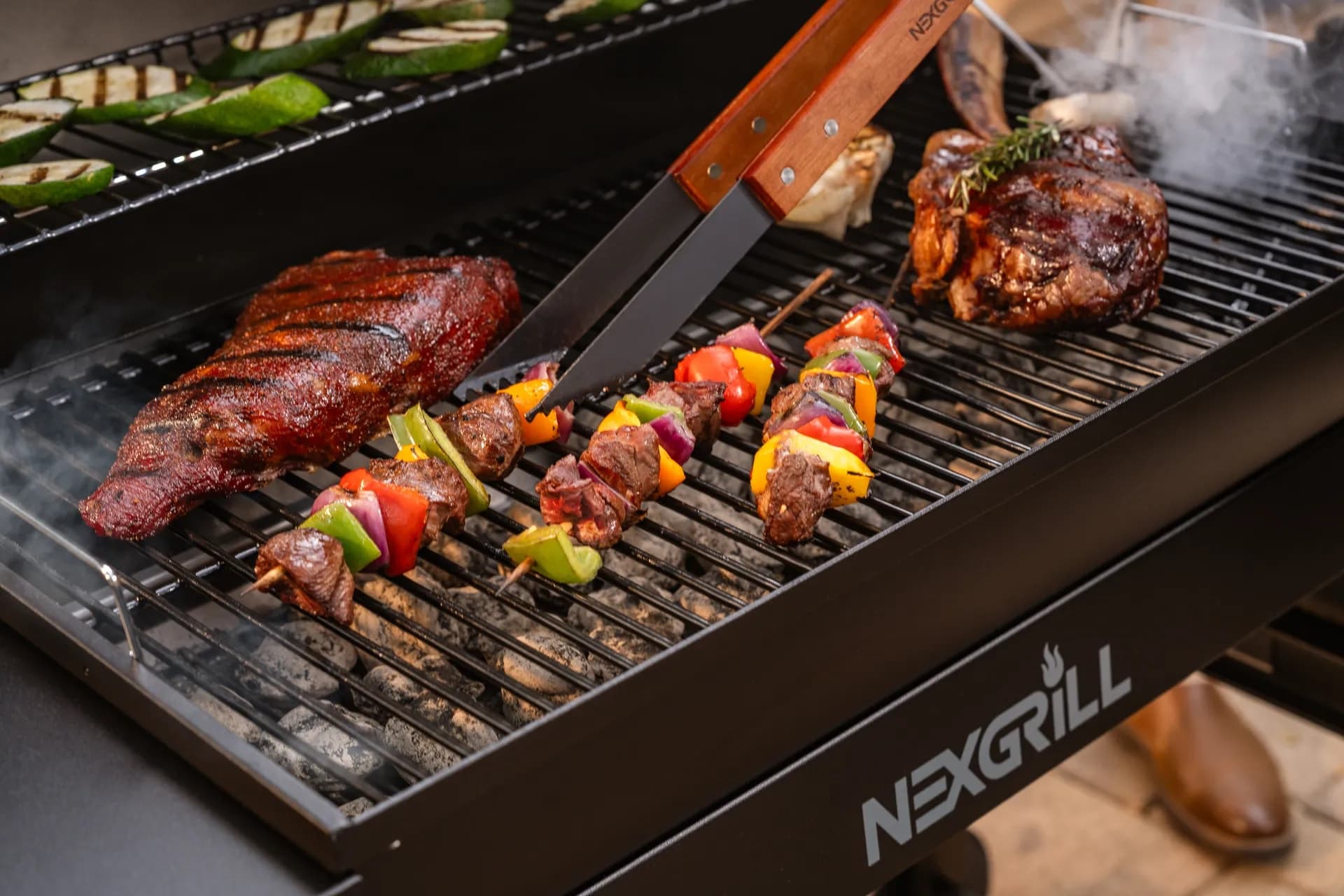
Controlling the temperature is essential for different grilling techniques. For high-heat grilling, such as searing, keep the intake damper open wide and the exhaust damper slightly open to maintain high oxygen flow. For slow cooking and smoking, partially close the intake damper to lower the temperature, keeping the exhaust damper open to allow smoke to circulate.
Ideal temperature for searing steaks.
Practical Tips for Using Dampers
To effectively use adjustable dampers, practice is key. Here are some expert tips to enhance your grilling:
- Always preheat your grill with the dampers open to stabilize the initial temperature.
- Use a grill thermometer to monitor internal temperatures and adjust dampers accordingly.
- For maintaining low temperatures, close the intake damper gradually until the desired temperature is reached.
- Remember that weather conditions, especially wind, can affect airflow and temperature control.
Experimenting with damper settings during different cooking conditions helps develop a better understanding of your grill’s performance. This hands-on experience is invaluable for achieving consistent, delicious results.
Tip: Keep a grilling journal to record damper settings, weather conditions, and cooking times for future reference.
| Setting | Use | Temperature Range (°F) |
|---|---|---|
| Both Open | Igniting charcoal | 500-700 |
| Bottom Closed, Top Open | Smoking | 225-275 |
| Bottom Open, Top Slightly Closed | Grilling | 350-450 |
Try comparing two products side by side below to see which fits best:
Advanced Dampers Techniques
Once you've weighed two options against each other, here's what else matters in mastering adjustable dampers. Beyond basic adjustments, advanced techniques can elevate your grilling experience. Mastering these techniques requires understanding the nuances of airflow and heat management.
Zonal Cooking
Zonal cooking involves creating different heat zones on your grill, allowing you to cook various foods simultaneously. By adjusting the bottom dampers, you can create a high-heat zone for searing and a low-heat zone for slow cooking. This method is especially useful for preparing complex meals with multiple components that require different cooking temperatures.
Info: Use a water pan in the low-heat zone to maintain moisture and prevent food from drying out.
Using the Wind to Your Advantage
Wind can be both a friend and foe in charcoal grilling. By positioning the grill so that the wind aids in drawing air through the intake vent, you can enhance combustion and maintain a steady temperature. Conversely, protecting the grill from strong gusts prevents unwanted temperature spikes.
Troubleshooting Common Damper Issues
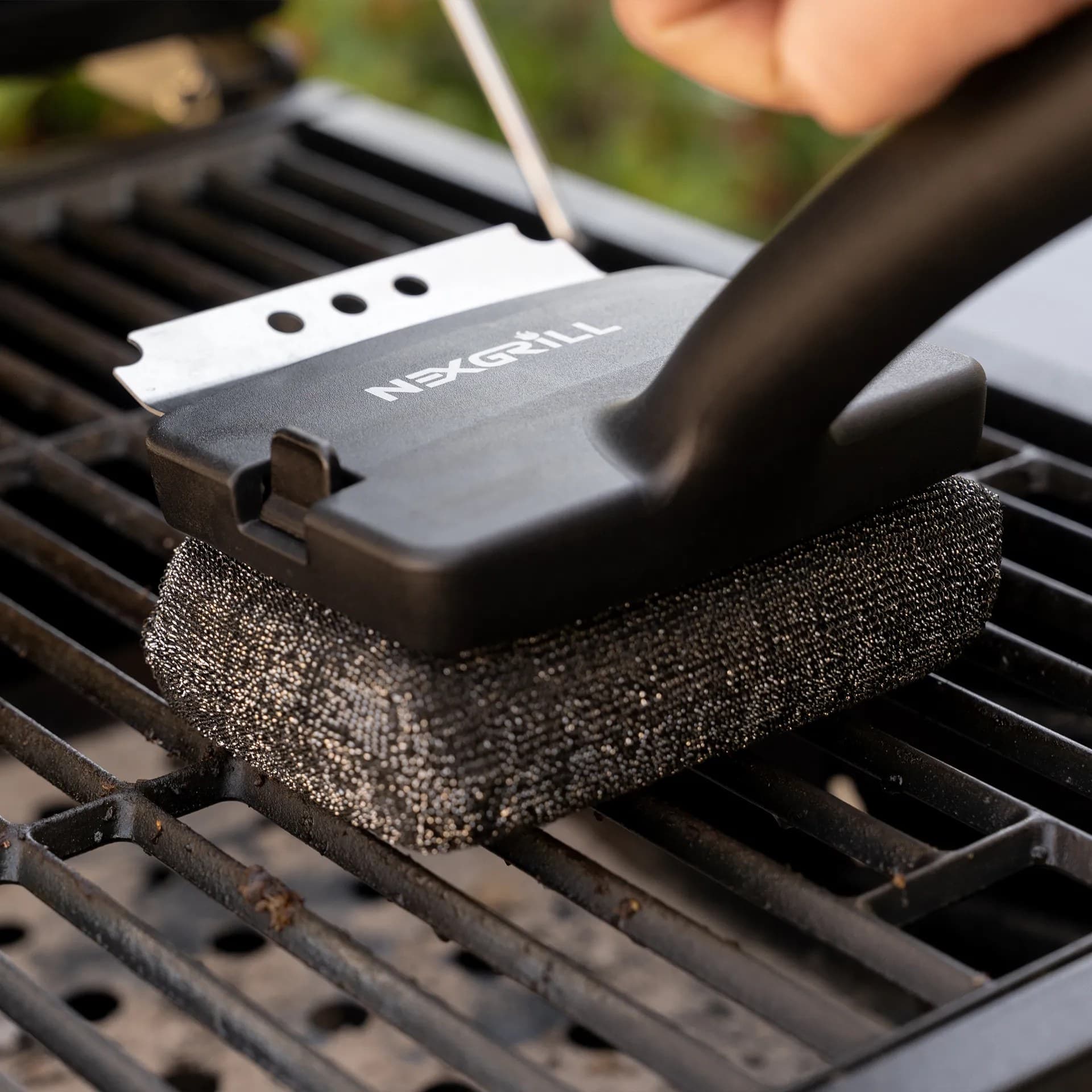
Despite best efforts, damper-related issues can arise. Common problems include difficulty maintaining a stable temperature or uneven cooking. Often, these issues can be traced back to improper damper settings or external factors such as weather conditions. Regular maintenance and cleaning can prevent build-up that obstructs airflow, ensuring optimal performance.
| Problem | Cause | Solution |
|---|---|---|
| Temperature Fluctuations | Wind interference | Reposition grill; adjust dampers |
| Uneven Cooking | Blocked dampers | Clean vents regularly |
| Low Heat | Insufficient oxygen | Open intake damper further |
Conclusion
Adjustable dampers are an essential tool for any grilling enthusiast. By mastering the control of airflow, you can achieve precise cooking temperatures, explore advanced techniques like zonal cooking, and troubleshoot common issues. With practice and experimentation, you’ll enhance your grilling skills and delight your guests with perfectly cooked meals.
Further Learning
For those interested in diving deeper into the art of grilling, numerous resources offer a wealth of knowledge. From online forums and video tutorials to cookbooks and grilling classes, there are plenty of opportunities to expand your expertise.