Elevate your grilling game with essential charcoal techniques and tips.
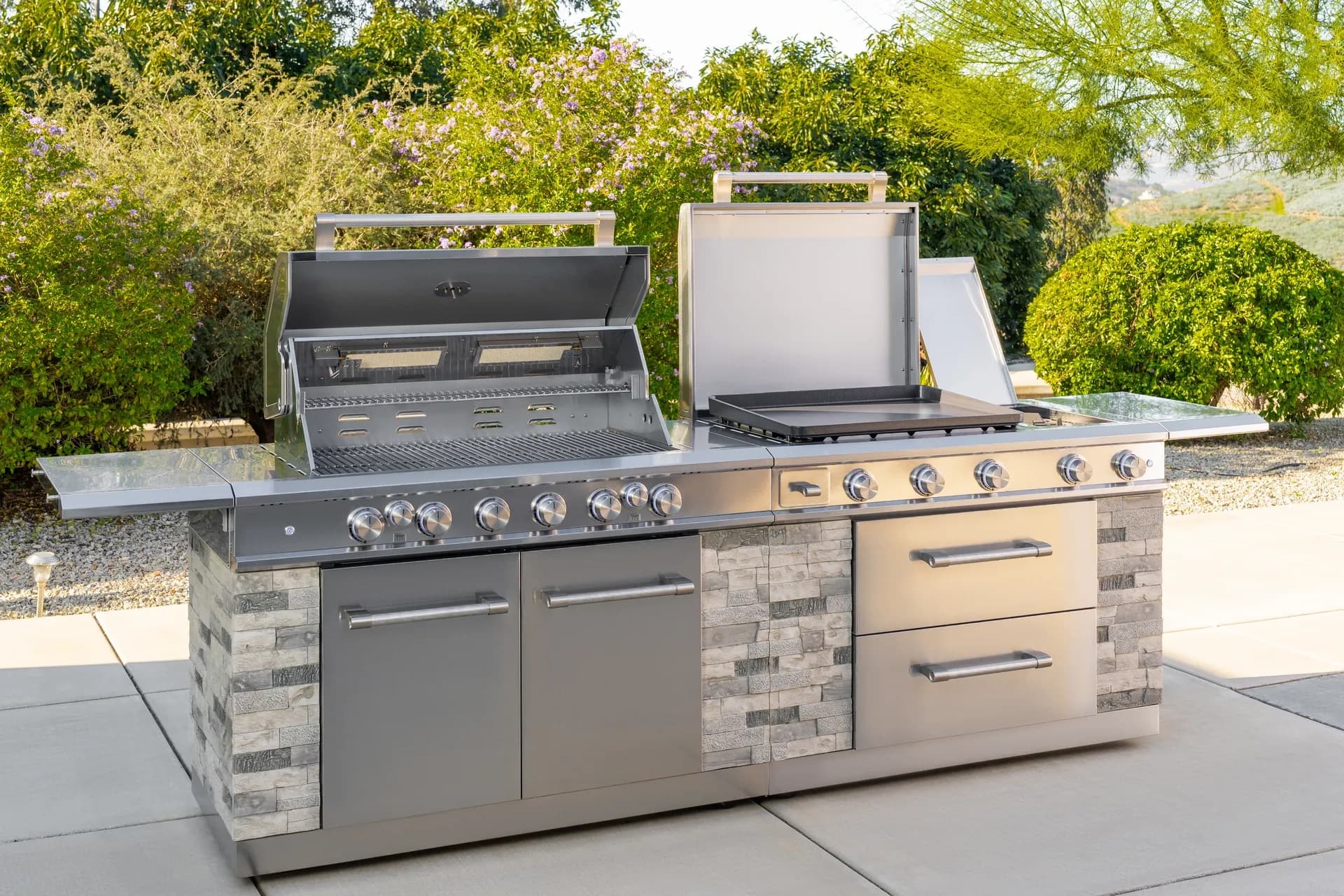
From sizzling breakfasts to smash burgers and teppanyaki-style dinners, the Daytona Pro 5 Burner NitroGuard™ Griddle delivers powerful heat, fast cooking, and a durable cooking surface built for every backyard cookout. Watch how easy outdoor cooking can be.
Here's what sets us apart from the competition
We position ourselves as delivering high-end outdoor cooking features and performance without premium-brand pricing, emphasizing “Quality Grills. Unbelievable Value.”
We offer gas grills, pellet grills, griddles, smokers, pizza ovens, portable/tabletop grills, electric grills, accessories, and replacement parts — allowing customers to stay within one ecosystem for all outdoor cooking needs.
We differentiate ourselves through smart grilling products like the Oakford smart pellet grill, including app-connected cooking controls and modern outdoor cooking technology.
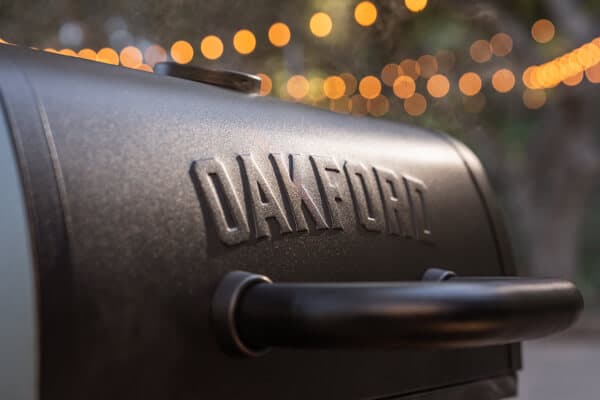
Expert tips, buying guides, comparisons, and inspiration for choosing and getting the most out of your grill.
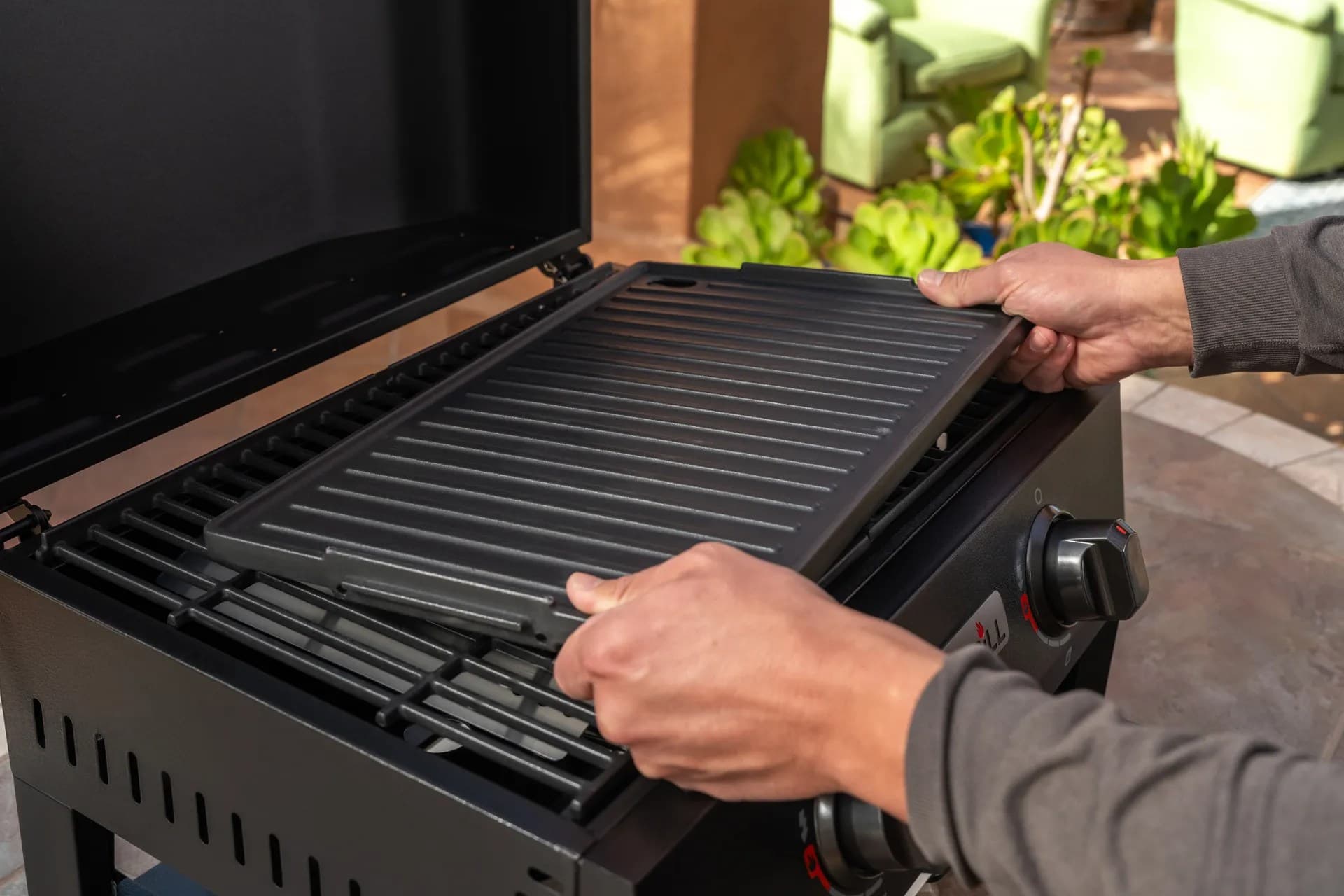
Practical guides for cleaning, maintenance, common grill issues, and performance optimization.
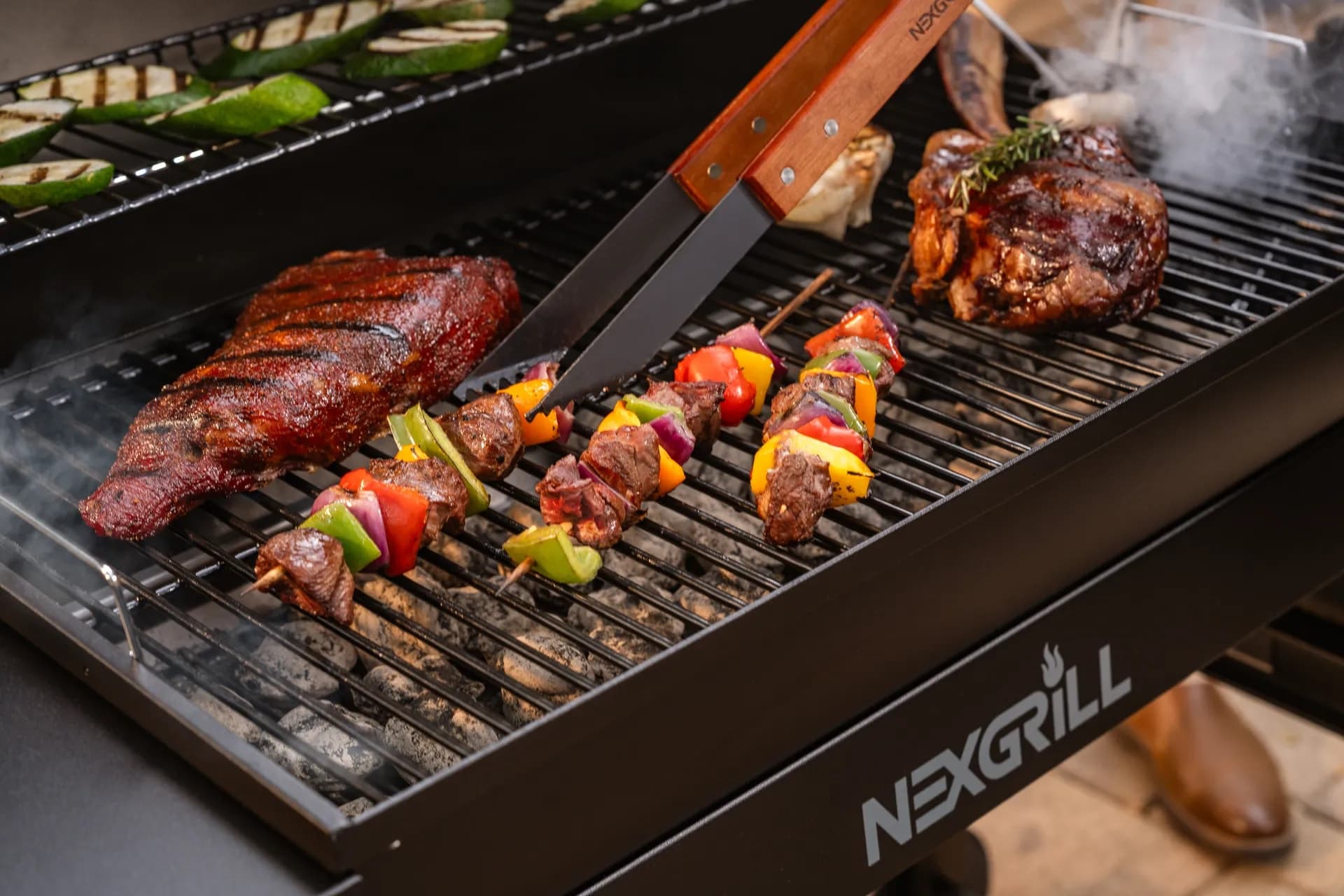
Step-by-step grilling recipes, cooking techniques, and meal ideas for every occasion and skill level.
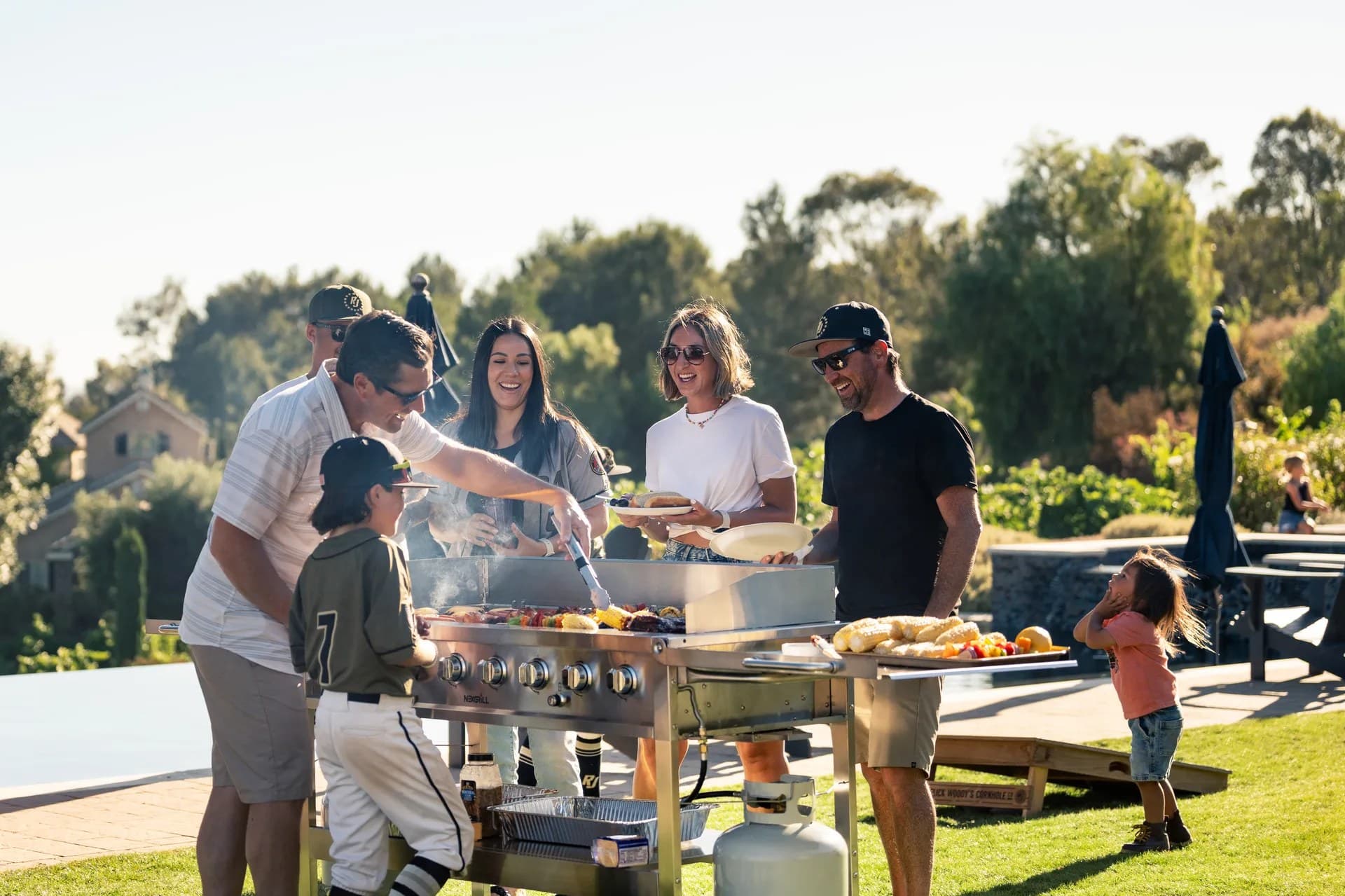
Backyard entertaining ideas, seasonal grilling inspiration, and stories that celebrate outdoor cooking culture.
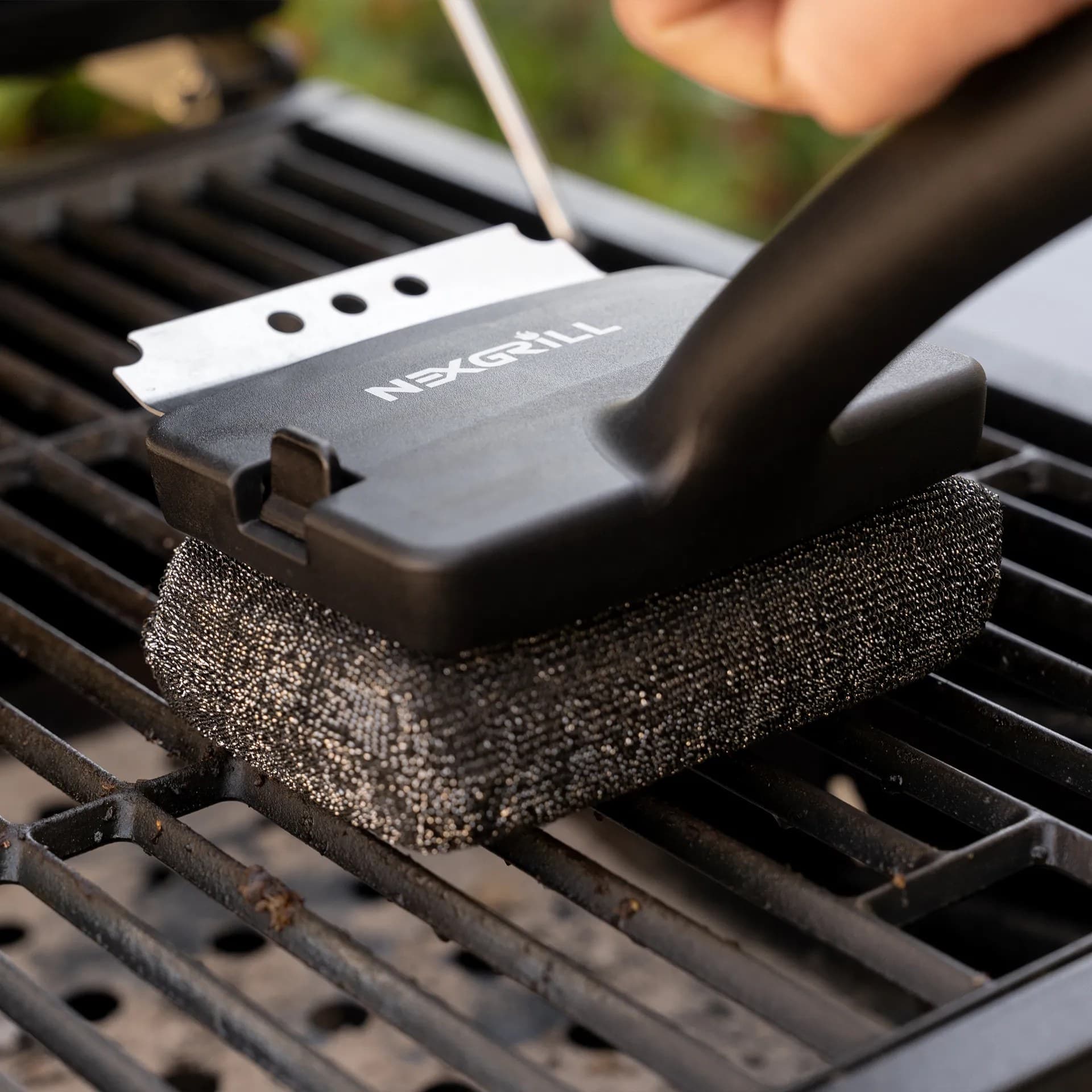
Helpful articles covering grilling tools, cookware, maintenance gear, and must-have accessories for outdoor cooking.
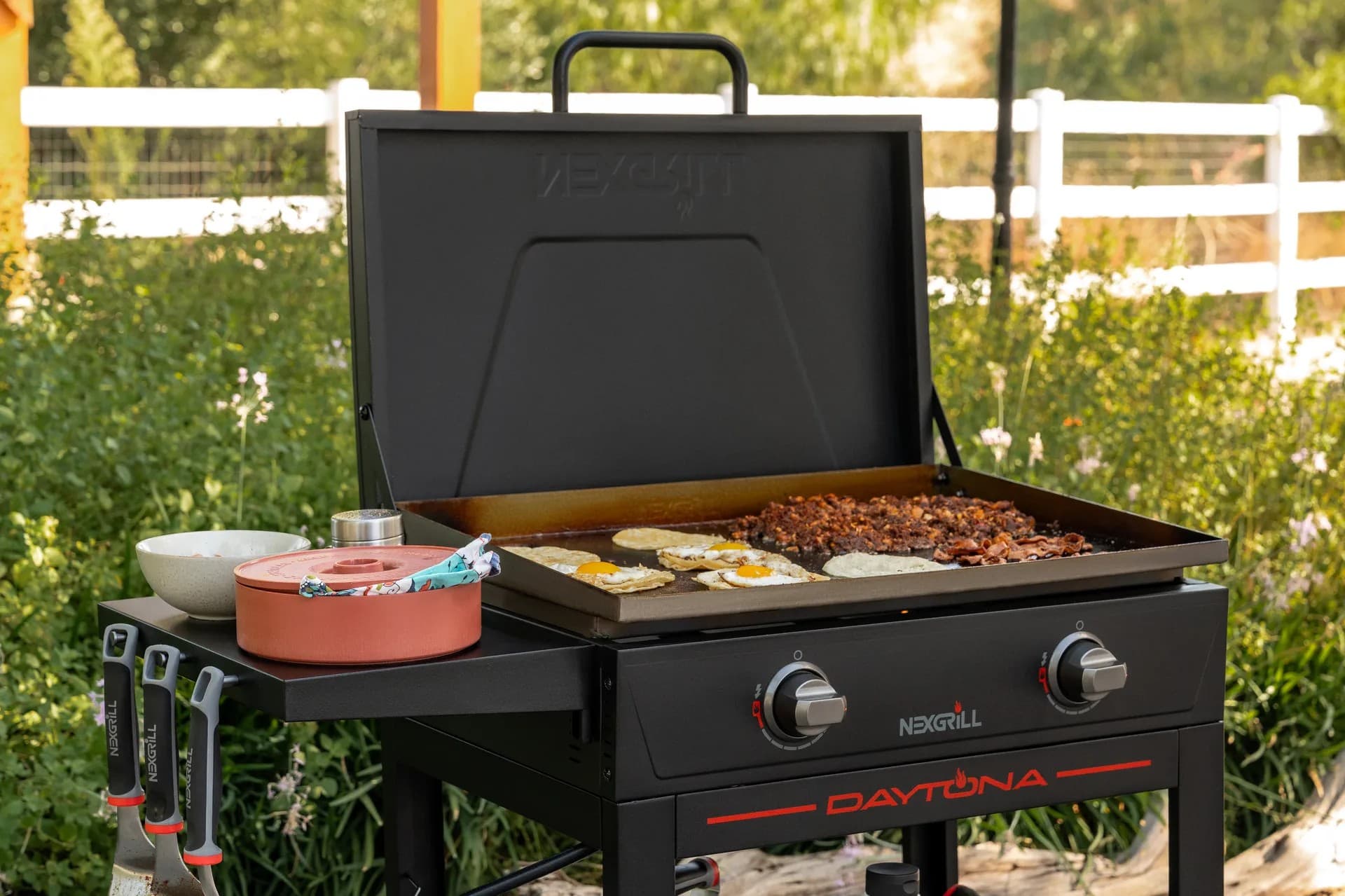
Find griddle recipes, cooking techniques, cleaning tips, and outdoor meal ideas designed for Nexgrill griddles.
Find answers to common questions
Gas grills provide instant heat and precise temperature control, making them easier to use. Charcoal grills offer a smoky flavor and high heat for searing but require more time to heat up and manage.
Pellet grills combine the convenience of gas with the flavor of wood, allowing for smoking, baking, and grilling. Traditional gas grills, however, are quicker to start and often easier to clean.
Charcoal grills typically reach higher temperatures quicker than gas grills, making them better for searing meat. However, high-quality gas grills can also provide adequate heat for effective searing.
Nexgrill offers models designed specifically for gas, charcoal, and pellets, allowing users to choose based on their cooking style and flavor preferences. Each type is built to optimize the characteristics of its respective fuel.
Choosing between gas and charcoal grills depends on your cooking preferences and lifestyle. If you value convenience and quick cooking, a gas grill may suit you better; if you prefer the taste and experience of traditional grilling, a charcoal grill would be ideal.
In This Article
Charcoal Selection
Temperature Control
Flavor Enhancement
Charcoal grilling is a time-honored tradition that infuses food with a unique smoky flavor. Unlike gas grills, charcoal grills require a bit more finesse and understanding to master. The first step to becoming proficient is understanding the types of charcoal available: lump charcoal and briquettes. Lump charcoal lights quickly and burns hotter, while briquettes provide a more consistent burn. Each has its own benefits, so choosing the right type depends on your grilling style and the flavor you wish to achieve.
Once you've selected your charcoal, it's crucial to use the right amount. Too much can lead to excessive heat and uneven cooking, while too little may not generate enough heat for proper grilling. A charcoal chimney starter is an invaluable tool for igniting charcoal evenly without the need for chemical starters, which can impart unwanted flavors.
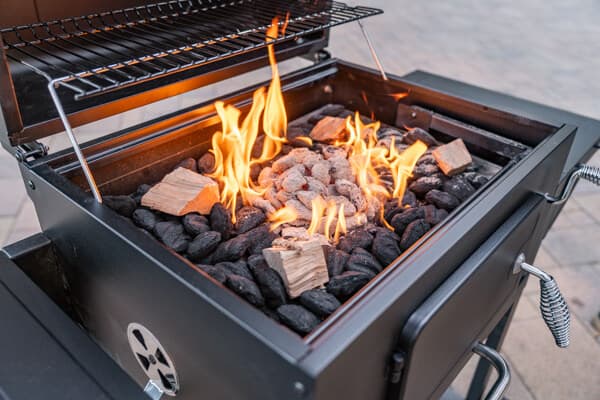
Controlling the temperature of a charcoal grill is both an art and a science. The key is to create heat zones, which allow you to sear meat at high temperatures while cooking other items more slowly. Arrange the charcoal in a two-zone setup by piling it on one side for direct heat and leaving the other side empty for indirect cooking. Use the grill's vents to control oxygen flow and adjust the temperature. More open vents increase the heat, while closing them reduces it.
| Method | Zone Setup | Ideal For |
|---|---|---|
| Direct Grilling | Single zone | Steaks, burgers, hot dogs |
| Indirect Grilling | Two zones | Ribs, whole chickens, roasts |
For the best grilling experience, invest in quality tools. A sturdy pair of tongs, a grill brush, and a meat thermometer are essential. A grill brush keeps your grates clean for better heat transfer and prevents food from sticking. A meat thermometer ensures that your food is cooked to the right temperature, keeping it safe and delicious.
Tip: Always let your grill preheat fully before cooking. This ensures even cooking and prevents sticking.
Timing is everything in grilling. Different foods require different cooking times and techniques. For instance, when grilling steak, sear each side over direct heat to lock in the juices, then move it to indirect heat to finish cooking to your desired doneness. Vegetables, on the other hand, should be cooked over direct heat for a shorter time to retain crispness and flavor.
One of the greatest advantages of charcoal grilling is the ability to enhance flavors with wood smoke. Adding wood chips or chunks to the charcoal can impart different flavors to your grilled dishes, from the sweetness of applewood to the boldness of hickory. Soak wood chips in water for about 30 minutes before adding them to the coals to prevent them from burning too quickly.
Using a smoker box or simply wrapping the soaked chips in foil with holes poked in it will help distribute the smoke evenly. Experiment with different wood types to find your preferred flavor profile.
Safety is paramount when grilling. Always grill in a well-ventilated area to avoid smoke inhalation and potential carbon monoxide buildup. Keep a fire extinguisher nearby and never leave the grill unattended while in use.
Proper maintenance of your charcoal grill will extend its lifespan and enhance your grilling experience. After each use, clean the grates with a grill brush to remove food particles and grease. Periodically, empty the ash catcher to ensure proper airflow and prevent rusting.
Warning: Never use water to douse hot coals. This can cause steam burns and damage your grill.
For those looking to elevate their grilling skills, reverse searing is an excellent technique. It involves cooking meat slowly over indirect heat until it is nearly done, then quickly searing it over direct heat to finish. This method provides a perfectly cooked interior with a flavorful crust.
Smoking is another advanced technique that requires maintaining a low, steady temperature over an extended period. It's perfect for larger cuts of meat like brisket or pork shoulder, resulting in a tender, flavorful dish.
The beauty of charcoal grilling lies in its versatility and the endless possibilities it offers for flavor creation. Don't be afraid to experiment with different marinades, rubs, and wood combinations. Each grilling session is an opportunity to discover new tastes and perfect your craft.
Charcoal grilling is not just about cooking; it's about creating an experience, a moment to savor with family and friends. With the right techniques and a bit of creativity, you can turn every grilling session into a culinary masterpiece.
Here's what sets us apart
We position ourselves as delivering high-end outdoor cooking features and performance without premium-brand pricing, emphasizing “Quality Grills. Unbelievable Value.”
We offer gas grills, pellet grills, griddles, smokers, pizza ovens, portable/tabletop grills, electric grills, accessories, and replacement parts — allowing customers to stay within one ecosystem for all outdoor cooking needs.
We differentiate ourselves through smart grilling products like the Oakford smart pellet grill, including app-connected cooking controls and modern outdoor cooking technology.
Don't just take our word for it
Keep reading
From our catalog