Step-by-Step Guide to Charcoal Grill Setup for Beginners
Master the art of charcoal grilling with our comprehensive setup guide.
In This Article
Grill Components
Lighting Charcoal
Maintenance Tips
Understanding Your Charcoal Grill Components
Setting up a charcoal grill begins with familiarizing yourself with its components. Most charcoal grills consist of a grill base, a cooking grate, a charcoal grate, and a lid. Understanding their functions is crucial. The grill base holds the charcoal grate, which supports the charcoal and allows air to flow underneath, ensuring efficient combustion. The cooking grate sits above the charcoal grate, providing the surface for your food.
The lid plays a critical role in controlling temperature and smoke. Many beginners overlook the importance of vents, which are typically located on the lid and the base. These vents regulate airflow, impacting the heat and cooking speed. Proper use of vents can enhance your grilling experience significantly.
| Component | Function |
|---|---|
| Grill Base | Holds the charcoal grate and collects ash. |
| Charcoal Grate | Supports charcoal and allows airflow. |
| Cooking Grate | Surface for grilling food. |
| Lid | Retains heat and smoke; controls airflow. |
Setting Up Your Grill for the First Time
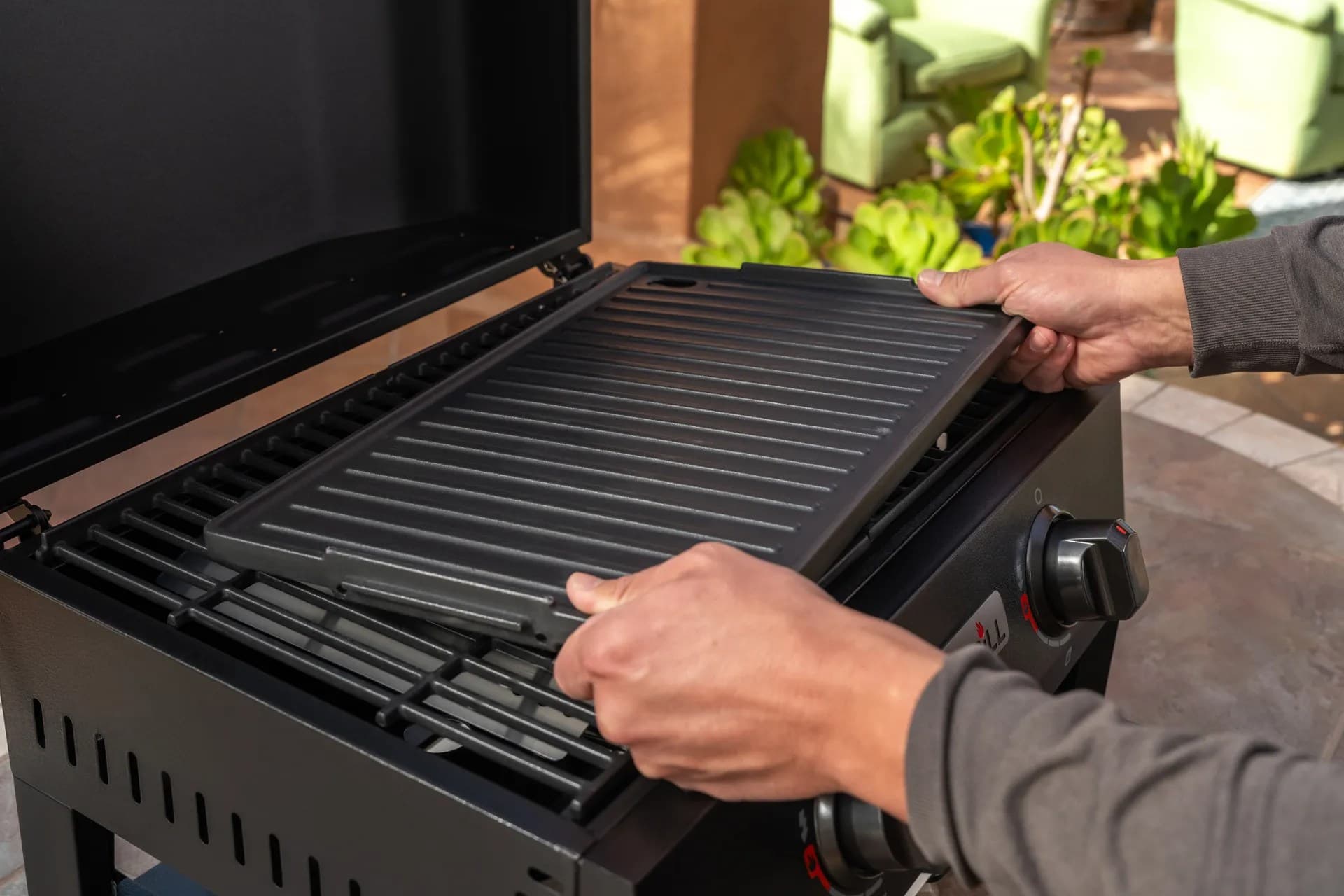
After understanding the components, the next step is to assemble your grill. Start by placing the charcoal grate within the grill base. Ensure it is securely positioned to avoid any accidents during grilling. Next, place the cooking grate above the charcoal grate. Some models have adjustable heights for the cooking grate, allowing you to control the cooking temperature by altering the distance between the food and the heat source.
Positioning your grill is also crucial. Choose a flat, stable surface outdoors, away from any flammable materials. Ensure there is adequate ventilation and space around the grill for safety and convenience.
Tip: Use a grill mat underneath your grill to protect your patio or deck from heat and sparks.
Lighting the Charcoal
Mastering the art of lighting charcoal is a critical skill for any griller. Begin by arranging charcoal briquettes or lump charcoal on the charcoal grate, forming a pyramid shape. This arrangement helps the charcoal ignite more evenly. Avoid using lighter fluid, as it can impart undesirable flavors to your food.
Instead, opt for a chimney starter. Fill the chimney with charcoal and place a fire starter or crumpled newspaper underneath it. Once lit, the chimney design allows air to flow through, igniting the charcoal efficiently. After 15-20 minutes, the charcoal should be glowing red with a gray ash coating, indicating it's ready for grilling.
Info: A chimney starter is an eco-friendly and efficient tool for lighting charcoal.
Temperature Control and Vents
Temperature control is essential for successful grilling. Once your charcoal is ready, pour it onto the charcoal grate and spread it evenly. Position the cooking grate and place the lid on the grill, ensuring the vents are open. Adjusting the vents allows you to control the temperature. Opening the vents increases airflow, raising the temperature, while closing them reduces airflow, lowering the heat.
For indirect cooking, place the charcoal on one side of the grill, leaving the opposite side empty. This method is ideal for larger cuts of meat that require slower cooking.
Ideal grilling temperature for most foods.
Try comparing two products side by side below to see which fits best:
Advanced Techniques for Charcoal Grilling
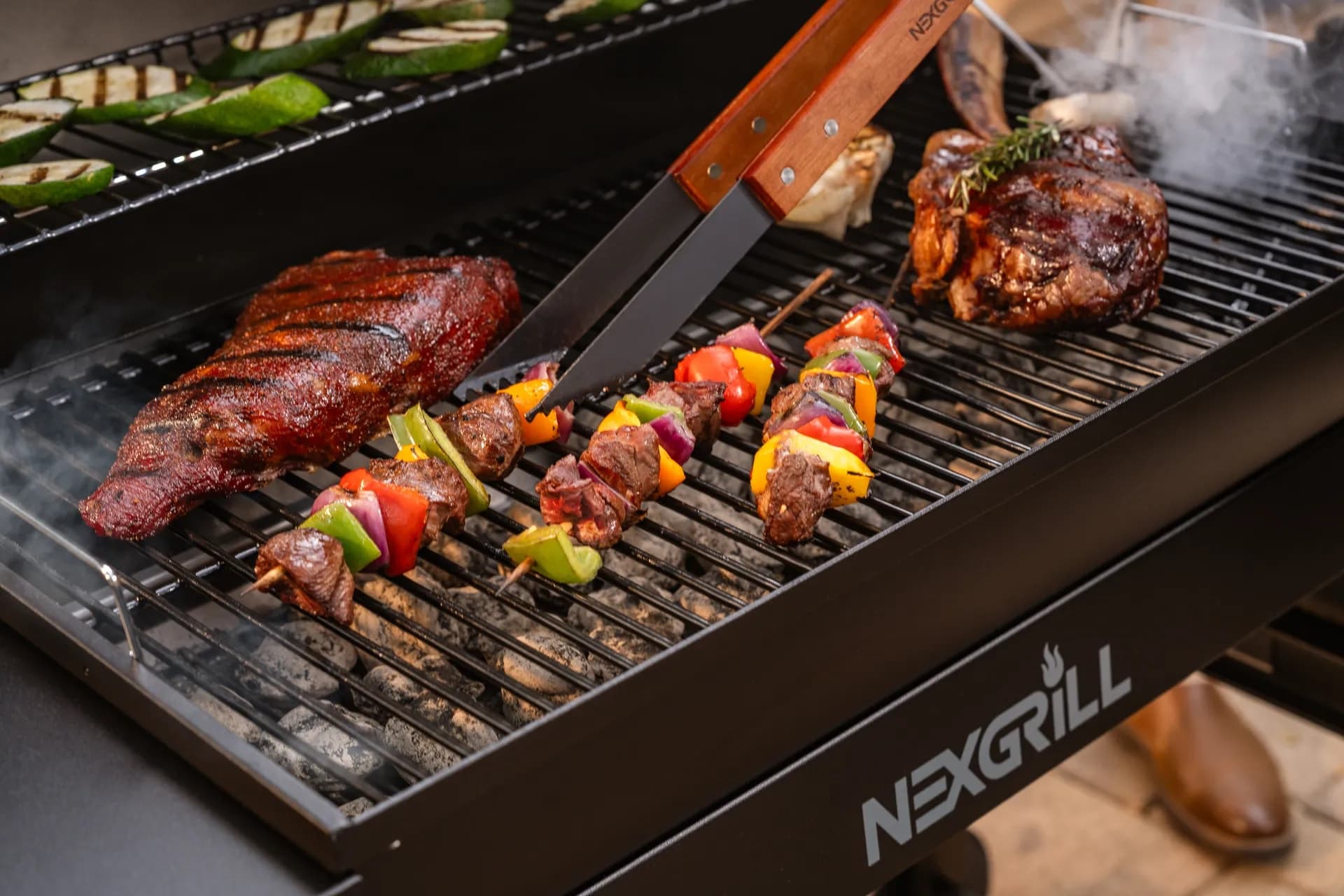
Once you've weighed two options against each other, here's what else matters… Mastering advanced grilling techniques can elevate your outdoor cooking experience. One such technique is the two-zone fire, which involves creating separate heat zones on your grill. By piling charcoal on one side, you create a high-heat zone for searing, while the other side acts as a low-heat zone for slow cooking or keeping food warm.
For a smoky flavor, consider adding wood chips to the charcoal. Soak the chips in water for 30 minutes, then sprinkle them over the hot coals. The smoke infuses the food with rich, complex flavors, enhancing the overall taste.
Warning: Avoid opening the lid frequently to maintain consistent temperature and smoke.
Cleaning and Maintenance
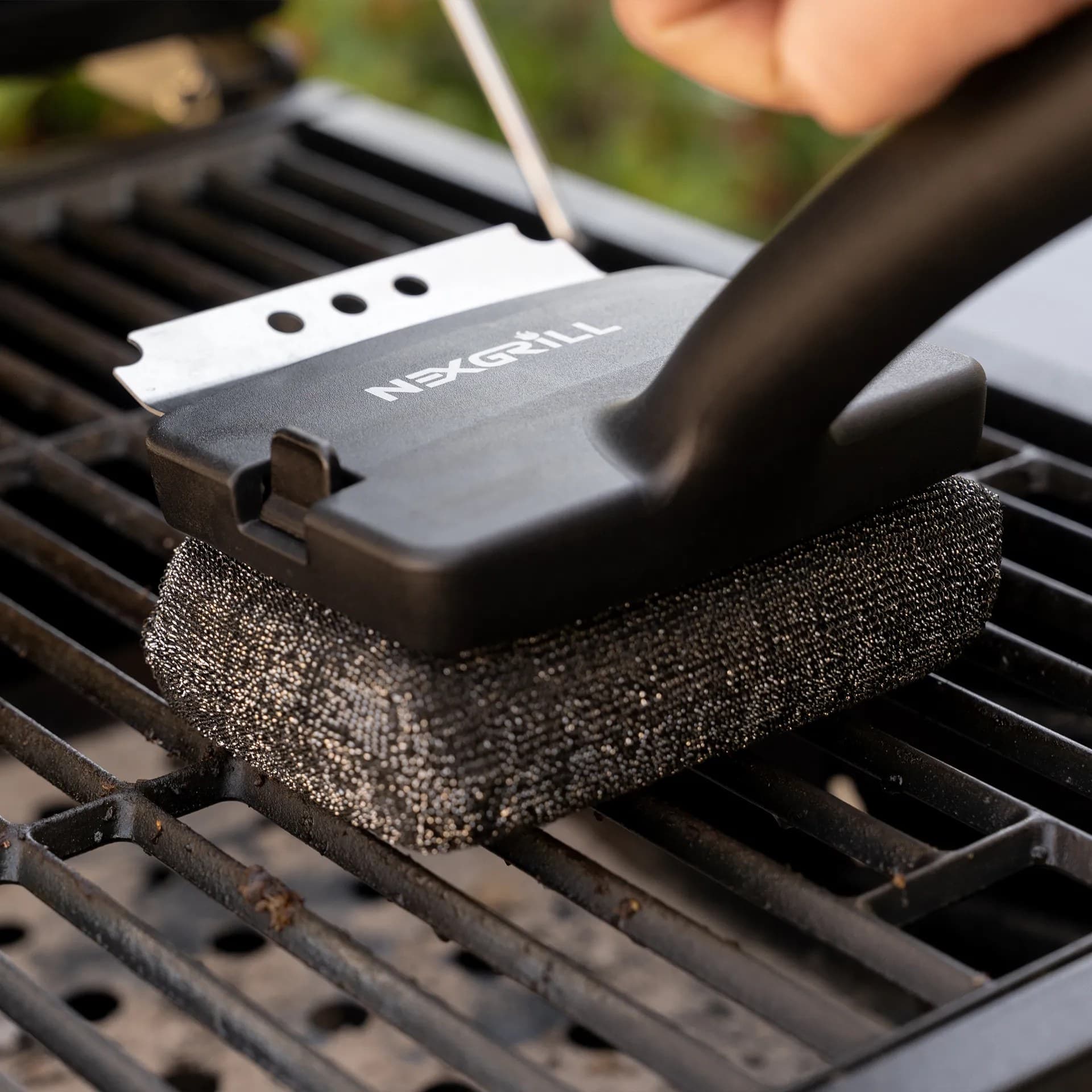
Regular cleaning and maintenance are crucial for prolonging the life of your charcoal grill. After each use, allow the grill to cool before removing the ashes. Use a grill brush to clean the cooking grate and remove any food residue. Periodically, you should give your grill a deep clean. Disassemble the components and wash them with warm, soapy water. Rinse thoroughly and allow them to dry completely before reassembling.
| Maintenance Task | Frequency |
|---|---|
| Ash Removal | After every use |
| Grate Cleaning | After every use |
| Deep Cleaning | Every 3 months |
Choosing the Right Charcoal
The type of charcoal you use can significantly impact your grilling results. Charcoal briquettes are popular for their consistent size and burn rate, while lump charcoal burns hotter and cleaner with a more natural flavor. Consider your cooking style when selecting charcoal. For quick grilling sessions, briquettes provide consistent heat, while lump charcoal is ideal for high-heat searing and longer cooking times.
Additionally, flavored briquettes infused with wood chips are available, offering unique taste profiles. Experimenting with different types of charcoal can help you discover your preferred grilling method.