Best Grill Maintenance Products: Build a Kit That Actually Works
A step-by-step guide to choosing brushes, cleaners, and tools for cast iron, stainless, and porcelain grates - with real safety notes.

In This Article
Job-Matched Picks
Safety First
Kit-Building Steps
How to Build a Grill Maintenance Kit That Matches Your Grate Type
Most grills die from neglect, not use. A $35 kit in the right order will outlast a $200 impulse haul of the wrong tools. This guide works backwards from a simple rule: your grate material decides your brush, your cleaner, and even your scrubbing pressure. Get that match wrong and you'll strip seasoning off cast iron or scratch porcelain enamel you can't repair.
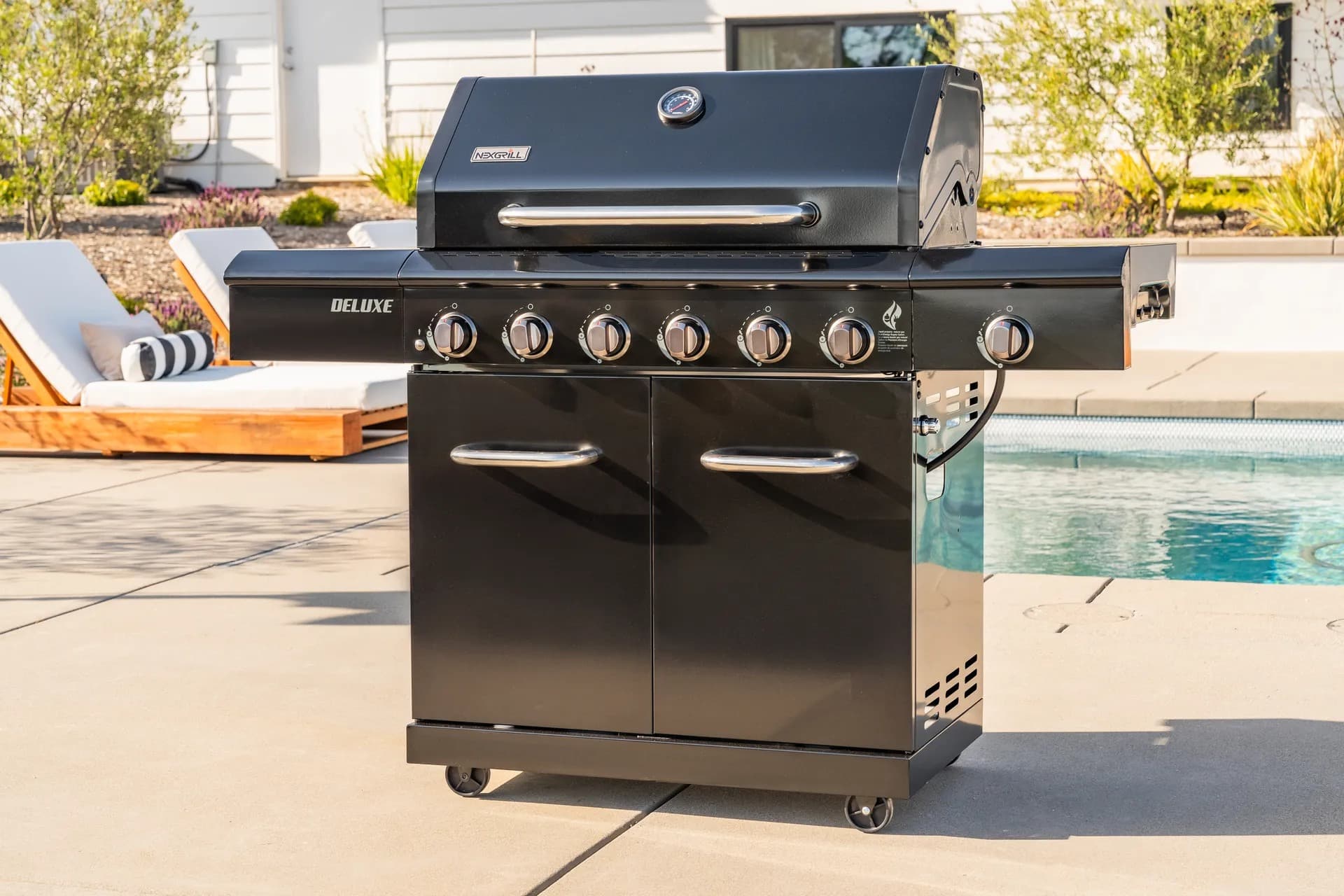
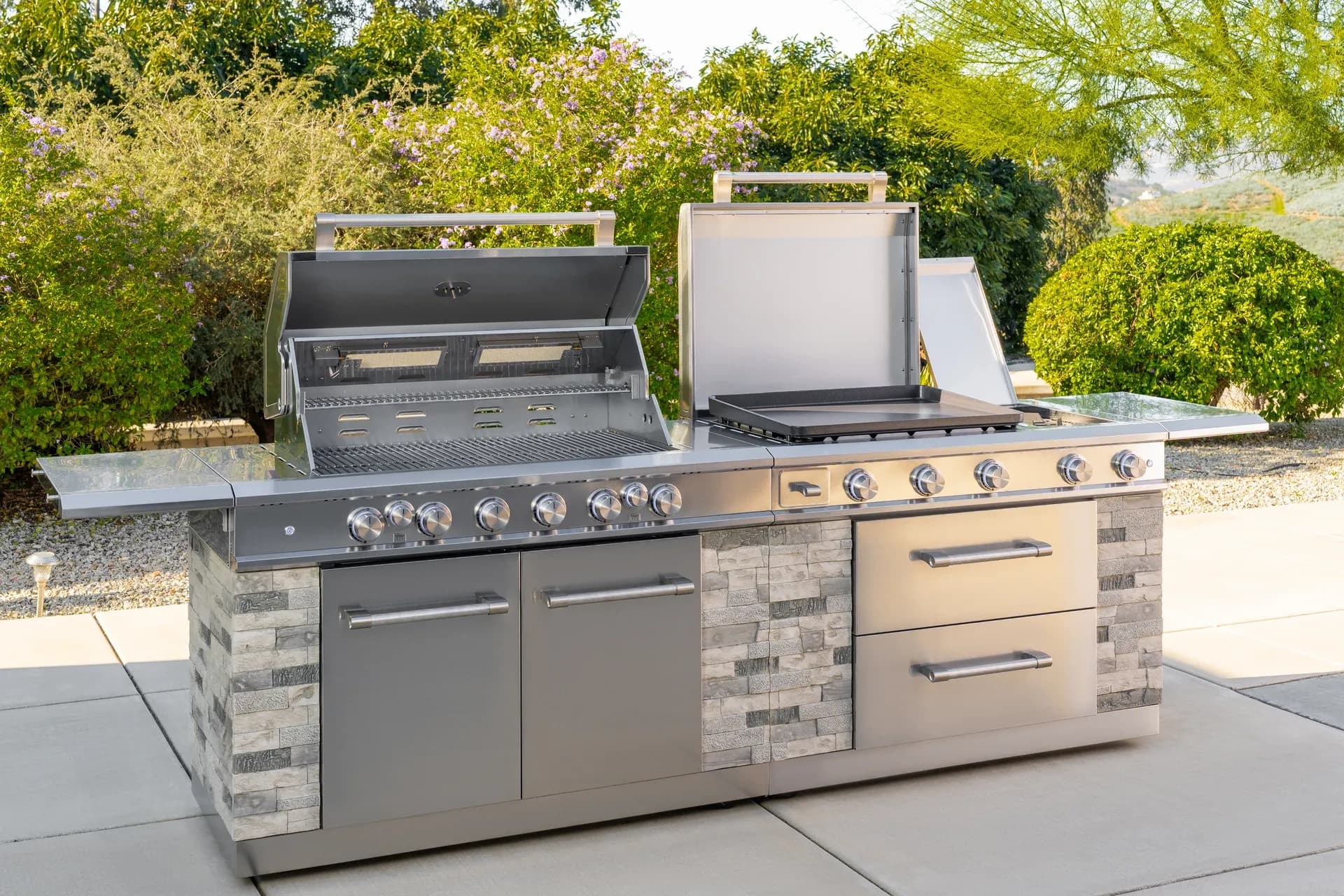
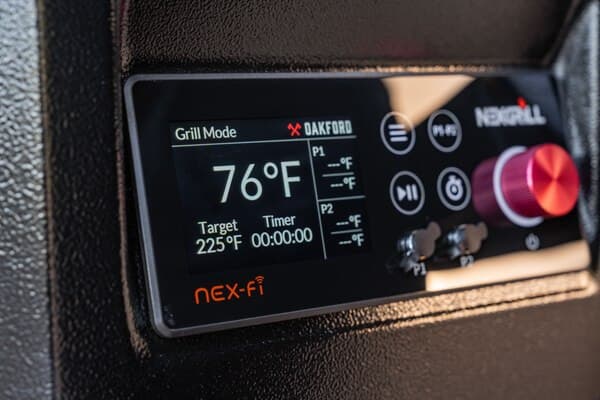
We build the kit in five steps, then cover the mistakes that quietly ruin grates. Nexgrill's accessory range is a useful anchor because the specs - burner count, grate material, included cover - vary widely across models, from the Deluxe 2-Burner Gas Grill to the Oakford 1125 Pro Pellet Smoker Grill. Read your manual's grate spec before you buy anything.
Step 1: Identify Your Grate Material Before Buying Anything
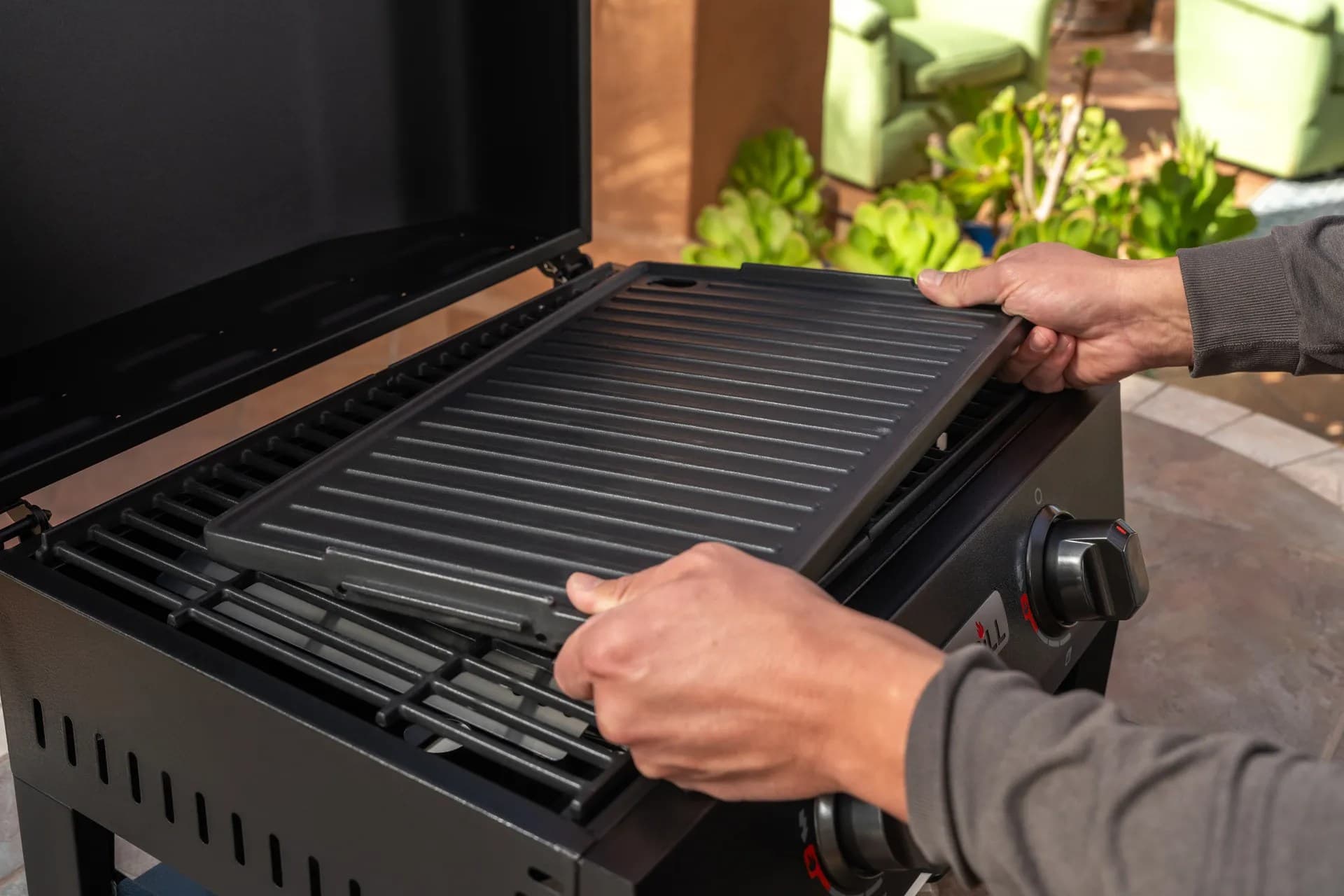
Pick up a magnet. If it sticks hard, you have cast iron (bare or enamel). If it barely grabs, you likely have stainless steel. Porcelain-coated cast iron looks like cast iron but has a glassy sheen - and that coating punishes aggressive tools.
| Grate type | Safe | Avoid |
|---|---|---|
| Bare cast iron | Stiff wire brush, chain-mail scrubber, oil re-seasoning | Dish soap, soaking, oven cleaner |
| Porcelain enamel | Nylon brush, bristle-free coil brush, grill stone lightly | Metal scrapers, wire wheels, abrasive pads |
| Stainless steel | Wire brush, oxalic-acid cleaners (e.g. Bar Keepers Friend) | Chlorine bleach, steel wool on polished surfaces |
Lodge recommends no soap on bare cast iron - hot water and a stiff brush, then a thin oil coat. Doing this after every cook prevents the rust spiral that starts with stripped seasoning.
Step 2: Choose the Right Brush - Wire vs. Bristle-Free vs. Stone
The CPSC has logged hundreds of emergency-room visits from ingested wire bristles that detach from grill brushes. Bristle-free designs (coil loops, springs, or chain-mail pads) eliminate that failure mode entirely at a modest cost premium.
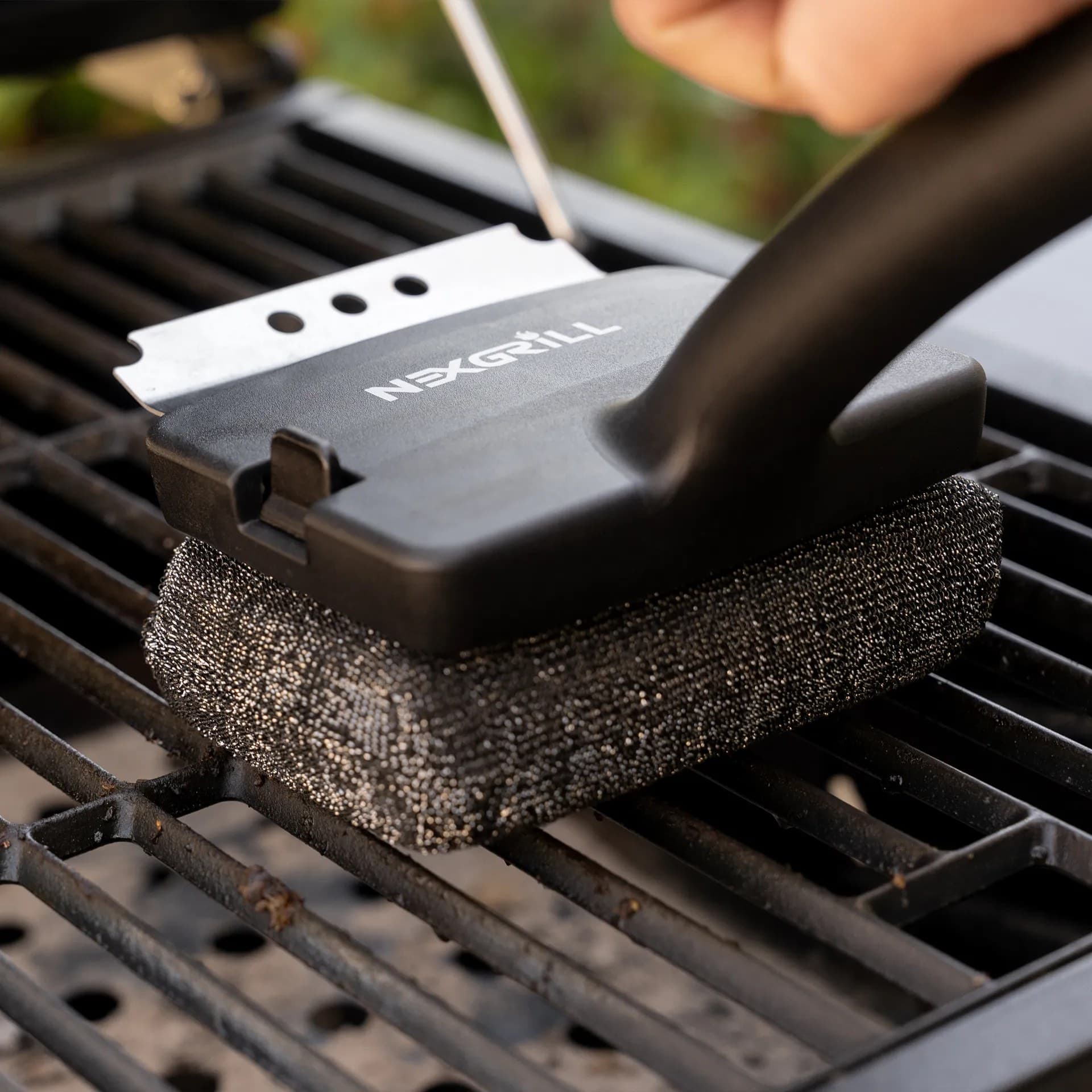
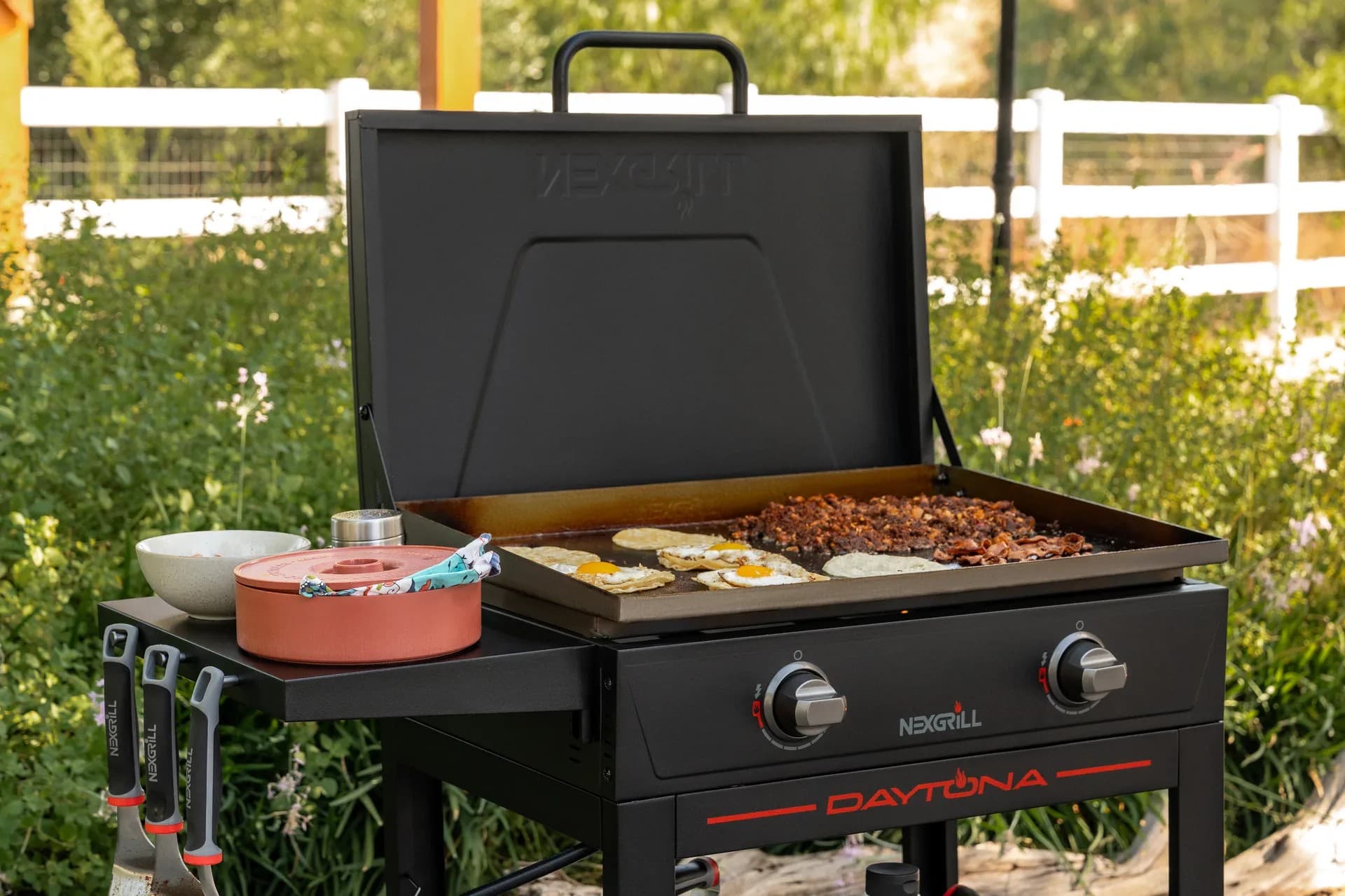
Here's the job-to-product match we use: wire brush ($8-$20) for cool-to-warm stainless and cast iron heavy scraping; bristle-free coil brush ($15-$30) for households with kids, pets, or porcelain grates; grill stone ($8-$15) for baked-on carbon on a hot flat-top griddle like the Daytona 4-Burner Griddle; chain-mail scrubber ($15-$30) for cast iron where you want to keep seasoning intact.
Inspect your wire brush every few cooks and retire it the moment any bristle wiggles. A brush is a wear item, not an heirloom.
Step 3: Pick a Cleaner That Won't Ruin Your Grates (or You)
Degreasers fall into three tiers. Spray/gel alkaline degreasers ($6-$15) cut cold grease fast but contain lye - gloves and ventilation are non-negotiable. Oxalic-acid cleaners are the right call for stainless, not cast iron. DIY vinegar plus baking soda is food-safe, cheap, and adequate for light residue; it does almost nothing on polymerized carbon, so don't expect miracles.
Typical preheat before brushing grates - enough to loosen residue without burning it on
Step 4: Add the Supporting Cast: Covers, Drip Trays, and Thermometers
Brushes and cleaners are only half a kit. A fitted cover ($25-$70) is the single best rust-prevention dollar; check whether your grill already includes one - the Oakford 875 Pro Pellet Smoker ships with a cover, so don't buy twice. Drip trays and foil liners keep grease off burners, and a probe thermometer verifies doneness rather than eyeballing it - the USDA recommends 145°F for whole cuts and 165°F for poultry.
Step 5: Use Your Kit in the Right Order - From Preheat to Storage
Prerequisites first: read your manual, confirm grate material, and stock gloves. Then the sequence - preheat 10-15 minutes, brush hot grates, scrape, cool, spray degreaser on the firebox and drip tray (not the grates while hot), wipe, and cover once fully cool. Skip the order and you either burn cleaner onto metal or scrub cold grease for triple the time. Once you've built your shortlist, compare two products side by side below to see which fits best.
Once You've Compared Two Products, Here's What Else Matters
Price and specs rarely settle the decision. What separates a kit you use from one that gathers dust under the shelf is fit - whether the brush reaches behind the warming rack, whether the cleaner is safe on the grate you actually own, and whether you'll keep the tools within arm's reach of the grill. A $12 coil brush that lives on the side shelf beats a $40 brush kit in the garage.
Buy one brush per grill if you run a gas and a charcoal unit. Cross-using a wire brush on porcelain is the most common way grill owners scratch a coating they can't fix.
How to Remove Mold from Grates Safely After Off-Season Storage
Mold usually appears after winter storage in a covered, damp grill. Don't just burn it off. Scrub cold grates with hot soapy water or a vinegar solution, rinse thoroughly, then run the grill at high heat for 10-15 minutes to burn off residue. Replace charcoal if the bottom is fuzzy, and check the drip tray - mold there means moisture is trapped, so inspect the cover for pooling.
DIY vs. Commercial Cleaners: Cost and Performance Trade-Offs
| Option | Cost (est.) | Best for | Limitation |
|---|---|---|---|
| Vinegar + baking soda | ~$3 for months | Light grease, food-safe cleanup | Weak on polymerized carbon |
| Alkaline gel degreaser | $6-$15 | Firebox, drip trays, cold buildup | Lye - gloves, ventilation |
| Oxalic-acid powder | $8-$20 | Stainless exterior and grates | Not for bare cast iron |
Which Kit Suits Your Grilling Style? Three Buyer Profiles
- Weeknight gas griller ($30-$50): bristle-free coil brush, light degreaser, fitted cover, foil drip liners. Fast and safe.
- Cast-iron traditionalist ($40-$70): chain-mail scrubber, stiff brush, re-seasoning oil, no detergent anywhere near the grates.
- Griddle and flat-top cook ($45-$80): grill stone, metal scraper, squeeze bottles for oil and water, dedicated degreaser for the trough.
A Simple Monthly and Seasonal Maintenance Routine (No Calendar Needed)
Tie maintenance to events instead of dates. After every cook: hot-grate brush and a quick drip-tray check. Every third cook: scrape and degrease the firebox. When you refill the propane tank or the pellet hopper: deep clean, inspect burners and the brush for loose bristles, and wipe the cover inside and out. Before storage: full scrub, mold check, dry completely, cover. That five-touch rhythm is enough to keep most Nexgrill models - from the 4-Burner Gas Grill with Side Burner to the charcoal Oakford Homestead 24 - working for years beyond the warranty window.