User Guide: Maximizing Performance of High Heat Retention Grills
Unlock the full potential of your grill with expert tips and tricks.
In This Article
Key Features
Optimal Use Tips
Choosing the Right Grill
Understanding High Heat Retention Grills
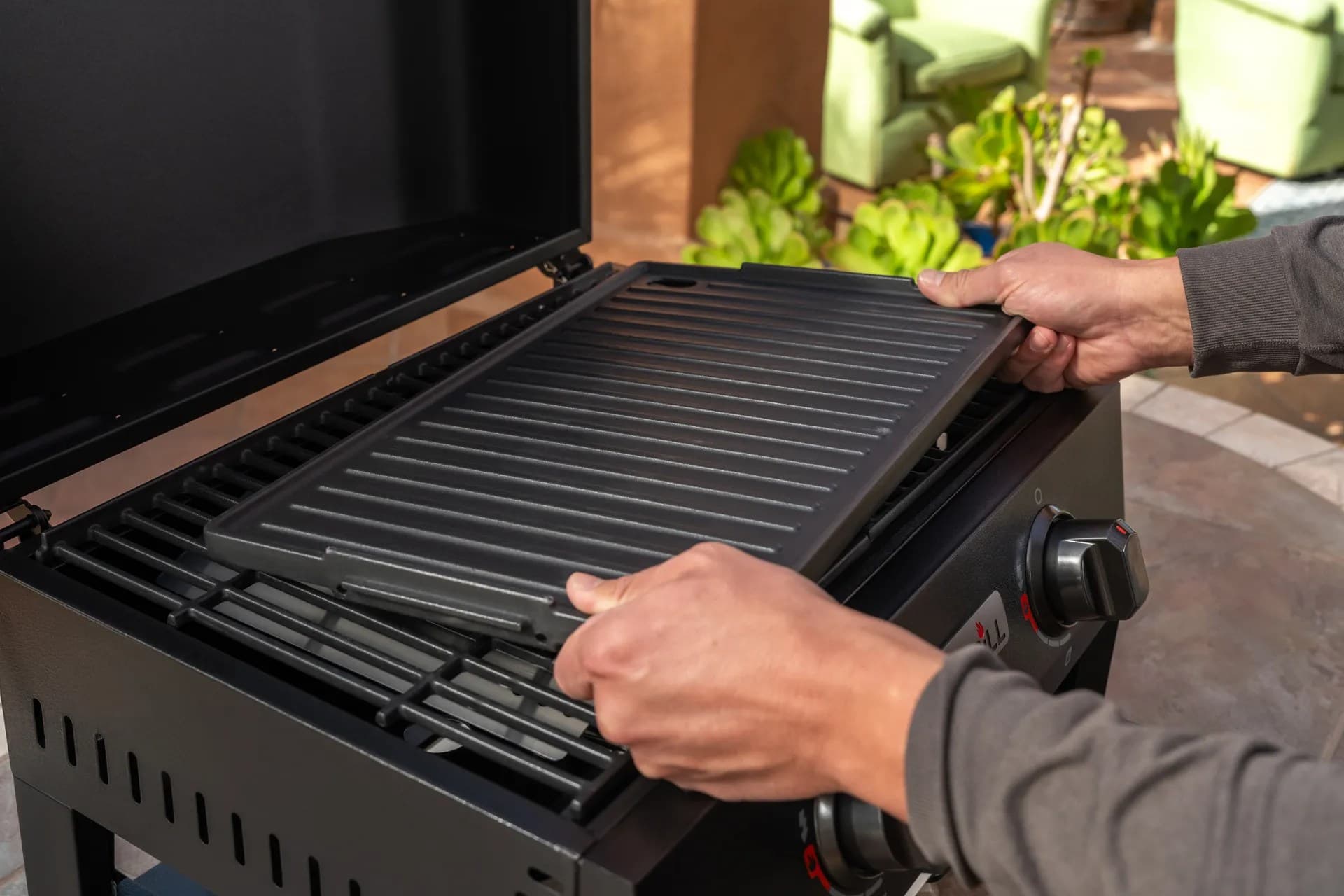
High heat retention grills are designed to maintain consistent temperatures, making them ideal for a variety of cooking methods such as searing, slow roasting, and baking. These grills are often constructed with materials that retain heat well, such as cast iron or heavy-gauge steel, which allows them to maintain high temperatures for extended periods. This feature is particularly beneficial for grilling enthusiasts who want to achieve restaurant-quality results at home.
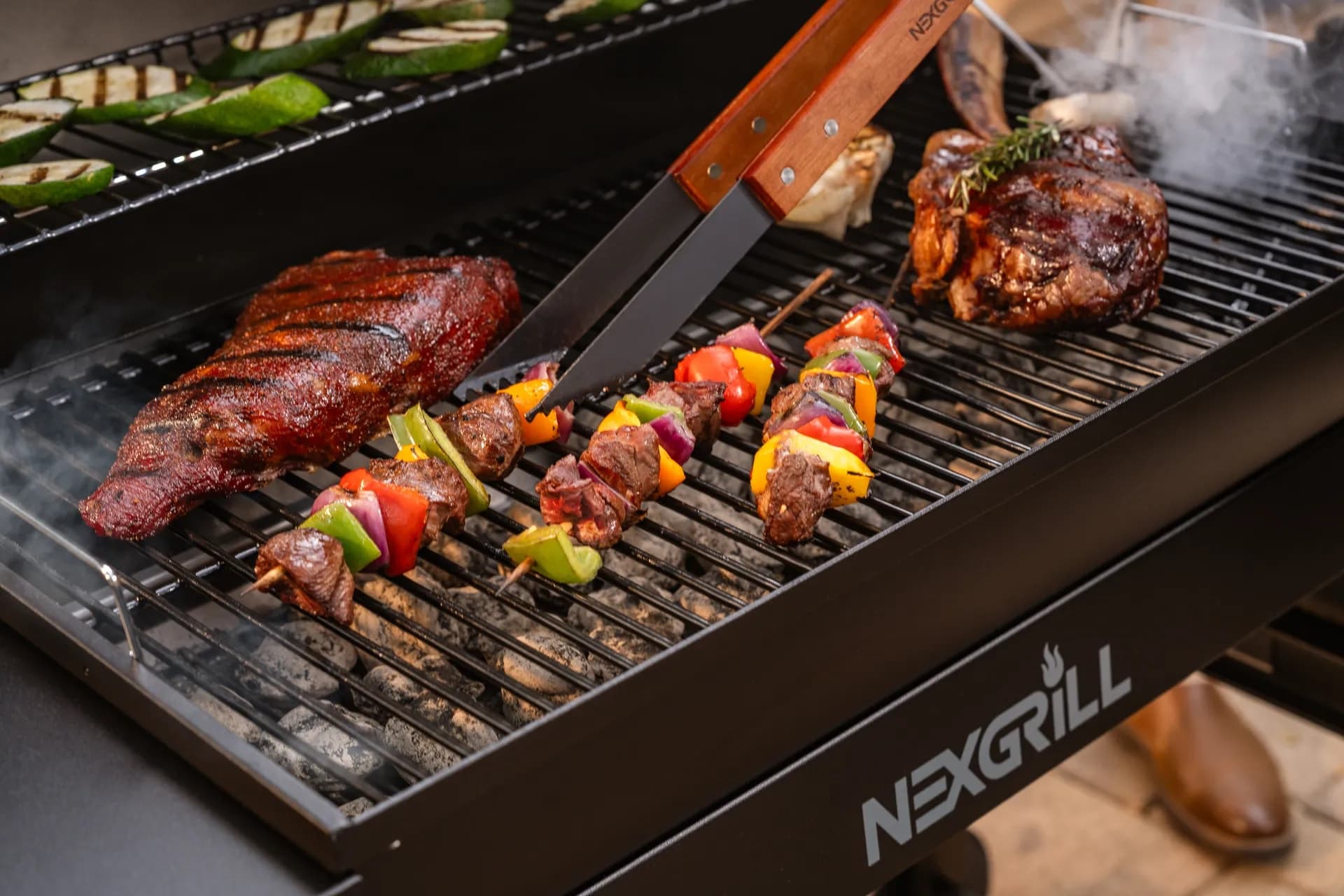
One of the primary advantages of using a high heat retention grill is its ability to create even cooking temperatures. This ensures that food is cooked uniformly, reducing the chances of undercooked or overcooked areas. Furthermore, the consistent heat makes it easier to manage cooking times and achieve the desired level of doneness, whether you're grilling a steak to perfection or slow-cooking ribs until they fall off the bone.
Key Features to Look For
- Thick, heat-retentive materials such as cast iron or steel.
- Well-designed air vents for precise temperature control.
- A secure lid to trap heat and smoke.
- Multi-zone cooking capabilities for versatile grilling options.
Pro Tip: Consider grills with ceramic or porcelain coatings for added heat retention and easy cleaning.
How to Maximize Heat Retention
To make the most of your high heat retention grill, it's crucial to understand how to maintain and optimize its heat capacity. Start by preheating your grill thoroughly before cooking. This ensures that the grill reaches the desired temperature and the cooking surface is uniformly hot. A well-preheated grill not only cooks food more evenly but also helps achieve better sear marks and flavor development.
Another important aspect is managing airflow. Adjust the vents to control the oxygen flow, which in turn affects the grill's temperature. For high heat cooking, keep the vents more open to allow for increased air circulation. Conversely, for low and slow cooking, partially close the vents to maintain a lower temperature.
Ideal temperature range for most grilling tasks.
Using a lid is also essential for retaining heat. Always keep the lid closed as much as possible to trap heat and smoke inside, which enhances flavor and cooking efficiency. Additionally, use a thermometer to monitor the internal temperature of the grill and adjust the vents accordingly to maintain the desired heat level.
| Material | Heat Retention | Maintenance |
|---|---|---|
| Cast Iron | Excellent | Season regularly |
| Steel | Good | Rust-resistant coating |
| Ceramic | Superior | Brittle, handle with care |
By understanding and applying these principles, you can elevate your grilling experience, achieving the perfect balance of heat and flavor that high heat retention grills are known for.
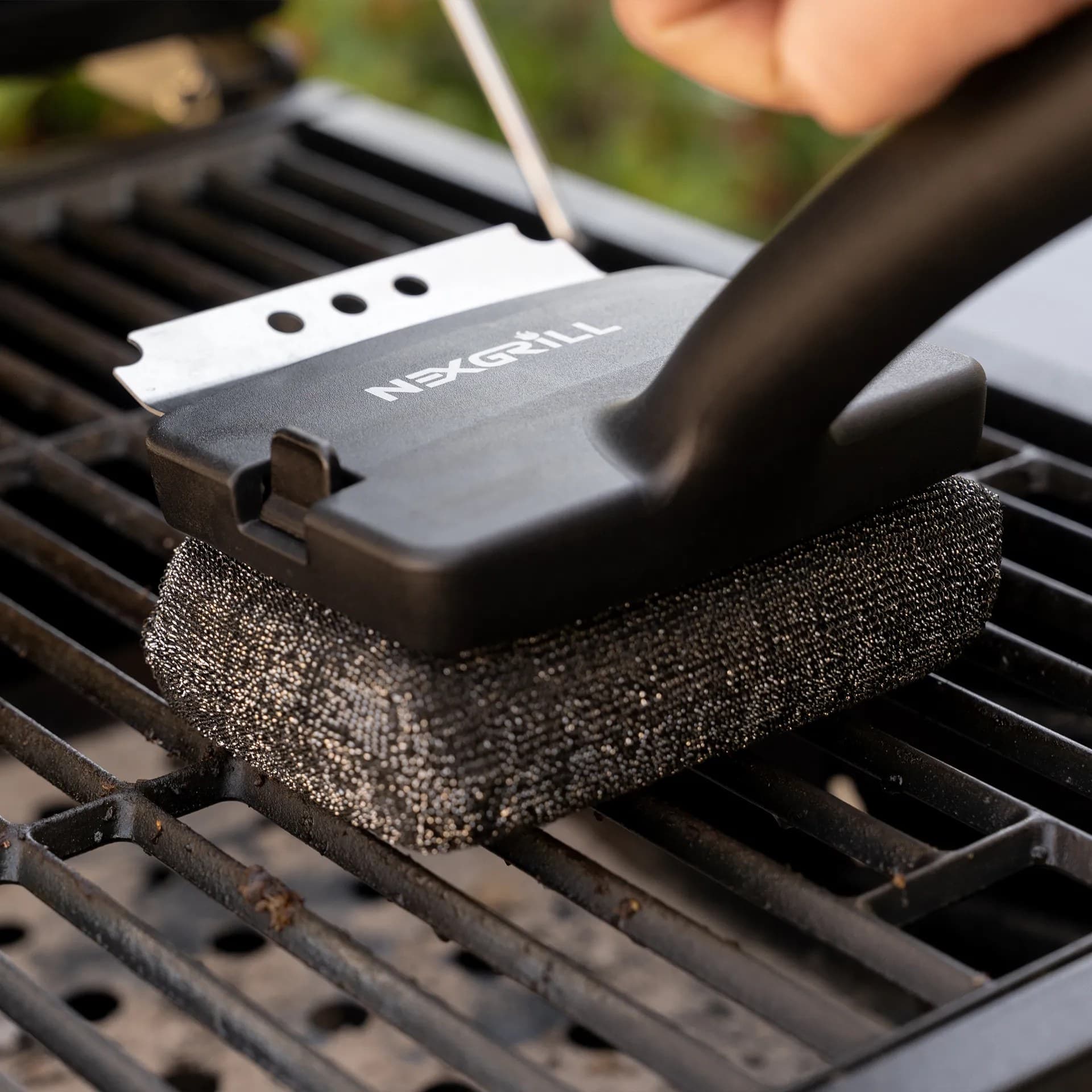
Tip: Regularly clean your grill grates to prevent residue build-up which can impede heat transfer.
Try comparing two products side by side below to see which fits best:
Choosing the Right High Heat Retention Grill
When selecting a high heat retention grill, several factors must be considered to ensure the best fit for your cooking style and environment. First and foremost is the material used in the grill's construction. Cast iron and ceramic are renowned for their excellent heat retention capabilities, making them ideal for achieving high temperatures and maintaining them over long periods.
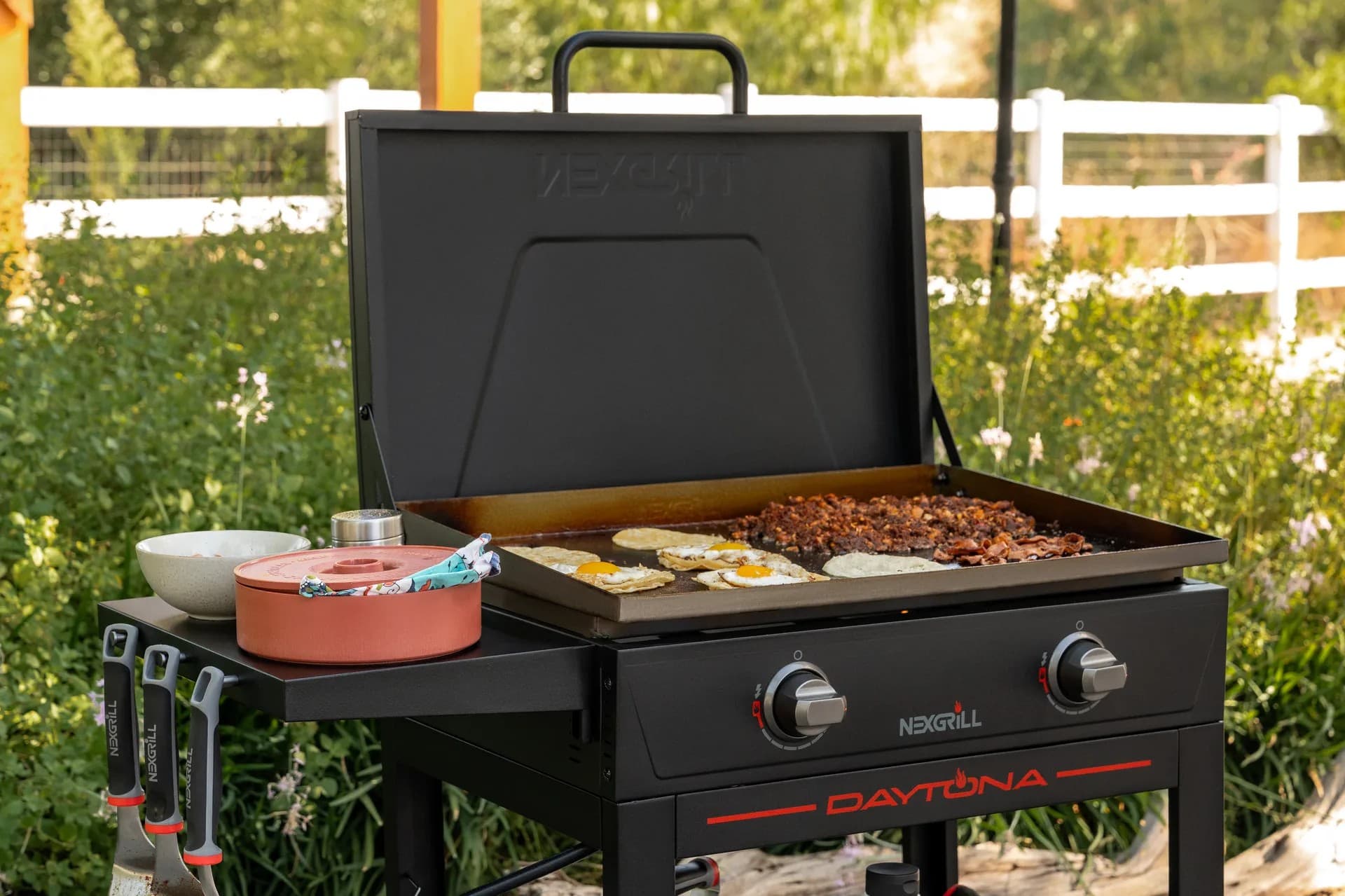
Size and cooking surface also play significant roles. If you frequently entertain guests or cook large meals, opt for a grill with a larger cooking area and multiple burners. This allows for greater flexibility in cooking different foods simultaneously and managing heat zones efficiently. On the other hand, if space is limited or you prefer a more portable option, a smaller grill with detachable components may be more suitable.
Who is This Grill For?
- Casual Griller: Opt for a smaller, more portable model that offers ease of use and storage.
- Enthusiast: A mid-sized grill with advanced features like temperature gauges and multiple burners.
- Professional: Large, high-capacity grills that offer precise temperature control and extensive cooking surfaces.
Warning: Ensure your grill is compatible with your available fuel source, such as propane or natural gas.
Practical Tips for Optimal Grill Use
To get the most out of your high heat retention grill, follow these practical tips. First, always preheat your grill for at least 10-15 minutes before placing food on the grates. This helps to prevent food from sticking and promotes even cooking. Additionally, invest in a reliable meat thermometer to ensure meats are cooked to the appropriate internal temperatures, enhancing both safety and flavor.
Recommended internal temperature for medium-rare steaks.
Regular maintenance is key. After each use, clean the grates and remove any food debris to maintain optimal performance and flavor. Check burners and fuel connections regularly to ensure safety and efficiency. For cast iron grills, apply a thin coat of oil after cleaning to prevent rust and maintain seasoning.
Once you've weighed two options against each other, here's what else matters: the longevity of your grill largely depends on how well it is maintained. Protect your grill from the elements by using a high-quality cover and storing it in a sheltered area when not in use. This will extend its lifespan and ensure consistent performance.