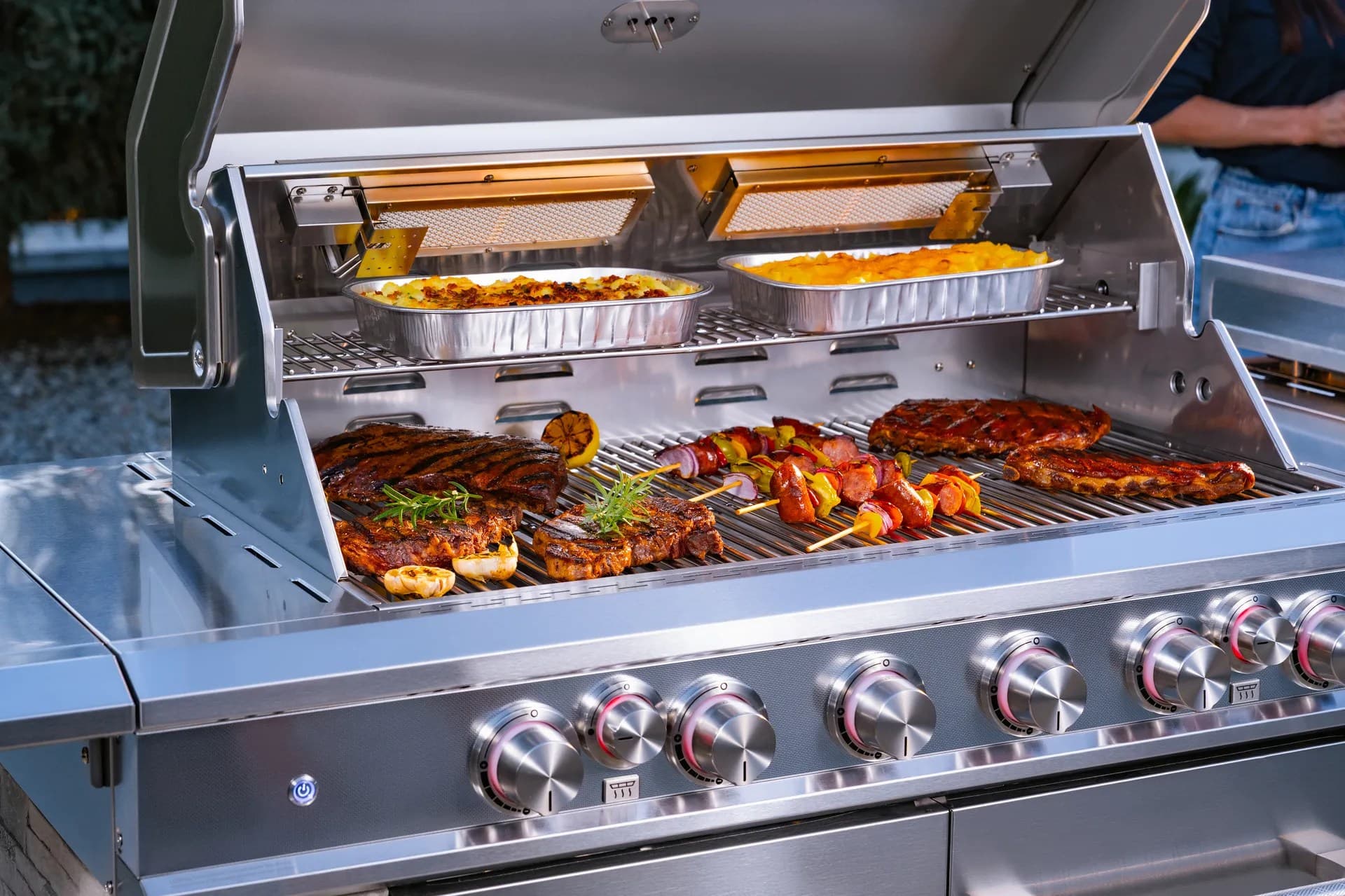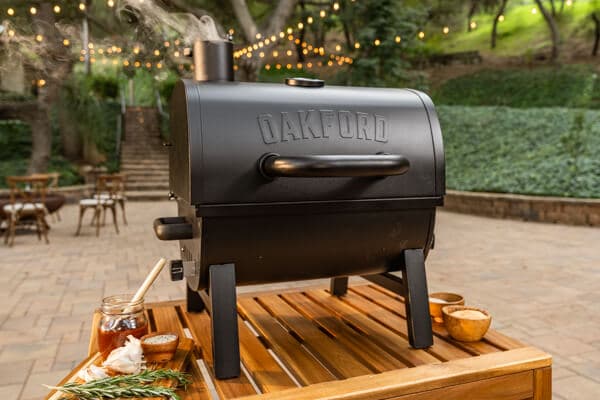
Unlock the full potential of your 29-inch charcoal grill with expert cooking techniques.
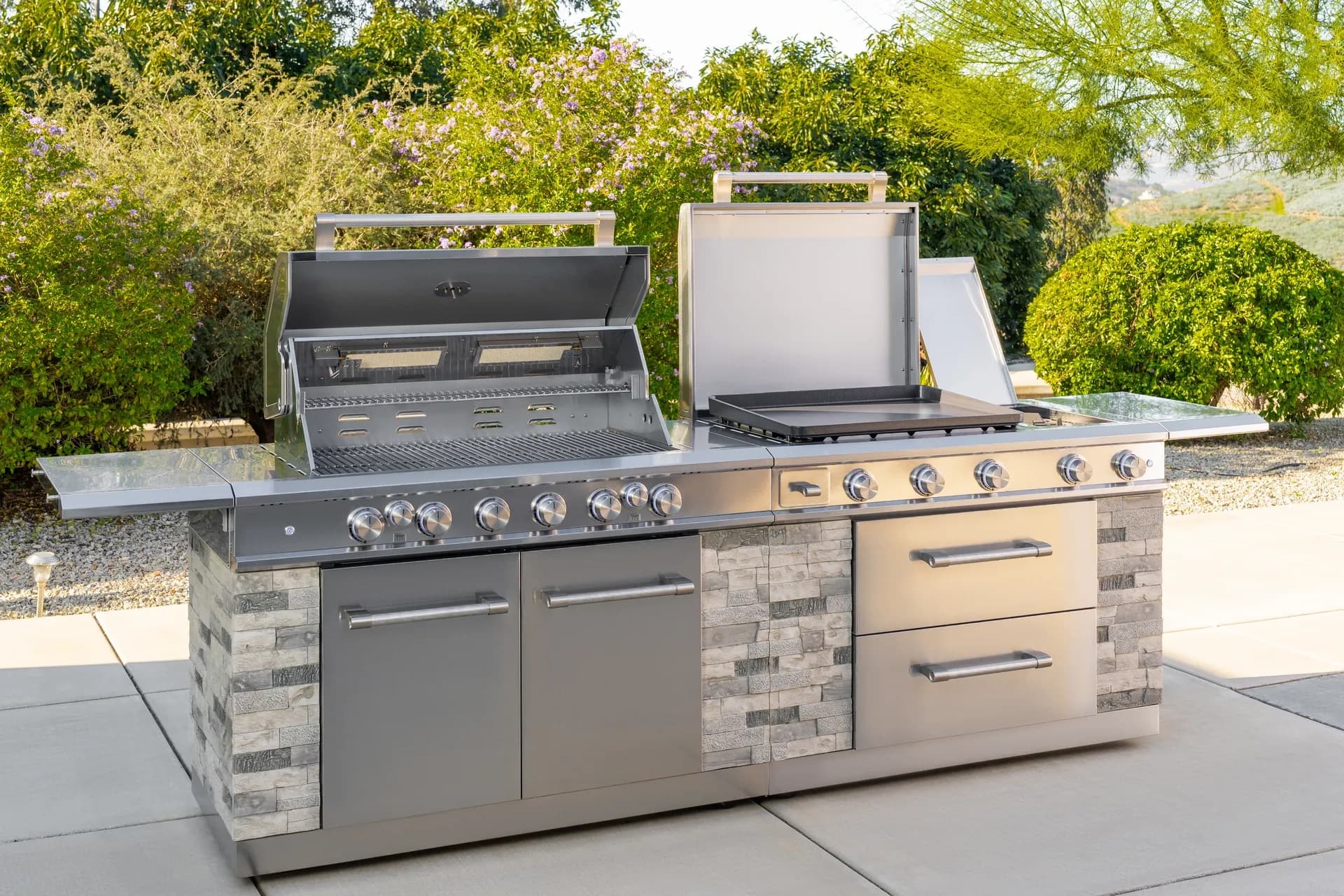
From sizzling breakfasts to smash burgers and teppanyaki-style dinners, the Daytona Pro 5 Burner NitroGuard™ Griddle delivers powerful heat, fast cooking, and a durable cooking surface built for every backyard cookout. Watch how easy outdoor cooking can be.
Here's what sets us apart from the competition
We position ourselves as delivering high-end outdoor cooking features and performance without premium-brand pricing, emphasizing “Quality Grills. Unbelievable Value.”
We offer gas grills, pellet grills, griddles, smokers, pizza ovens, portable/tabletop grills, electric grills, accessories, and replacement parts — allowing customers to stay within one ecosystem for all outdoor cooking needs.
We differentiate ourselves through smart grilling products like the Oakford smart pellet grill, including app-connected cooking controls and modern outdoor cooking technology.
Expert tips, buying guides, comparisons, and inspiration for choosing and getting the most out of your grill.
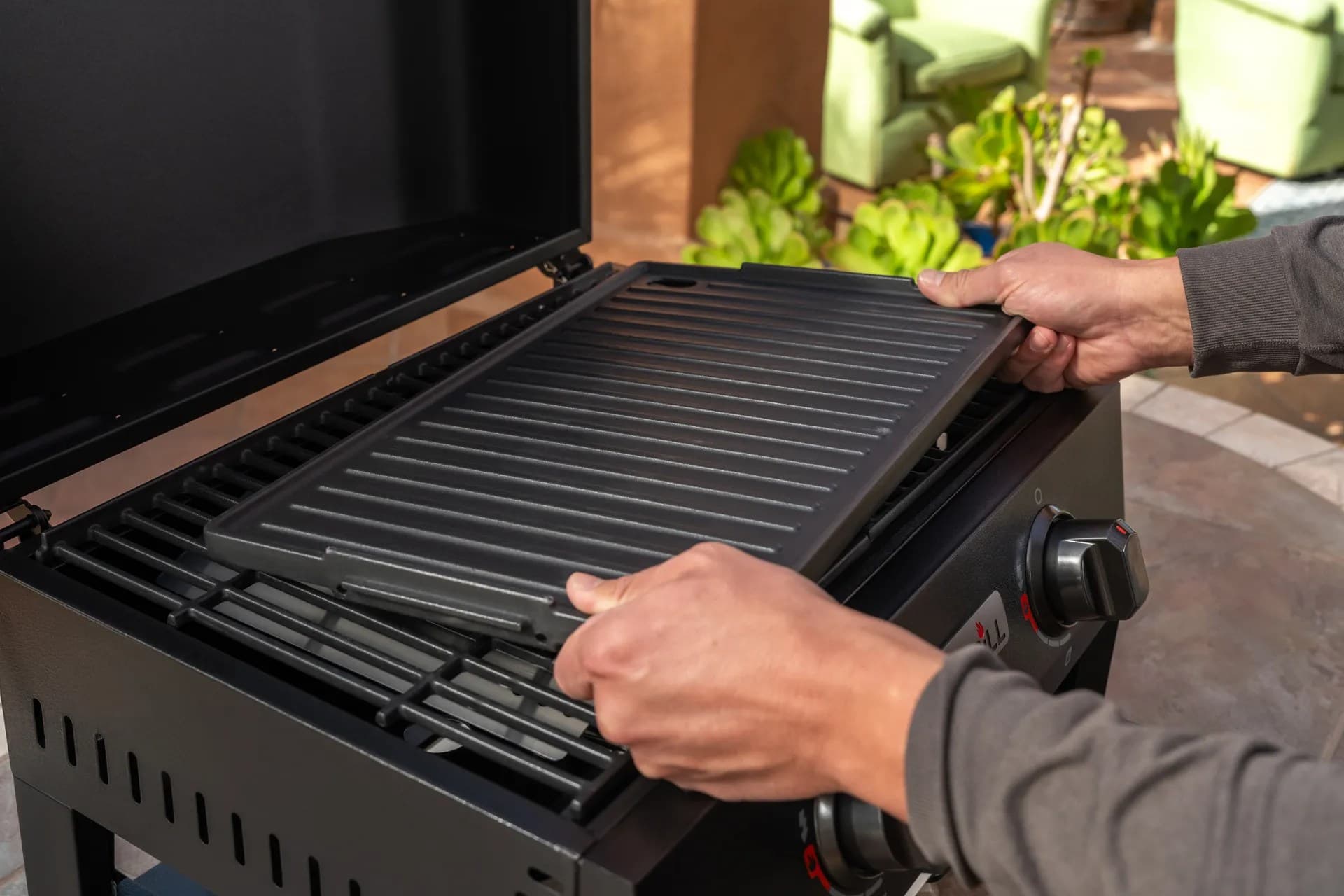
Practical guides for cleaning, maintenance, common grill issues, and performance optimization.
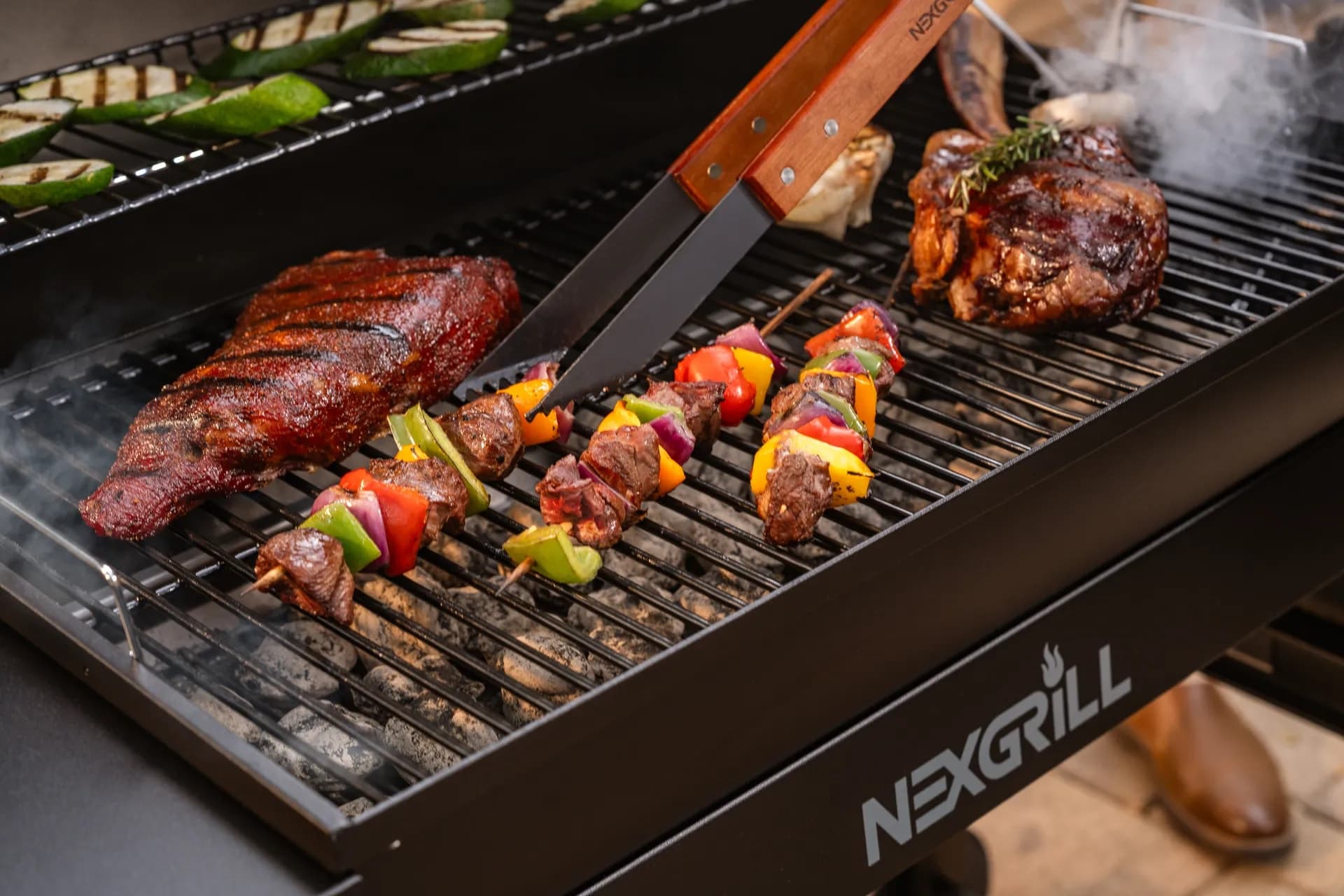
Step-by-step grilling recipes, cooking techniques, and meal ideas for every occasion and skill level.

Backyard entertaining ideas, seasonal grilling inspiration, and stories that celebrate outdoor cooking culture.
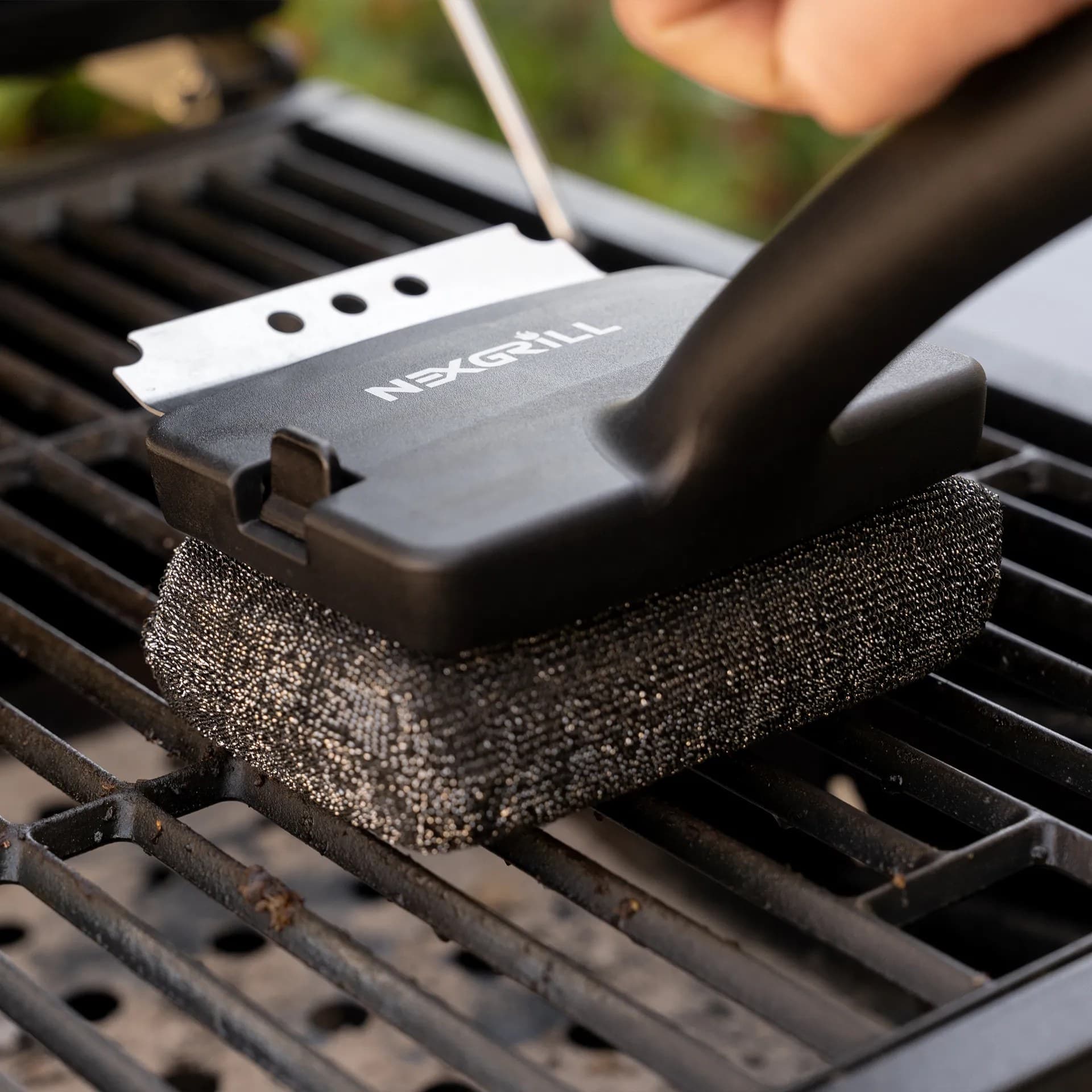
Helpful articles covering grilling tools, cookware, maintenance gear, and must-have accessories for outdoor cooking.
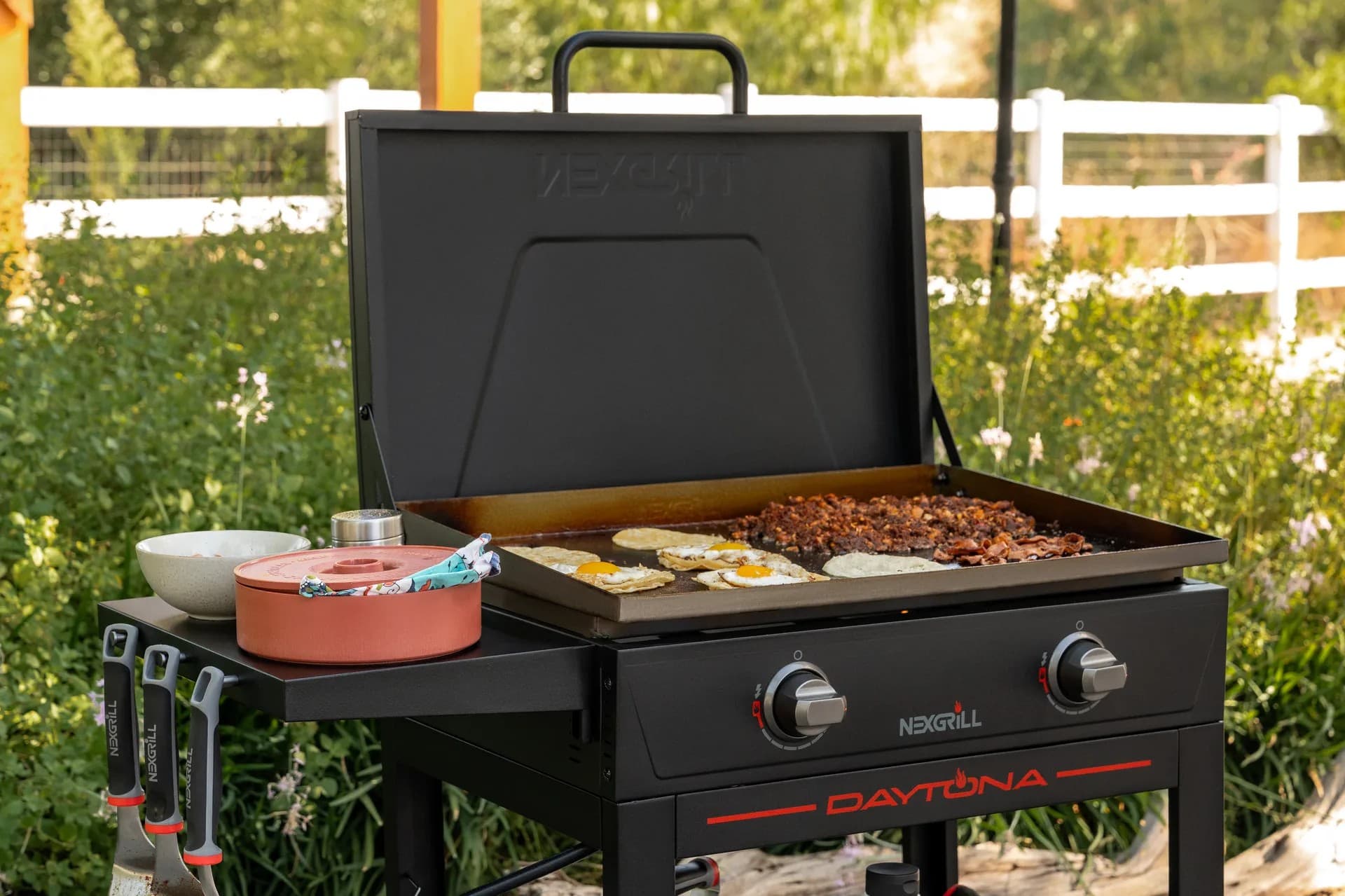
Find griddle recipes, cooking techniques, cleaning tips, and outdoor meal ideas designed for Nexgrill griddles.
Find answers to common questions
Gas grills provide instant heat and precise temperature control, making them easier to use. Charcoal grills offer a smoky flavor and high heat for searing but require more time to heat up and manage.
Pellet grills combine the convenience of gas with the flavor of wood, allowing for smoking, baking, and grilling. Traditional gas grills, however, are quicker to start and often easier to clean.
Charcoal grills typically reach higher temperatures quicker than gas grills, making them better for searing meat. However, high-quality gas grills can also provide adequate heat for effective searing.
Nexgrill offers models designed specifically for gas, charcoal, and pellets, allowing users to choose based on their cooking style and flavor preferences. Each type is built to optimize the characteristics of its respective fuel.
Choosing between gas and charcoal grills depends on your cooking preferences and lifestyle. If you value convenience and quick cooking, a gas grill may suit you better; if you prefer the taste and experience of traditional grilling, a charcoal grill would be ideal.
In This Article
Mastering Heat Control
Perfecting Charcoal Setup
Enhancing Flavor Techniques
Charcoal grilling is an art form that marries tradition with technique. A 29-inch charcoal grill offers ample space for a variety of cooking methods, making it a versatile tool for backyard chefs. Understanding the fundamental components of your grill is essential. Key elements include the cooking grate, charcoal grate, and adjustable vents that control airflow.
The size of the 29-inch grill allows for both direct and indirect grilling, providing the flexibility to sear steaks on high heat or slow-cook ribs to perfection. The first step in mastering your grill is to familiarize yourself with these features and how they interact to create the perfect cooking environment.
Tip: Always begin with a clean grill. Residue from previous cookouts can impart unwanted flavors.
The way you arrange charcoal in your grill can dramatically affect cooking results. For high-heat searing, a single layer of charcoal spread evenly across the bottom of the grill is ideal. This setup ensures consistent heat distribution and is perfect for grilling burgers or steaks.
For low and slow cooking, such as BBQ ribs or pork shoulders, consider the two-zone method. By piling charcoal on one side of the grill, you create a hot zone for searing and a cooler zone for indirect cooking. This method allows for greater control over the cooking process.
Info: Experiment with wood chips or chunks added to the charcoal for additional smoky flavors.
One of the most crucial aspects of grilling is temperature control, and understanding how to use your grill's vents is key. The vents regulate airflow, which in turn controls the grill's temperature. For higher temperatures, open the vents to allow more oxygen to fuel the fire. For lower temperatures, partially close the vents to restrict airflow.
A common mistake is adjusting vents too frequently. Give changes time to take effect, as it might take several minutes for the temperature to stabilize after an adjustment. Mastery of vent control can make the difference between a perfectly grilled meal and a burnt offering.
| Vent Position | Temperature Effect |
|---|---|
| Fully Open | High heat, increased oxygen flow |
| Partially Closed | Moderate heat, controlled airflow |
| Fully Closed | Minimal heat, smothering the fire |
Achieving the perfect flavor and texture on a charcoal grill involves more than just heat management. The addition of wood chips or chunks can infuse your food with unique smoky flavors. Different wood types offer distinct profiles, such as applewood's sweet smokiness or hickory's robust, bacon-like flavor.
To maximize flavor, soak wood chips in water for at least 30 minutes before adding them to the coals. This technique prevents them from burning too quickly and allows for a slow release of smoke. Additionally, consider marinating or brining meats before grilling to enhance moisture and infusion of flavors.
Warning: Avoid using treated wood or those with chemicals as they can release harmful fumes.
The type of charcoal you use can greatly affect the outcome of your grilling. Lump charcoal and briquettes are the two main types, each offering distinct advantages. Lump charcoal burns hotter and faster, making it ideal for quick grilling sessions. It is also more natural, containing no additives.
Briquettes, on the other hand, offer a slower, more consistent burn, which is perfect for long cooking times. They often contain binders and additives that help maintain their shape and burn time. Choosing the right charcoal depends on your cooking style and the type of food you're preparing.
| Charcoal Type | Benefits | Drawbacks |
|---|---|---|
| Lump Charcoal | Hotter, cleaner burn | Burns quickly, less consistent |
| Briquettes | Long-lasting, steady burn | Contains additives, slower ignition |
Regular maintenance is vital to prolonging the life of your charcoal grill and ensuring optimal performance. After each use, clean the grates thoroughly with a grill brush to remove residue and prevent buildup. Periodically check for rust and repaint as necessary to protect the grill's integrity.
Additionally, inspect the vents and hinges regularly to ensure they are functioning correctly. A poorly maintained grill can lead to uneven cooking and compromise food safety. Cover your grill when not in use to protect it from the elements and extend its lifespan.
Tip: Use a vinegar and water solution for a natural cleaning agent that is safe for your grill's surfaces.
Once you've mastered the basics, experimenting with advanced techniques can elevate your grilling prowess. Try reverse searing for thick cuts of meat, starting them on the cooler side of the grill before finishing with a high-heat sear. This method ensures even cooking and a juicy interior.
Alternatively, consider grilling with a rotisserie attachment. This accessory allows for self-basting, resulting in moist, flavorful meats with a perfectly crisp exterior. Advanced techniques like these can transform a simple meal into a culinary masterpiece, impressing friends and family alike.
Info: Pair advanced techniques with quality ingredients for the best results.
Here's what sets us apart
We position ourselves as delivering high-end outdoor cooking features and performance without premium-brand pricing, emphasizing “Quality Grills. Unbelievable Value.”
We offer gas grills, pellet grills, griddles, smokers, pizza ovens, portable/tabletop grills, electric grills, accessories, and replacement parts — allowing customers to stay within one ecosystem for all outdoor cooking needs.
We differentiate ourselves through smart grilling products like the Oakford smart pellet grill, including app-connected cooking controls and modern outdoor cooking technology.
Don't just take our word for it
Keep reading
From our catalog