Choosing the Right Fuel for Your 2-Burner Gas Grill with Griddle
A comprehensive guide to selecting the best fuel type for your grilling needs.
In This Article
Propane Benefits
Natural Gas Considerations
Charcoal Flavor
Understanding Fuel Options for Your 2-Burner Gas Grill
Selecting the right fuel type for your 2-burner gas grill with griddle is crucial for optimizing performance, flavor, and convenience. Each fuel type offers unique advantages and considerations, impacting how you cook and the flavors you achieve. By understanding these options, you can make an informed decision that aligns with your grilling style and needs.
Propane: The Popular Choice
Propane is the most commonly used fuel for gas grills, praised for its portability and convenience. Propane tanks are widely available and relatively easy to connect, making them a favorite for backyard grillers across the country. The energy efficiency of propane ensures quick heating, which is ideal for impromptu grilling sessions.
Tip: Always keep a spare propane tank on hand to avoid mid-cook disruptions.
Natural Gas: A Consistent Performer
Natural gas is another option, especially for those with a fixed outdoor kitchen setup. Unlike propane, natural gas offers a continuous supply, removing the need to replace tanks. However, it requires a professional installation and a natural gas line, which can increase initial setup costs but provide long-term convenience and cost-effectiveness.
Potential cost savings when using natural gas over propane
Charcoal: For the Flavor Enthusiasts
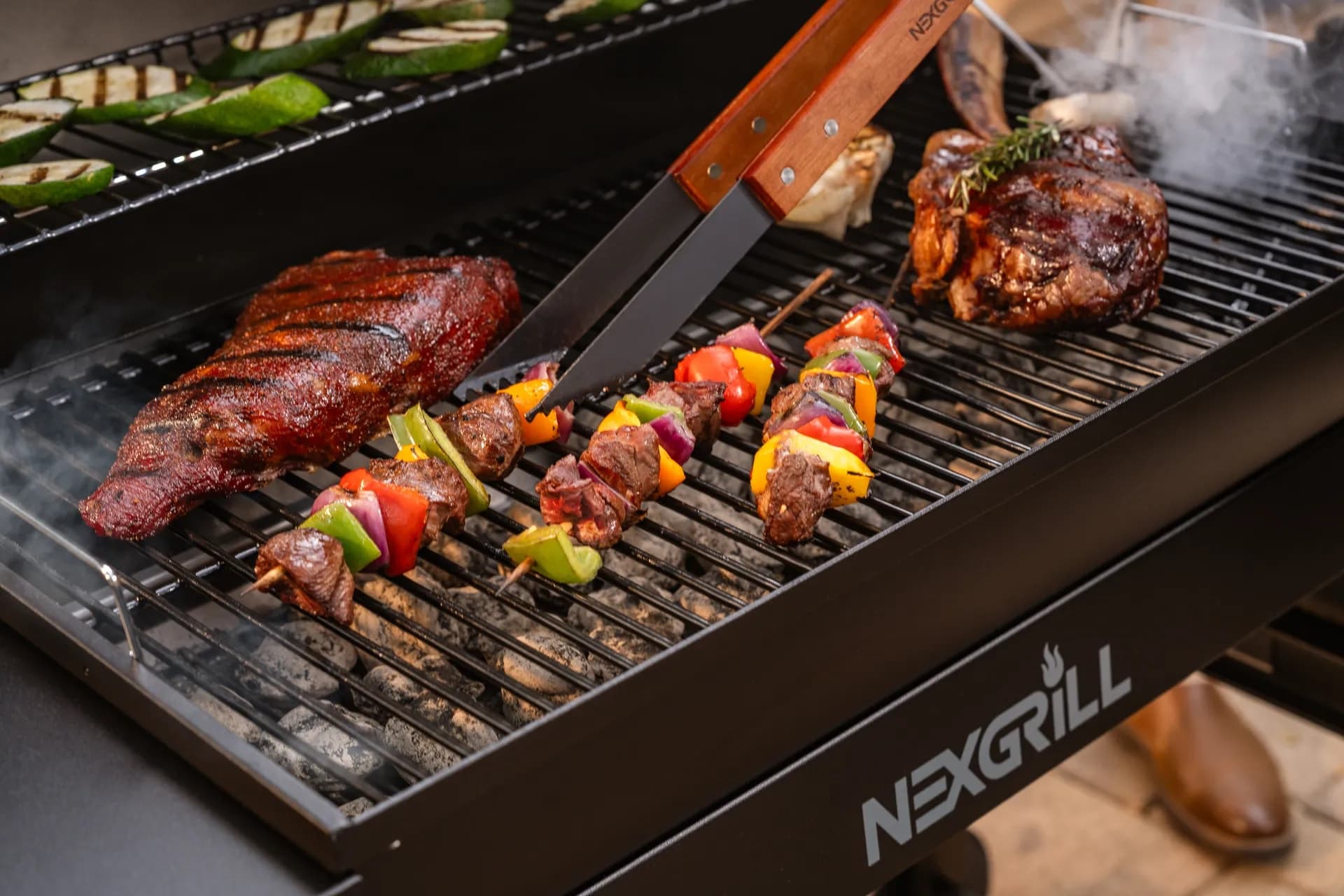
While not typically used with gas grills, charcoal can be an option for hybrid setups or when seeking that distinctive smoky flavor. Charcoal grilling requires more preparation and cleanup, but many enthusiasts believe the flavor benefits are well worth the effort. Hybrid grills that combine gas and charcoal offer the best of both worlds, providing convenience and flavor flexibility.
Comparing Fuel Types
| Fuel Type | Cost | Convenience | Flavor |
|---|---|---|---|
| Propane | Moderate | High | Good |
| Natural Gas | Lower Long-Term | High | Good |
| Charcoal | Variable | Lower | Excellent |
Critical Factors When Choosing Fuel
When deciding on the appropriate fuel for your 2-burner gas grill with griddle, several factors should guide your choice. These include cost, convenience, flavor preferences, and environmental considerations. Each plays a significant role in how your grilling experience unfolds.
Cost Efficiency
Cost is a primary factor for many grill owners. Propane is generally more expensive per unit than natural gas, though setup costs for natural gas can be higher initially. Charcoal, while variable in cost, can become expensive over time if you grill frequently. Evaluating your budget and grilling frequency can help determine the best option for you.
Info: Frequent grillers often find natural gas to be more economical in the long run.
Convenience and Availability
Convenience relates to how easily you can access and manage your fuel supply. Propane tanks are portable but require regular replacement. Natural gas ensures a constant supply, eliminating the need for refills, but it ties your grill to a specific location. Charcoal is readily available, but requires more effort in lighting and maintaining temperature.
Flavor Profiles
Flavor is subjective but crucial for many grilling enthusiasts. Charcoal imparts a rich, smoky flavor that gas grills often cannot achieve. However, gas grills, particularly those using natural gas, offer cleaner burns and less smoke, making them ideal for those who prefer the natural taste of food without additional flavors.
Environmental Considerations
Environmental impact is another important consideration. Natural gas is often viewed as a cleaner option than propane due to its lower carbon emissions. Charcoal, on the other hand, can produce more pollutants, though sustainable options are available that use recycled materials.
Potential reduction in emissions when choosing natural gas over propane
Making the Final Decision
Ultimately, the best fuel choice for your 2-burner gas grill with griddle depends on your personal preferences, lifestyle, and grilling habits. Whether you prioritize convenience, cost, or flavor, understanding the nuances of each fuel type can help you make an informed decision that enhances your grilling experience.