Mastering Smoked Meat Techniques: A Comprehensive Guide
Unlock the secrets of perfect smoked meat with expert techniques and insights.
In This Article
Choosing the Right Wood
Advanced Techniques
Troubleshoot Like a Pro
Understanding the Basics of Smoking Meat
Smoking meat is an ancient technique that infuses food with a distinctive, rich flavor. The process involves cooking meat slowly over a low heat source while being enveloped in smoke from burning wood, charcoal, or pellets. This method not only enhances the taste but also preserves the meat. Historically, smoking was a necessity for preservation, but today it is a celebrated culinary art.
To begin your journey into smoking, it's crucial to understand the types of smokers available. Options include charcoal smokers, electric smokers, pellet smokers, and offset smokers. Each type offers different benefits, such as ease of use, flavor, and temperature control. For instance, electric smokers are beginner-friendly due to their consistent temperature management, while charcoal smokers provide a more authentic, smoky flavor.
Choosing the Right Wood
The choice of wood plays a pivotal role in determining the flavor profile of your smoked meat. Hardwoods like hickory, mesquite, apple, and cherry are popular choices. Hickory imparts a robust, bacon-like flavor, ideal for pork, while apple wood offers a milder, sweeter taste, perfect for poultry. Understanding the nuances of wood flavors allows for creative experimentation and personalization of your smoked dishes.
Tip: Always use wood that is seasoned and free of chemicals to ensure a clean, flavorful smoke.
The Art of Temperature Control
Maintaining a steady temperature is essential for successful smoking. Most smoked meats require a cooking temperature between 225°F to 250°F. Mastering the art of temperature control involves understanding your smoker's heat zones and making necessary adjustments to air vents or fuel sources. Using a dual-probe thermometer can greatly aid in monitoring both the internal meat temperature and the smoker's ambient temperature.
Ideal smoking temperature range.
Techniques for Different Meats
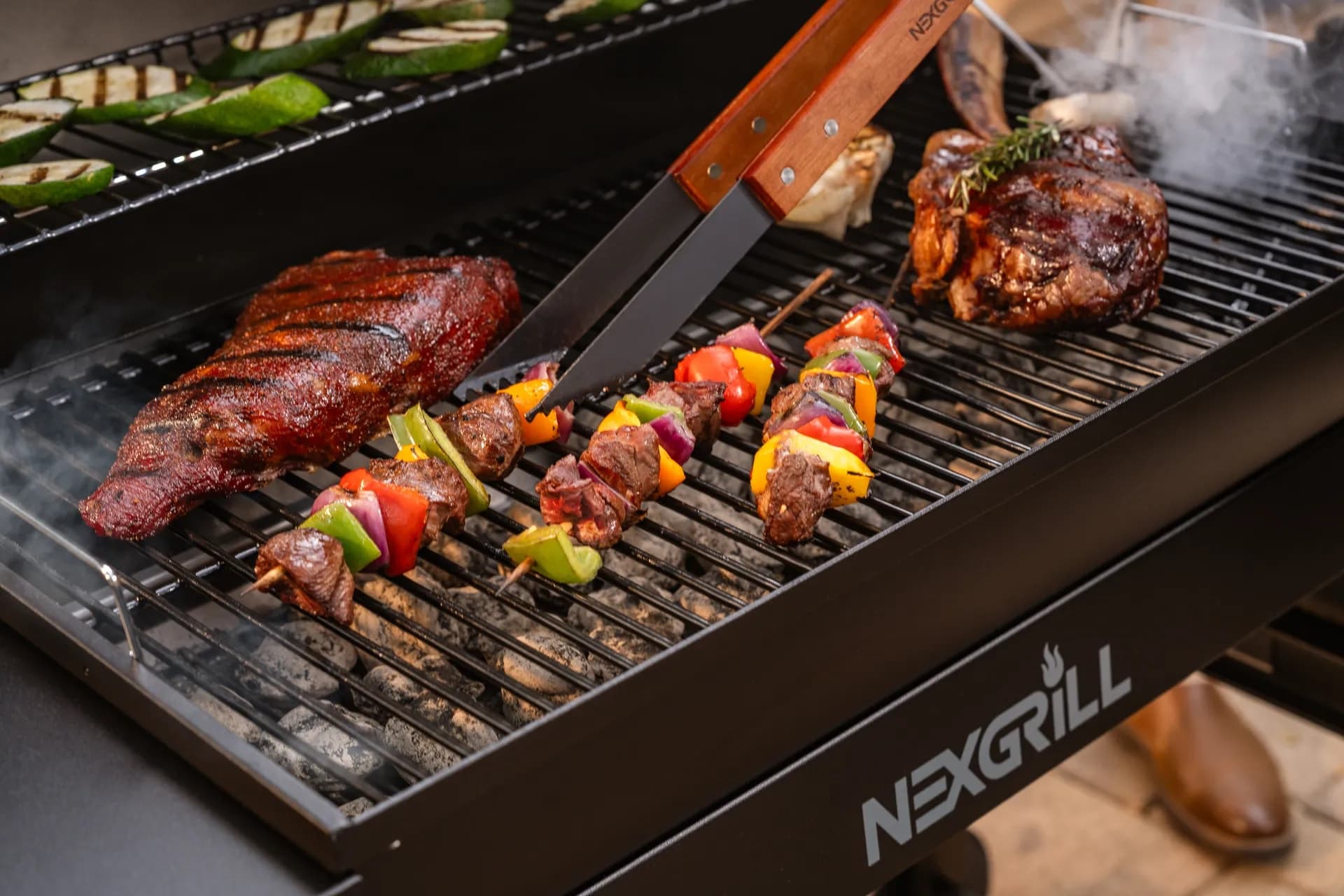
Different meats respond uniquely to smoking. Beef brisket, pork shoulder, ribs, and chicken are popular choices, each requiring specific techniques to achieve the best results. For instance, a brisket thrives with a slow and low approach, often taking up to 12 hours to reach tender perfection, while chicken requires a shorter smoking duration due to its lean nature.
Beef Brisket
Brisket is often considered the pinnacle of smoking meats. Its success lies in the balance of seasoning and smoke. A simple rub of salt, pepper, and garlic powder allows the smoke to enhance the natural beef flavor. Wrapping the brisket in butcher paper or foil halfway through smoking can help retain moisture and achieve a desirable bark.
Pork Shoulder
Pork shoulder, or Boston butt, is forgiving and flavorful. It benefits from an initial rub of brown sugar, paprika, and mustard powder. Smoking it until the internal temperature reaches around 195°F allows the connective tissues to break down, resulting in tender, juicy pulled pork.
| Meat | Internal Temp (°F) | Smoking Time |
|---|---|---|
| Beef Brisket | 203°F | 10-12 hours |
| Pork Shoulder | 195°F | 8-10 hours |
| Chicken | 165°F | 2-3 hours |
These techniques provide a foundation for exploring the world of smoked meats. Whether you're a novice or an experienced pitmaster, understanding these fundamentals will enhance your smoking endeavors. Try comparing two products side by side below to see which fits best:
Advanced Smoking Techniques
Once you've weighed two options against each other, here's what else matters. Advanced smoking techniques can elevate your culinary creations to a new level, impressing even the most discerning palates. Techniques such as cold smoking, using smoke tubes, and reverse searing are gaining popularity among enthusiasts.
Cold Smoking
Cold smoking involves smoking food at temperatures below 90°F, infusing flavor without cooking the item. This technique is ideal for cheese, fish, and sausages. It requires a dedicated setup to ensure that the food remains at a safe temperature throughout the process.
Tip: Use a smoke generator to maintain a consistent smoke flow when cold smoking.
Reverse Searing
Reverse searing is a method that combines smoking and grilling. Begin by smoking the meat until it is just below the desired doneness. Then, sear it on a high-heat grill for a beautifully caramelized crust. This technique is particularly effective for steaks and roasts, providing a perfect balance of smoky flavor and a juicy interior.
Troubleshooting Common Issues
Even seasoned smokers encounter challenges. Common issues include maintaining consistent heat, dealing with bitter smoke, and achieving a good bark on the meat. Understanding these pitfalls can help you troubleshoot and refine your smoking process.
Heat Management
Fluctuating temperatures can lead to uneven cooking. To combat this, regularly monitor your smoker's temperature and adjust vents accordingly. Investing in a quality smoker thermometer can provide real-time data to aid in controlling the heat.
Smoke Quality
Bitter smoke is often a result of incomplete combustion. Ensure that your wood is properly seasoned and that there's adequate airflow to promote clean burning. The smoke should be thin and blue, not thick and white.
| Issue | Cause | Solution |
|---|---|---|
| Inconsistent Heat | Improper Venting | Adjust vents and monitor regularly |
| Bitter Smoke | Unseasoned Wood | Use seasoned wood and ensure good airflow |
| Poor Bark | Too Much Moisture | Avoid basting late in the process |
With these advanced techniques and troubleshooting tips, you can take your smoking skills to the next level. Whether perfecting the art of cold smoking or mastering the reverse sear, the possibilities are endless. Experiment with different woods, seasonings, and techniques to create your signature smoked dishes.