Top 5 Features to Look for in a Replacement Ignition Kit for Your Grill
Ensure a seamless grilling experience by selecting the right ignition kit with these essential features.

Image via 123RF
In This Article
Compatibility
Durability
Ease of Installation
Battery Efficiency
Warranty and Support
Understanding the Importance of a Reliable Ignition System
A grill ignition system does one job, but that job matters more than many shoppers realize: it turns a cold appliance into something you can actually use with confidence. When the igniter is weak, inconsistent, or incompatible, the whole grilling experience changes. Instead of pressing the button and getting right to the cook, you end up checking batteries, listening for a spark, or reaching for a lighter. That delay is frustrating on a weeknight, and it can be disruptive when you are cooking for guests and trying to keep timing under control.
For Nexgrill owners, the smartest way to approach a replacement ignition kit is to think like a buyer, not a repair-by-guessing hobbyist. The best kit is not automatically the one with the flashiest listing or the lowest price. It is the one that matches your grill’s layout, survives high heat and grease exposure, and gives you a dependable start every time you cook. That distinction matters because ignition parts sit in a demanding environment: they are exposed to heat cycling, outdoor moisture, vibration from repeated use, and sometimes residue from cooking sessions that were not cleaned as thoroughly as they should have been. Nexgrill’s brand philosophy emphasizes dependable outdoor cooking experiences built for real-world use, not just showroom appeal, which is why reliability and fit should lead the decision-making process .
Core features that should guide every ignition kit purchase
If you are reviewing replacement ignition kits for a grill, the goal is not just to restore spark. The goal is to restore the same confidence you had when the grill was working properly, or ideally to improve on weak points in the original setup. A good replacement can make startup more immediate, reduce the number of failed attempts, and limit the chance that a small electrical issue becomes a longer maintenance headache. That is especially valuable for households that grill several times a week, because an ignition problem at the beginning of the meal affects everything that follows.
This article focuses on the top five features to look for, but it is worth framing the decision around how you actually cook. If your setup is a larger backyard gas grill used for family meals and guests, you may care most about wiring clarity, button durability, and long-term consistency. If your grill is stored outdoors, weather resistance and battery efficiency matter more. If you are replacing a kit on a grill you want to keep for years, support and serviceability become part of the value calculation. A strong ignition kit should fit the grill’s design, install cleanly, and hold up to everyday use without becoming a recurring maintenance project.
Key Features to Consider in a Replacement Ignition Kit
Before comparing individual kits, narrow the field by looking at the components and behaviors that determine long-term usefulness. Many buyers focus only on the visible button or control face, but a complete ignition kit usually includes more than that. Depending on the grill, it may involve the igniter module, electrode wires, push-button assembly, mounting hardware, and the lead connections that deliver spark to the burner area. A kit that looks similar in photos can perform very differently once it is mounted and connected.
The first thing to check is fit. The ignition system must align with your grill’s burner count, panel opening, wire routing, and connector style. If the leads are too short or the mounting style is off, you can create installation problems that outweigh any savings. The second thing is material quality. Heat-resistant plastics, corrosion-aware connectors, and sturdy wire insulation help a kit survive the conditions around a grill firebox. The third thing is power behavior. Some systems are more battery-efficient than others, which can reduce the chance of weak startup on a day when the battery is already aging.
A practical buyer also pays attention to how the kit is supported. Even a well-made ignition part can become a bad purchase if the instructions are unclear or if replacement guidance is impossible to find. Nexgrill’s brand materials repeatedly stress accessibility, approachability, and dependable product experiences, which is a useful lens here: a good ignition kit should not require a technician’s patience to install, nor should it force you to guess your way through an exact-fit repair .
| Feature | Why it matters | What to check |
|---|---|---|
| Compatibility | Prevents mismatched connectors and poor fit | Model number, burner layout, lead length |
| Durability | Helps the system survive heat and weather | Housing material, wire insulation, connector quality |
| Ease of installation | Reduces replacement time and mistakes | Mounting style, clear instructions, included hardware |
| Battery efficiency | Supports reliable spark over time | Battery type, expected drain, contact quality |
| Warranty and support | Helps if a part fails or fit is unclear | Coverage terms, service guidance, replacement policy |
Top 5 Features to Look for in a Replacement Ignition Kit
1. Compatibility with your exact grill model
Compatibility is the first filter because it determines whether the kit is truly usable. A replacement ignition kit can look nearly identical to your original part and still be wrong in subtle but important ways. The screw spacing may not align. The wire harness may not reach the burner it is supposed to fire. The electrode style may not match the burner shape or the original mounting point. That is why model-specific matching matters more than generic “fits many grills” language. For a grill owner, exact compatibility reduces the risk of extra returns, installation delays, and partially functioning repairs that still fail at startup.
A careful shopper should verify the grill model number, the number of burners, and the ignition style used by the original assembly. This is especially important on multi-burner gas grills, where the wiring layout can differ from one side of the firebox to the other. If your grill uses a battery-powered push-button system, you need the correct battery compartment and contact arrangement. If it uses an electronic module, the connector shape and voltage requirements need to line up exactly. Compatibility is not just about the outer face of the part; it is about the way the part speaks to the rest of the grill.
Tip: Take a photo of the original ignition module, the wire routing, and the grill’s model label before you shop. Those three references can prevent most ordering mistakes.
2. Durability in high-heat outdoor conditions
Ignition kits live close to hot metal, grease vapor, and outdoor weather, so durability is not a luxury feature. It is the difference between a part that solves the problem once and a part that becomes part of a seasonal repair cycle. Look for a kit with heat-resistant housing and insulated leads that are meant to resist cracking, brittleness, and premature wear. Corrosion resistance is also important, especially for grills that stay on a patio year-round or in humid regions where moisture can creep into electrical connections.
Durability also affects the feel of the part during daily use. A flimsy button may become sticky or inconsistent after repeated presses. Thin wiring can loosen or degrade more quickly when the grill heats and cools. Better-built kits generally give you tighter connectors, better insulation, and a more solid mounting experience. That creates fewer random ignition failures and less frustration when you are trying to light burners quickly. In practical terms, durability is the feature that protects your time as much as your grill.
3. Ease of installation and clear hardware layout
A replacement ignition kit should simplify the repair, not turn it into a weekend project. Easy installation usually starts with straightforward mounting points, obvious wire labeling, and hardware that is complete enough to avoid extra trips to the store. If the kit includes clear step-by-step directions and the parts are organized logically, even a first-time DIYer can usually manage the replacement with basic tools. That matters because the best kit is one you can actually finish correctly without forcing or improvising connections.
When you review a kit, ask whether the installation is designed around your grill’s natural layout. Are the leads long enough to route cleanly without tension? Does the button assembly fit the existing cutout? Are the connectors keyed or labeled to reduce guesswork? A good installation experience also reduces the chance of accidental damage to the grill during repair. Stripped screws, pinched wires, and misrouted leads are common symptoms of a kit that was not designed with end-user installation in mind.
Warning: If a kit requires force to line up, stop and recheck the model match. Forcing ignition components into place can damage both the replacement part and the grill panel.
4. Battery efficiency and dependable spark delivery
Battery efficiency is easy to overlook because the battery is small, but it influences how consistently your ignition system performs over time. A well-designed kit should draw power efficiently, preserve spark strength, and avoid draining batteries faster than necessary. This is especially important for grills that are used intermittently. A battery that is fine in the spring can be weak by midsummer if the system is inefficient or if contact points are poor.
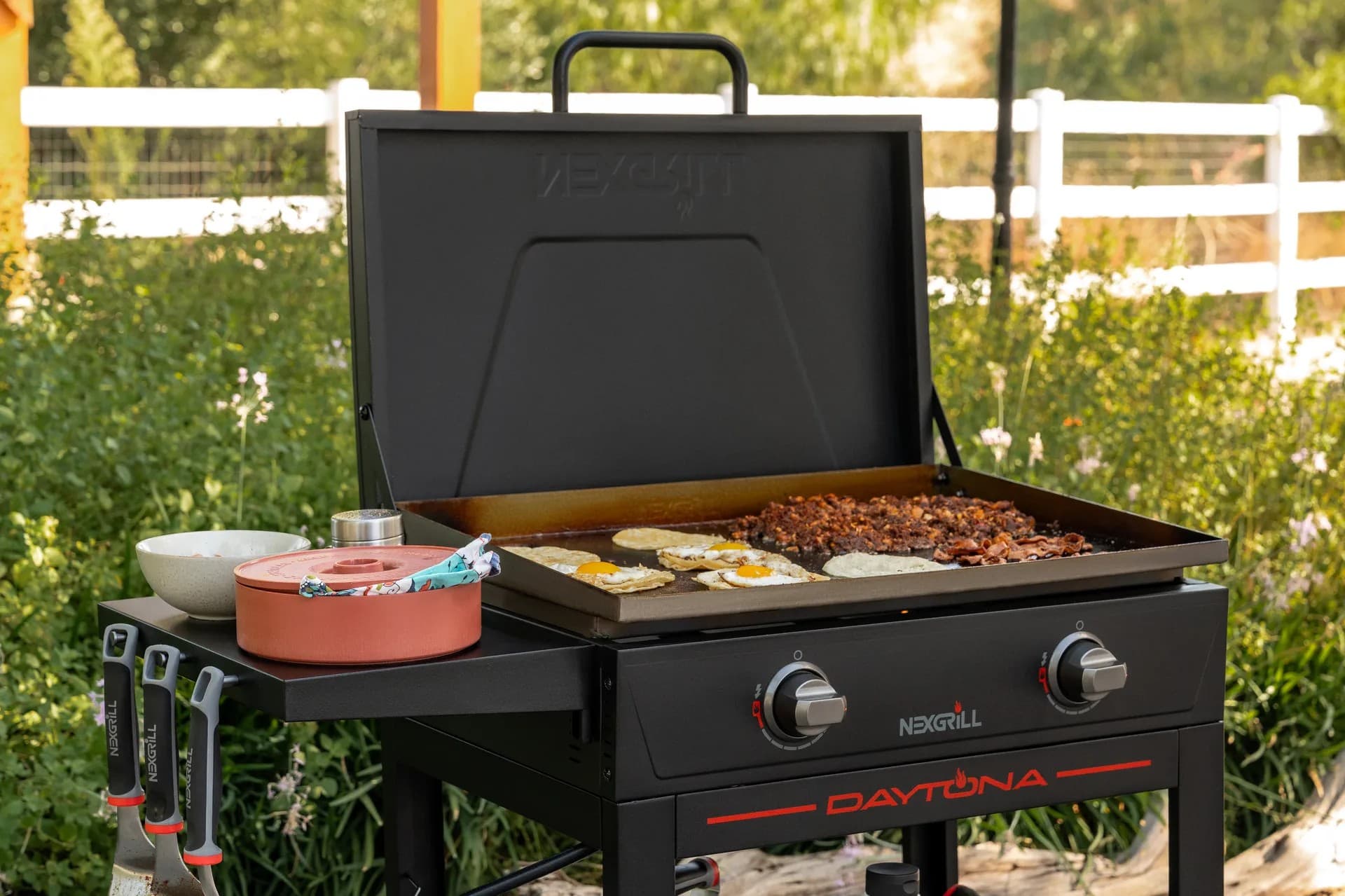
In real-world use, battery efficiency is about more than the battery’s lifespan. It also influences reliability on the first press. A kit that produces a crisp spark with minimal power loss can help you start burners faster and with less repetition. That matters when you are cooking breakfast on a griddle, preparing side dishes, or trying to preheat a grill while the rest of the meal is already in motion. Small efficiency gains can make the whole cooking routine smoother.
5. Warranty coverage and accessible customer support
Warranty and support do not make a weak kit strong, but they do make a good purchase less risky. If a part arrives damaged, fails early, or does not match your grill as expected, responsive support can save time and frustration. A useful warranty should be easy to understand and specific enough to give you confidence in the purchase. Look for clear coverage terms, a straightforward process for assistance, and support resources that help you identify the correct part before you buy.
Support matters even more for shoppers who are not replacing ignition parts every season. The first time you shop for one, the terminology can be confusing: module, electrode, switch, wire lead, connector, spark generator. A seller or brand that provides meaningful guidance is helping you avoid the classic repair mistake of buying the wrong part and learning the problem only after the old one has been removed. In that sense, support is part of product quality because it helps the customer succeed with the part they bought.
Try comparing two products side by side below to see which fits best:
How to Choose the Right Ignition Kit for Your Grill
Choosing the right ignition kit becomes much easier when you rank the five features in order of importance for your situation. If your grill is relatively new and still under active use, compatibility and installation ease may be your top priorities. If your grill is older and exposed to the elements, durability and support may matter more. If you cook often and want to avoid repeated battery changes, efficiency moves up the list. The right choice is the one that solves your particular failure point instead of simply resembling the original part on a product page.
A useful buying workflow starts with identifying the grill model, then checking the original ignition style, then comparing construction details and support resources. From there, evaluate the seller’s instructions and return policies. Many grill owners skip straight to price, but ignition parts are not the place to chase the cheapest option without context. A slightly better-built kit often saves money in the long run by avoiding a second purchase or a repair that never quite works correctly. In the Nexgrill product ecosystem, practical value and dependable use are central themes, so the best ignition choice should reflect that same balance of affordability and reliability .
| Buyer profile | Priority feature | Why it matters |
|---|---|---|
| Frequent weeknight griller | Ease of installation | Minimizes downtime and gets the grill back in service fast |
| Outdoor storage / harsh weather | Durability | Helps the kit withstand moisture, heat, and corrosion |
| Hands-off owner | Warranty and support | Provides backup if the first replacement is not right |
Installation Tips for Your New Ignition Kit
A clean installation is just as important as the quality of the kit itself. Before removing anything, disconnect the fuel source, make sure the grill is completely cool, and inspect the burner area for grease buildup or damaged wiring. Photograph the original routing before you take it apart. That one habit can save a lot of confusion when it is time to reconnect the electrodes and switch leads. If the old kit was still partly functional, compare each connector side by side so you do not mix up the wire positions.
During installation, avoid over-tightening hardware. Ignition modules and buttons usually need to be snug, not crushed into place. Keep wires away from direct heat pathways and pinch points, and make sure the electrode tips are positioned correctly for spark travel. After assembly, test the ignition with a careful first attempt. If the spark is weak or intermittent, stop and recheck the battery, the connectors, and the grounding path rather than repeatedly clicking the igniter. Repeated forcing can wear down a new part quickly.
Tip: A simple continuity-style check of the wiring path, plus a visual inspection of each connector, can catch most installation issues before the first full cook.
Maintenance and Care for Your Ignition System
Once the new ignition kit is installed and working, the next step is keeping it that way. Ignition systems do not usually fail all at once; they tend to weaken through exposure, dirt, moisture, and loose connections. Routine care is simple, but it has to be deliberate. The first habit is keeping the surrounding burner area clean. Grease splatter, carbon residue, and food debris can collect near the ignition components and interfere with spark performance over time. A light cleaning after regular use helps prevent the system from becoming coated in grime that holds moisture or blocks contact points.
The second habit is protecting the grill from weather when it is not in use. The Nexgrill brand emphasizes durable, outdoor-ready products and dependable ownership experiences, which makes weather protection a natural extension of the product itself . Even if your ignition kit is heat-resistant, it is still vulnerable to repeated moisture exposure. A fitted grill cover, dry storage environment, and occasional inspection of the control panel can help preserve the switches and wiring. If your grill sits outside year-round, periodic checks matter more because temperature swings can loosen fasteners and stress insulation.
Battery care also belongs in the maintenance routine. Replace weak batteries before they fail completely, and keep the compartment clean and dry. Corroded battery contacts are a common reason a perfectly good ignition module appears broken. If the compartment shows residue, clean it carefully before installing a new battery. That small step often restores better spark performance immediately. A reliable ignition system is not just the part you buy; it is the condition you keep it in.
Troubleshooting Common Ignition Issues
When a grill does not light correctly after an ignition replacement, the issue is not always the kit itself. A methodical troubleshooting process can save time and prevent unnecessary part swaps. Start with the simplest possibilities first: battery orientation, battery charge, and obvious wiring disconnections. If the igniter clicks but there is no spark at the burner, inspect the electrode tip and the wire routing. A lead that is pinched, too loose, or routed too far from the burner can interrupt spark delivery. If the button feels normal but nothing happens, the switch or module connection may be incomplete.
Another common issue is residue or moisture around the spark point. A damp electrode or buildup near the burner can weaken or redirect the spark. In that situation, cleaning and drying the area may restore function without any additional replacement. If the grill lights intermittently, the problem may be an aging battery, a loose ground, or a connector that is not fully seated. These issues often show up after a few uses, not immediately, which is why an early test after installation is important. Catching the problem before your next cook is much easier than discovering it with guests waiting.
Warning: If you smell gas and the grill still will not ignite, stop the lighting attempt immediately and follow the grill’s safety instructions before retrying.
| Symptom | Likely cause | Best next step |
|---|---|---|
| Clicking but no flame | Weak spark path or dirty electrode | Inspect electrode position and clean the spark area |
| No click at all | Battery, switch, or connection issue | Check battery placement and connector seating |
| Intermittent ignition | Loose wire or corrosion | Tighten connections and inspect for rust or residue |
| Spark only on one burner | Lead routing or damaged electrode | Trace each lead and compare to the original layout |
Comparing Popular Ignition Kits: A Detailed Review
A meaningful comparison of ignition kits should look beyond product names and into the details that affect everyday use. One kit may advertise easy installation, while another emphasizes heavier-duty construction. In practice, the better choice depends on how often you grill and where the grill lives between cooks. For example, a homeowner who grills on weekends under a covered patio may prioritize a simple button assembly and straightforward mounting. Another homeowner who keeps the grill exposed to Midwest weather may value sealed components and sturdier lead insulation even if installation takes a bit longer.
The most useful comparison categories are compatibility, build quality, installation effort, and support. A kit with a very simple interface but vague compatibility details is risky. A kit with excellent support but poor lead length will still frustrate you during installation. The best overall value usually comes from the kit that reduces total ownership friction, not just first purchase price. In a Nexgrill-oriented buying mindset, that means the part should help you get back to cooking quickly and keep doing its job through repeated outdoor use, rather than acting like a temporary fix .
| Kit style | Strengths | Best for |
|---|---|---|
| Model-specific OEM-style kit | Best fit, clear routing, lower guesswork | Owners who want a direct replacement |
| Heavy-duty aftermarket kit | Often better weather resistance or sturdier housings | Grills stored outdoors or used frequently |
| Budget replacement kit | Lower upfront cost | Infrequent use or short-term repair needs |
Customer Experiences: What Grill Owners Say About Their Ignition Kits
Grill owners tend to judge ignition kits by very practical outcomes. They want the grill to light on the first or second try, the buttons to feel sturdy, and the wiring to stay put after installation. Positive experiences usually come from kits that match the original configuration closely and do not require improvisation. Owners also appreciate when the replacement feels like a true fix rather than a temporary patch. That is especially true for families who use their grill as part of weekly meal planning, because ignition reliability affects the whole cooking rhythm.
On the other hand, dissatisfaction often comes from the same handful of problems: unclear fit, short leads, brittle housing, and weak instructions. Many of those complaints are avoidable if the buyer checks the model carefully and values support as a feature rather than an afterthought. The pattern here is clear: most owners are not looking for technical complexity. They are looking for a part that makes the grill behave normally again. When that happens, the replacement earns trust quickly because it restores a familiar, low-friction cooking routine.
Final Thoughts: Enhancing Your Grilling Experience with the Right Ignition Kit
The best replacement ignition kit is the one that disappears into the background once installed. It should not demand extra attention, extra batteries, or repeated troubleshooting every time you want to cook. When you focus on compatibility, durability, installation ease, battery efficiency, and warranty support, you are choosing a part that respects both your time and your grill. That is the heart of a good review: not just whether a kit sparks, but whether it helps the rest of your grilling experience become simpler and more dependable.
For Nexgrill owners especially, the ideal replacement should support the same practical, welcoming spirit that defines the brand: a dependable tool for bringing people together around good food. If the ignition kit helps you start faster, cook with less friction, and spend more time at the table than in the maintenance aisle, it is doing its job well.