Top Features to Consider in Grill Burner Replacement
Enhance your grilling experience with the right burner features.
In This Article
Understanding Grill Burners
Material Quality Matters
Performance and Compatibility
Understanding the Importance of Grill Burners
Grill burners are crucial components of any grilling system. They determine the efficiency and quality of the cooking process by controlling heat distribution and intensity. When burners wear out, they can impact the performance of your grill, leading to uneven cooking and increased fuel consumption. Replacing grill burners is, therefore, a key maintenance task that ensures your grill functions at its best.
Choosing the right replacement burners involves understanding the specific needs of your grill type, as well as the cooking preferences you aim to achieve. Whether you’re a weekend griller or a seasoned barbecue enthusiast, having the right burners can make all the difference in your outdoor cooking experience.
Types of Grill Burners
There are several types of grill burners available on the market, each designed to cater to different grilling styles and preferences:
- Stainless Steel Burners: Known for their durability and resistance to rust, these burners are ideal for those seeking longevity.
- Ceramic Burners: These provide even heat distribution and are excellent for achieving consistent grilling results.
- Cast Iron Burners: Offering excellent heat retention, cast iron burners are perfect for high-heat grilling.
Key Features to Look For
When selecting replacement burners, consider the following features to enhance your grilling performance:
- Heat Output: Measured in BTUs, this indicates the amount of heat a burner can produce. Higher BTUs are typically better for searing and fast cooking.
- Material Quality: Opt for materials that resist corrosion and withstand high temperatures.
- Compatibility: Ensure the burner fits your specific grill model to avoid installation issues.
report improved performance with high-quality replacement burners.
Installation Considerations
Installing new grill burners can vary in complexity depending on the grill model. Most modern grills are designed for ease of replacement, but it’s essential to follow the manufacturer’s guidelines to ensure a secure fit. Improper installation can lead to gas leaks or inefficient heating.
Tip: Always turn off the gas supply and disconnect the grill before attempting to replace burners.
Material and Build Quality
The material and build quality of grill burners significantly impact their lifespan and performance. High-quality materials not only ensure longevity but also improve heat distribution and retention.
Stainless steel is a popular choice due to its resistance to rust and corrosion, making it ideal for outdoor use. Cast iron, on the other hand, is favored for its heat retention capabilities, which are crucial for achieving perfect grill marks and fast cooking times.
| Material | Durability | Heat Retention |
|---|---|---|
| Stainless Steel | High | Moderate |
| Ceramic | Moderate | High |
| Cast Iron | Moderate | Very High |
Selecting a burner with the right material can enhance your grilling experience and ensure your grill performs optimally for years to come. Try comparing two products side by side below to see which fits best:
Evaluating Performance and Efficiency
Once you've weighed two options against each other, understanding the performance and efficiency of your chosen grill burners is key to maximizing your grilling potential. Performance is not solely about heat output; it involves consistent heat distribution and the ability to maintain desired temperatures over time.
Efficient burners consume less fuel while providing robust performance, which is both cost-effective and environmentally friendly. Look for burners with advanced heat retention technology that allow for longer cooking sessions without excessive fuel use.
Compatibility and Fit
Ensuring compatibility with your existing grill model is crucial when selecting replacement burners. Manufacturers often provide detailed specifications to help you choose the correct size and type. A well-fitted burner not only enhances performance but also ensures safety and ease of use.
Info: Check your grill's manual or manufacturer's website for compatibility charts.
Maintenance and Longevity
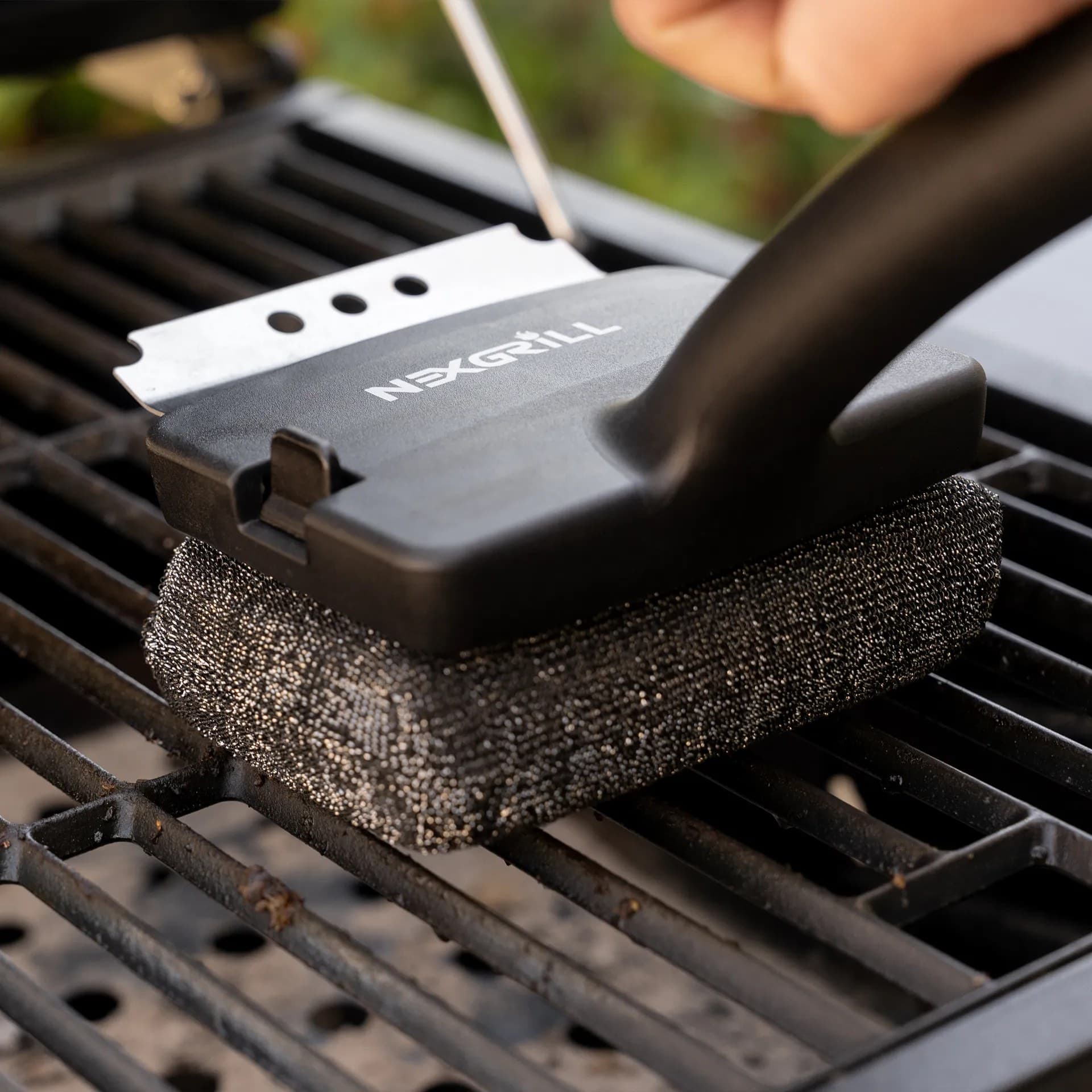
Regular maintenance of grill burners can significantly extend their lifespan. This includes routine cleaning to prevent grease build-up, which can lead to uneven heating and potential flare-ups. Many high-quality burners are designed for easy cleaning, featuring removable parts and non-stick surfaces.
Applying a thin coat of vegetable oil after cleaning can also help protect against rust and corrosion, especially in humid environments.
Making the Right Choice
Choosing the right grill burners depends on your specific grilling needs and the type of grill you own. For those who frequently entertain large groups, high-output burners with excellent heat retention may be preferable. On the other hand, ceramic burners may suit those who prioritize even cooking and energy efficiency.
Ultimately, the best replacement burners will align with both your grilling habits and your grill's technical requirements, ensuring a seamless and enjoyable grilling experience.
Ensure burners are securely fastened to avoid gas leaks. Regularly check connections and replace any worn parts immediately.