Nexgrill Troubleshooting Tips: Quick Solutions for Common Issues
Master your grill with effective troubleshooting and maintenance strategies.
In This Article
Ignition Problems
Regulator Resets
Maintenance Best Practices
Introduction to Common Nexgrill Issues
Most Nexgrill troubleshooting starts with the same core idea: isolate the symptom before you start replacing parts. A grill that will not ignite is usually dealing with one of a few simple causes, such as a weak battery in the igniter, a loose wire, an empty propane cylinder, a blocked burner tube, or a regulator that has gone into a low-flow safety mode. A grill that lights but runs unevenly often points to airflow, grease buildup, or a gas supply issue rather than a major mechanical failure. That is good news, because many common problems can be solved with a careful sequence of checks instead of guesswork.
The fastest way to make troubleshooting easier is to treat the grill like a system. Fuel, ignition, airflow, and cleanliness all affect one another. For example, a user may think the igniter has failed when the real issue is that the burner ports are clogged, so the flame never crosses the burner properly. Another common situation is a grill that worked well last weekend but now only produces a weak flame after a tank change. That pattern often points to the regulator rather than the burners themselves. Nexgrill’s support resources are built around exactly these kinds of practical checks, which is why it helps to work through the problem step by step instead of jumping to the most expensive fix .
Start with the simplest questions first: is the propane tank open, is the igniter clicking, and do you have a strong flame at more than one burner?
This article takes a troubleshooting-first approach, which makes it different from an assembly or replacement guide. Instead of focusing on parts installation, it helps you diagnose what is happening in real cooking scenarios: a burner that sparks but will not light, a grill that heats slowly, or a system that seems to have “reset” itself after a tank swap. That makes it especially useful for owners who want to keep cooking the same day without overcomplicating the process.
Step-by-Step Troubleshooting for Ignition Problems
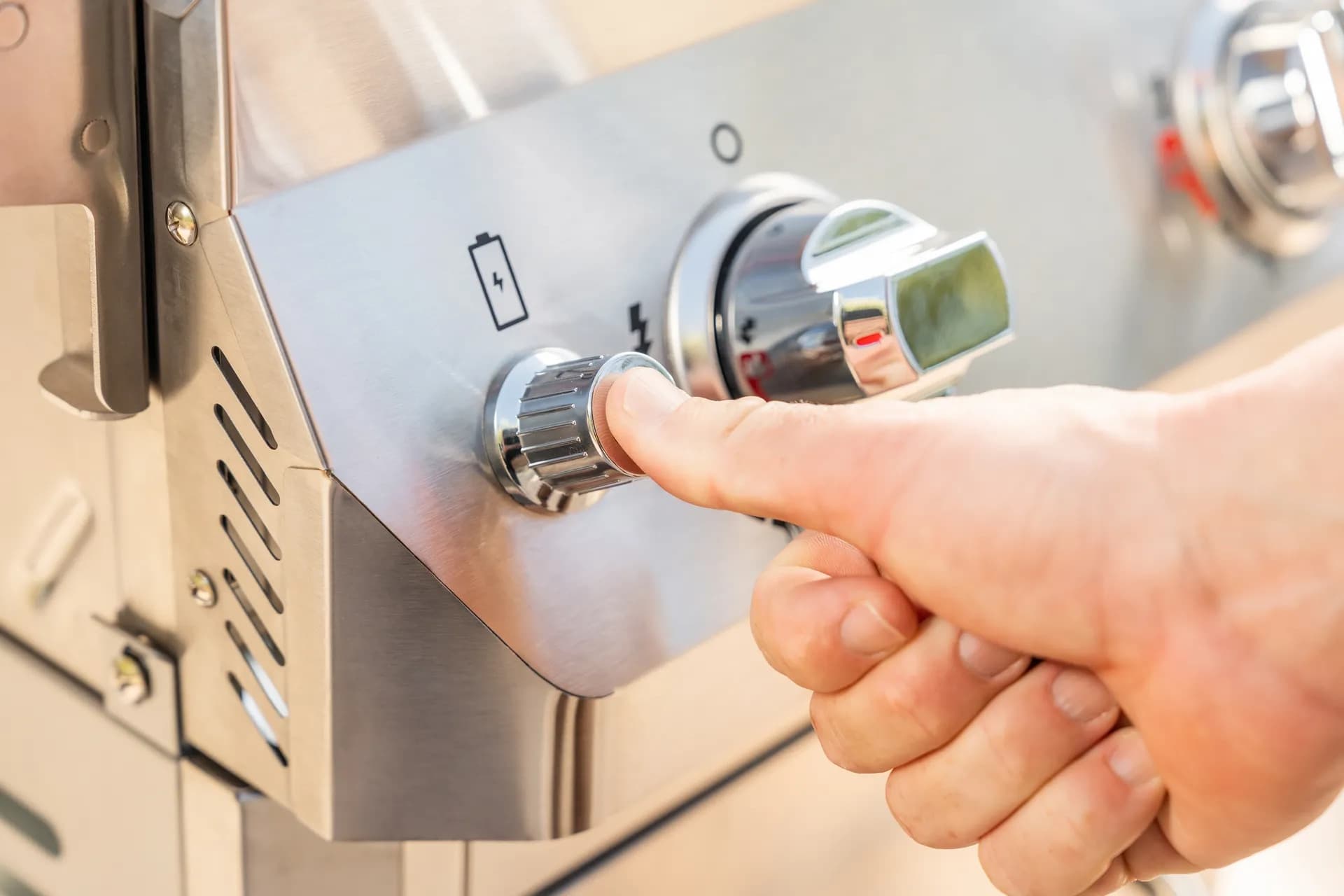
If your Nexgrill won’t ignite, begin with the igniter itself. Press the ignition button and listen for a clicking sound. If you do not hear a click, check the battery in the electronic ignition module if your model uses one, and confirm the igniter wire is seated firmly. A loose wire can interrupt the spark path even when everything else looks normal. If the igniter clicks but the burner does not light, move to the next layer of the system: gas flow.
Before trying again, make sure the propane tank valve is open slowly. Opening the tank too fast can sometimes trigger the regulator’s safety response, especially after a tank change. If that happens, the grill may act as though gas is blocked. Close the tank, turn all burner knobs off, wait a minute, and reopen the tank slowly. Then try lighting one burner with the lid open. That simple reset often restores normal flow.
| Ignition symptom | Likely cause | Best first check |
|---|---|---|
| No clicking sound | Dead battery or loose igniter connection | Replace battery and reseat wire |
| Clicks but no flame | Gas not reaching burner | Check tank valve and regulator reset |
| Lights on one burner only | Clogged burner ports or crossover issue | Inspect burner openings and clean gently |
If the grill still refuses to light, use a manual match-light method only if your model instructions allow it and you can do so safely. That test helps you separate ignition failure from fuel delivery failure. If the burner lights manually, the igniter is the most likely problem. If it still does not light, the issue is more likely upstream, such as the regulator, hose, or tank setting. This kind of diagnostic split can save time and prevents replacing parts that are not actually broken.
Never force repeated ignition attempts with the lid closed if you smell gas. Stop, turn everything off, and let the grill clear before trying again.
Addressing Low Heat and Flame Issues
Low heat is one of the most common Nexgrill complaints because it can come from several different sources. A grill may produce a flame, yet still cook slowly because the regulator is limiting flow, the burners are dirty, or the preheat cycle was too short. The right fix depends on whether the flame is weak on every burner or only on one side. If all burners are underperforming, start with the gas supply and regulator. If only one burner is weak, inspect that burner’s ports, spider screens, and venturi area for debris.
A real-world example: a homeowner turns on a four-burner grill for steaks and notices the flame is low across the whole cookbox right after connecting a fresh propane tank. In that case, the tank may be partially closed, the regulator may have tripped, or the cylinder may be low despite being “new” to the user. Another common situation is a grill that heats well when first lit but loses output after a few minutes. That usually points to restricted gas flow or grease buildup affecting airflow. Cleaning burner ports and checking the hose routing can make a noticeable difference.
To troubleshoot low heat correctly, preheat with the lid open for the first ignition test, then close the lid and let the grill stabilize. Check whether the flame is mostly blue and steady or yellow and lifting. Blue, even flames are what you want; yellow, uneven flames can suggest contamination, poor airflow, or incomplete combustion. If the burners are clean but the flame remains weak, inspect the regulator behavior and propane tank connection before assuming the grill itself is at fault.
A strong flame that suddenly becomes weak after a tank change is a classic sign that a regulator reset may be needed.
Understanding Regulator Issues and Resets
The regulator is the part that helps manage gas pressure from the propane tank to the burners. When it senses an abnormal flow event, it may reduce gas delivery as a protective measure. That is why a grill can seem fine one moment and underpowered the next, especially after the tank valve is opened too quickly or a burner knob is left on during a reconnect. Knowing how to reset the regulator is one of the most useful Nexgrill troubleshooting tips because it solves a large share of “no heat” complaints without tools.
A simple reset sequence is usually the right place to begin. Turn all burner knobs to off. Close the propane tank valve. Disconnect the tank if needed, then wait several minutes so pressure can dissipate. Reconnect the tank securely, open the valve slowly, and light one burner first with the lid open. Once that burner is burning normally, turn on the other burners one at a time. This staged restart helps the regulator relearn normal demand and avoids triggering the safety restriction again.
Regulator reset sequence1. Turn all burner knobs OFF.2. Close the propane tank valve.3. Wait several minutes.4. Reconnect the tank securely.5. Open the tank valve slowly.6. Light one burner with the lid open.7. Add the remaining burners one at a time.If the grill works after the reset but later repeats the same low-flame behavior, inspect the tank connection, hose condition, and burner cleanliness. Repeated regulator trips are often a sign of an underlying flow problem, not just a random failure. That is why it helps to track what happened immediately before the problem started. Did you change tanks? Did you leave a knob on? Did the grill get moved or stored in a way that stressed the hose? Those small details often point to the real cause.
Best Maintenance Practices for Your Nexgrill
Once you’ve compared symptoms and narrowed the issue down, the next step is preventing the same problem from coming back. Good maintenance is the difference between a grill that needs constant troubleshooting and one that lights predictably all season long. For Nexgrill owners, the most effective routine is not complicated: keep the burners clean, protect the gas path, and remove grease before it has a chance to harden. Those habits improve ignition reliability, heat consistency, and overall cooking performance.
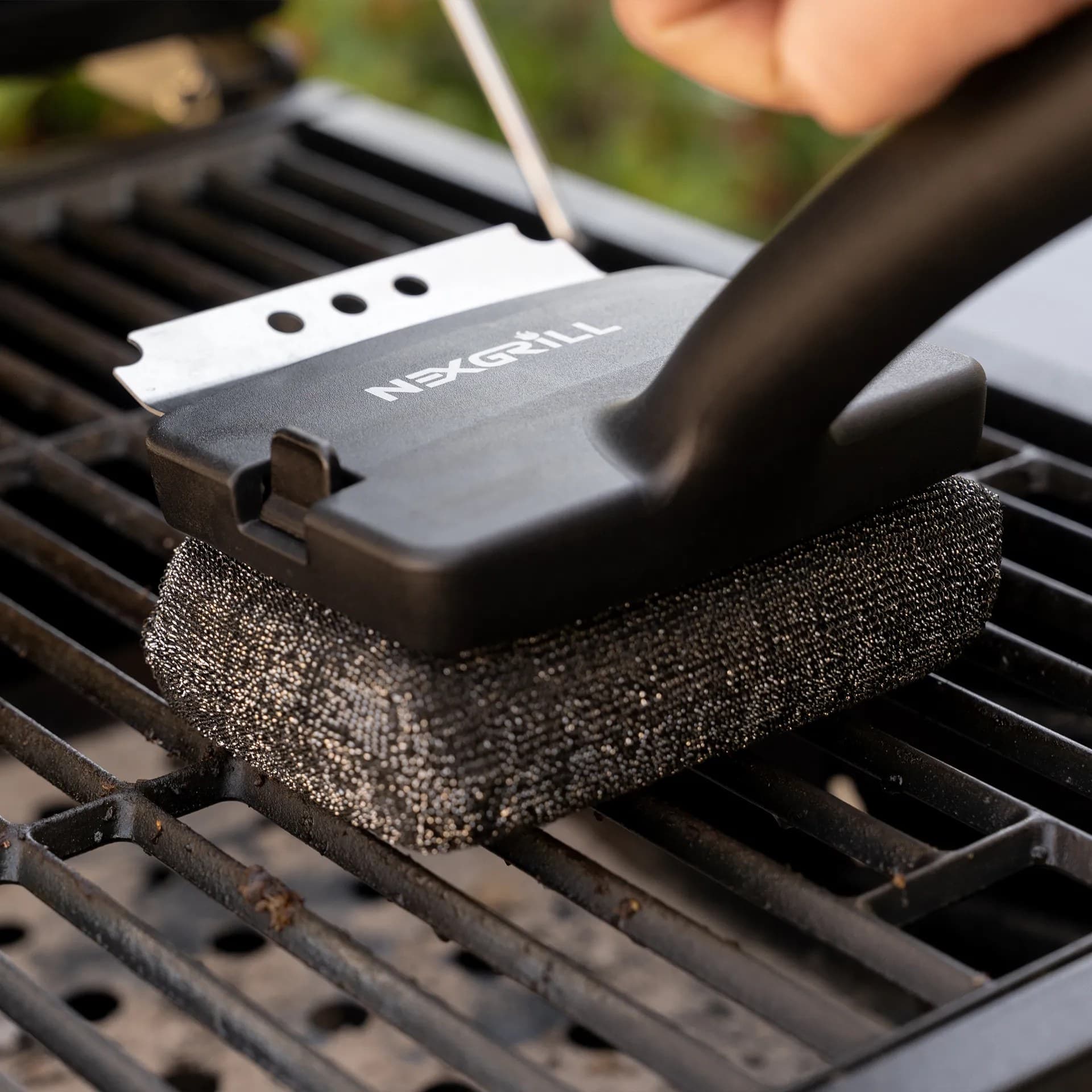
A practical maintenance schedule starts with the cooking grates. After grilling and while the grates are still warm, brush away residue so carbonized buildup does not block heat transfer or affect flavor on the next cook. Next, empty or wipe the grease tray regularly so drippings do not back up into the firebox. Grease accumulation is more than a cleanup issue; it can alter airflow and create confusing heat symptoms that look like burner trouble. Burners should also be checked periodically for clogged ports, especially if you cook with sugary marinades or leave the grill uncovered outdoors.
The outside of the grill matters too. Moisture, dust, and pollen can work into ignition components and hose connections over time. A fitted cover and dry storage area reduce the chance that corrosion or debris interferes with the ignition system. If the grill is stored for a long period, disconnect the propane tank properly and inspect the hose before the first spring cookout. That one inspection can prevent the annoying situation where a grill seems fine until the first busy weekend of the year.
| Maintenance task | How often | Why it matters |
|---|---|---|
| Brush grates after use | Every cook | Prevents residue buildup and improves heat transfer |
| Clean grease tray | Weekly or as needed | Reduces flare-up risk and airflow issues |
| Inspect burners and ports | Monthly | Helps prevent uneven flame and ignition delays |
| Check hose and connections | Each propane change | Identifies leaks, cracks, or loose fittings early |
Signs of a Faulty Regulator: What to Look For
A faulty regulator often shows up as a pattern rather than a single dramatic failure. The flame may start normally and then fade, the grill may refuse to go above low heat, or one tank may work while another triggers weak output immediately. If the burner flames are inconsistent across multiple clean burners and the tank is open properly, the regulator deserves attention. Another clue is the sound of gas flow: a healthy grill usually produces a steady, controlled burn, while a failing flow system can sound unusually thin, uneven, or intermittent.
Users often mistake these signs for “bad burners,” but burners are not always the source. A burner can be perfectly clean and still receive too little gas if the regulator is restricting flow. In some cases, the grill may work again after a full reset, only to fail the next time the tank valve is opened too quickly. That repeat pattern strongly suggests a regulator or tank-connection issue. If a replacement propane cylinder makes no difference, it becomes even more likely that the regulator or hose assembly needs inspection.
If you smell propane, hear hissing, or see soot buildup around the regulator or hose connection, stop troubleshooting and address the leak concern before using the grill again.
Safety Precautions When Troubleshooting
Safety comes first whenever you are diagnosing a gas grill. Keep the lid open during ignition tests unless your model instructions say otherwise, and never lean directly over the cookbox while trying to light burners. If you suspect a gas leak, shut off the tank immediately and do not use electrical components or create sparks nearby. It is also wise to let the grill cool before touching burner components, since many troubleshooting steps involve the firebox, grates, or heat shields.
Another important precaution is to avoid changing multiple variables at once. If you adjust the regulator, clean the burners, and swap the tank all at the same time, you won’t know which action fixed the issue. Troubleshooting works best when you make one change, test the result, and then move to the next step if needed. That keeps the process safer and gives you a clearer picture of what the grill actually needed.
If a problem persists after the basic reset and cleaning steps, document what you observed before moving on. That makes support conversations faster and more accurate.
FAQs: Addressing User Concerns
How do I reset a Nexgrill? Turn all burner knobs off, close the propane tank, wait several minutes, then reopen the tank slowly and relight one burner with the lid open. That sequence is often enough to restore normal gas flow after the regulator has tripped.
What should I do if my Nexgrill won’t ignite? Check the igniter battery or connection, confirm the tank is open, test one burner at a time, and look for burner clogs. If a match-light test works but the igniter does not, the ignition system likely needs attention rather than the fuel system.
What are the signs of a bad propane regulator? Weak flames across all burners, repeated low-heat behavior after tank changes, and performance that improves only after a reset are common clues. If the problem keeps returning, inspect the regulator, hose, and tank connection together.
How can I keep my Nexgrill in better shape? Clean the grates after each use, empty the grease tray often, inspect burner ports monthly, and store the grill under cover when possible. Those simple habits reduce most of the nuisance issues owners run into.
Conclusion: Keeping Your Nexgrill Running Smoothly
The most dependable Nexgrill troubleshooting habit is to work methodically: check ignition, verify gas flow, reset the regulator if needed, and then clean the components that affect performance over time. That approach solves many common problems without unnecessary part replacement, and it gives you a clearer sense of what your grill needs the next time something changes. In practice, the best grill owners are not the ones who never encounter issues; they are the ones who know how to respond calmly and correctly when an issue appears.
If you want to continue learning about grill care and product support, the official Nexgrill Support page is a strong place to start, and broader buying guidance from consumer publications can help you compare what matters most in outdoor cooking equipment . For a practical roundup of barbecue tips and routine care ideas, the Grilling Companion resource is also useful when you want to build better habits around everyday grilling and cleanup. Sources: