Your Comprehensive Nexgrill Parts List
Find everything you need for your Nexgrill models.
In This Article
Nexgrill Models Overview
Essential Replacement Parts
Troubleshooting Tips
Introduction to Nexgrill Parts
A useful Nexgrill parts list starts with one simple idea: the right replacement part depends on the exact grill model, not just the brand name on the hood. Nexgrill has built a broad lineup over the years, and the parts that fit a compact two-burner gas grill are not the same as the parts used on a four-burner, griddle, pellet, or charcoal model. The brand itself is known for a wide mix of outdoor cooking products, and its product range includes gas grills, griddles, pellet smokers, and charcoal options sold through major retail channels and Nexgrill’s own catalog, which is why model identification matters before you order anything. That product breadth is consistent with Nexgrill’s brand positioning as a diverse outdoor cooking company serving both casual cooks and more experienced grillers.
When shoppers search for a Nexgrill parts list, they are usually trying to solve one of three problems. First, a grill is not heating evenly or will not ignite. Second, a visible component has worn out, such as a burner, grate, or ignition part. Third, the owner wants to prevent a small issue from turning into a bigger repair by keeping a spare on hand. The good news is that many common wear items are straightforward to identify once you know the model number and the function of each part. A clear parts list can save time, reduce guesswork, and help you compare only the components that are designed for your specific grill family.
Start with the model label on the grill body, cart frame, or owner paperwork. The model number is the key that unlocks the correct burner size, ignition style, and accessory fit.
Is usually enough to narrow the search to the correct parts family.
The most practical way to use this guide is to think in layers. The first layer is the grill category: gas grill, griddle, pellet smoker, or charcoal grill. The second layer is the format: two burners, four burners, five burners, or a specialty cooking surface. The third layer is the part itself: burner tubes, heat plates, igniters, grates, knobs, regulators, grease trays, lids, shelves, and wheels. Once those three layers are matched, replacement shopping becomes much easier and the chance of ordering the wrong part drops sharply. That matters because many grill parts may look similar in a product photo but differ by dimensions, mounting points, or connector shape.
Overview of Popular Nexgrill Models
Nexgrill’s lineup includes several model families that buyers encounter often in the United States. A compact two-burner gas grill is usually the choice for smaller patios, weeknight cooking, or couples and small families. Four-burner propane grills are a common step up for households that need more surface area and more flexible heat zones. Five-burner griddles serve a different purpose altogether, favoring flat-top cooking for breakfast, smash burgers, fajitas, vegetables, and batch cooking. Pellet and charcoal models shift the conversation again, because the replacement parts are tied to fuel delivery, airflow, electronics, and cooking chamber components rather than conventional gas burner systems.
| Model family | Typical cooking style | Common parts to track |
|---|---|---|
| 2-burner gas grill | Everyday grilling in smaller spaces | Burners, ignition electrodes, grates, regulator, knobs |
| 4-burner gas grill | Family meals and zone cooking | Burners, heat tents, grates, side burner parts, control valves |
| 5-burner griddle | Flat-top cooking and large batches | Cooking surface, burners, ignition, grease management, knobs |
| Pellet smoker | Low-and-slow smoking with digital control | Auger, fire pot, igniter rod, controller, probes |
| Charcoal grill | Traditional live-fire cooking | Grates, ash management, vents, racks, handles |
This model-first approach is important because a buyer who needs a replacement burner set for a standard gas grill may be searching in the wrong section if they only look for a generic “Nexgrill burner.” A better search includes the grill category, burner count, and model number. That same discipline helps when browsing Nexgrill’s all-products collection, where the broader catalog makes it easier to compare product types before matching parts. Nexgrill’s company background also matters here: the brand has grown from its early roots into a major outdoor cooking name with products sold across different categories and channels, so a little catalog discipline goes a long way.
Comprehensive Parts List by Model
Below is a practical parts list organized by model type rather than by a single universal set of components. That makes it easier to identify what actually fails, what is usually replaced together, and what needs to match exact dimensions. For each model family, the goal is not just to name parts, but to show which parts tend to matter most in real ownership situations.
| Model type | Primary replacement parts | Why they are replaced |
|---|---|---|
| 2-burner gas grill | Burners, cooking grates, igniter kit, control knobs, gas regulator, heat shields | Rust, weak ignition, uneven flames, worn finish |
| 4-burner gas grill | Main burners, crossover tubes, heat tents, grate sets, side burner components, valve manifold parts | Hot spots, worn metal, ignition failure, burner blockage |
| 5-burner griddle | Burner tubes, ignition parts, grease cup, leveling hardware, cooktop surface parts, cart hardware | Surface wear, grease overflow, heat imbalance, loose cart parts |
| Pellet smoker | Auger motor, fire pot, hot rod igniter, temperature probes, controller, drip tray liner, fan components | Startup issues, probe drift, ash buildup, feeding problems |
| Charcoal grill | Cooking grate, charcoal grate, ash pan, vents, handles, hinges | Corrosion, airflow loss, bent hardware, heat wear |
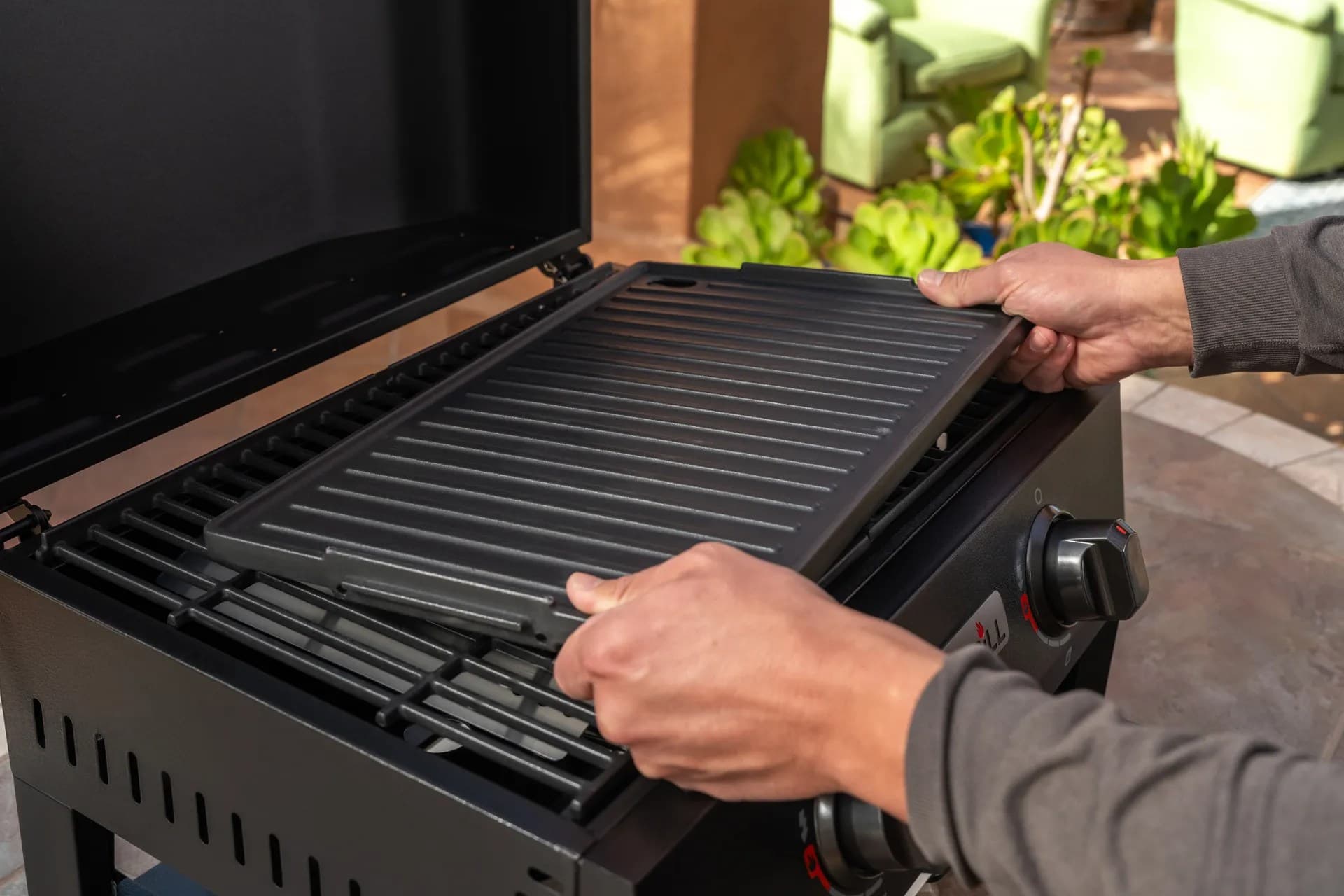
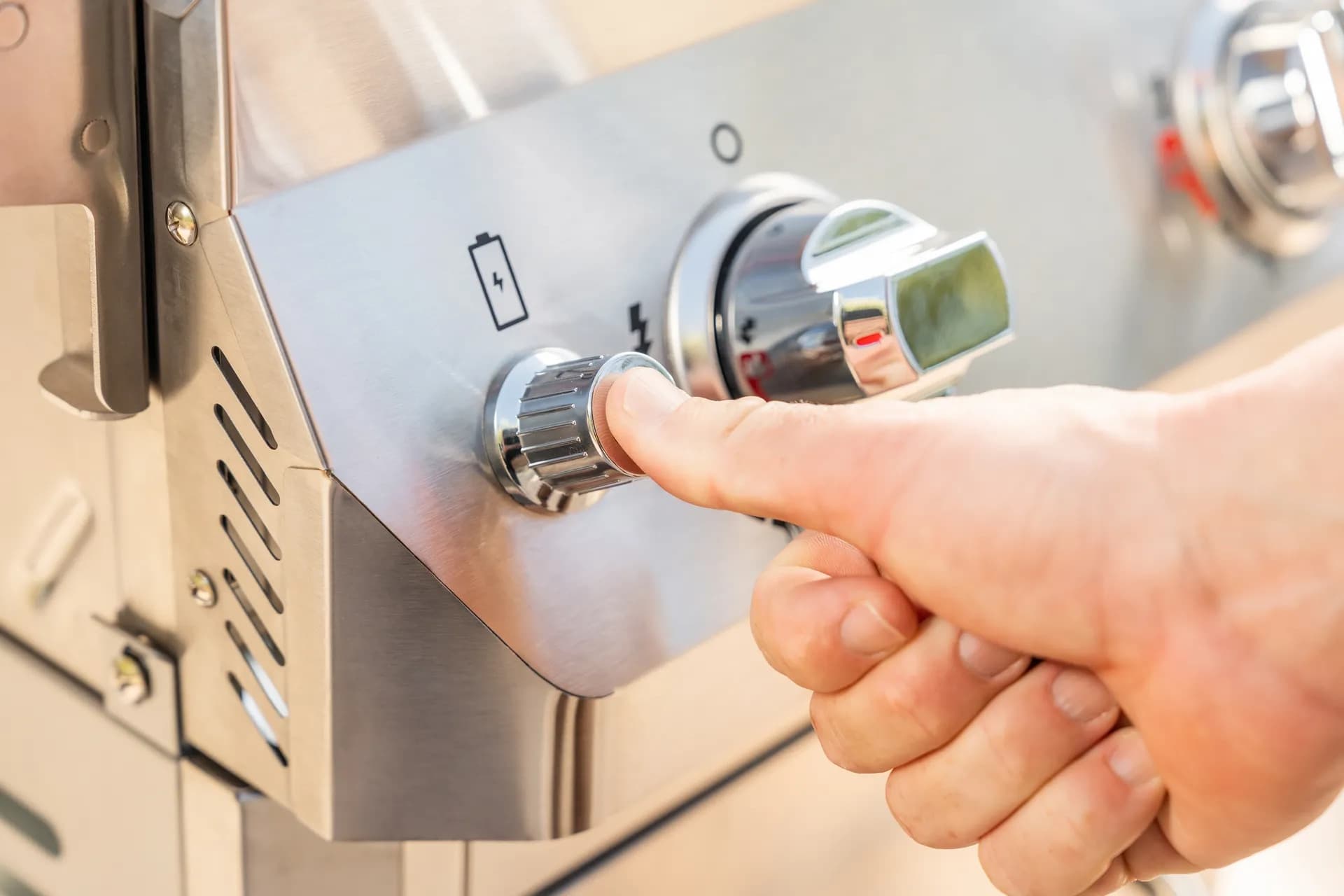
For a 2-burner Nexgrill gas grill, the most commonly replaced items are the burners and ignition pieces. If one burner lights slowly or flames are uneven, the root cause is often grease or corrosion inside the burner tube, a clogged port, or an igniter electrode that is no longer sparking cleanly. Cooking grates are another frequent replacement because they are exposed to direct heat and repeated scraping. A replacement grate set is usually one of the first upgrades owners make when the original surface has worn down.
For a 4-burner propane grill, the parts list expands because the system is more complex. Multiple burners need to work together, which means crossover tubes, heat tents, and the valve manifold can all influence performance. A side burner, when present, introduces an additional set of pieces such as its burner ring, control knob, and ignition point. If only one section of the grill is failing, it is worth checking whether the issue is isolated to a single burner assembly or tied to the gas supply. That can prevent unnecessary replacement of otherwise healthy parts.
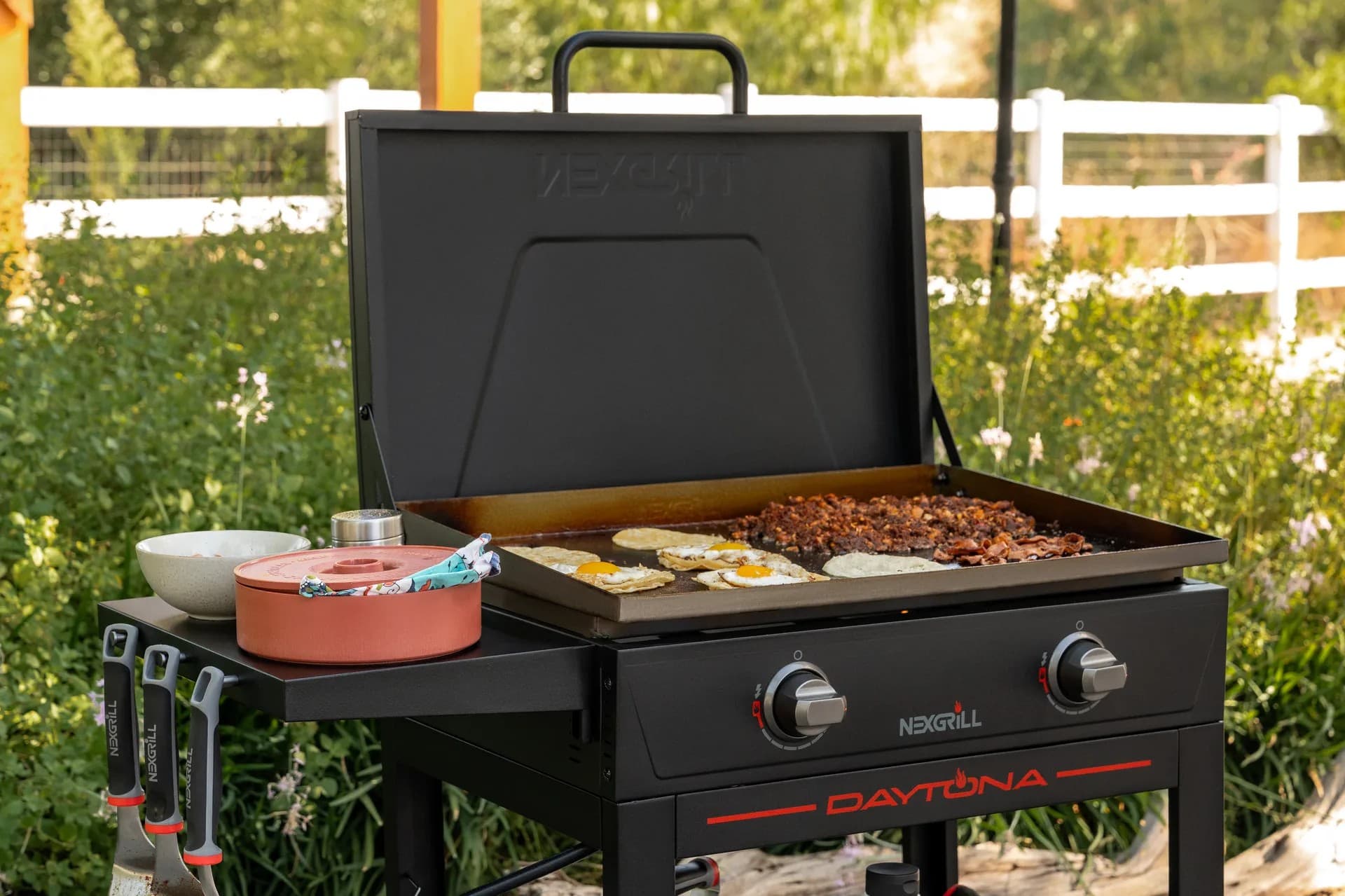
For a Nexgrill Daytona-style griddle, the list shifts away from traditional grates toward flat-top parts: the cooktop surface, burners that heat the plate, grease channels, and tray hardware become the priority. Owners who use griddles heavily often replace grease-management pieces earlier than expected, especially if cleanup habits are inconsistent. Because flat-top cook surfaces are used for a wide range of foods, heat consistency and proper drainage are just as important as raw burner output.
Pellet smokers and charcoal grills follow their own maintenance logic. Pellet models rely on electrically driven feed and ignition parts, so common replacements include the auger motor, hot rod igniter, controller, and temperature probe. Charcoal models are simpler mechanically, but the grates, ash management pieces, vents, and handles still wear over time. If a charcoal lid is hard to open or vents stick, the problem may be hardware fatigue rather than cooking performance.
If you are unsure which part to buy, compare the part number stamped on the old component, the measured length and width, and the mounting shape. Photos alone are rarely enough.
Common Issues and Replacement Parts
Most replacement searches begin with a symptom. A grill that will not light, heats unevenly, or leaks grease in the wrong place usually points to a small set of worn parts. The faster you connect the symptom to the likely component, the less time you spend chasing unrelated parts.
| Common issue | Likely replacement parts | What to check first |
|---|---|---|
| Burner will not light | Igniter electrode, igniter module, burner tube, gas regulator | Spark presence, gas flow, blocked ports |
| Uneven heat across grate | Burners, heat tents, grate set, flame tamers | Flame pattern, rust, bent shields |
| Grease dripping or flare-ups | Grease tray, drip pan, heat shields, grease cup | Blockage, tray alignment, cleaning frequency |
| Low flame or weak heat | Regulator, manifold, burner, hose assembly | Cylinder fuel level, connection tightness, spider-web blockage |
| Pellet grill fails to start | Hot rod, auger motor, controller, probe | Pellet feed, electrical connection, fire pot cleaning |
A common gas-grill issue is the slow or partial ignition of one burner while the others work normally. In many cases, that points to a single igniter electrode or a clogged burner port rather than a full gas-system failure. Another frequent problem is heat that looks strong at startup but fades over time. That can indicate a regulator issue, a partially blocked burner, or a hose connection that is not delivering steady gas. For these cases, replacing only the needed component is more practical than buying a full assembly.
On griddles, the complaints often sound different. Owners may notice the surface is heating unevenly, the ignition is taking longer, or the grease system is backing up. Those symptoms often trace back to burner maintenance, a dirty cooktop, or a grease tray that needs replacement because it has warped or rusted. On pellet smokers, startup failures are usually tied to the hot rod igniter, auger feed, or control system, especially when the unit has been exposed to moisture or left with old pellets in the hopper.
The most efficient troubleshooting path is to test the simplest part first. Check for fuel, inspect visible blockage, confirm ignition spark, and then inspect worn hardware. This sequence keeps replacement decisions focused and helps owners avoid buying parts that do not address the real problem. Try comparing two products side by side below to see which fits best:
Maintenance Tips for Your Nexgrill
Once you've weighed two options against each other, the next step is protecting the grill you already own. The best parts list is not just a shopping reference; it is also a maintenance map. If you know which pieces wear first, you can clean, inspect, and replace them before they affect cooking performance. For most Nexgrill owners, the longest-lasting grills are not the ones used the least. They are the ones that are cleaned consistently, covered when stored outside, and checked at the start of each season.
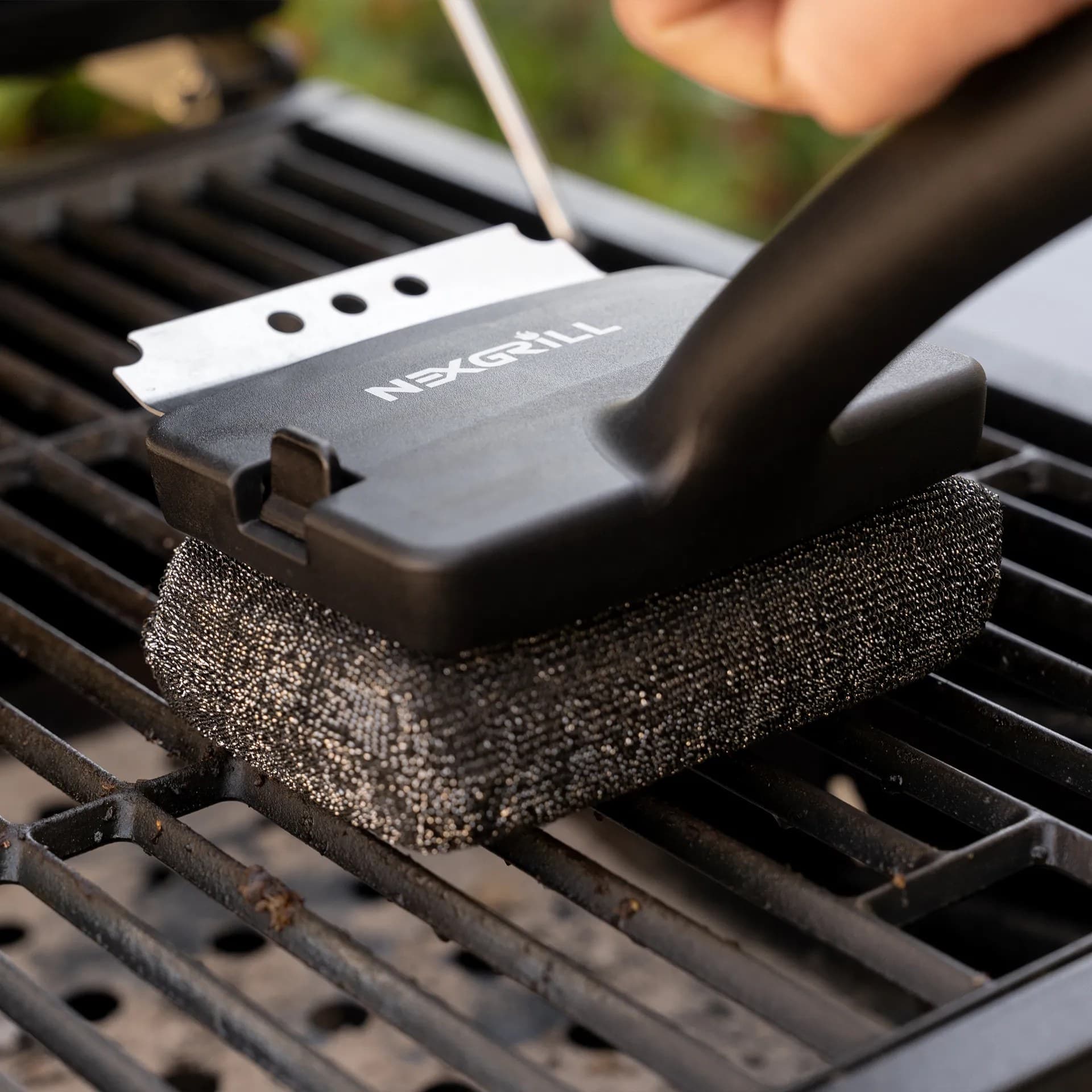
A practical maintenance routine begins after every cook. While the grill is still warm, brush the grates or flat-top surface to remove residue before it hardens. Empty the grease tray or grease cup regularly so drainage stays open. On gas grills, inspect burner flames occasionally; a healthy flame is usually steady and even, while yellowing, flickering, or patchy flame patterns can signal a cleaning or replacement issue. On pellet smokers, remove ash from the fire pot, verify that pellets stay dry, and wipe down temperature probes so the controller can read heat more accurately. On charcoal grills, clear ash buildup and make sure vents move freely, since airflow drives temperature control.
A covered grill is usually a healthier grill. Protection from rain, dust, and UV exposure can reduce corrosion on burners, hardware, and painted surfaces.
The parts that fail most often are also the parts that benefit most from routine inspection. Burners should be checked for rust, blocked ports, and distortion. Ignition systems should be tested before a major cook so you are not troubleshooting in front of guests. Grates should be looked at for flaking coating, sharp edges, or heavy corrosion. If your grill uses a regulator or hose assembly, inspect for cracking, bending, or wear at the connection points. For pellet grills, look closely at the hot rod, fan inlet, and auger area after long storage periods, because moisture and leftover fuel can interfere with startup.
| Routine task | Why it helps | Parts it protects |
|---|---|---|
| Brush grates after cooking | Prevents hard buildup and corrosion | Cooking grates, flavorizer bars, flat-top surface |
| Empty grease trays and cups | Reduces flare-ups and overflow | Grease tray, drip pan, grease cup |
| Inspect burners monthly | Catches blockage early | Burners, crossover tubes, ignition parts |
| Keep pellets dry | Prevents jams and poor startup | Auger motor, controller, fire pot |
| Use a fitted cover | Limits weather wear | Lid, hardware, frame, finish |
Owners who cook frequently should also create a small seasonal checklist. Before peak grilling season, confirm that all knobs turn smoothly, the ignition clicks, the regulator connection is secure, and the cooking area is free of rust or debris. If a component already looks weak, replacing it early is often less expensive and less frustrating than waiting for it to fail during a weekend cookout. That is especially true for high-use parts such as burners, grates, igniters, and grease-management hardware.
Another smart habit is to record the part numbers from the original packaging or the old component before it is discarded. Even a good photo saved on a phone can help identify the correct replacement later. If the grill model is not obvious, photograph the rating plate or model sticker and keep it with your appliance records. This simple step is one of the fastest ways to avoid ordering mistakes, particularly when the same grill family has multiple revisions or accessory variations.
Where to Purchase Nexgrill Parts
The best purchase option depends on whether you want the broadest catalog, a retail pickup option, or a model-specific replacement path. For many shoppers, the most direct place to start is Nexgrill’s product collection, where you can review the current catalog and compare grill families before searching for compatible parts. The all-products collection is useful when you need to confirm the product family first, especially if you are shopping for a newer grill, a griddle, or an accessory that should match the original setup. Nexgrill also provides company information and background that can help users understand the scope of its product range.
For shoppers who prefer a retail marketplace, the Home Depot Nexgrill brand page can be a practical comparison point because it gathers multiple Nexgrill products in one place and makes it easier to browse according to store availability, price, and shipping options. You can review that storefront here: Nexgrill at Home Depot. Retail browsing can be especially helpful when you are trying to compare multiple parts categories at once, such as grates, regulator kits, and replacement burners. It also gives you a second lens for checking whether a piece is sold as a single replacement or bundled with related hardware.
Before you buy, match the part to the model and measure the old component. A visually similar part can still be wrong if the mounting holes, length, or connector shape do not line up.
If you are comparing purchase options, think in terms of total value rather than sticker price alone. A slightly higher-priced part may be the better buy if it arrives with mounting hardware or better product documentation. On the other hand, if the part is a standard wear item like a grate or grease cup, the lowest-priced correctly sized replacement may be perfectly reasonable. The most important factor is fit. After fit comes material quality, then shipping speed, then any bundled hardware that reduces installation time. For grills used weekly in United States backyards, that hierarchy usually leads to the fewest surprises.
When you are ready to browse the broader lineup, it helps to cross-check product photos, descriptions, and measurements. Some parts may be sold as a component set, while others are specific to a single model revision. If you are unsure, compare two possible items side by side and verify the mounting style, size, and fuel-system details before ordering. That habit is especially important on burners, igniters, and control knobs, where small differences can affect usability.
Conclusion
A dependable Nexgrill parts list is really a decision tool. It helps you identify what your grill needs now, what it will likely need next, and where to shop with less guesswork. By sorting parts by model family, recognizing the symptoms of common failures, and keeping up with routine cleaning, you can extend the life of the grill you already own and avoid replacing more than necessary. The most useful mindset is simple: identify the model, inspect the wear item, and replace only the component that solves the problem.
If your grill is a 2-burner model, focus on burners, grates, and ignition hardware. If it is a 4-burner setup, check the full heating path, including heat tents and valve-related parts. If you own a griddle or pellet smoker, shift your attention toward the cooktop, grease management, igniter system, probe, or feed components. That model-specific approach turns a long search into a manageable checklist and keeps your next cookout on schedule.