Essential Gas Grill Maintenance Tips
Keep your grill in top shape with these expert maintenance strategies.
In This Article
Regular Inspections
Deep Cleaning
Prevent Rust
Introduction
A gas grill performs best when it is treated like a working appliance, not a seasonal prop. Grease buildup, clogged burner ports, loose connections, and weather exposure all change how evenly the grill heats and how safely it runs. The good news is that most of the upkeep is simple, repeatable, and inexpensive if you stay ahead of problems instead of waiting for them to show up mid-cook. Nexgrill’s brand philosophy centers on dependable outdoor cooking that brings people together, and that only works when the grill itself is in good condition for the long haul.
For many households, maintenance is less about a dramatic deep clean and more about building a rhythm: brush the grates after cooking, empty grease where needed, inspect the gas path monthly, and give the grill a more complete teardown at the start and end of the season. That routine keeps flare-ups down, improves ignition reliability, and helps you notice wear before it turns into a frustrating repair. It also protects flavor. Old grease and carbon can smoke in ways that overpower the food, especially on lighter items like chicken, fish, and vegetables.
A well-maintained grill is easier to preheat, easier to clean after cooking, and easier to trust when you are hosting friends or family.
If you want a practical benchmark, think in three layers: quick post-cook care, monthly safety checks, and seasonal deep maintenance. That structure keeps the workload manageable and prevents the “I’ll get to it later” cycle that shortens grill life. Consumer Reports also recommends routine cleaning and inspection as the best way to keep a gas grill working properly over time.
The sections below focus on the maintenance habits that have the biggest impact for everyday owners: what to do after each cook, how to clean the interior without damaging parts, how to control rust, and how to avoid the mistakes that quietly wear a grill down faster than normal use.
Regular Maintenance Practices
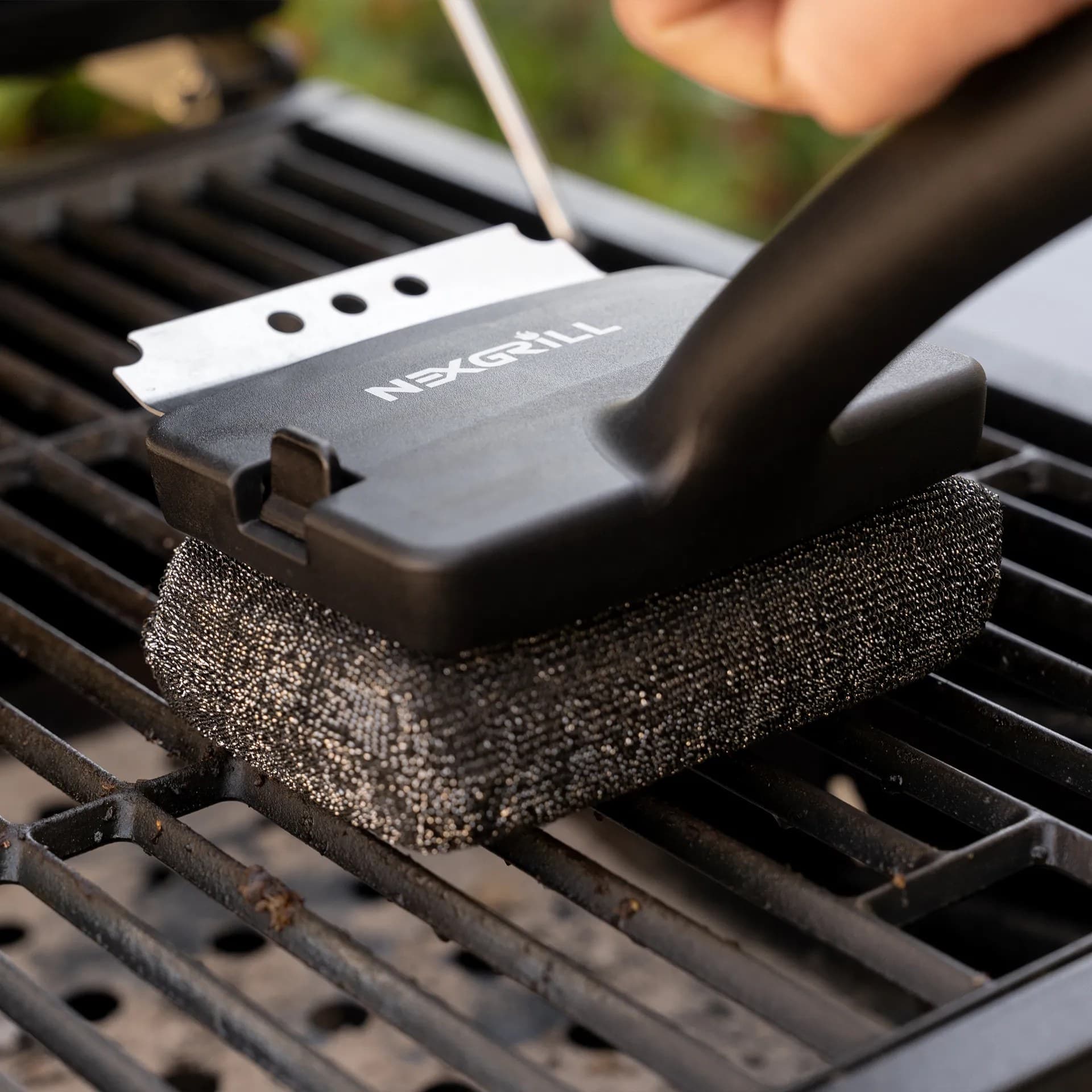
Good grill maintenance begins immediately after cooking. The simplest habit is to let the grill run on high for a short period after the food comes off the grates, then brush the grates while they are still warm. Warm surfaces release residue more easily than cold ones, so you remove less with force and reduce the chance of dragging carbon into the next meal. Use a grill brush that matches the grate material: stainless steel grates can handle a firmer brush, while porcelain-coated grates need a gentler touch to avoid chipping the finish.
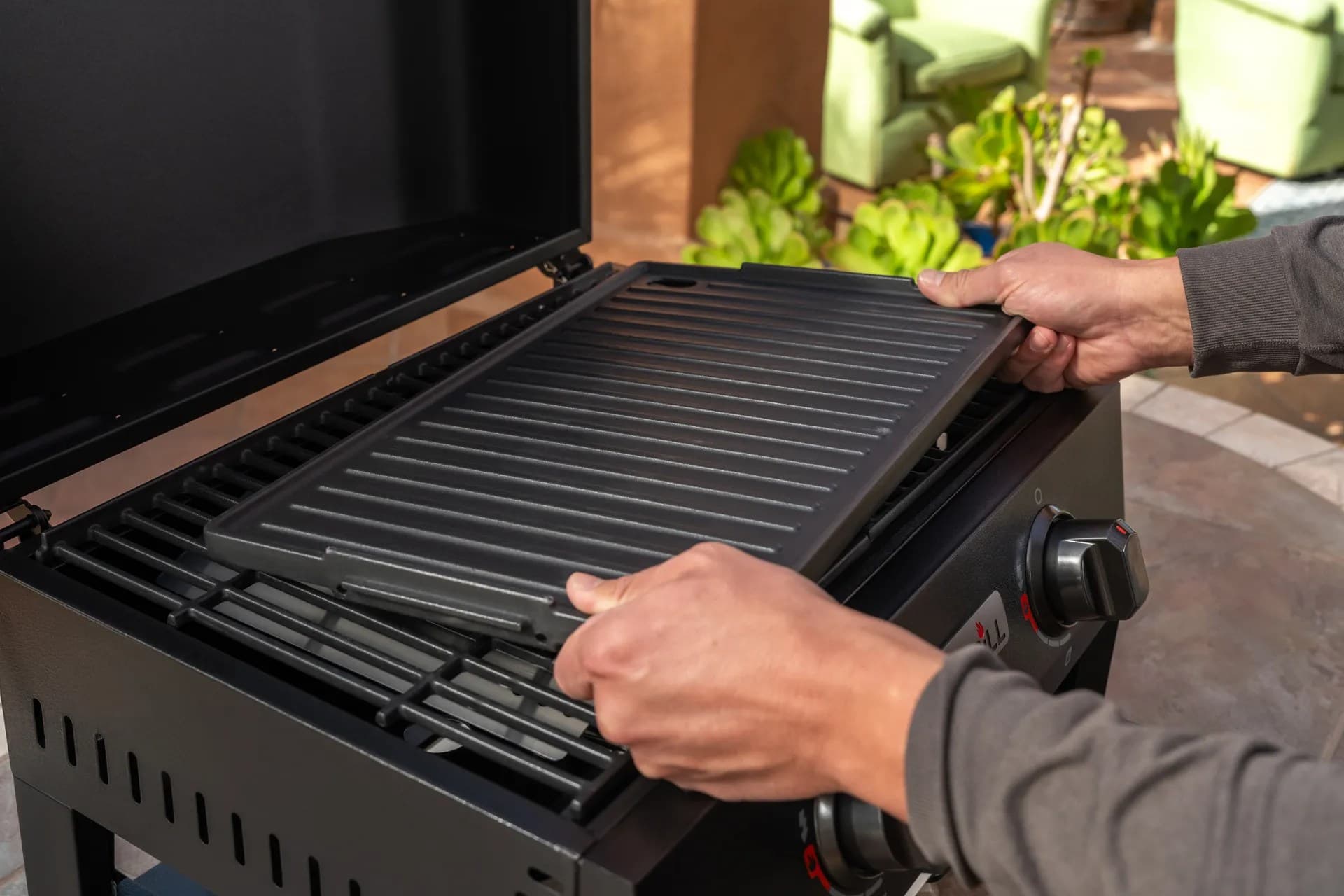
After the grates are cleaned, check the grease management system. On many gas grills, that means emptying a catch pan or tray before it becomes full enough to spill. Grease overflow is one of the most common causes of smoke and flare-ups, and it can also attract pests if left sitting in a warm outdoor area. If your grill has removable flavorizer bars or heat tents, wipe or scrape those pieces periodically so drippings do not harden into a thick layer that blocks airflow or heats unevenly.
| Task | How often | Why it matters |
|---|---|---|
| Brush grates while warm | After most cooks | Prevents buildup and keeps flavor cleaner |
| Empty grease tray or pan | Every few cooks or sooner | Reduces flare-ups and smoke |
| Wipe exterior surfaces | Weekly in active season | Protects finishes and helps spot damage early |
| Inspect knobs, hoses, and connections | Monthly | Supports safe ignition and gas flow |
The outside of the grill deserves attention too. Wipe lids, side shelves, and control panels with a mild soap solution and a soft cloth. Avoid strong abrasives or aggressive chemical sprays that can cloud stainless steel or wear down protective coatings. If you grill often, it is worth keeping a small maintenance kit nearby with a nylon brush, microfiber towels, a plastic scraper, mild dish soap, a spray bottle of warm water, and disposable gloves. That simple setup makes short cleaning sessions easier to complete, which is why they actually get done.
Small, frequent cleaning sessions are usually more effective than one big rescue cleaning after grease has hardened for months.
Deep Cleaning Procedures
A seasonal deep clean goes beyond the visible surfaces and targets the parts that affect airflow, ignition, and heat consistency. Start by turning off the gas supply and disconnecting the propane tank if your model uses one. Remove the grates, flavorizer bars, and any removable trays. Soak grates in warm, soapy water if the finish allows it, then scrub away loose residue with a non-metal brush or pad. For particularly stubborn buildup, a paste made from baking soda and water can help lift carbon without relying on harsh chemicals.
Inside the firebox, use a plastic putty knife or grill-safe scraper to remove loose carbon and grease chunks. Then vacuum or sweep out debris once everything is dry. That step matters more than many owners realize: debris in the firebox can block drainage, trap moisture, and interfere with burner airflow. Consumer Reports recommends thorough cleaning as part of keeping a gas grill functioning properly, especially before and after heavy use periods.
The burners need careful attention. Look for clogged ports, spider webs, insect nests, bent burner tubes, and corrosion around ignition points. Burner ports should be clear so flames can travel evenly. If you see sections of weak flame, yellow flame, or gaps in ignition, remove the burner if your model allows it and clean the ports gently with a soft brush or a thin, non-metal tool that will not enlarge the holes. Do not jab aggressively into the ports; the goal is to clear them, not reshape them.
Never hose down the inside of a gas grill aggressively. Excess water can linger in burner channels, ignite poorly later, and accelerate rust.
After cleaning, reassemble the parts only when they are fully dry. That drying step is part of the maintenance process, not an optional pause. Moisture left behind under grates or inside burner chambers creates a perfect environment for corrosion. If you want to go one step further, apply a light coat of high-smoke-point oil to the grates before heating them back up. This creates a thin protective film and helps food release more easily during the next cook.
Preventing Rust and Corrosion
Rust prevention is really moisture management. Grills live outdoors, so the battle is not whether they will ever see humidity or rain, but whether those elements are allowed to sit on the metal long enough to cause damage. The most effective habits are simple: dry parts completely after washing, cover the grill when it is cool, and keep the grill under shelter if your space allows it. Even a high-quality cover will work better if the grill is clean and dry before it goes on.
Oiling the grates is one of the best small steps you can take. After cleaning and drying, dip a folded paper towel or cloth in a little neutral oil, then wipe a thin layer across the grate surface. You are not trying to make the grates slippery or saturated. A thin film is enough to discourage surface rust and improve food release. If oil pools, it can smoke excessively or leave sticky residue, so less is more. This is especially helpful if you store the grill through a rainy season or if your area has coastal air.
Pay close attention to fasteners, hinges, and the bottom of the cart, where moisture tends to collect first. Light surface rust on non-cooking parts can often be removed with a nylon pad and a little patience, but flaking metal or structural pitting is a sign to replace the part or inspect it more closely. If a grill is stored on a wet deck, move it occasionally so water does not pool beneath the feet or wheels.
A light wipe on clean grates helps resist rust without creating greasy buildup.
Seasonal Maintenance Tips
Seasonal transitions are the best time to reset your grill. In spring, inspect for winter dust, insect nests, and any moisture damage that developed while the grill sat unused. In summer, check grease trays more frequently because higher cooking frequency means residue builds faster. If you are grilling in humid conditions, shorten the time between wipe-downs and inspect exposed metal for early signs of oxidation.
Before storing the grill for fall or winter, perform a full cleaning, confirm that all parts are dry, and run a brief inspection of the burners, igniter, and gas line. Remove propane tanks from enclosed storage areas where required by local rules and common safety practice, and keep the tank upright in a ventilated area if it remains attached or stored nearby. If you live where freeze-thaw cycles are common, moisture trapped inside small seams can expand and worsen corrosion, so the final dry-down matters.
For year-round owners, treat the first cook of each season like a checkout test. Preheat the grill, watch the flame pattern, listen for unusual ignition sounds, and confirm that each burner responds correctly. That small ritual catches issues early and makes the next cook feel routine instead of uncertain.
Common Maintenance Mistakes to Avoid
One of the biggest mistakes is using overly aggressive tools. Metal scrapers and hard wire brushes can damage coated grates or leave debris behind if used carelessly. Another common error is cleaning only the visible top surfaces while ignoring the firebox, burner ports, and grease system. Those hidden areas are often the source of smoking, flare-ups, and weak heat. A third mistake is skipping the dry phase after washing. Cleaning a grill and then closing the lid while parts are still wet can undo the benefits of the entire job.
Owners also sometimes over-oil the grates or use the wrong cleaner. Heavy oiling can become sticky, attract debris, and create extra smoke. Likewise, strong oven cleaners or harsh degreasers can damage finishes and leave residues that affect food. Stick with grill-safe or food-contact-safe methods whenever possible. Finally, do not ignore small changes in flame color, ignition speed, or hot spots. Those are early clues that something needs attention long before the grill stops working.
Try comparing two products side by side below to see which fits best:
Advanced Maintenance Techniques
Once you've weighed two options against each other, here’s what else matters for long-term grill care: the parts that usually get overlooked until performance starts slipping. Advanced maintenance is less about dramatic overhauls and more about checking the details that keep heat even and ignition predictable. That means paying attention to burner alignment, venturi openings, igniter condition, and the way grease moves through the system. Consumer Reports specifically notes that damaged burners are one of the more common replacement items on gas grills, which is why it helps to inspect them before they become a bigger problem.
If your flames are uneven, remove the cooking components and look for a pattern. A strong blue flame with consistent height is a good sign. Yellow tipping, weak areas, or burner sections that fail to light can indicate restricted gas flow or grime inside the burner tube. Clean venturi openings carefully, then check that each burner is seated properly. For grills that allow it, a burner replacement is often more practical than repeatedly trying to rescue a part that is badly corroded or cracked. Inspect the burner metal for holes, splitting, or warping, because those are signs the part is past simple cleaning.
| Symptom | Likely maintenance issue | Practical next step |
|---|---|---|
| Weak or uneven flame | Clogged burner ports or venturi | Brush and clear openings, then retest |
| Persistent flare-ups | Grease buildup or blocked tray | Deep clean the firebox and grease path |
| Delayed ignition | Igniter wear or moisture | Dry components and test ignition system |
| Rust spots returning quickly | Moisture retention or poor storage | Improve drying and use a cover |
Troubleshooting Common Issues
Most gas grill problems fall into a handful of categories, and the fastest way to solve them is to work from the simplest cause outward. If the grill will not ignite, first confirm that the propane tank is not empty or the gas supply is open. Then check the igniter battery if your model uses one, and make sure the electrode area is free from grease or moisture. A wet or dirty igniter can fail even when the rest of the system is fine.
If the grill lights but runs hot in one area and cool in another, the issue is usually airflow or burner obstruction. Remove the grates and flavorizer bars, then look for blocked ports, insect debris, or warped components. If one side consistently cooks faster, use that zone intentionally for two-stage cooking rather than treating it as a defect. Maintenance can improve the balance, but understanding your grill's heat map helps you use it better in the meantime.
For gas odor or persistent hissing, shut the grill down immediately and inspect the hose and regulator area according to the manufacturer's instructions. Do not light the grill again until you have identified the source. Safety comes first, and no maintenance shortcut is worth a gas leak. If you detect a damaged hose, swelling, cracking, or a loose fitting, replace the part rather than trying to patch it.
If you smell gas, stop, shut off the supply, and move the grill away from ignition sources before doing anything else.
Extending Your Grill's Lifespan
A grill lasts longer when every part of ownership is treated as preventive care. That starts with the way you cook. Preheating only as long as needed, avoiding unnecessary high-heat cooking on dirty grates, and keeping grease from accumulating all reduce wear. It continues with storage choices. A dry, covered grill lasts longer than one left exposed to rain, sprinkler overspray, or direct sun every day of the year.
Lifespan also depends on part replacement. Replacing a burner, igniter, or grate at the right time often costs far less than replacing the entire grill. That is why periodic inspections pay off: they tell you which components are still worth maintaining and which have reached the point where replacement is the smarter move. If you own a grill that gets used weekly, expect wear sooner than a grill used only on summer weekends, and plan maintenance accordingly.
Think of lifespan in terms of condition, not just age. A well-cared-for grill can keep cooking comfortably far longer than a neglected one of the same model. The real difference is whether small problems are handled early and whether moisture, grease, and debris are kept from building up unchecked.
When to Seek Professional Help
Some maintenance tasks are appropriate for a home cook, but others call for extra help. Seek professional service if the grill repeatedly fails to ignite after standard cleaning and inspection, if you discover a cracked gas hose or regulator problem, or if the burner system is badly corroded and difficult to remove safely. You should also get help if the grill has suffered fire damage, a significant grease flare-up, or any structural issue that affects the lid, firebox, or cart stability.
A good rule is simple: if the fix involves gas plumbing, electrical components you are not comfortable testing, or disassembly beyond the owner’s manual guidance, stop and escalate. The goal is not to prove how handy you are. The goal is to keep the grill reliable and safe for the next cookout.
Conclusion
The best gas grill maintenance tips are the ones you can repeat without a hassle: clean when the grill is warm, inspect the fuel path monthly, dry parts completely, and protect the metal from moisture before rust starts. Do those things consistently, and your grill will reward you with better heat, fewer flare-ups, and a longer useful life.