Mastering Electric Grill Maintenance: A Comprehensive Guide
Ensure your electric grill delivers top performance with our expert maintenance tips.
Image via 123RF
In This Article
Routine Cleaning
Component Checks
Storage Tips
Understanding Electric Grill Maintenance
Electric grills are lauded for their convenience, especially in urban settings where gas or charcoal might not be viable options. However, to keep them functioning efficiently, regular maintenance is crucial. Unlike traditional grills, electric grills require a different approach due to their unique components and operation. In this guide, we delve into essential maintenance practices, ensuring your grill remains in peak condition for years of delectable grilling.
At the heart of every well-maintained electric grill is consistent cleaning. Food particles and grease can accumulate quickly, leading to performance issues or, worse, potential fire hazards. Additionally, understanding the electrical components and ensuring they’re in good condition can prevent costly repairs or replacements. Let’s explore the steps involved in maintaining your electric grill.
Routine Cleaning Practices
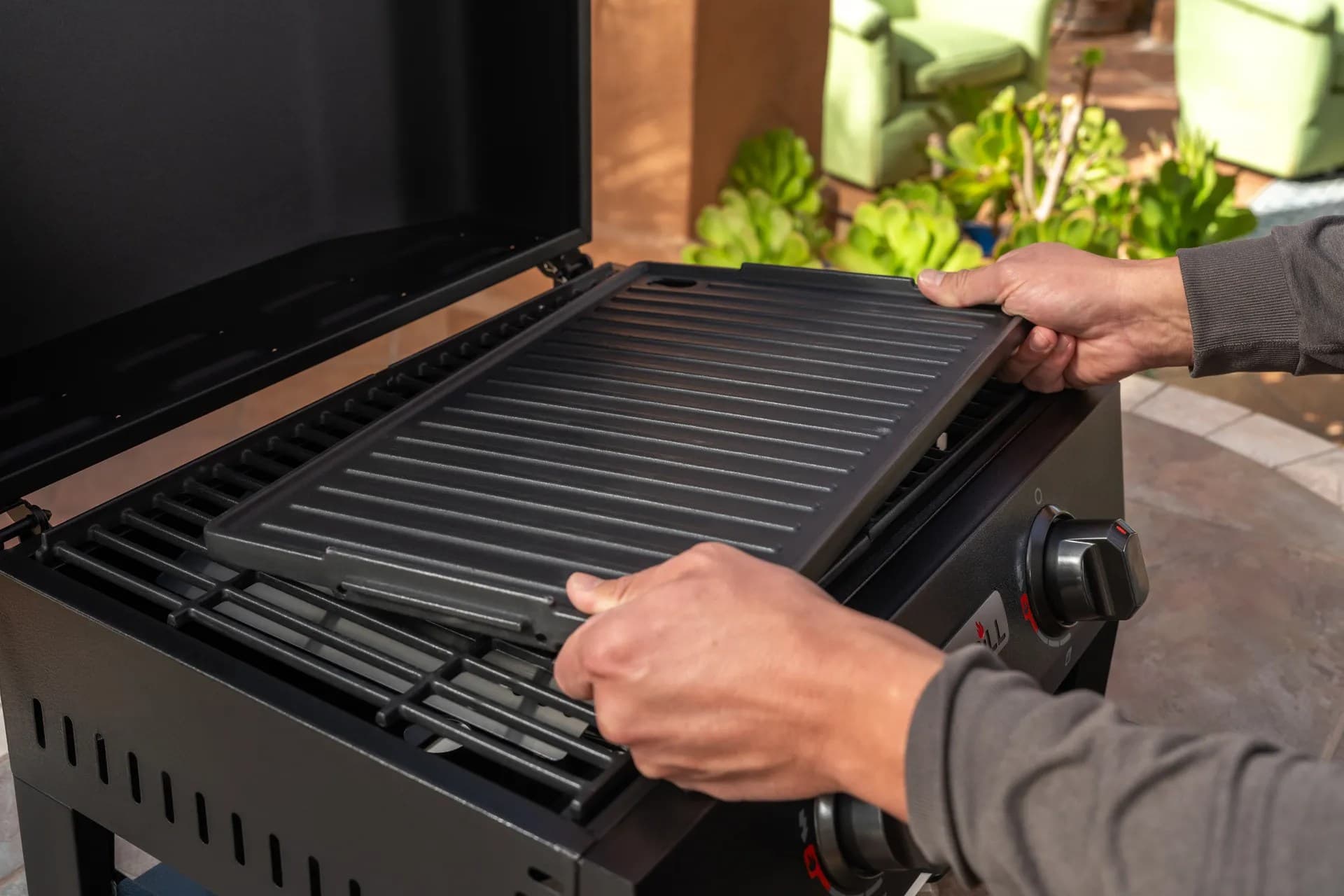
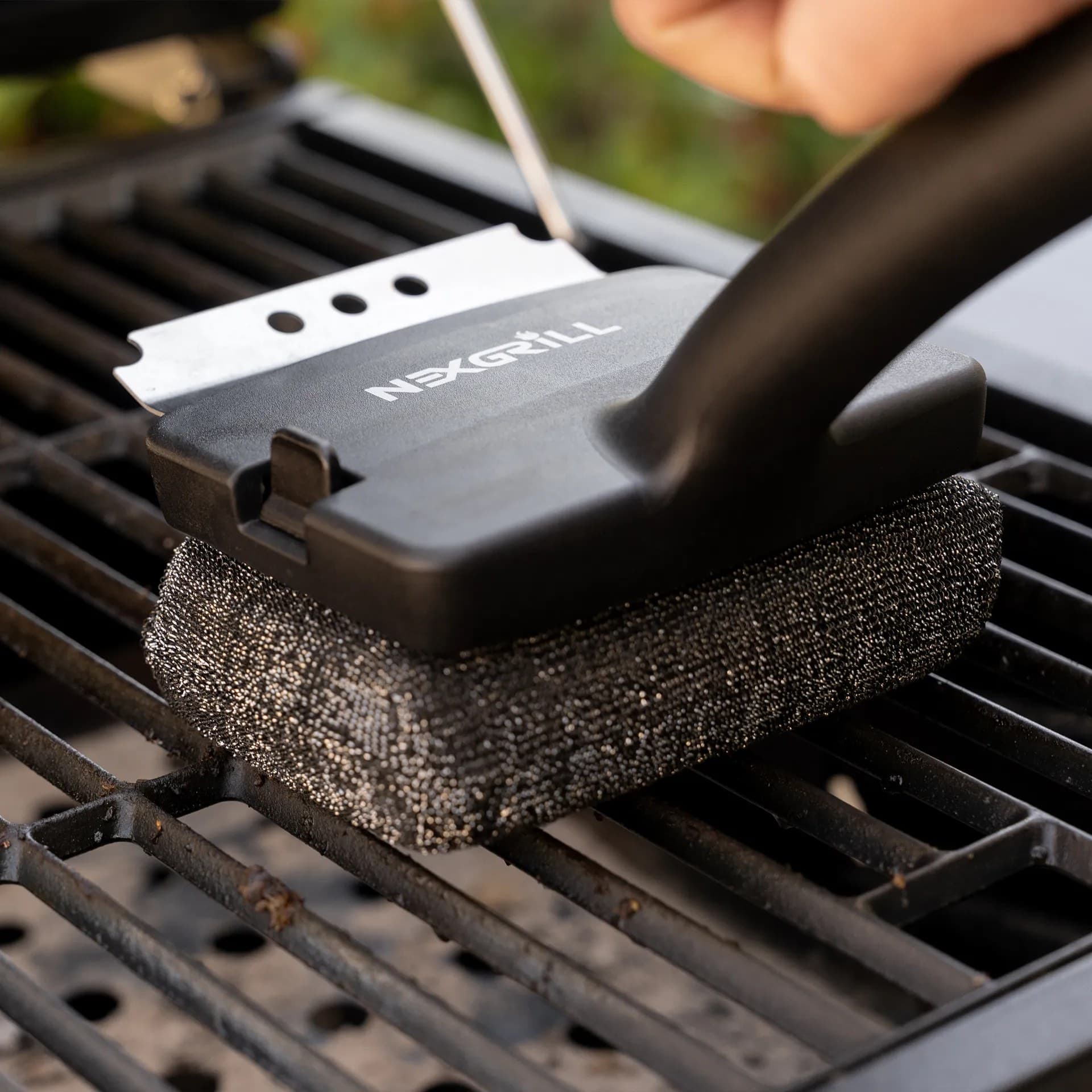
Regular cleaning of your electric grill not only prolongs its life but also enhances the flavor of your food. Begin by unplugging the grill and allowing it to cool. Remove any detachable parts, such as the grill grates and drip trays. These can be soaked in warm, soapy water to loosen grime. A gentle brush can assist in removing stubborn residue.
| Task | Frequency |
|---|---|
| Clean grates and drip trays | After every use |
| Wipe down exterior | Weekly |
| Deep clean heating elements | Monthly |
Once the removable parts are cleaned, wipe down the grill's exterior with a non-abrasive cloth. For the heating elements, a gentle wipe with a damp cloth will suffice. Avoid soaking them, as excessive moisture can damage the electrical components. For tougher stains on the grill body, a mixture of baking soda and water can be used as a natural cleaning agent.
Inspecting and Replacing Components
Regular inspection of the grill's components is vital to ensure safety and functionality. Begin by checking the power cord for any signs of fraying or damage. A compromised power cord can be a fire hazard and should be replaced immediately. Additionally, inspect the heating elements for any signs of wear or corrosion.
Warning: Always ensure the grill is unplugged before inspecting or replacing components to avoid electrical shock.
The grill's control knobs and switches should also be checked regularly. If they become stiff or unresponsive, it may indicate internal wear. In such cases, consulting the manufacturer's guide or a professional repair service is advisable. Keeping these components in check ensures that your grill operates smoothly and safely.
Proper Storage Techniques
Proper storage of your electric grill can significantly extend its lifespan, especially during off-season months when it may not be in use. For those with portable models, consider storing the grill in a dry, sheltered area to protect it from inclement weather. Moisture is a common adversary for electric grills, leading to rust and electrical issues.
Tip: Use a grill cover to shield your grill from dust and moisture. This simple accessory can prevent many common maintenance issues.
When storing your grill, ensure it's thoroughly cleaned and dried to prevent mold and corrosion. It's also wise to remove detachable components and store them separately, which allows for better airflow and prevents moisture buildup. For fixed installations, investing in a small outdoor cabinet or enclosure can provide additional protection.
Troubleshooting Common Issues
Even with diligent maintenance, issues can occasionally arise. Common problems include uneven heating, failure to power on, or erratic temperature control. If the grill doesn't heat evenly, it may be due to residue on the heating elements or a malfunctioning thermostat.
| Issue | Solution |
|---|---|
| Grill won't power on | Check power source and cord integrity |
| Uneven heating | Clean heating elements and check connections |
| Erratic temperature control | Inspect thermostat and replace if needed |
For grills that won't power on, first check the power source and ensure that the outlet is functioning. If the problem persists, inspect the power cord for any damage. Erratic temperature control often involves the thermostat, which may require recalibration or replacement.
Enhancing Grill Performance
Beyond maintenance, certain practices can enhance the performance of your electric grill. Preheating the grill before use ensures even cooking temperatures and better flavor retention. Additionally, avoiding overcrowding on the grill surface allows for better heat distribution and cooking results.
Expert Tip
Consider using a meat thermometer to ensure precise cooking temperatures. This tool can greatly improve your grilling outcomes by preventing overcooking or undercooking your food.
By integrating these maintenance and performance-enhancing practices, your electric grill will not only last longer but also deliver consistently delicious meals. For further guidance, explore resources and product details at Nexgrill.