Essential Charcoal Grill Cleaning Tips
Keep your charcoal grill in top condition with these practical cleaning tips.
In This Article
Tools for Effective Cleaning
Step-by-Step Cleaning Process
Common Mistakes to Avoid
Introduction to Charcoal Grill Cleaning
A clean charcoal grill cooks better, lasts longer, and is simply easier to use the next time you fire it up. Grease, soot, carbonized food bits, and damp ash can interfere with airflow, dull the flavor of your food, and make temperature control less predictable. That matters whether you use a kettle grill for weeknight burgers, an offset smoker for low-and-slow ribs, or a compact portable charcoal grill for camping and tailgating. The cleaning routine should match the style of grill you own, because each design collects residue in different places and has different airflow paths to protect.
The good news is that charcoal grill cleaning does not need to be complicated or chemical-heavy. In most cases, the best results come from a simple routine: brush while the grill is still warm, empty the ash after it has fully cooled, wipe the interior surfaces with mild soap and water when needed, and protect the grill from weather so you are not fighting rust and sticky buildup every time you cook. If you treat cleaning as part of grilling instead of a separate chore, the whole process becomes faster and much less intimidating.
A quick post-cook wipe and ash removal do more for grill performance than an occasional deep scrub.
Different grill types need slightly different attention. A kettle grill usually collects ash in the bottom bowl and grease on the grates. An offset charcoal grill can gather soot and residue inside the firebox, cooking chamber, and chimney path. A portable grill often needs the fastest cleanup because its smaller interior can trap moisture and food residue more easily if it is packed away dirty. Knowing where buildup forms helps you clean the right surfaces without over-scrubbing parts that do not need it.
Core habits that make charcoal grill cleaning easier: brush, empty ash, and dry thoroughly.
For Nexgrill owners, a thoughtful cleaning routine also supports the overall grilling experience the brand is known for: practical, dependable, and welcoming to both beginners and experienced backyard cooks. That perspective matters because good maintenance is not about perfection; it is about keeping your equipment ready for the next meal. If you want to compare charcoal grill styles before you build a cleaning routine around one, try comparing two products side by side below to see which fits best:
Essential Tools for Cleaning
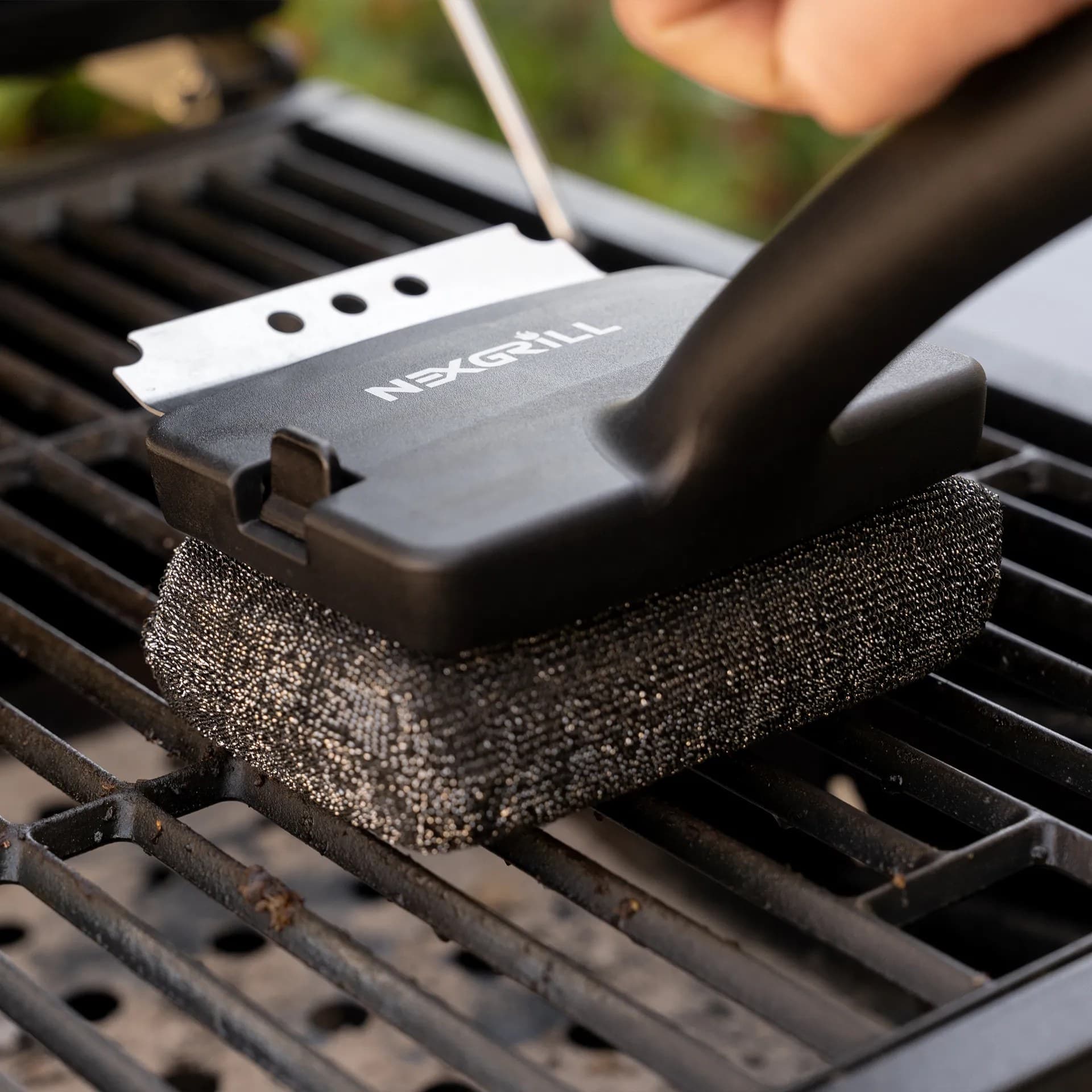
The right tools make charcoal grill cleaning quicker and safer. You do not need a giant kit or harsh degreasers to maintain a well-used grill. In fact, a small set of dependable items usually works better than a shelf full of specialty products. Start with a sturdy grill brush or scraper for the cooking grates, a bucket of warm water mixed with mild dish soap, microfiber cloths or paper towels, and a long-handled tool for removing ash. For stubborn residue, a putty knife or plastic scraper can help lift burnt-on deposits without gouging the metal.
If you prefer a more eco-friendly approach, vinegar and water can work well on exterior surfaces and light grease films. Baking soda paste is also useful for spot-cleaning greasy areas on lids, grates, and side shelves because it provides gentle abrasion without strong fumes. A small bottle of food-safe oil can help prevent rust on bare metal surfaces after cleaning, especially if the grill lives outdoors or in a humid climate. Just use a thin coat, not a heavy layer that can turn sticky and attract dust.
| Tool | Best Use | Why It Helps |
|---|---|---|
| Grill brush or scraper | Cooking grates | Removes charred residue while the grate is warm. |
| Warm water and mild dish soap | Interior and removable parts | Cuts grease without harsh chemicals. |
| Microfiber cloths | Lid, exterior, handles | Lifts grime and dries surfaces quickly. |
| Ash scoop or small metal container | Firebox and ash catcher | Makes ash removal cleaner and more controlled. |
| Baking soda and vinegar | Spot cleaning | Good for light grime and odor control. |
Choose tools with long handles and heat-resistant grips so you can clean earlier, when the grill is still warm and residue lifts more easily.
For offset grills and larger cookers, a shop towel, non-scratch pad, and a small brush for corners and vents are especially helpful. The goal is not to scrub every surface to bare metal. The goal is to remove buildup from the places that affect airflow, heat transfer, and food contact. A smart cleaning kit keeps the work focused and avoids unnecessary wear on the grill finish.
Step-by-Step Cleaning Process for Different Grill Types
The most effective cleaning process depends on the grill you own, but the basic logic stays the same: loosen debris, remove ash, wash the dirty parts, dry completely, and reassemble only after every surface is ready. Begin by letting the coals burn down fully and the grill cool to a safe handling temperature. Warm, not scorching hot, is the ideal time to brush grates because stuck-on residue releases more easily. Once the grill is cool enough to handle, remove the grates and set them aside for washing.
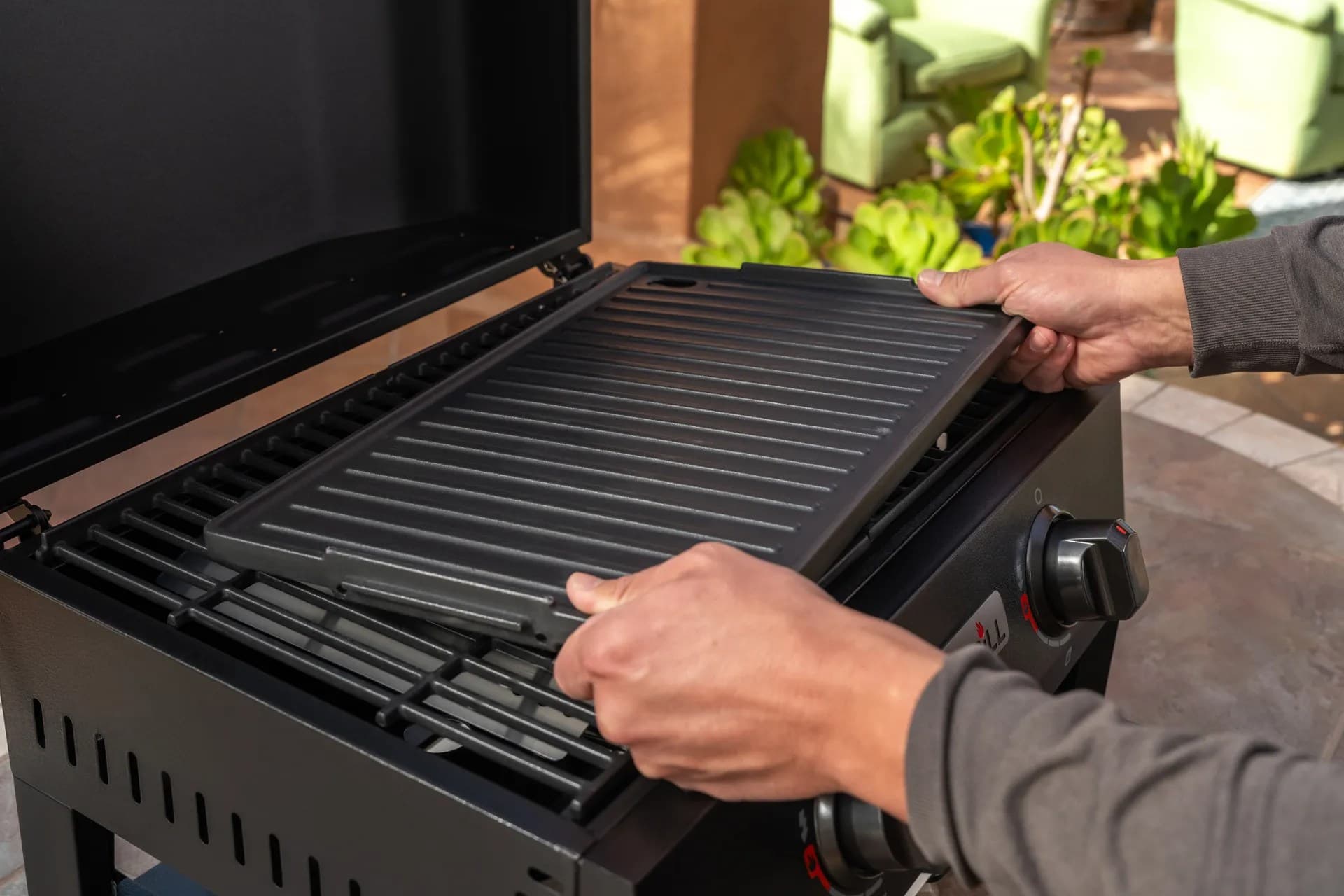
For a kettle charcoal grill, lift out the cooking grate and charcoal grate if your model allows it. Brush off loose debris, then wash the grates with warm soapy water. Use a sponge or soft brush to clean the inside of the bowl, paying attention to the lower air vents and the ash collection area. If the bowl has a heavy ash layer, vacuum or scoop it out carefully after it is completely cool. Never wash ash down a drain, because it can create clogs and is difficult on plumbing. After the surfaces are clean, dry them fully and wipe a very thin layer of oil onto grates or other bare steel parts to reduce rust risk.
For an offset charcoal grill, clean the firebox separately from the cook chamber if your design allows access. Ash and soot tend to build up around the firebox opening and along the lower edges where smoke moves through. Clear those areas so airflow remains open. Use a scraper on the inside lid where soot collects, but avoid aggressive scraping on painted or coated surfaces. The cooking chamber should be brushed, washed, and dried in the same sequence as a kettle grill. If your offset unit has a chimney stack or adjustable vents, inspect those openings for blockage before storing the grill away.
Portable charcoal grills need a lighter, faster version of the same routine. Because they are smaller, residue and moisture can become a bigger problem if ignored. Empty ash after every use, brush the grate while it is still warm, and wipe the exterior after it cools. If the grill folds or stores in tight spaces, make sure every part is dry before packing it away. That simple step can prevent odor, corrosion, and stuck lids the next time you open it.
Do not hose out a charcoal grill while ash is still loose and light. Wet ash can smear into paste, cling to surfaces, and make cleanup much harder.
A practical way to think about the process is to separate it into three layers: food-contact surfaces, ash-handling areas, and exterior protection. If you handle all three every time you cook, even briefly, the grill stays ready with far less effort. That makes a charcoal grill feel like a dependable tool instead of a weekend project.
Maintenance Tips to Prevent Buildup
Once the grill is clean, the real trick is keeping it that way long enough to matter. Prevention is easier than restoration, especially on charcoal grills where ash, smoke residue, and grease can accumulate quickly around air pathways. The simplest habit is to brush the grates after each cook while the metal is still warm enough to release residue. That five-minute step prevents baked-on layers from turning into a scraping job later. Another smart habit is to empty ash after every few uses, or immediately if the grill has gotten damp. Ash holds moisture, and moisture is what turns a neat firebox into a rusty one.
Weather protection matters too. If your grill sits on a patio, deck, or balcony, a fitted cover helps protect it from rain, pollen, and dust. Even if the grill has a durable finish, repeated exposure to moisture can create corrosion on hinges, grates, vents, and lower bowls. Store charcoal in a dry place so you are not introducing damp fuel into a clean grill, because damp charcoal can create more ash and more uneven burns. For people who grill often, a quick post-cook reset works better than a once-in-a-while deep clean. Clear the ash, brush the grate, empty the drip or grease collection area if your grill has one, and leave the lid open briefly so trapped heat and moisture can dissipate.
| Cleaning Habit | Recommended Frequency | Main Benefit |
|---|---|---|
| Brush grates while warm | After every cook | Stops buildup before it hardens. |
| Remove ash | After every 1-3 uses, or sooner if damp | Protects airflow and reduces rust. |
| Wipe exterior surfaces | Weekly or as needed | Prevents grime and weather staining. |
| Deep clean interior | Monthly during heavy use | Restores airflow and cooking consistency. |
If you want to reduce cleanup time even more, line up your cooking habits with the grill design. Use a drip pan when appropriate, avoid overloaded charcoal baskets that dump excess ash, and do not leave spent coals sitting in the firebox for days. For offset models, keep vents clear so smoke and ash do not settle in one area. For portable grills, a small storage tub for ash-safe disposal can make the end of the cook far more orderly. These are small habits, but they stack up into a grill that heats faster, smells fresher, and looks better over time.
A dry, covered grill with clean vents and an empty ash area will usually outperform one that only gets cleaned when it looks dirty.
Common Mistakes to Avoid When Cleaning
One of the most common mistakes is cleaning too aggressively. Scrubbing hard with steel tools or abrasive pads can damage cooking grates, remove protective coatings, and leave rough surfaces that hold more residue later. Another frequent issue is using too much water on parts that are not meant to stay wet. Charcoal grills are metal systems with air openings, seams, and hardware that dry slowly if they are soaked. Excess moisture can seep into corners and begin rusting from the inside out.
People also make trouble for themselves by ignoring ash disposal. Hot coals and warm ash must cool fully before removal, and ash should be placed in a metal container, not a plastic bin or cardboard box. Even when ash looks harmless, tiny embers can stay hot much longer than expected. Another mistake is forgetting the airflow path. If the lower vents, firebox openings, or chimney areas are blocked by residue, the grill may heat unevenly no matter how clean the grates look. Cleaning only what you can see is not enough.
Harsh chemical cleaners can also create problems. They may leave odors behind, require extra rinsing, or damage painted and coated surfaces. Unless the grill has a very specific manufacturer-approved cleaner, mild soap and water is usually the safer and more practical choice. Finally, many grill owners wait too long between cleanings because they think a charcoal grill should look heavily seasoned to work well. A little patina is normal; thick, sticky buildup is not. The difference is important because excessive buildup can influence airflow, create off-flavors, and make routine maintenance harder every time.
If you can smell rancid grease before you even light the grill, it is past time for a deeper cleaning session.
Conclusion: The Importance of Regular Cleaning
Regular charcoal grill cleaning is one of the easiest ways to improve both the cooking experience and the life of the grill itself. Clean grates sear more evenly, clear vents help charcoal burn more predictably, and dry metal parts are less likely to rust. Just as important, a maintained grill is less frustrating to use. You spend less time scraping, less time fighting poor airflow, and more time focusing on the food and the people around the table.
The best routine is simple and repeatable. Brush after cooking, remove ash before it absorbs moisture, wash removable parts with mild soap when needed, and keep the grill covered and dry between uses. Add in a few thoughtful habits like using eco-friendly cleaning solutions, disposing of ash responsibly, and checking vents before storage, and your charcoal grill becomes easier to trust on any cook day. That is the real value of maintenance: not just a cleaner grill, but a better one to live with all season long.
For more grilling inspiration and product information from Nexgrill, visit Nexgrill.