The Best Grill Maintenance Schedule for Longevity
A comprehensive guide to keeping your grill in top shape all year round.
In This Article
Daily Care Essentials
Seasonal Prep Tips
Safety First
Introduction to Grill Maintenance Importance
A good grill can handle years of searing, smoking, and weekend get-togethers, but only if you treat maintenance as part of the cooking process, not an afterthought. The best-grill-maintenance-schedule is the one you can actually follow, because grime, ash, grease, and moisture build up fast after repeated use. That buildup does more than make a grill look tired. It can affect heat distribution, slow ignition, create flare-up risk, and leave last night’s residue on tomorrow’s food. In other words, maintenance is about flavor, safety, and equipment life at the same time.
Nexgrill’s brand approach centers on dependable outdoor cooking for real households, from casual backyard cooks to more experienced grillers who want steady performance without making the setup complicated. That mindset matters here, because a maintenance routine should fit how people actually cook in the United States: a few burgers on a weeknight, a full spread on weekends, and longer gaps during colder months. A practical schedule keeps those rhythms in mind rather than asking you to deep-clean everything after every meal. The goal is to do small, repeatable tasks often enough that deeper cleaning becomes easier and less time-consuming.
Prevents small buildup from becoming a bigger repair problem
Gas and charcoal grills need different attention. Gas grills need burner, ignition, and grease-tray checks; charcoal grills need ash removal and airflow cleanup.
Daily Maintenance Tasks
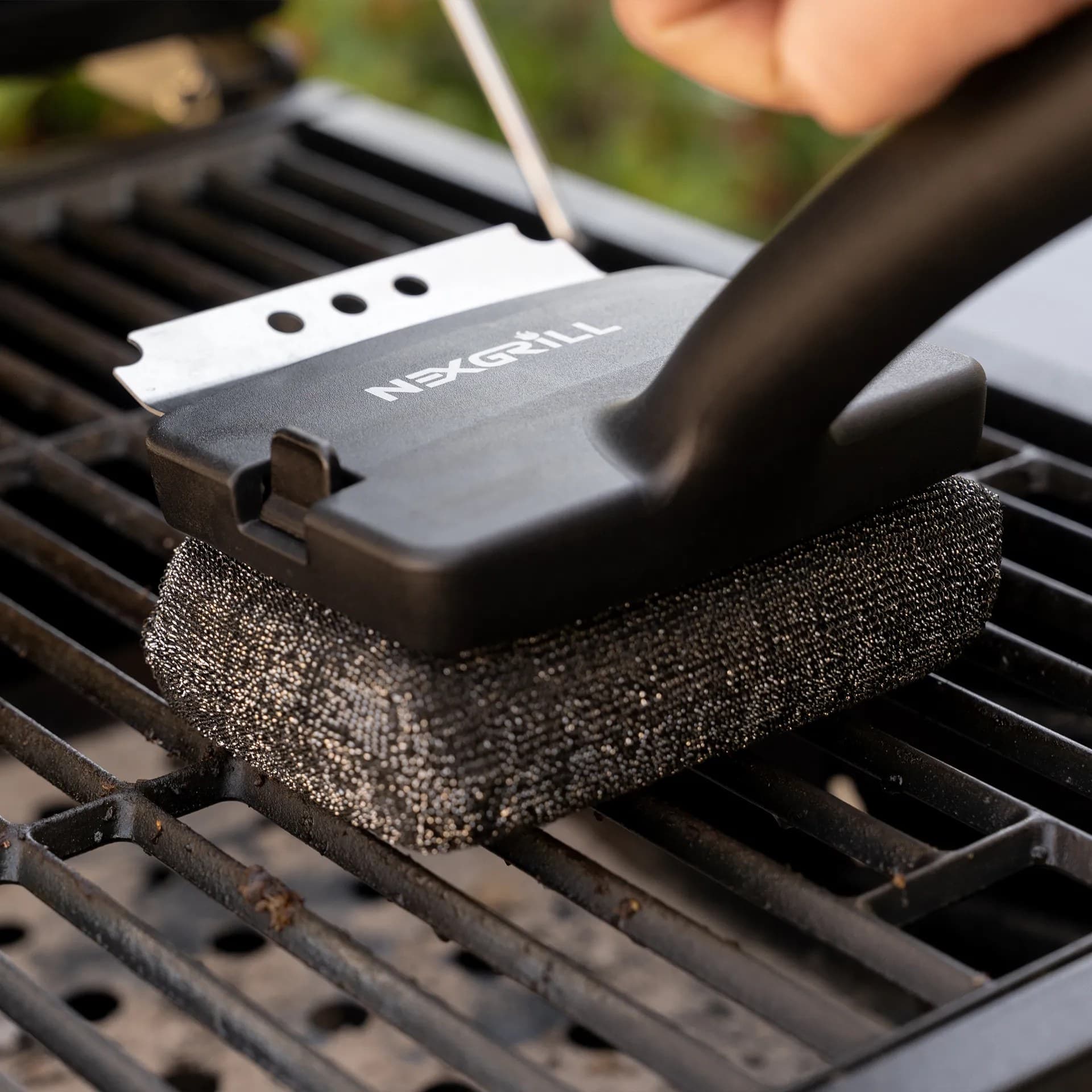
Daily maintenance should be quick enough that you can do it right after the grill cools slightly, while residue is still easier to remove. For gas grills, start by brushing the grates to remove stuck-on food, then empty or scrape the grease tray if it is full enough to drip during the next cook. Wiping down the exterior lid, side shelves, and control panel with a soft cloth helps prevent grease film from hardening. If you cooked something especially fatty, check the firebox or lower area for visible drips and remove them before they bake on.
For charcoal grills, the daily routine is simpler but just as important. Dispose of cooled ash once it is completely cold, because retained ash traps moisture and can accelerate corrosion. Brush the grates, clear ash from vents, and close the lid only after the interior has fully cooled and dried. If you leave ash sitting in the bowl, airflow becomes restricted and your next fire may burn unevenly. Small daily habits protect the parts you use most, which is why they have such an outsized impact on longevity.
Tip: a 3-minute cleanup after cooking is easier than trying to scrape hardened residue the next day.
Weekly Maintenance Tasks
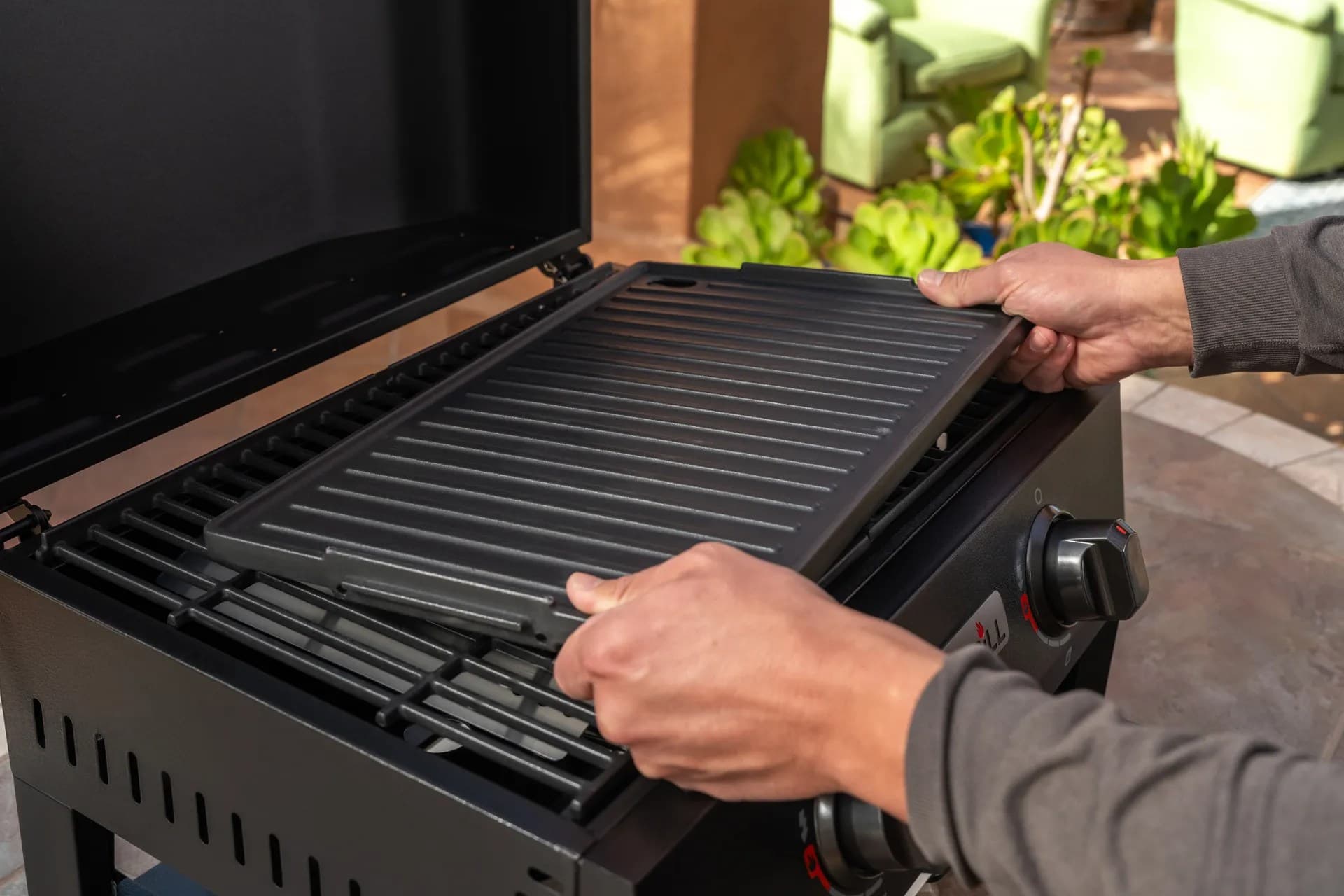
Weekly maintenance is where you move from surface cleaning to performance protection. Once a week, remove the grates and scrub them more thoroughly with a grill brush, a nylon bristle brush, or a non-abrasive pad depending on the grate material. Check heat diffusers, flavorizer bars, or similar internal parts for grease buildup and clean off carbonized residue. On gas grills, inspect burner ports for blockages; even partial clogs can create uneven flames or hot spots. A quick visual check for rust, cracked knobs, or loose fittings can catch problems before they affect a weekend cookout.
Weekly charcoal grill care should include clearing the firebox, checking air vents, and making sure the charcoal grate is not warped or choked with ash. If your charcoal model includes a lid vent and bottom vent, make sure both move freely. Airflow is the difference between steady heat and a frustrating fire that is hard to control. The weekly schedule should also include a wipe-down of handles, shelves, and the exterior surfaces, especially after humid weather or heavy use. Think of it as a reset that keeps the grill ready for the next session rather than allowing buildup to compound.
Monthly Maintenance Tasks
Monthly maintenance is the point at which you inspect the grill as a system instead of a collection of parts. Gas grill owners should remove grates and burners if the design allows it, then inspect burner tubes, ignition electrodes, and the grease management path. Look for grease pooling, food debris, insect nests, or corrosion around the burner openings and under the firebox. This is also the right time to check propane tank connections, hose condition, and regulator placement so you are not surprised by weak flames or a poor gas flow issue during a big meal.
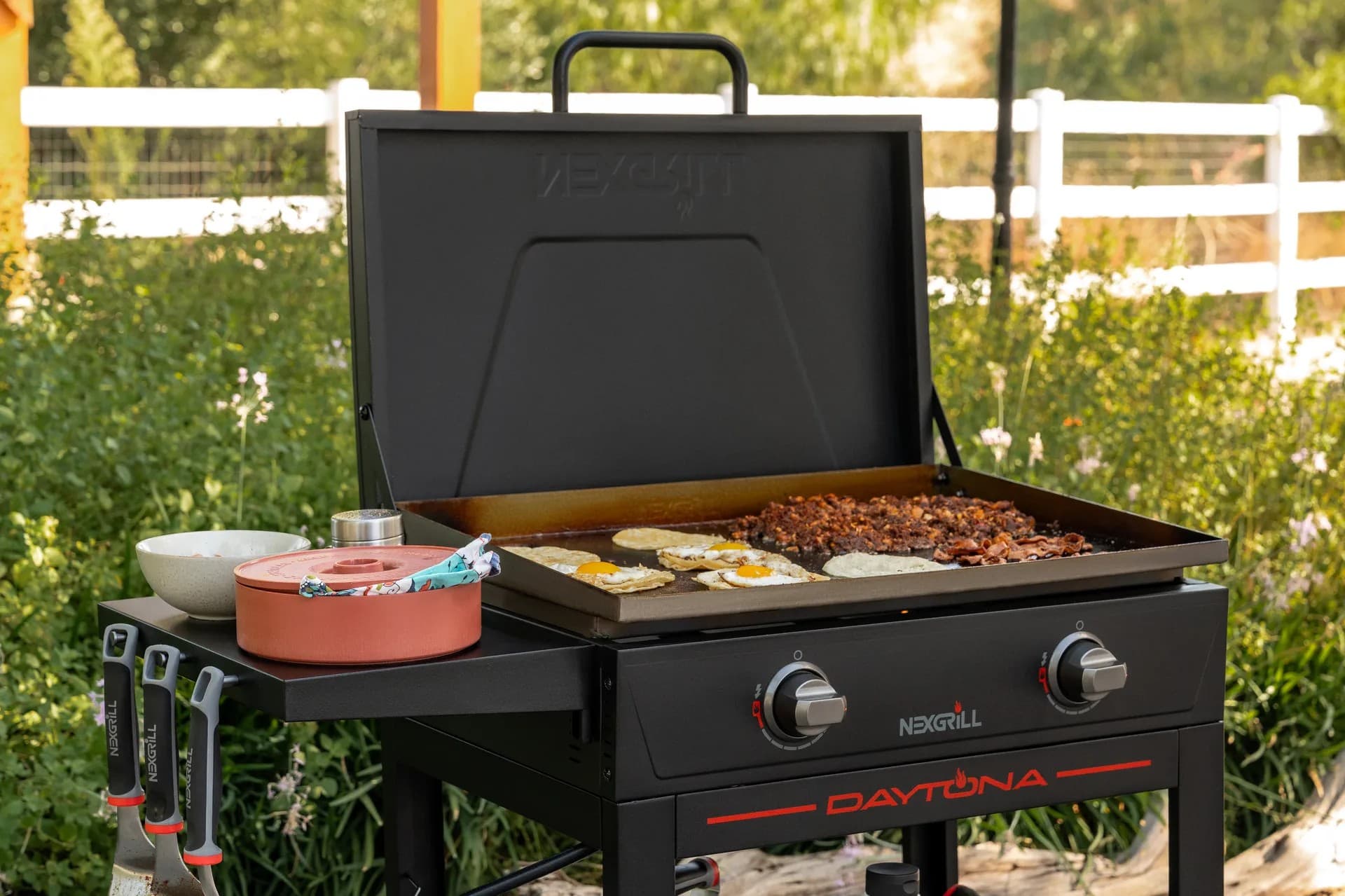
Charcoal grill owners should look for paint chips, rust spots, worn charcoal grates, and ash buildup in seams or corners. If your grill has a removable ash catcher, inspect the fit and empty it regularly. Use the monthly pass to tighten hardware, test lid hinges, and confirm that handles feel secure. If you use a Nexgrill gas grill or griddle regularly, a monthly deep clean helps preserve the cooking surface and makes the grill feel new longer. The best maintenance schedule is not about doing everything at once; it is about preventing one neglected month from becoming a full season of avoidable wear.
Seasonal Maintenance Tasks
Seasonal maintenance depends on how you store and use the grill through the year. Before the busy summer grilling season, give the grill a full cleaning, inspect all burners and ignition parts, and make sure the cooking area is ready for frequent use. If your grill sits outdoors year-round, use the seasonal change as a checkpoint for covers, rust prevention, and moisture control. Before winter or any long stretch of reduced use, clean every accessible part, empty ash and grease, dry the grill completely, and apply a fitted cover once the unit is cool and fully dry.
For gas grills, seasonal prep should also include testing ignition, checking for leaks with a soap-and-water solution on exposed connections, and verifying that the regulator and hose are not cracked or brittle. For charcoal grills, seasonal prep is mostly about removing old fuel residue and protecting metal surfaces from moisture. If your grill lives in a coastal or humid U.S. region, seasonal maintenance matters even more because moisture and salt air can shorten the life of unprotected parts. A seasonal schedule keeps the grill ready when you want it and protected when you do not.
Try comparing two products side by side below to see which fits best:
Recommended Tools and Products
Once you have compared two grill options, the next step is making maintenance easier with the right tools. The best-grill-maintenance-schedule is only useful if the tools are simple enough to reach for every time. At minimum, keep a grill brush or scraper, microfiber cloths, a soft sponge, a bucket, mild dish soap, disposable gloves, and a small putty knife or plastic scraper for stubborn residue. For gas grills, add a flashlight so you can inspect burner tubes, a soft bottle brush for vent openings, and a leak-check spray or a home-mixed soap solution for connection testing. For charcoal grills, ash tools and a metal bucket with a lid are especially useful because hot or warm ash should be handled carefully and stored only after fully cooling.
| Tool | Best Use | Gas Grill | Charcoal Grill |
|---|---|---|---|
| Grill brush | Remove residue from hot grates | Yes | Yes |
| Plastic scraper | Lift hardened grease without scratching | Yes | Sometimes |
| Microfiber cloth | Wipe lids, shelves, and exterior | Yes | Yes |
| Flashlight | Inspect burners, vents, and corners | Yes | Yes |
| Ash bucket with lid | Contain fully cooled ash | No | Yes |
When choosing cleaning products, use mild cleaners that are appropriate for food-contact surfaces and avoid anything overly abrasive on coated grates or painted finishes. Harsh chemicals can damage surfaces, leave residue, and create extra rinsing work. A small bottle of warm soapy water is often enough for routine exterior wiping, while a degreasing product can help on the grease tray or stubborn interior buildup when used according to the label. For a brand like Nexgrill, which serves both beginners and experienced outdoor cooks, a simple tool kit is usually better than a complicated one because it removes friction from the process and makes the schedule sustainable.
Warning: avoid wire brushes with damaged bristles, and never use strong cleaners on surfaces that contact food unless the product instructions say it is safe.
Safety Tips for Grill Maintenance
Safety should shape every step of your maintenance routine. Always make sure the grill is fully cool before removing ash, scraping grease, or taking out parts. Disconnect propane before deep cleaning a gas grill, and never check for leaks with a flame. Use a soap-and-water test on visible connection points instead. Wear gloves if you are handling sharp edges, rusty grates, or greasy components, and keep cleaning supplies separate from cooking utensils. If you smell gas, stop immediately, move the tank to a safe area if appropriate, and follow the grill manufacturer’s instructions before lighting anything again.
Another safety habit is to clean in a well-ventilated area. Moisture trapped in burner tubes, ash containers, or cover fabric can contribute to corrosion and odor issues, while poor airflow can leave grease fumes hanging around the unit. For charcoal, remember that ash can stay hot much longer than it looks. For gas, keep an eye on hoses, regulators, and valve connections because wear there can become a serious issue even when the grill otherwise looks clean. The safer you make the maintenance routine, the more likely it is that you will keep doing it consistently.
Common Mistakes to Avoid
One of the biggest mistakes is waiting until the grill is visibly dirty before cleaning it. By then, grease and carbon have usually bonded to the surface, which makes the job harder and can shorten the life of protective finishes. Another common error is using too much water on components that should stay dry, especially burners, igniters, and vent openings on gas grills. A third mistake is scrubbing too aggressively with the wrong brush or abrasive pad, which can scratch surfaces and remove seasoning or coating from grates. For charcoal grills, leaving old ash inside is a classic problem because it traps moisture and blocks airflow.
Many grill owners also forget the small parts. Ignoring a loose knob, a cracked hose, or a greasy drip tray can lead to bigger repairs later. Another frequent issue is closing and covering the grill while it is still damp, which creates the perfect environment for rust. The schedule only works if the details are respected, because maintenance is really about removing small points of failure before they stack up.
Benefits of Regular Grill Maintenance
Regular maintenance pays off in three ways that matter to almost every griller: better food, safer operation, and longer equipment life. Clean grates sear more evenly and help preserve flavor by reducing burnt residue from previous cooks. A clean grease path lowers flare-up risk, which gives you more control over chicken, steaks, vegetables, and delicate foods. On gas grills, clear burners and intact connections support more consistent heat; on charcoal grills, clear vents and empty ash help you manage temperature more predictably. Those small improvements add up quickly over the course of a grilling season.
There is also a practical cost benefit. A grill that is cleaned and inspected regularly is less likely to develop corrosion, clogged burners, or sticky moving parts that require replacement sooner than expected. That matters for families who rely on one grill for weeknight meals and weekends alike. A consistent maintenance schedule also reduces the frustration of last-minute issues before guests arrive. Nexgrill’s focus on approachable outdoor cooking lines up well with this kind of routine: simple habits, repeated often, create the most reliable results.
Conclusion: Maintain Your Grill for Optimal Performance
A well-maintained grill does not happen by accident. It happens because you give it small amounts of attention on a steady schedule: quick care after each cook, deeper checks every week, a more detailed inspection each month, and seasonal prep before heavy use or storage. That rhythm keeps gas and charcoal grills performing the way they should and helps you avoid preventable wear. If you want the longest life from your grill, the answer is not a complicated overhaul. It is consistency.
Follow the schedule, use the right tools, stay safe, and treat maintenance as part of the grilling experience. The result is a cleaner grill, better-tasting food, and a more dependable backyard setup season after season.